Cat Encyclopedia — 87 Species Directory
Encyclopedia of popular cat breeds with traits, temperament, and care guides.
Showing 33 of 87 species(1–24)
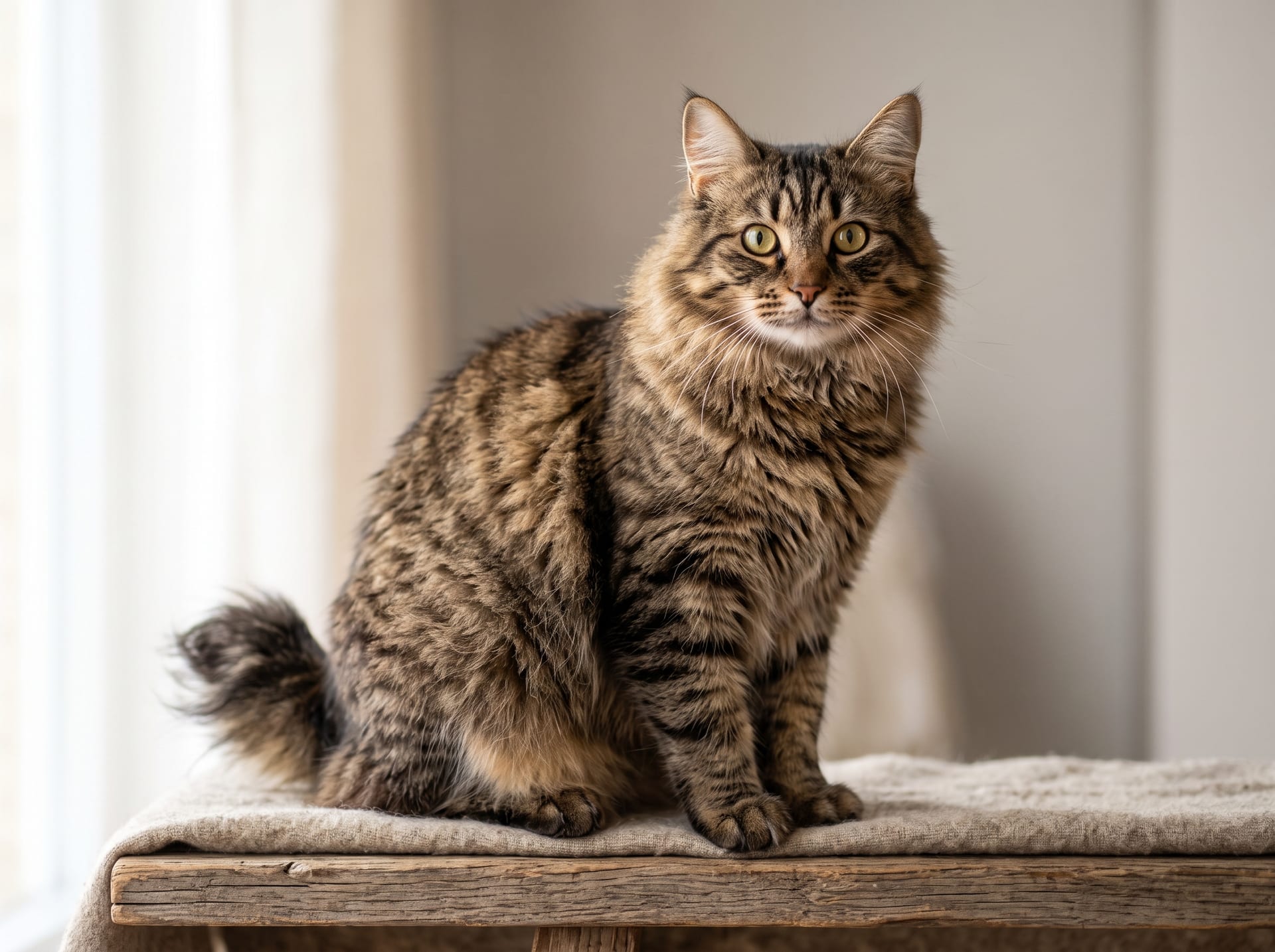
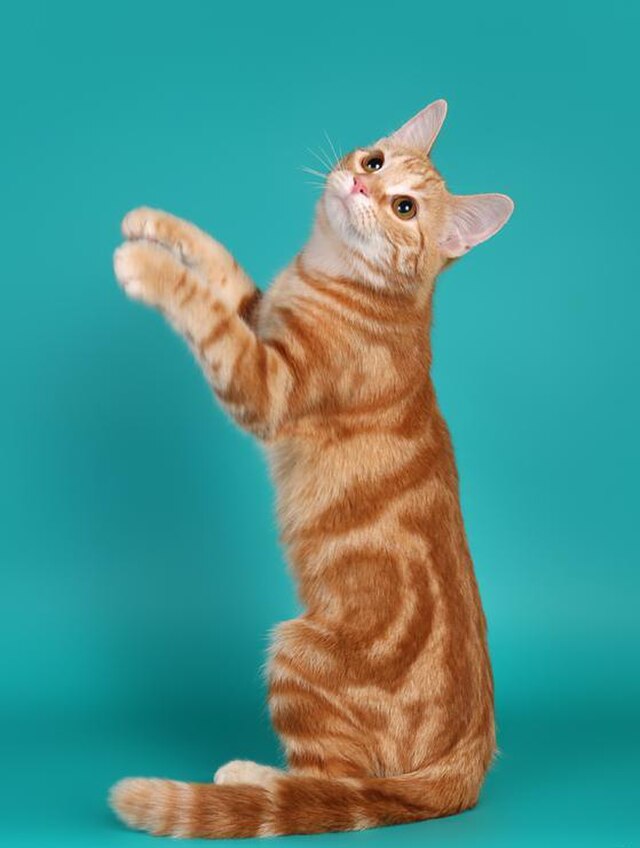
American Bobtail
A naturally occurring North American breed with a wild look and a signature bobbed tail. Despite its rugged appearance, it is gentle, affectionate and devoted to the whole family.
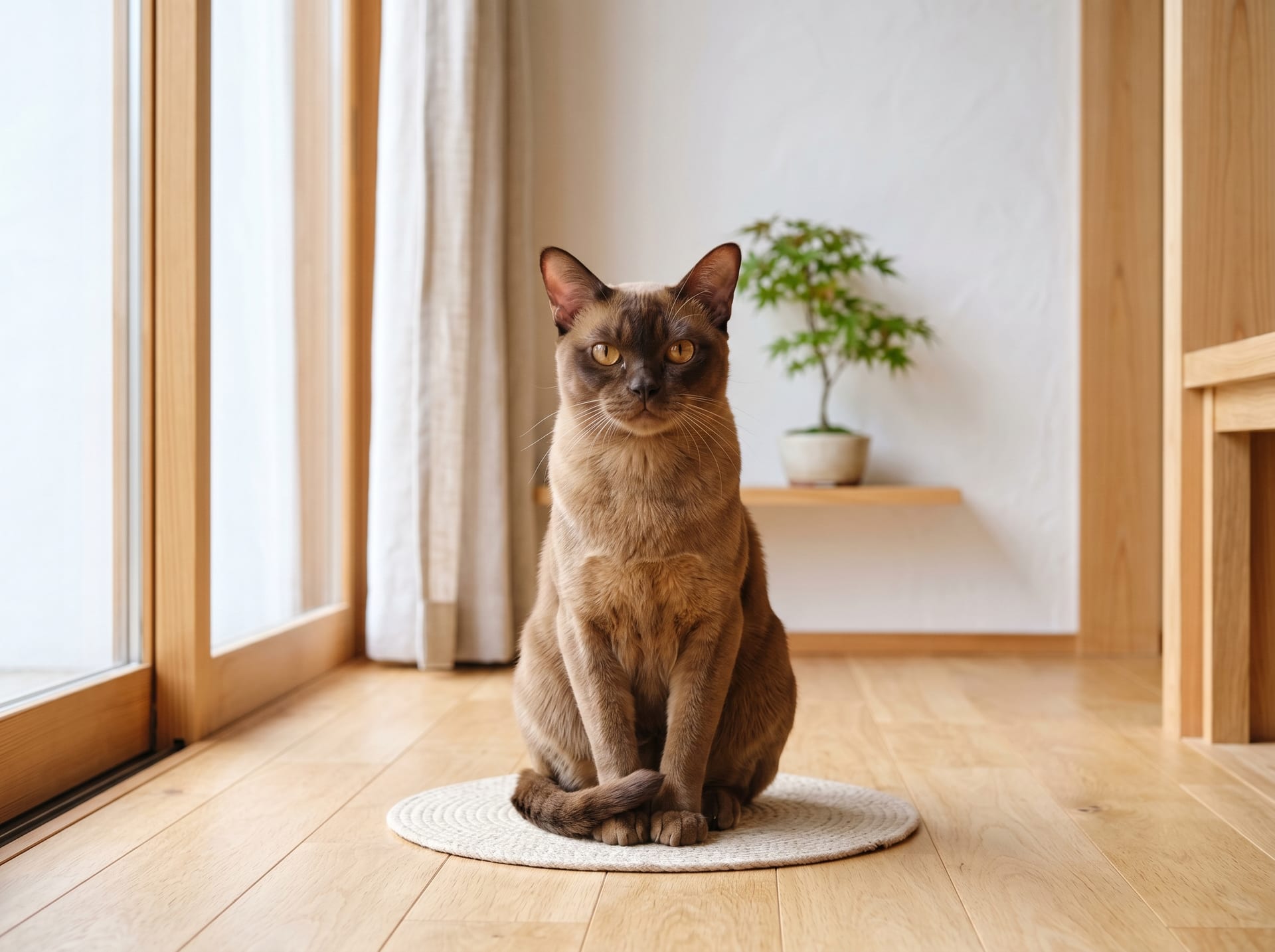
American Burmese
American type of Burmese. Rounded body and large round eyes, affectionate and sociable.
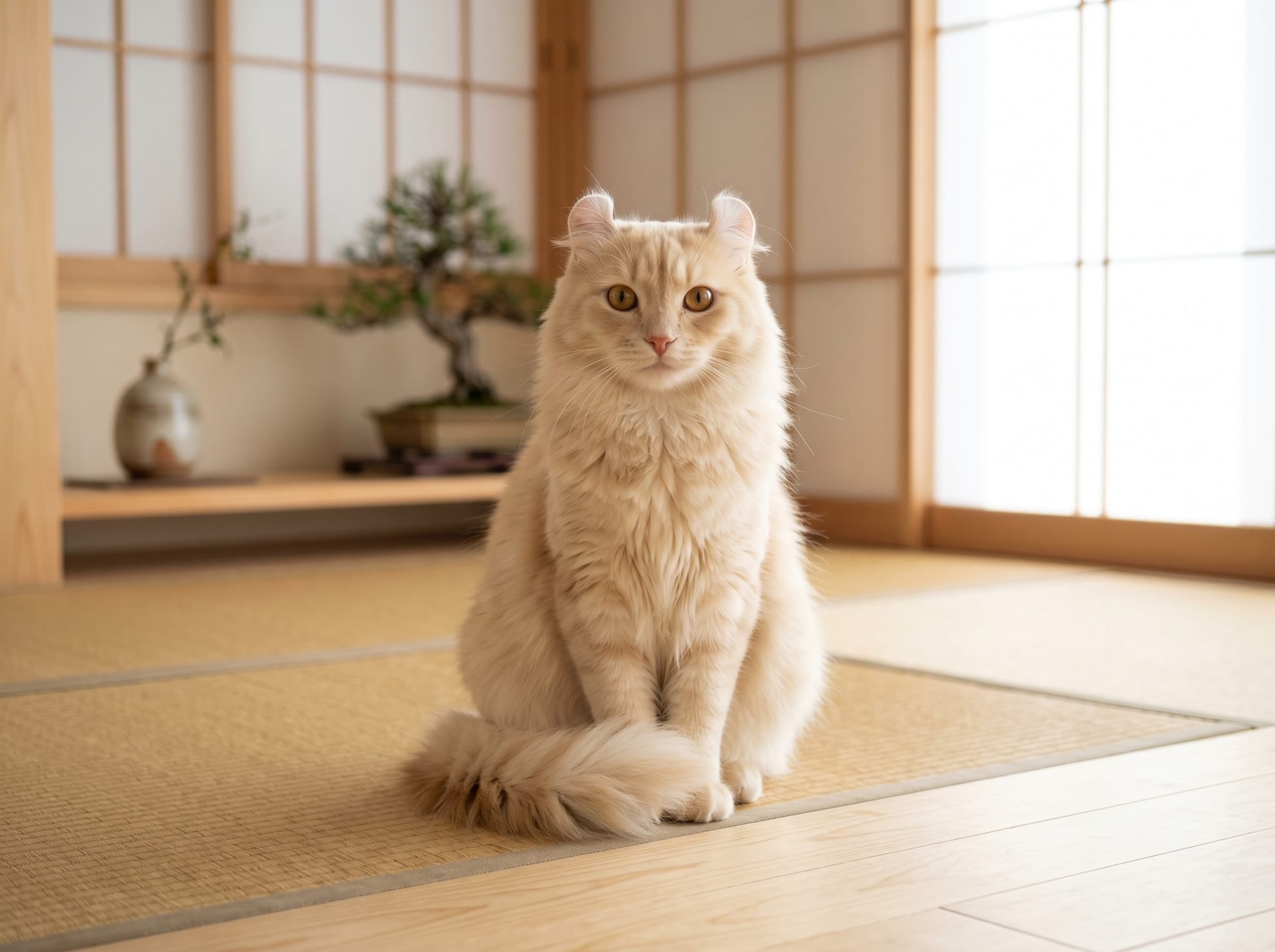
American Curl
Distinctive backward-curling ears, first discovered in 1981. Friendly and adaptable; great with children and pets.
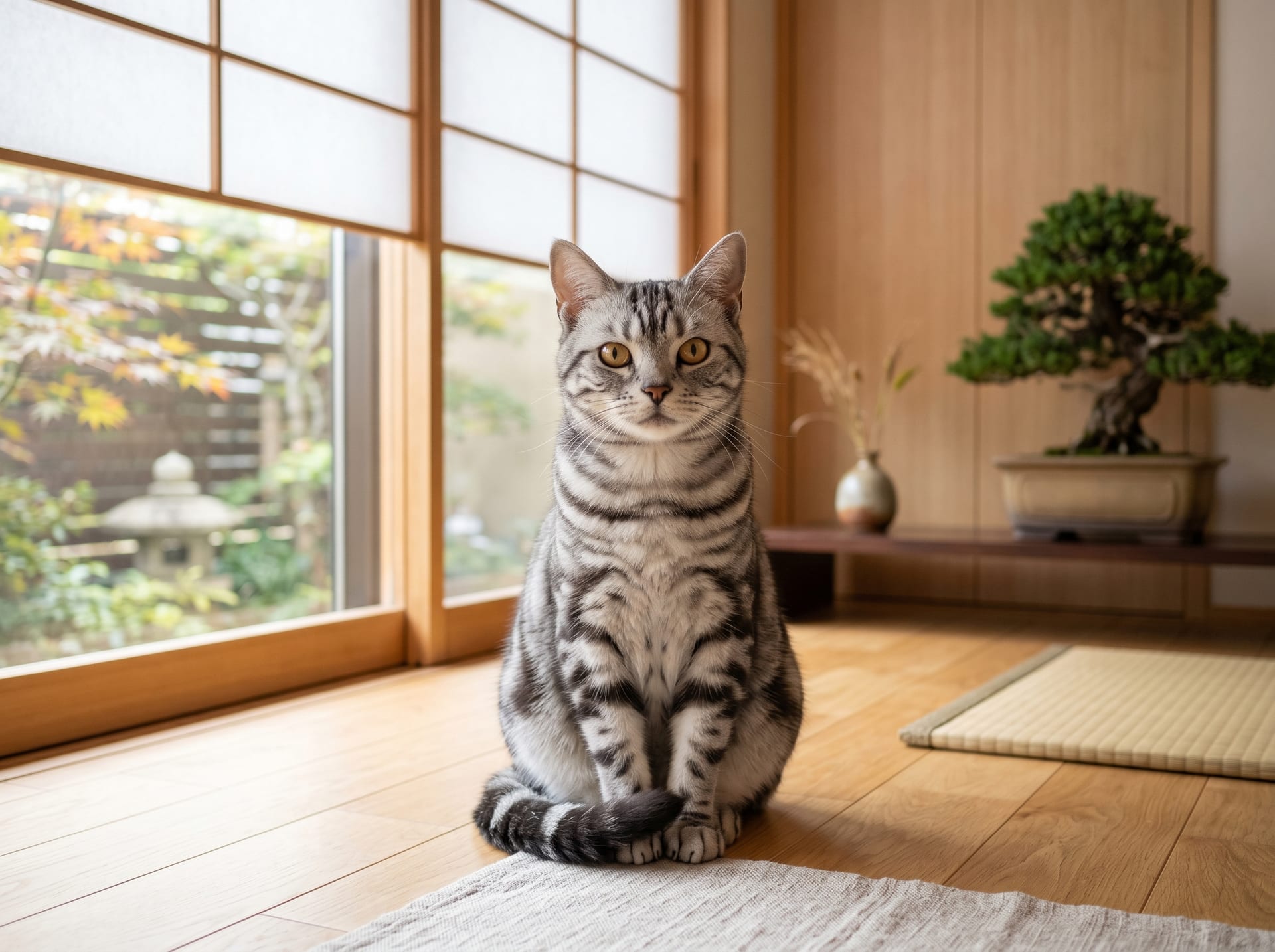
American Shorthair
Robust, balanced breed with a gentle temperament. Silver tabby is iconic. Popular family cat for generations.
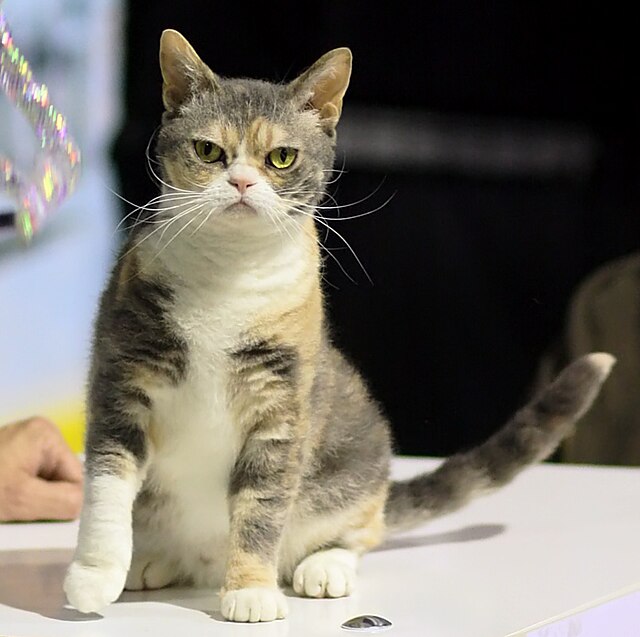 © Heikki Siltala / CC BY 3.0
American Wirehair
Natural mutation of American Shorthair. Distinctive wiry, crimped coat. Hardy and adaptable.
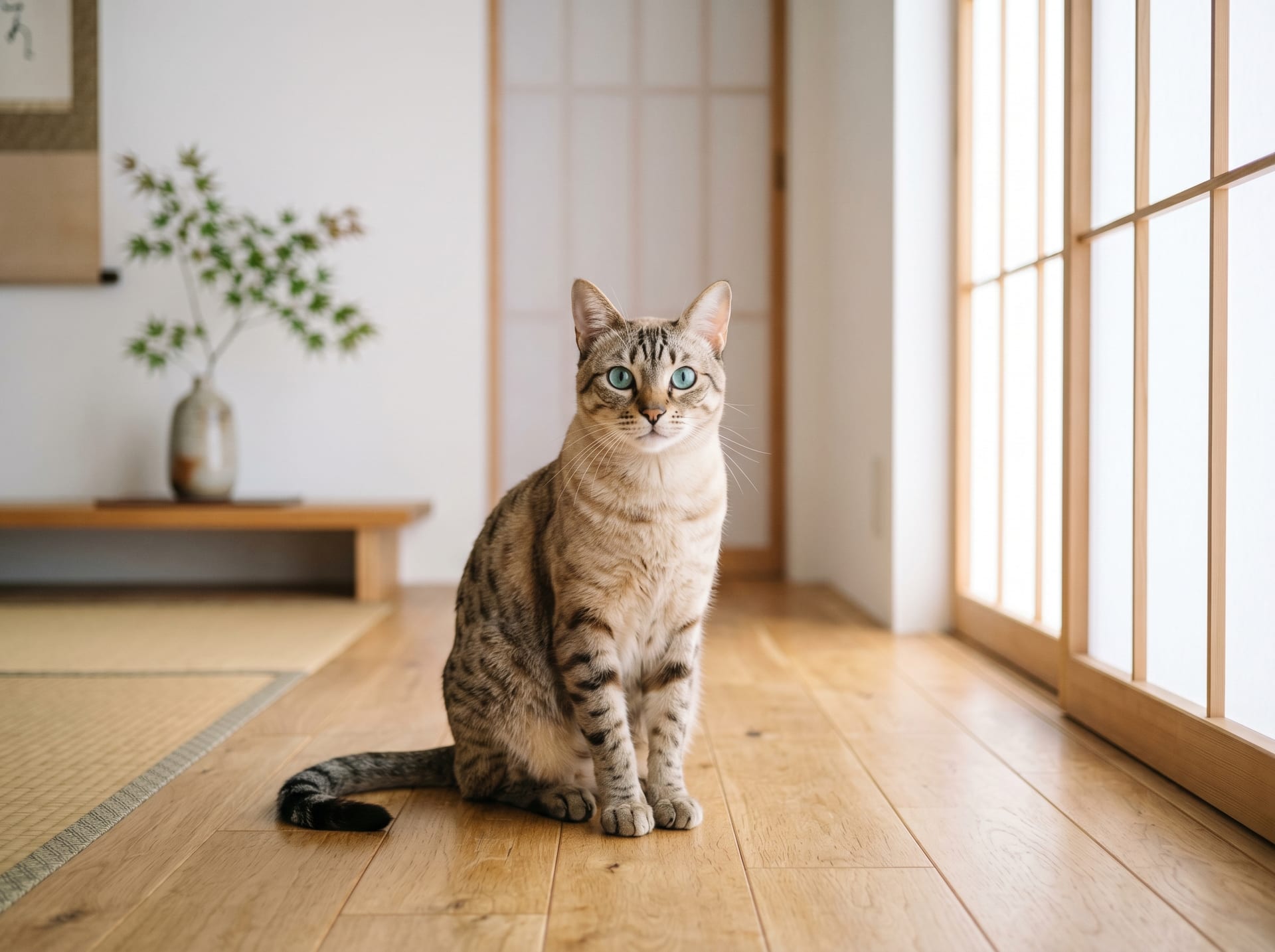
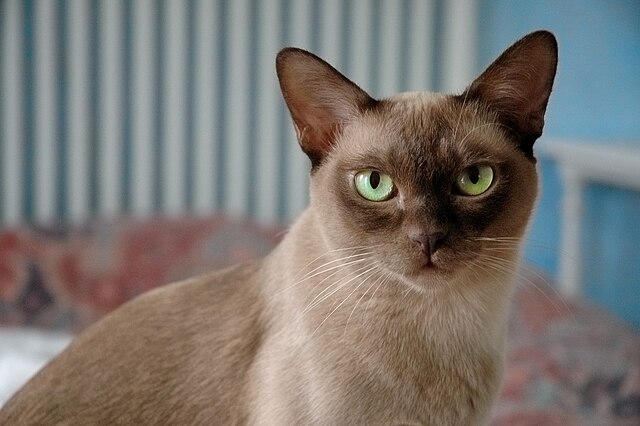
Australian Mist
The only pedigree cat breed developed in Australia. Misty beautiful coat with gentle, friendly personality.
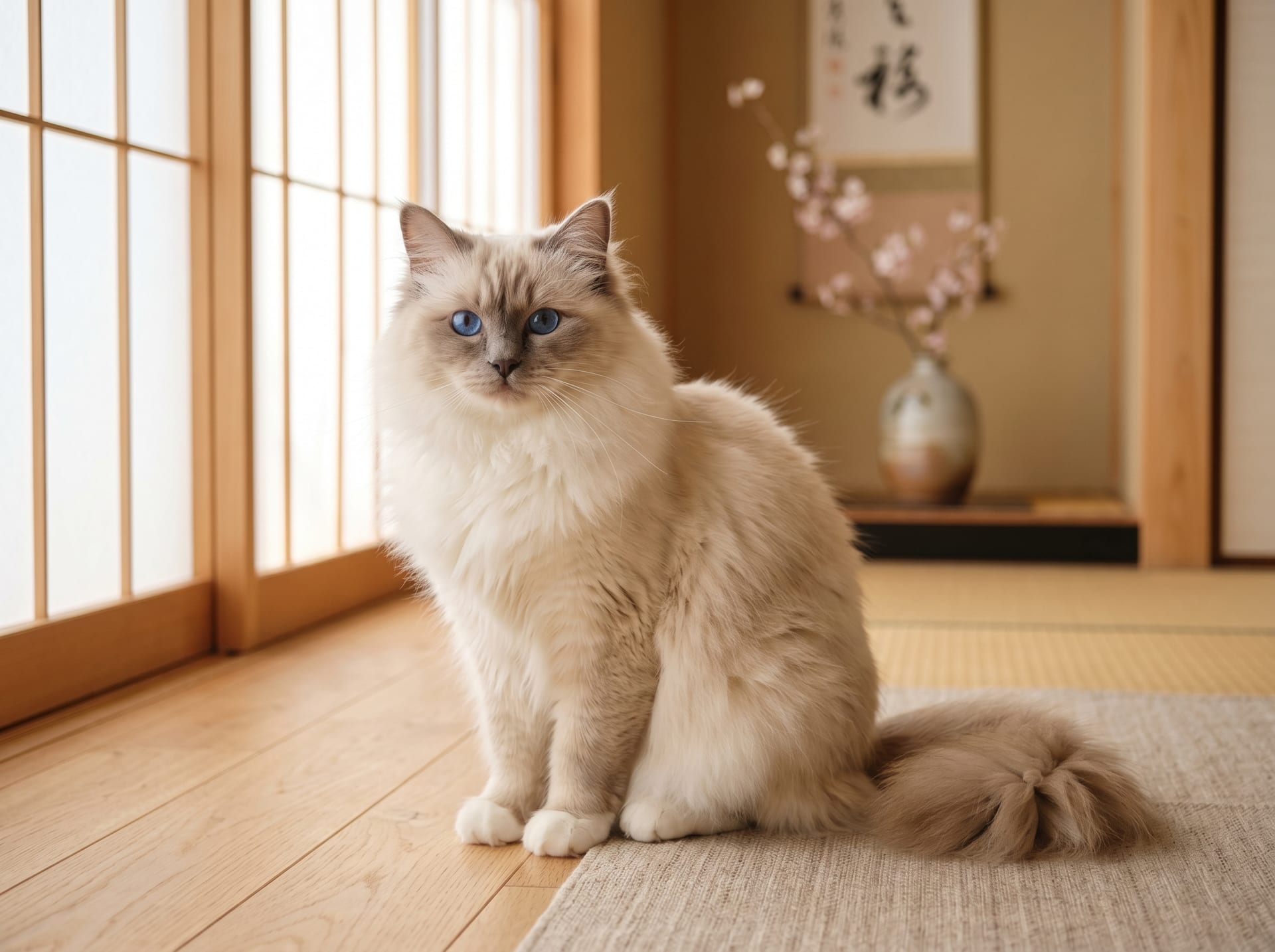
Birman
'Sacred cat' with pointed coat and white gloves on paws. Calm and gentle; quietly devoted to owner.
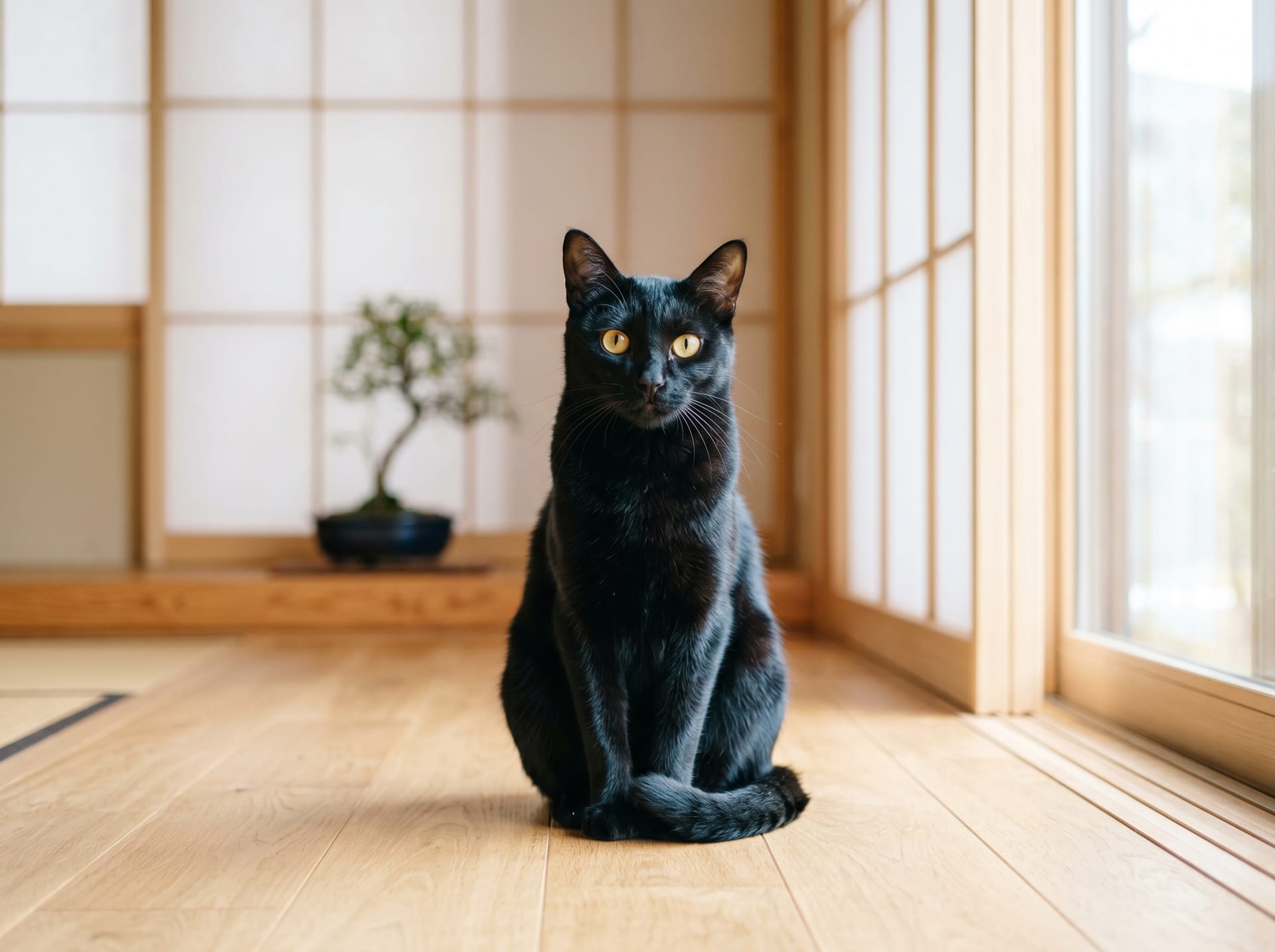
Bombay
Jet black coat like a miniature panther with large copper eyes. Extremely social and people-loving.
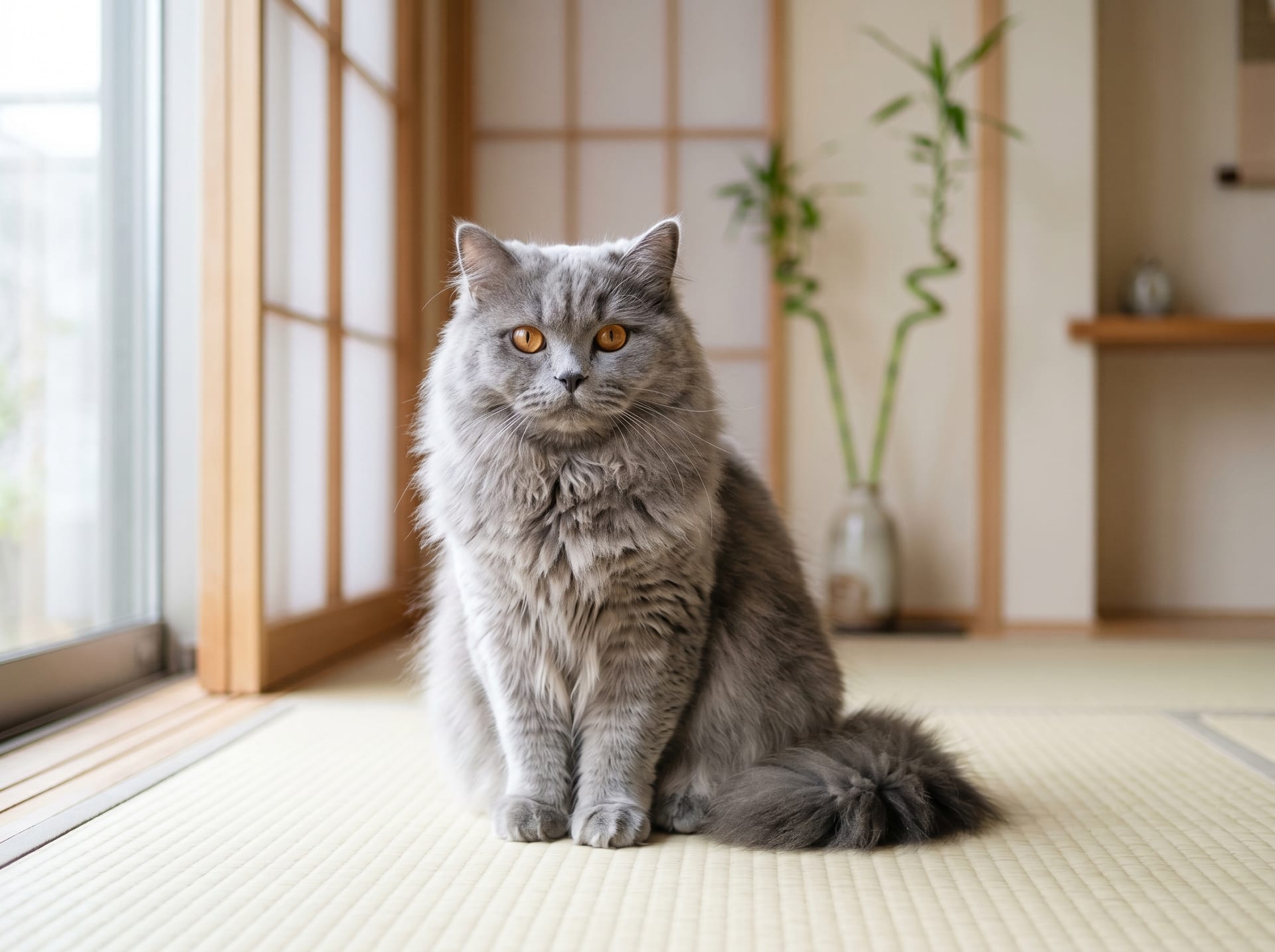
British Longhair
Longhaired version of British Shorthair. Round face, fluffy coat, and calm, composed temperament.
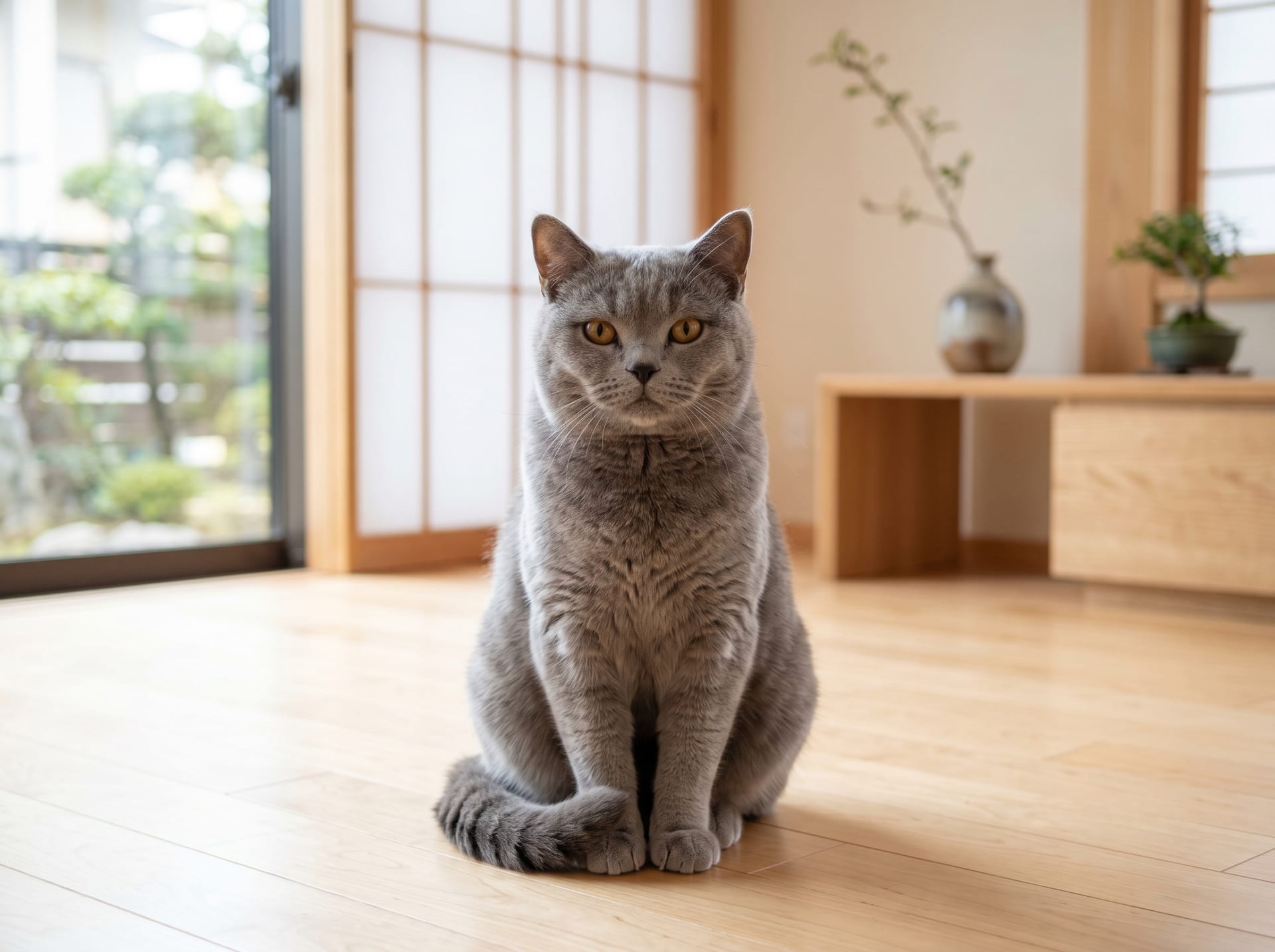
British Shorthair
Sturdy, round-faced breed with plush blue-grey coat. Calm and independent; prefers observing to being held.
 © Mikael Tigerström from Gothenburg, Sweden / CC BY 2.0
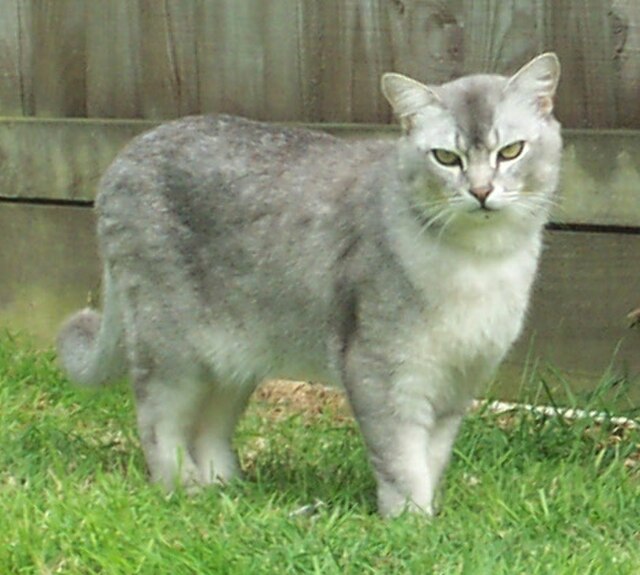
Burmese
Beautiful sable coat with round golden eyes. Extremely people-loving; called 'dog-like cat.'
 © David Johnson [1] / CC BY-SA 3.0
Burmilla
Accidental cross of Burmese and Chinchilla Persian. Beautiful silver-tipped coat with gentle temperament.
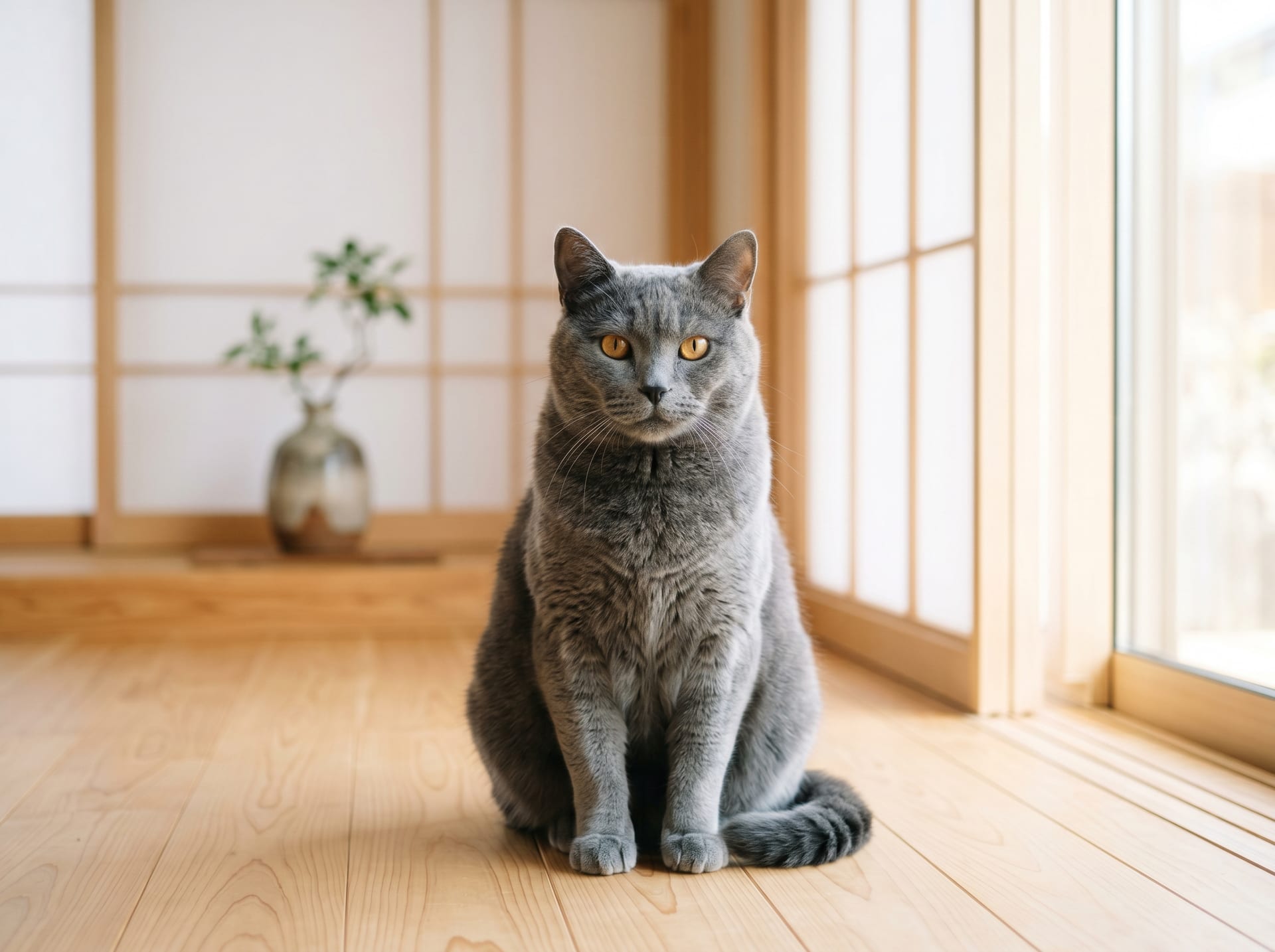
Chartreux
Blue-grey cat from French monasteries. Similar to Russian Blue but rounder with copper eyes. Calm and quiet.
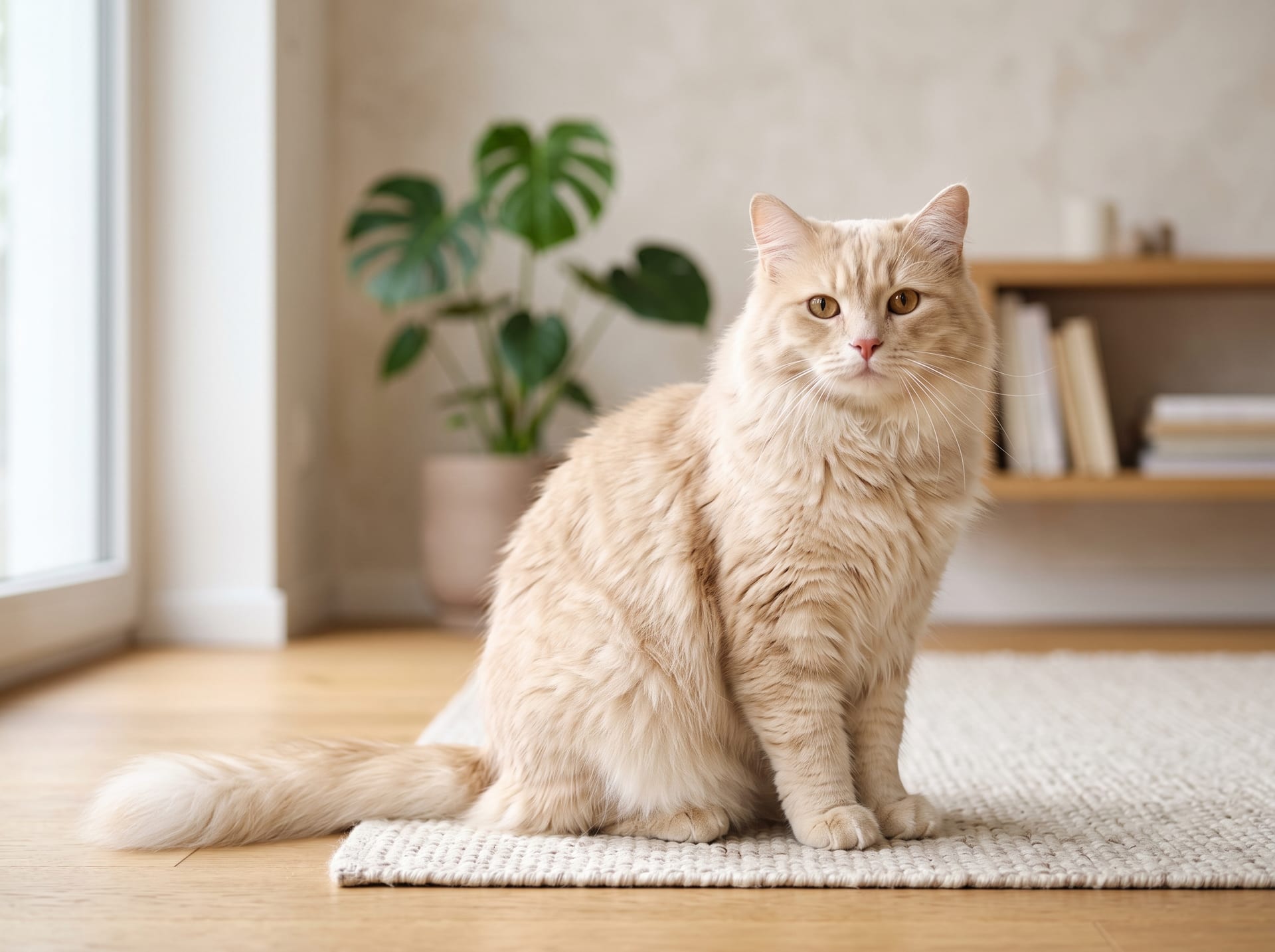
Cherubim
A rare TICA-registered breed described as a gentle, people-loving large longhair. Easygoing and calm, yet playful and fond of interactive games with the family.
 © Tessa / CC BY-SA 4.0
European Shorthair
Naturally occurring European breed, one of the oldest domestic cats in Europe. Hardy, adaptable, and well-proportioned.
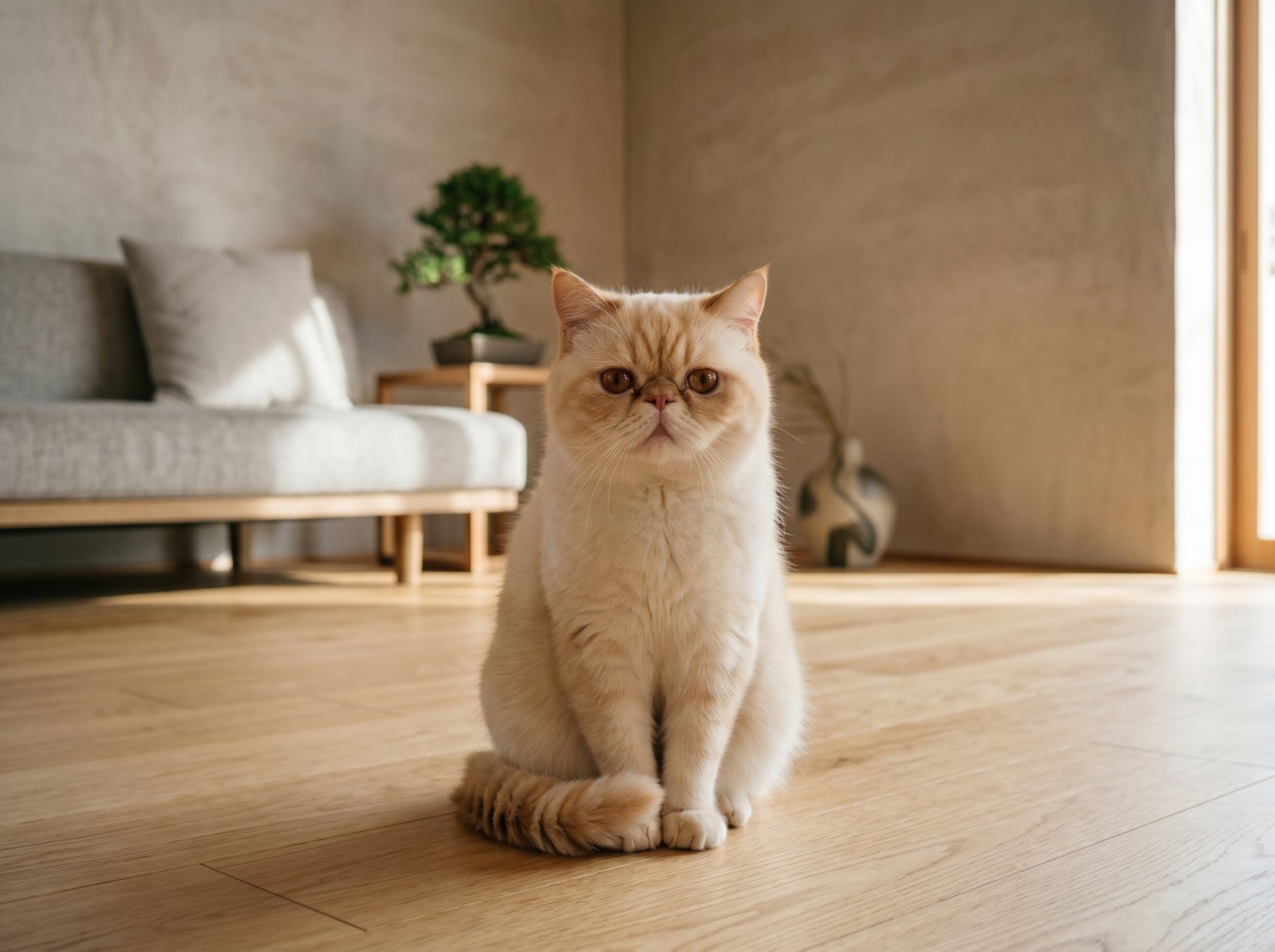
Exotic Shorthair
Short-haired Persian. Teddy bear-like flat face and round body. More active than Persian but still calm.
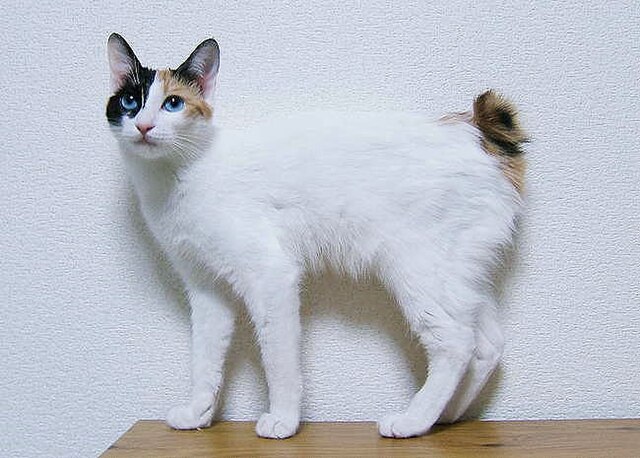 © ようてい / CC BY-SA 3.0
Japanese Bobtail
Japanese breed with pom-pom tail, model for 'maneki-neko' lucky cat. Social, active, with melodious voice.
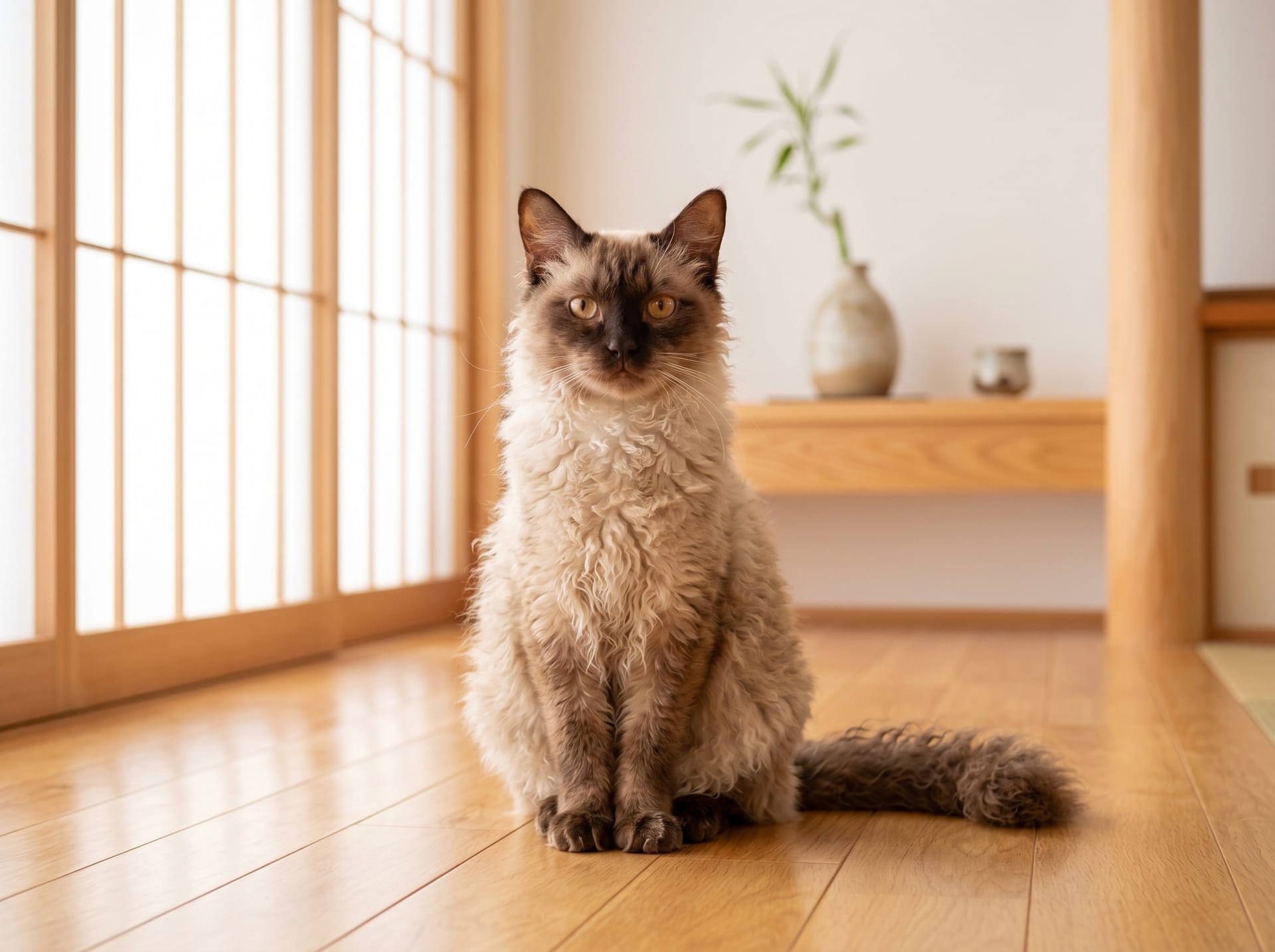
LaPerm
Unique naturally curly-coated breed. Gentle, affectionate, loves laps. Considered lower-allergen.
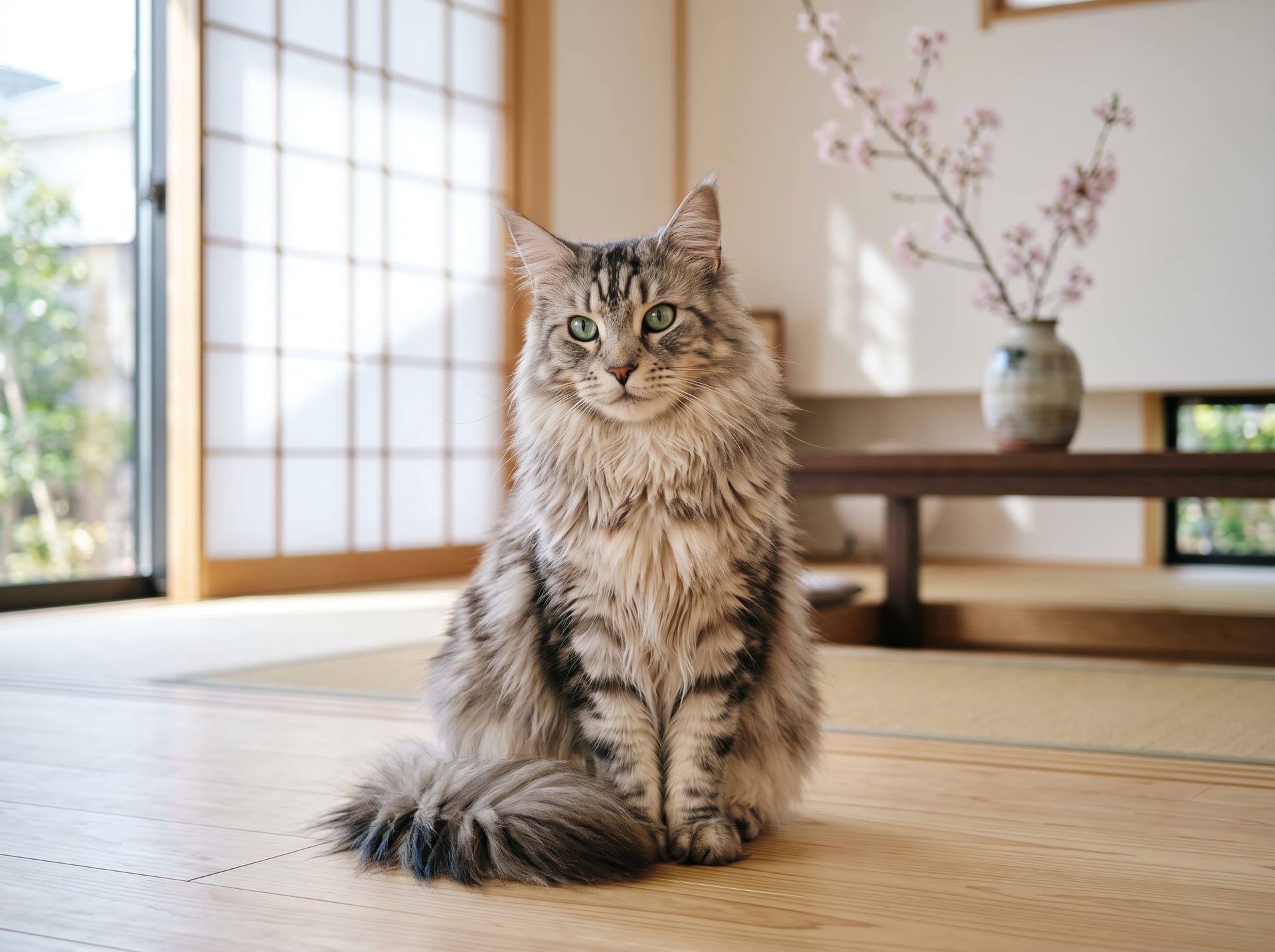
Maine Coon
Large semi-longhaired breed with a bushy tail and tufted ears. Dog-like personality; intelligent and playful.
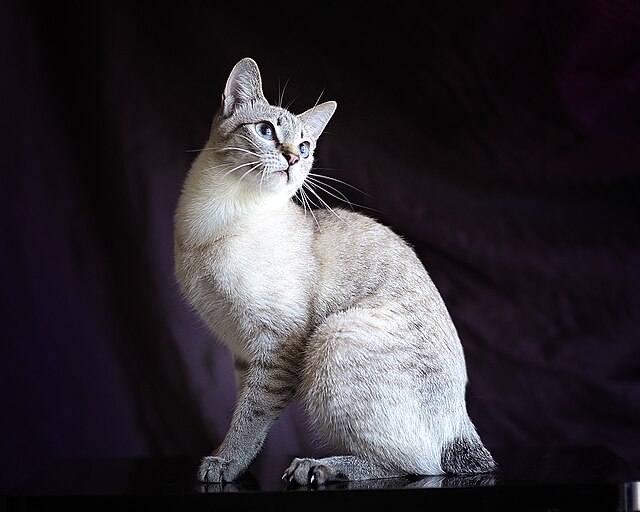 © Alex Opryatin / CC BY-SA 3.0
Mekong Bobtail
Southeast Asian short-tailed point-colored cat. Historically kept in Thai temples. Known for dog-like loyalty.
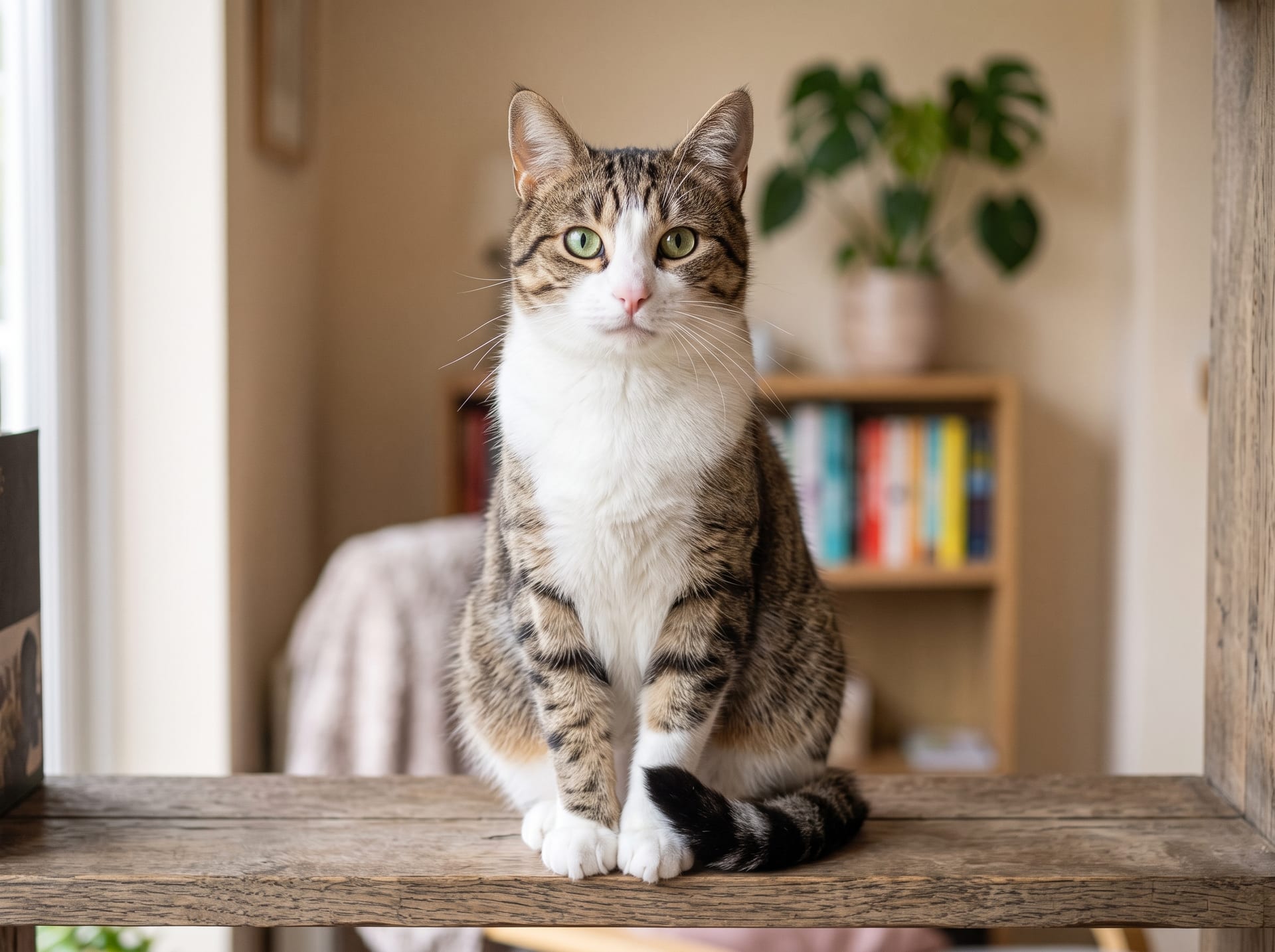
Mixed Breed Cat
Cats of mixed heritage with high genetic diversity. Often healthier than purebreds. Each one is uniquely individual.
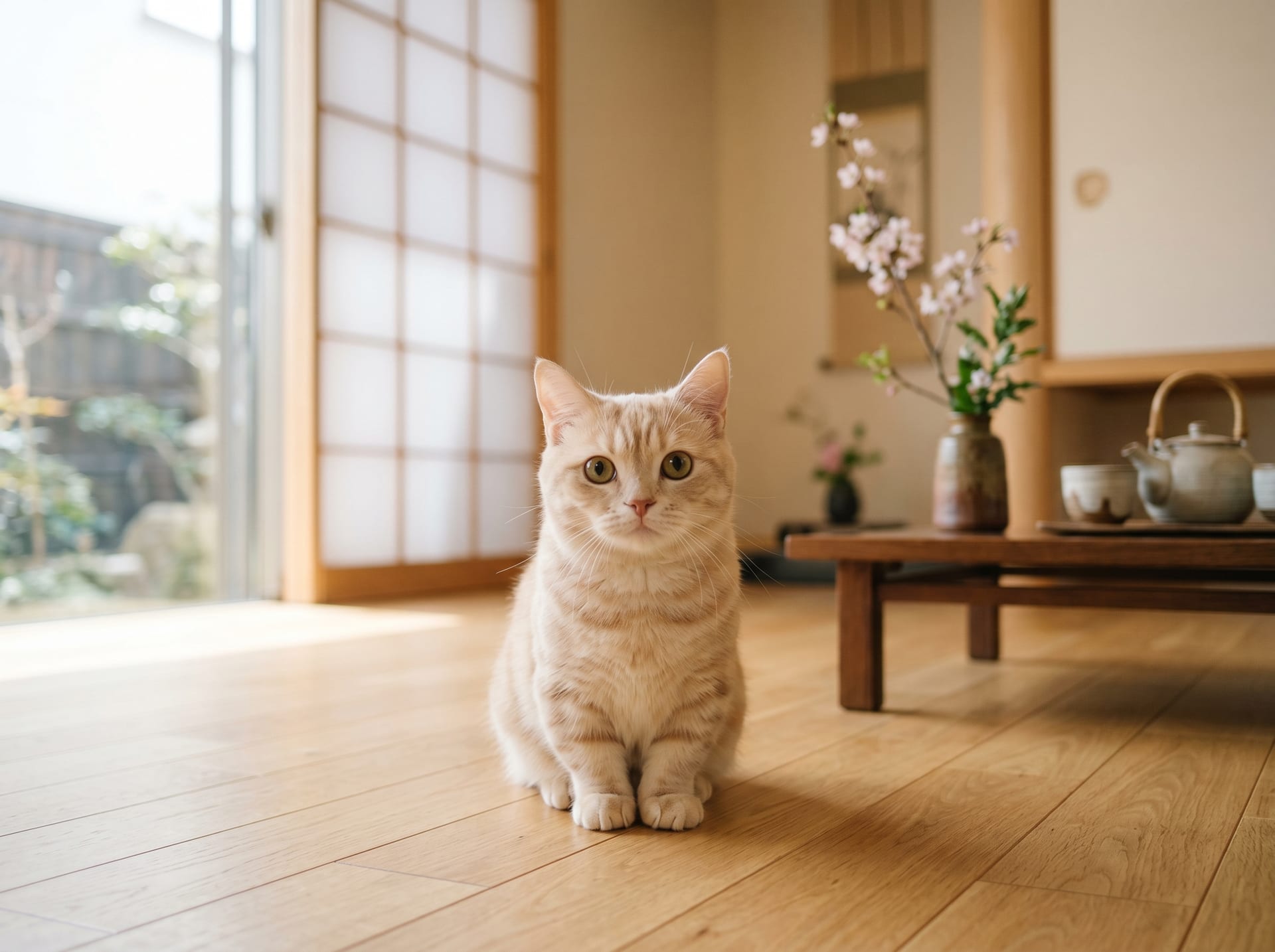
Munchkin
Unique short-legged breed that is surprisingly agile. Friendly, curious, and great with children and other pets.
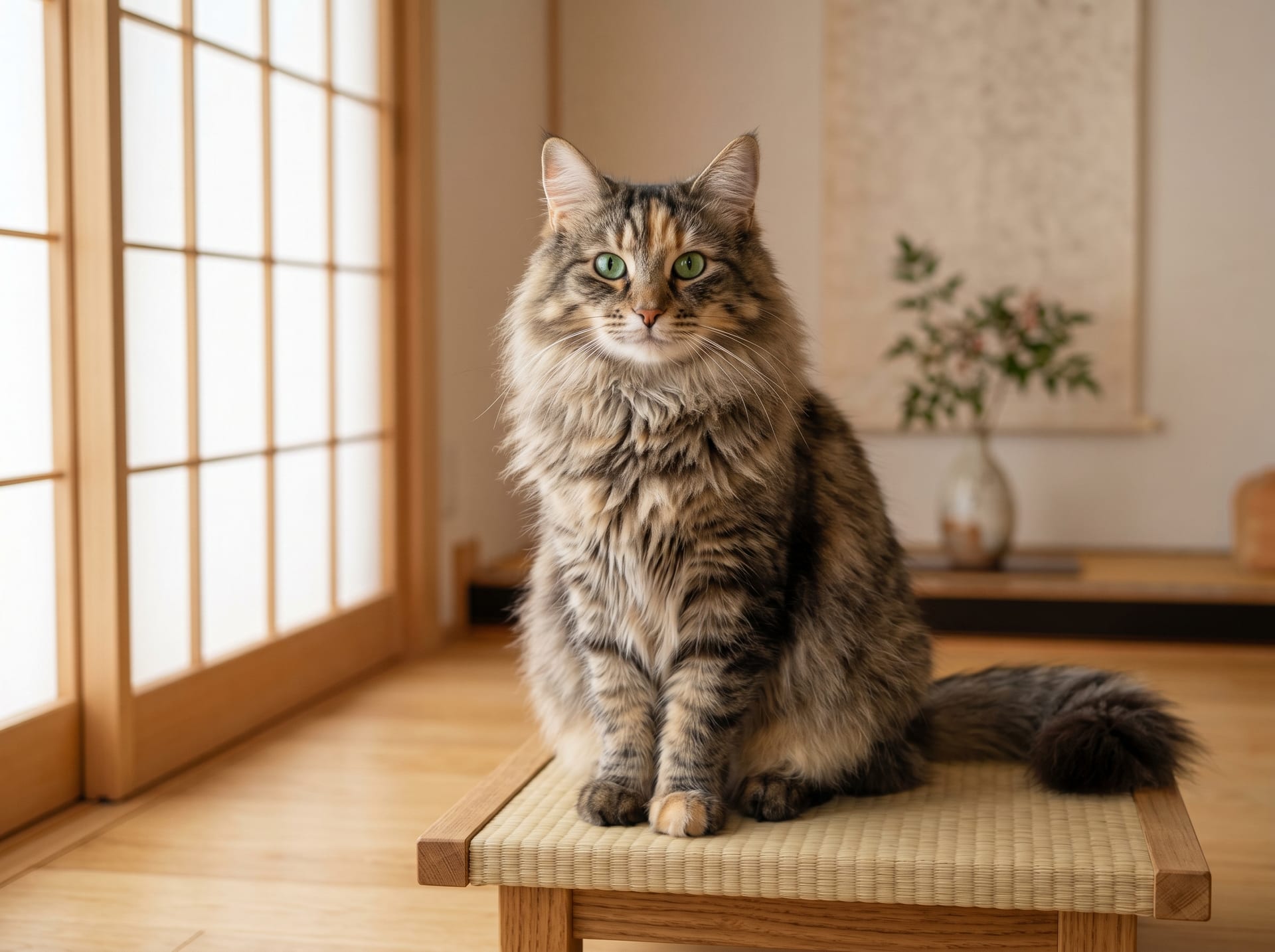
Norwegian Forest Cat
Large natural breed from Nordic forests. Waterproof thick coat with sturdy build. Calm, patient, and loyal.
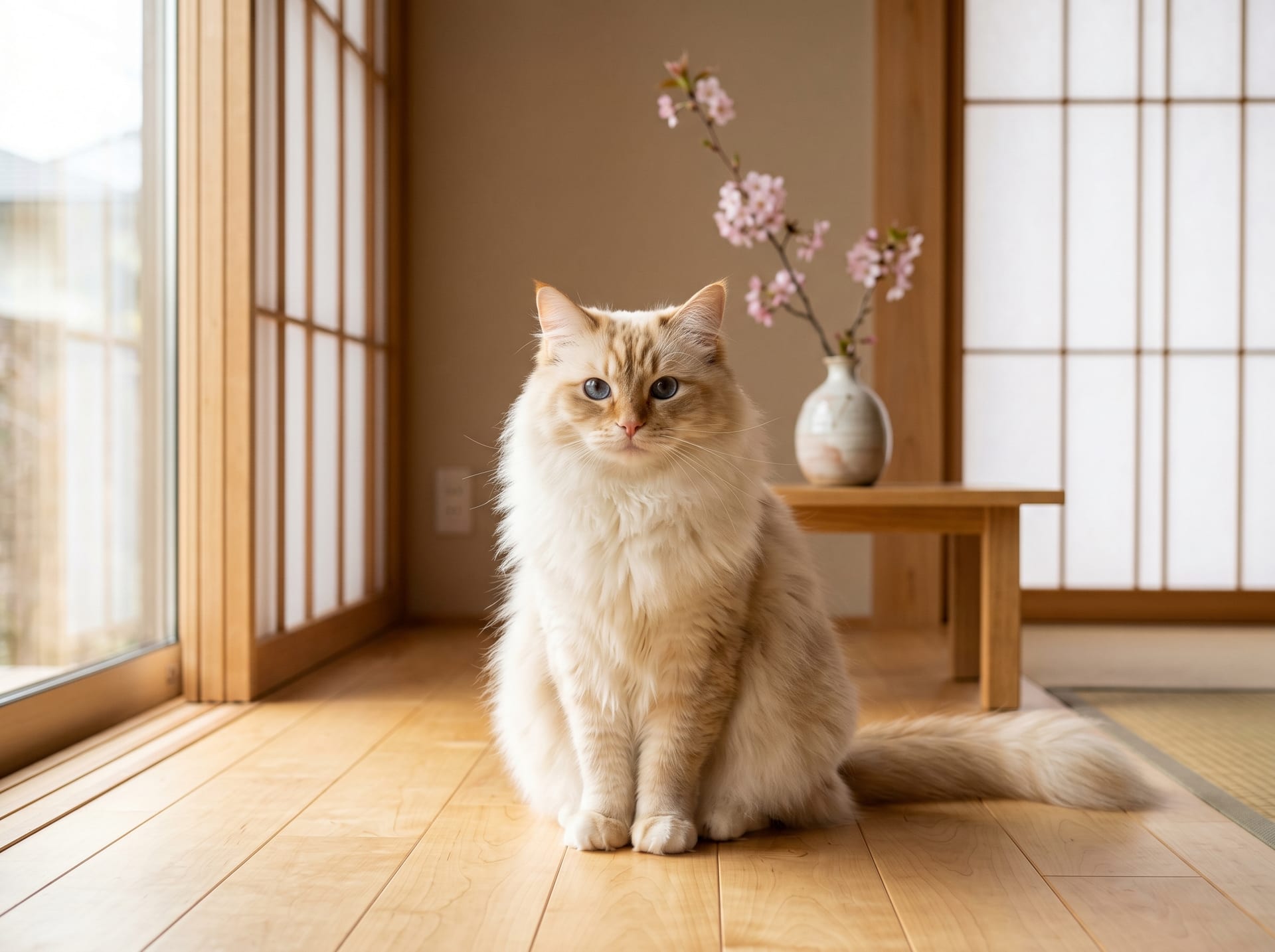
Ragamuffin
Ragdoll relative with more color patterns. Gentle, people-loving large cat who loves being held.
Cat FAQ
- How much do cats cost?
- Prices vary by breed. From breeders directly, Munchkins typically run 150,000-400,000 yen, Scottish Folds 150,000-350,000 yen, British Shorthairs 150,000-350,000 yen, and Ragdolls 150,000-400,000 yen, varying with coat and pedigree.
- What are the benefits of buying from a breeder?
- You can directly check the parent cats' temperament, health, and rearing environment. Under Japan's Animal Welfare Act, sellers must show the actual animal at their premises and give in-person written explanation of care and date of birth before handover. You can also confirm screening for hereditary conditions.
- At what age can I bring home a kitten?
- Under Japan's Animal Welfare Act, breeders cannot sell or hand over kittens until they are 56 days (8 weeks) old. Allowing enough socialization time with the mother and littermates is important for raising a healthy, people-friendly cat.
- How long do cats live?
- With proper indoor care, cats live around 15-20 years, and some individuals in certain breeds exceed 20 years. Regular checkups, dental care, and obesity prevention are keys to longevity.
- What do I need to prepare before getting a cat?
- Basics include a litter box and litter, food and bowls, a cat tower and scratching post, and a carrier. Escape-prevention measures and an early vet health check and vaccination plan after arrival are also important.