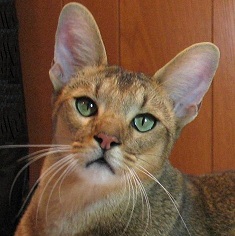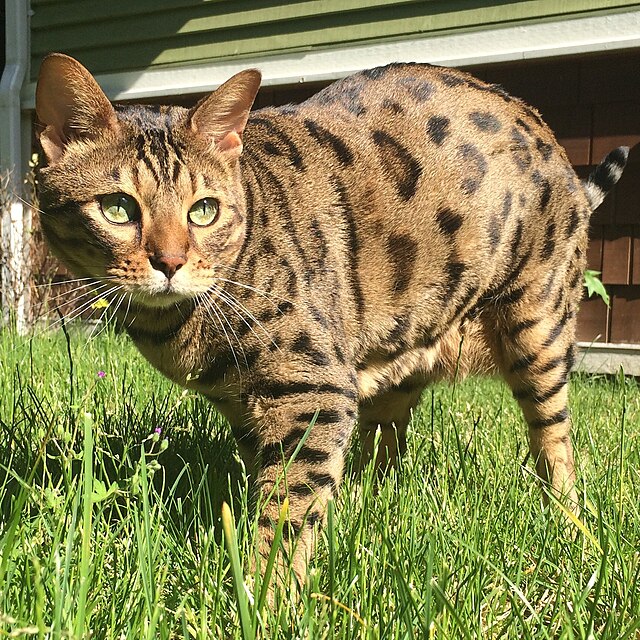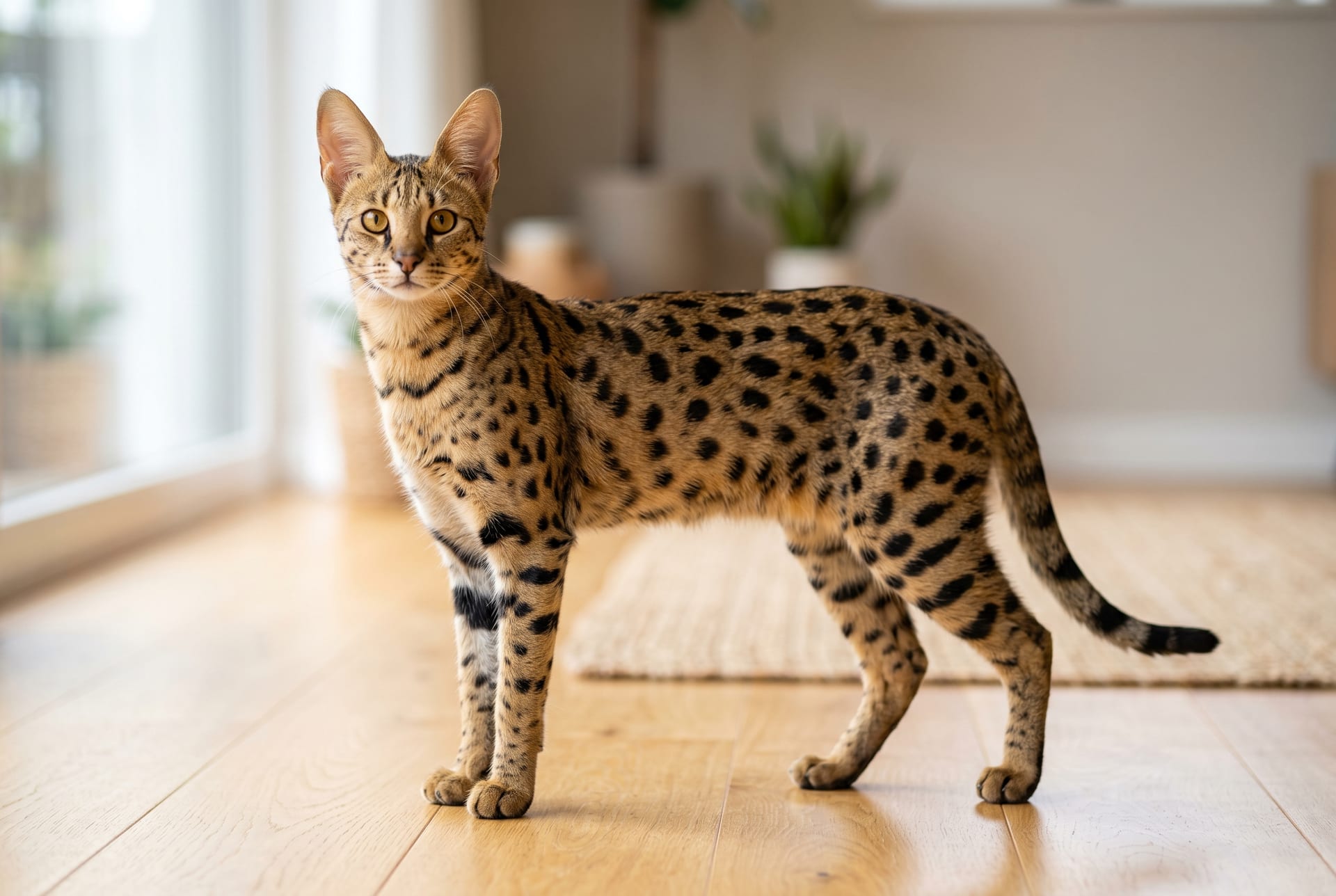
AI-generated image
Serengeti
IntermediateBengal and Oriental Shorthair cross. Serval-like long legs and large ears without wild cat ancestry.
Difficulty
Intermediate
Temperature
18〜28℃
Lifespan
10-15 years
Size
Weight 3.5-7kg
Diet
Cat food (complete nutrition)
About
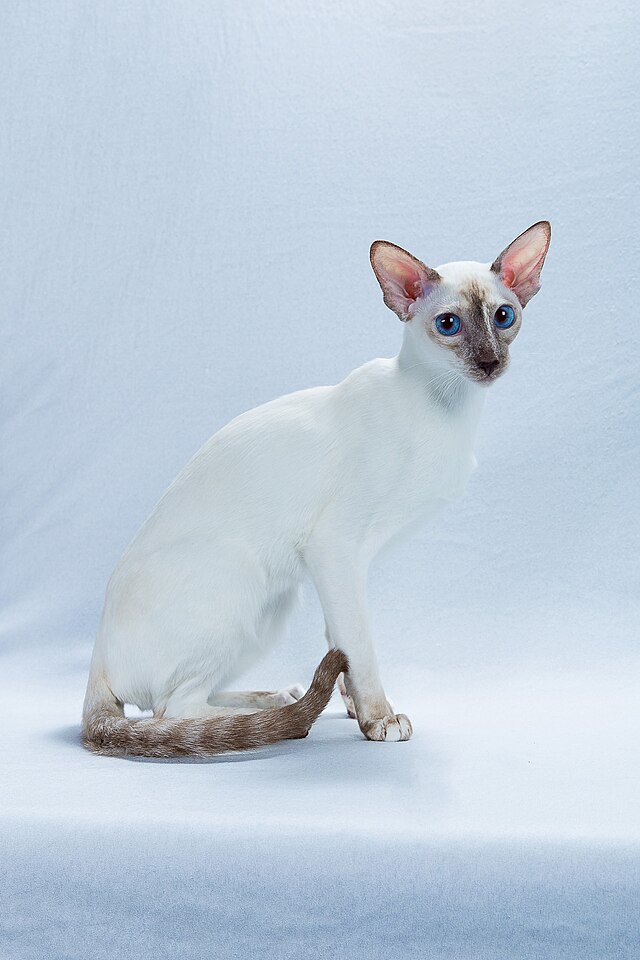
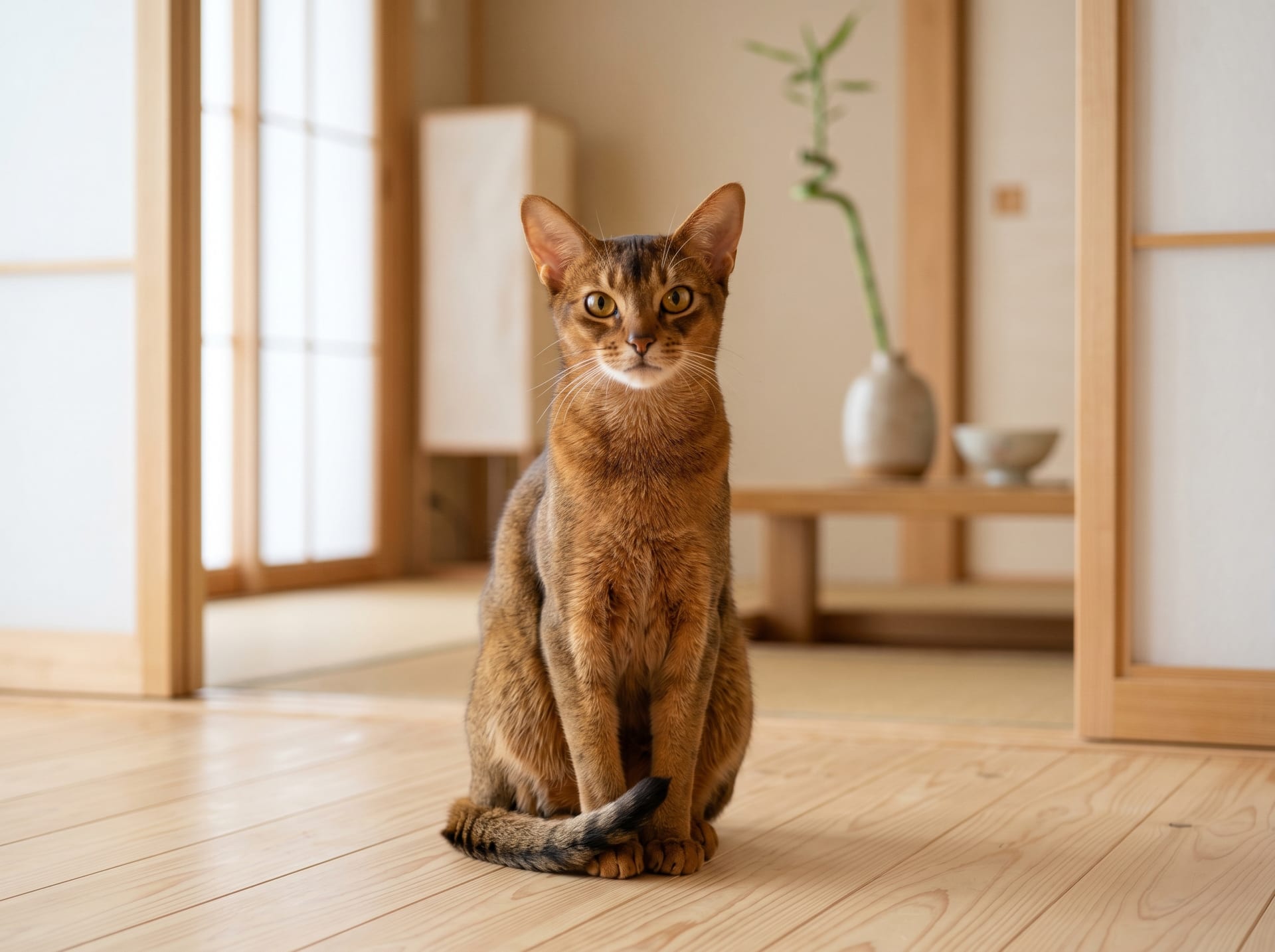
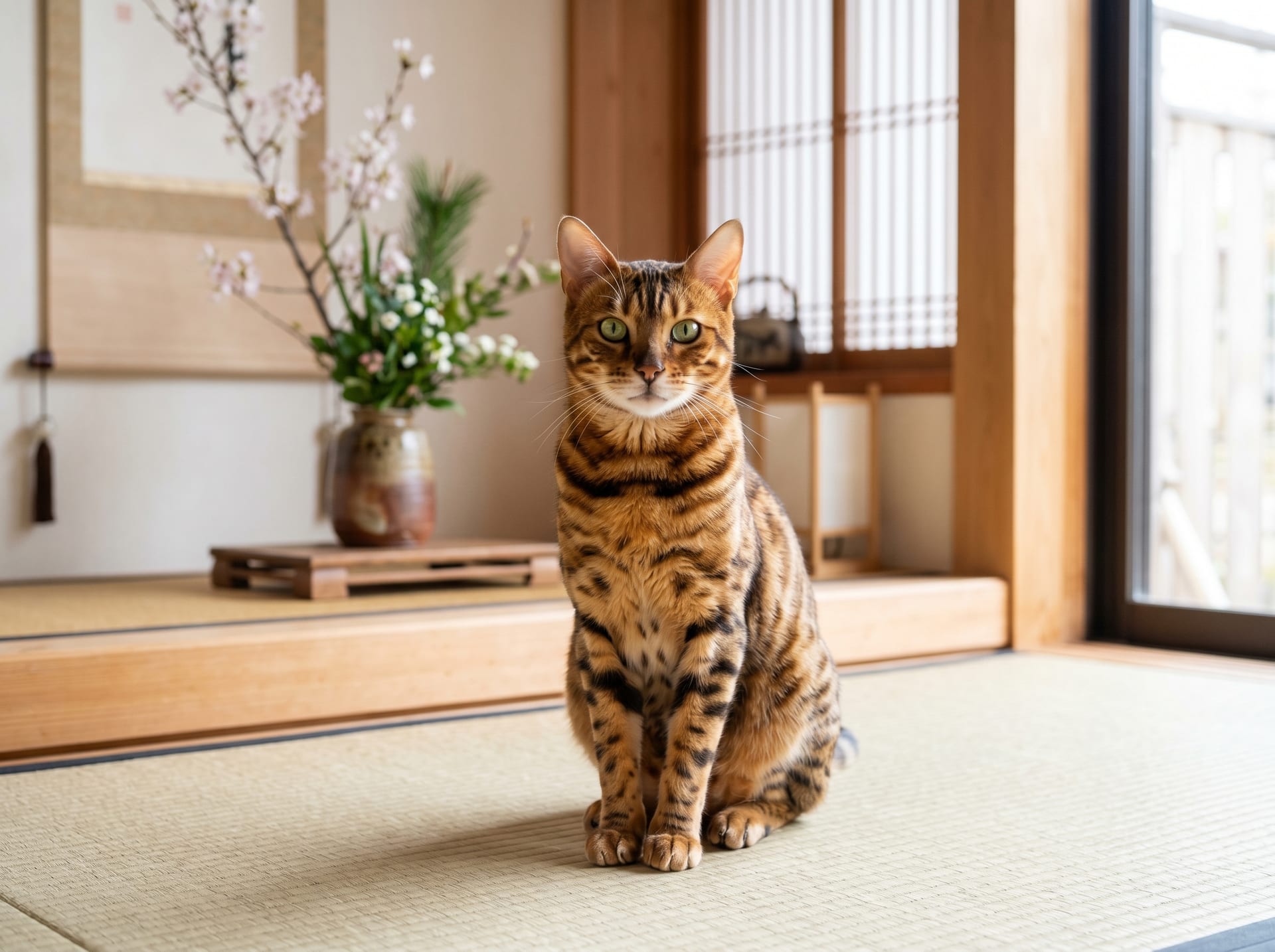
The Serengeti is a breed developed in the United States beginning in 1994 by zoologist Karen Sausman of California, created by crossing the Bengal with the Oriental Shorthair. The goal was to produce a cat resembling the African serval in appearance, without introducing any wild cat genetics. Serengetis are distinguished by their very long legs, large round ears, and spotted coat, giving them a serval-like silhouette. They are medium to large cats with a confident, active, and vocal temperament. They are highly active and love heights. The breed is registered with TICA as a preliminary new breed.
Lifespan of the Serengeti
The Serengeti lives 10-15 years.
Size of the Serengeti
The Serengeti grows to Weight 3.5-7kg.
Basic Info
Origin
United States
Lifespan
10-15 years
Size
Weight 3.5-7kg
Temperature
18〜28℃
Diet
Cat food (complete nutrition)
Care Guide
References & Sources
Edited & verified by: BreederDirect editorial team
The taxonomic, regulatory, and husbandry data on this page are compiled and verified against the authoritative primary sources below.
Primary sources
Taxonomy & Authority
Accepted name: Linnaeus, 1758
Synonyms: Felis silvestris catus
Authority databases: GBIF · GBIF: Felis catus · TICA breed profiles
Nomenclature follows global taxonomic authority databases.
Serengeti Listings
Loading latest listingsFind listings for this species