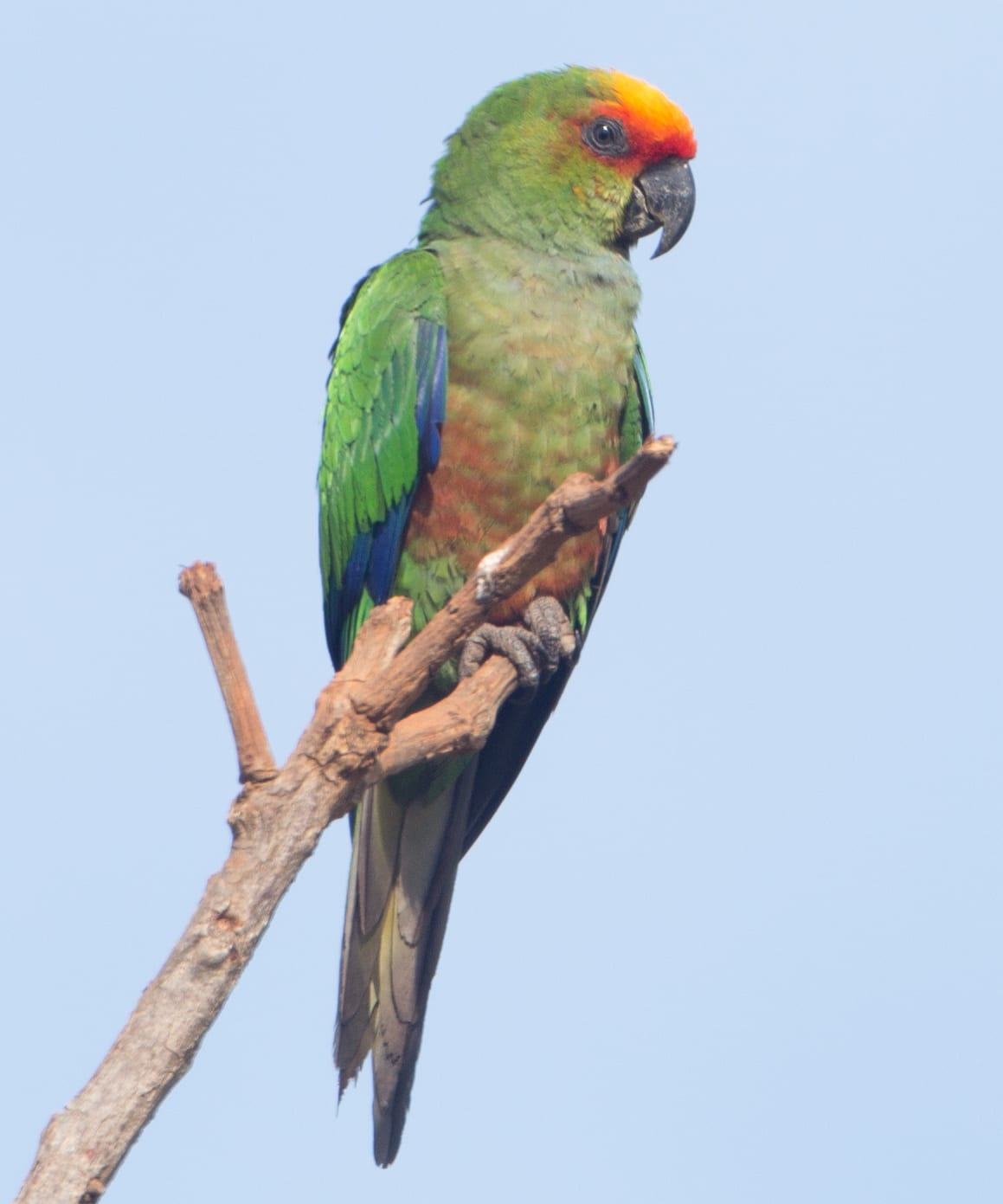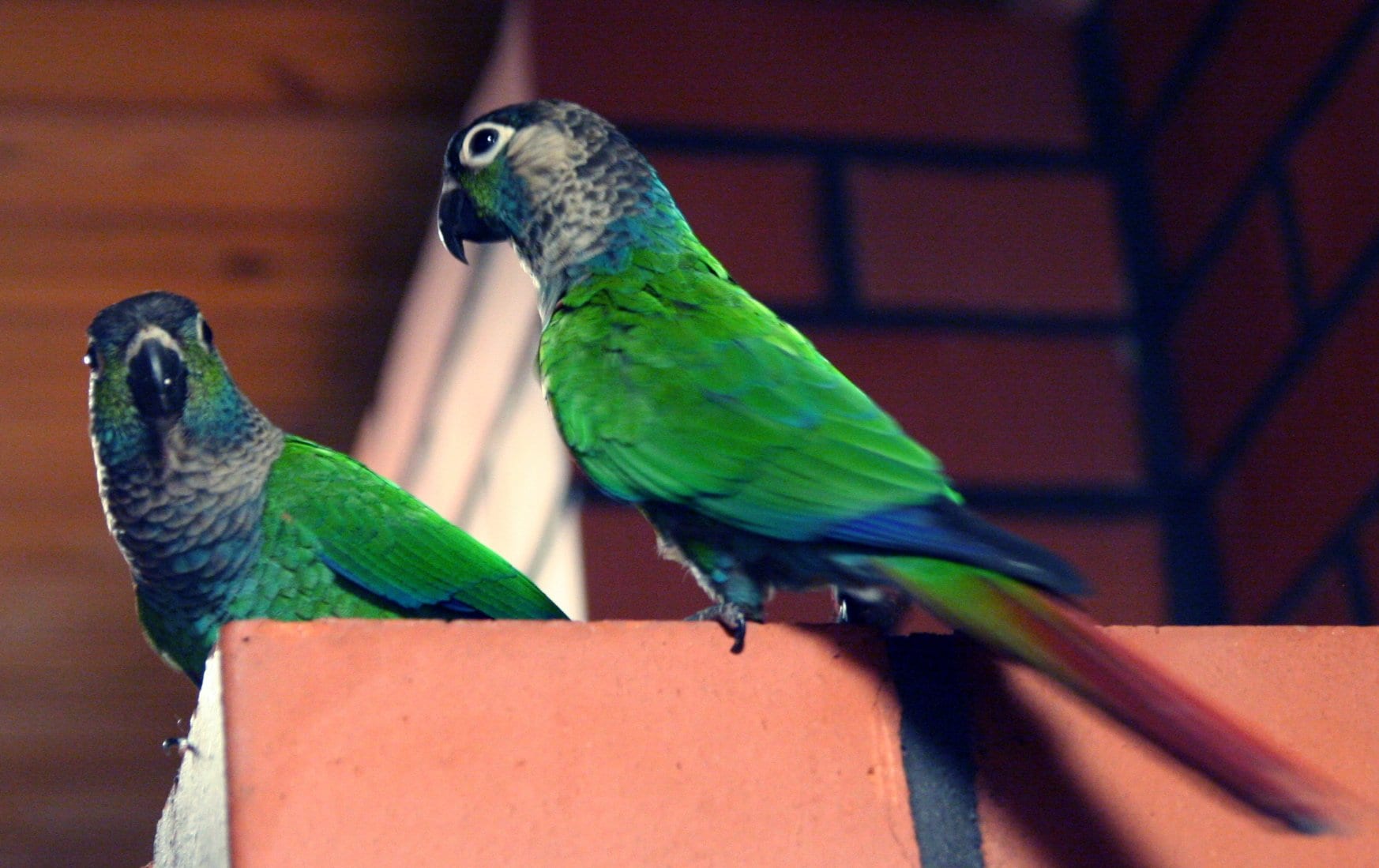
Source: Wikimedia Commons
Pearly Conure
IntermediatePyrrhura lepida
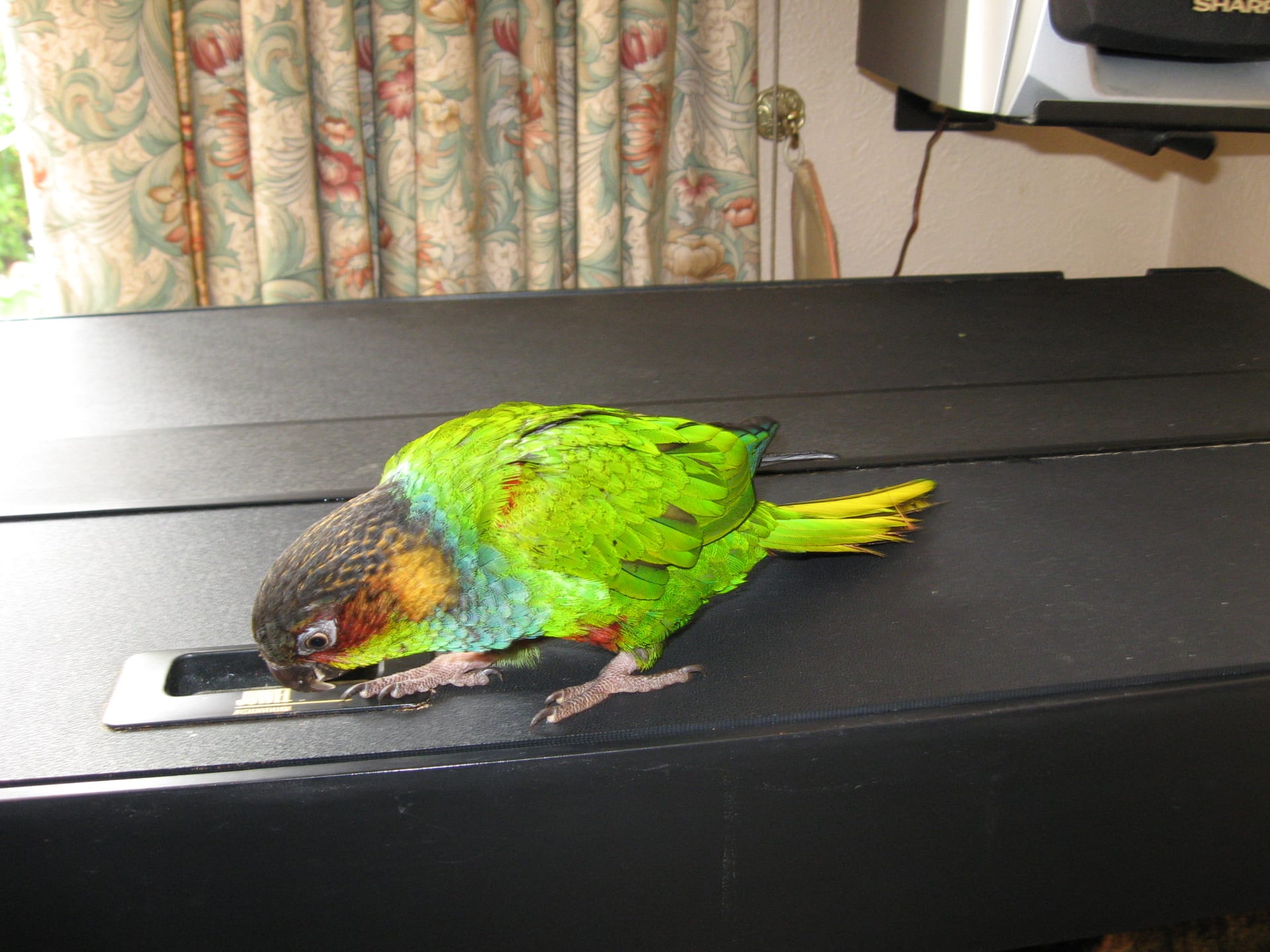
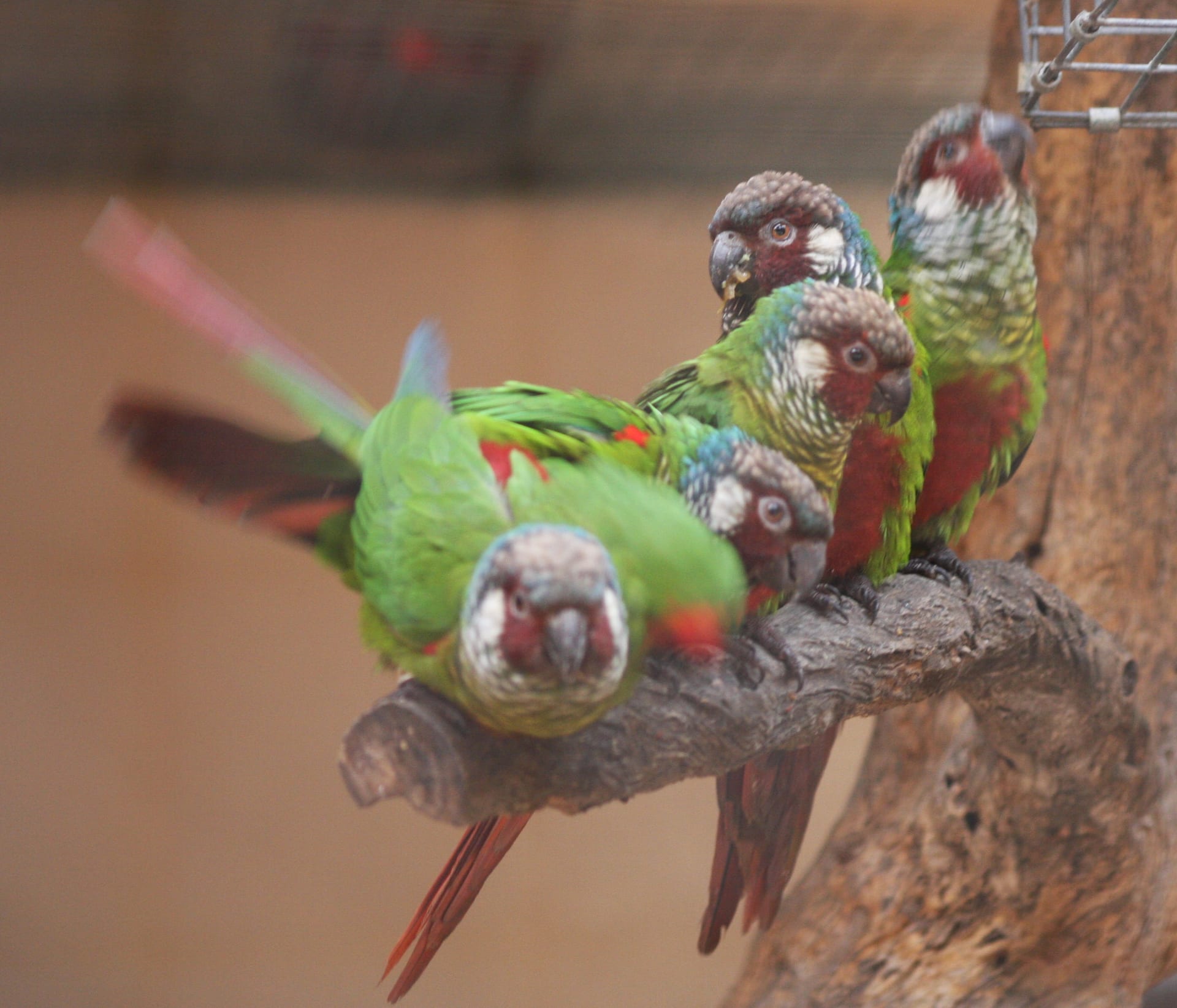
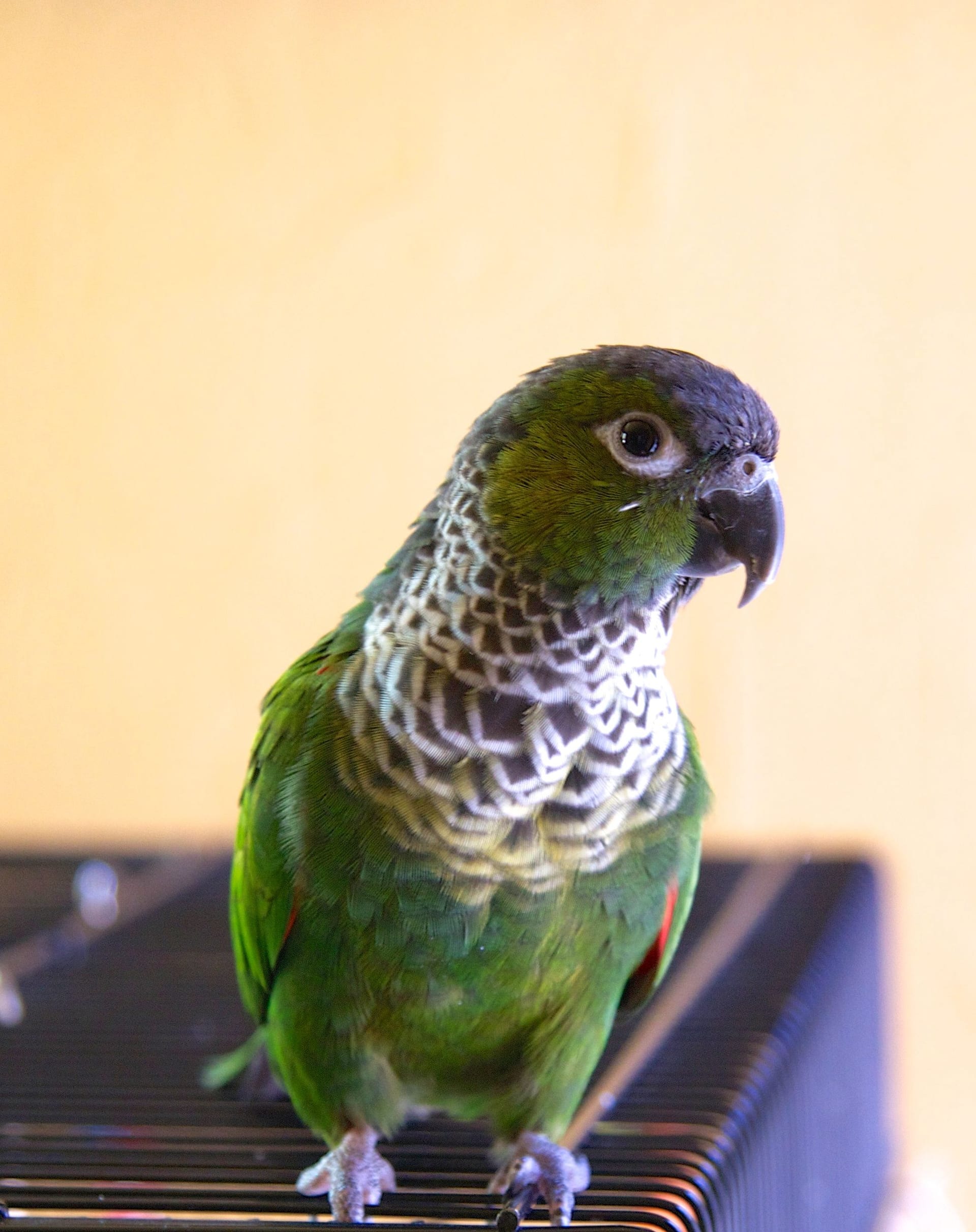
A Brazilian endemic Pyrrhura conure with pearl-like pale scaling across the breast. A review in the 1980s exchanged its scientific name with that of the crimson-bellied conure, and it is assessed as Vulnerable.
Difficulty
Intermediate
Temperature
15〜30℃
Lifespan
20+ years
Size
About 24cm
Humidity
40〜60%
Diet
Pellet-based diet, seed mix, fruit, vegetables
About
The pearly conure (Pyrrhura lepida) is endemic to the eastern Amazon of Brazil. Three subspecies are recognised alongside the nominate: coerulescens and anerythra. Its nomenclature is tangled: the species was formerly called Pyrrhura perlata, but a review found that the type specimen of that name was a juvenile of the closely related crimson-bellied conure, so perlata moved to that species and lepida was adopted for this one. Habitat loss has led the IUCN to assess it as Vulnerable.
Source: Wikipedia (CC BY-SA 4.0)
Lifespan of the Pearly Conure
The Pearly Conure lives 20+ years.
It is rare in captivity; the World Parrot Trust recommends housing at least 2 m long, and captive lifespan exceeds 20 years.
Size of the Pearly Conure
The Pearly Conure grows to About 24cm.
It is about 24 cm long and weighs around 70 g, and the pale, pearl-like scaling across the breast gives the bird its name.
Basic Info
Origin
Brazil (the eastern Amazon)
Lifespan
20+ years
Size
About 24cm
Temperature
15〜30℃
Care Specifications
References & Sources
Edited & verified by: BreederDirect editorial team
The taxonomic, regulatory, and husbandry data on this page are compiled and verified against the authoritative primary sources below.
Taxonomy & Authority
Accepted name: Pyrrhura lepida (Wagler, 1832)
Synonyms: Pyrrhura perlata perlata
Authority databases: GBIF
Nomenclature follows global taxonomic authority databases.
Regulations & Conservation Status
CITES Appendix IIIUCN VU · Vulnerable
Pyrrhura lepida. The order Psittaciformes is listed as a whole in CITES Appendix II.
Sources: CITES Appendices (Psittaciformes spp. listed in Appendix II) / IUCN Red List
Regulations may change. Always verify the latest information with the relevant authorities.
Pearly Conure Listings
Loading latest listingsFind listings for this species