Watchman Goby Complete Care Guide | Sand Substrate, Tank Mates, Food, Breeding
Complete guide to caring for Watchman Gobies (Yellow Watchman Goby and other species in genus Cryptocentrus). Covers sand substrate requirements, symbiosis with pistol shrimp, feeding tips, tank selection, and breeding—all explained clearly for beginners.
Key Takeaways
Complete guide to caring for Watchman Gobies (Yellow Watchman Goby and other species in genus Cryptocentrus). Covers sand substrate requirements, symbiosis with pistol shrimp, feeding tips, tank selection, and breeding—all explained clearly for beginners.
Related Species
Watchman Goby Overview
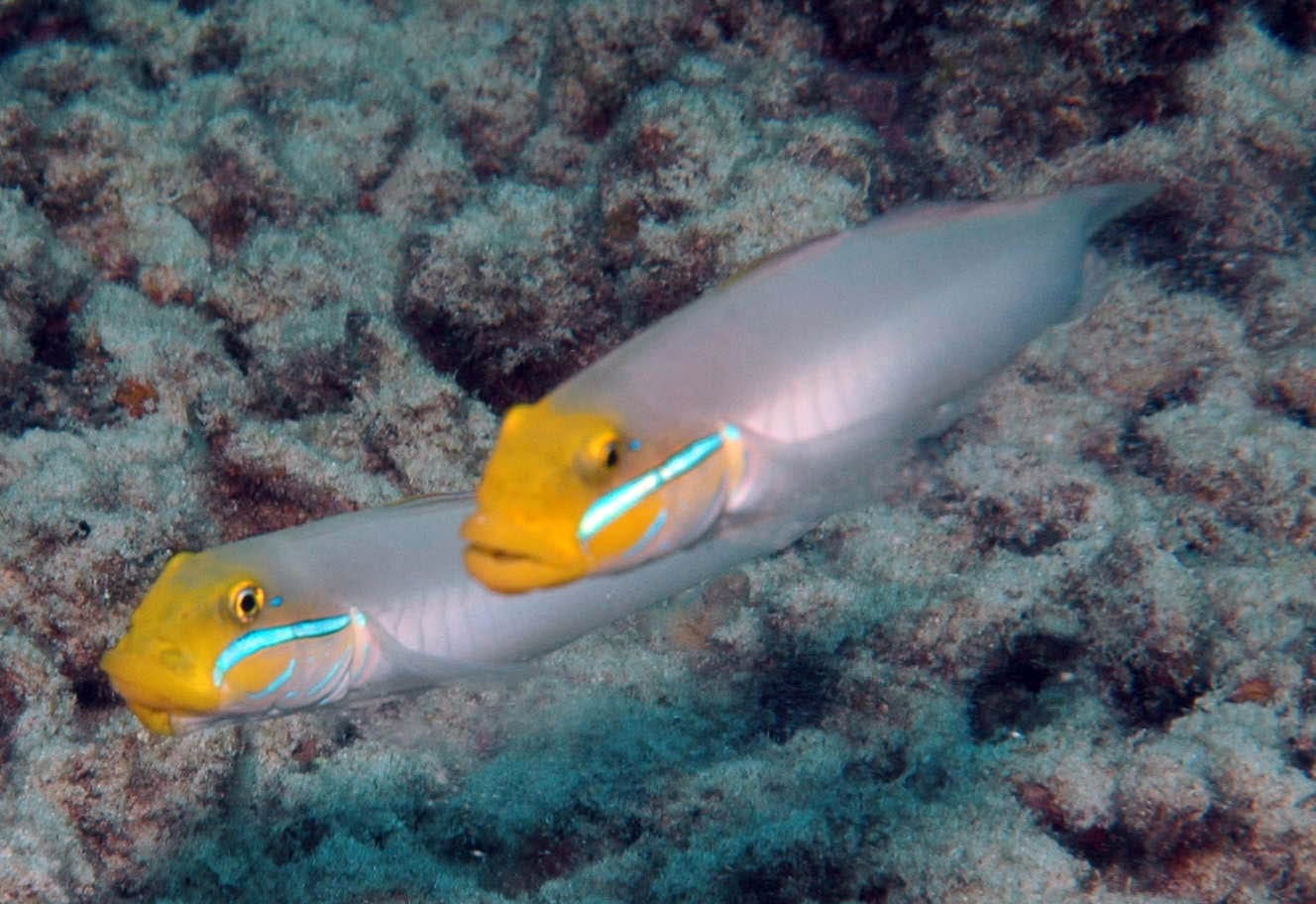
"Watchman Goby" is a collective term for gobies named for their behavior of standing watch over their surroundings from the sand substrate. Representative species include:
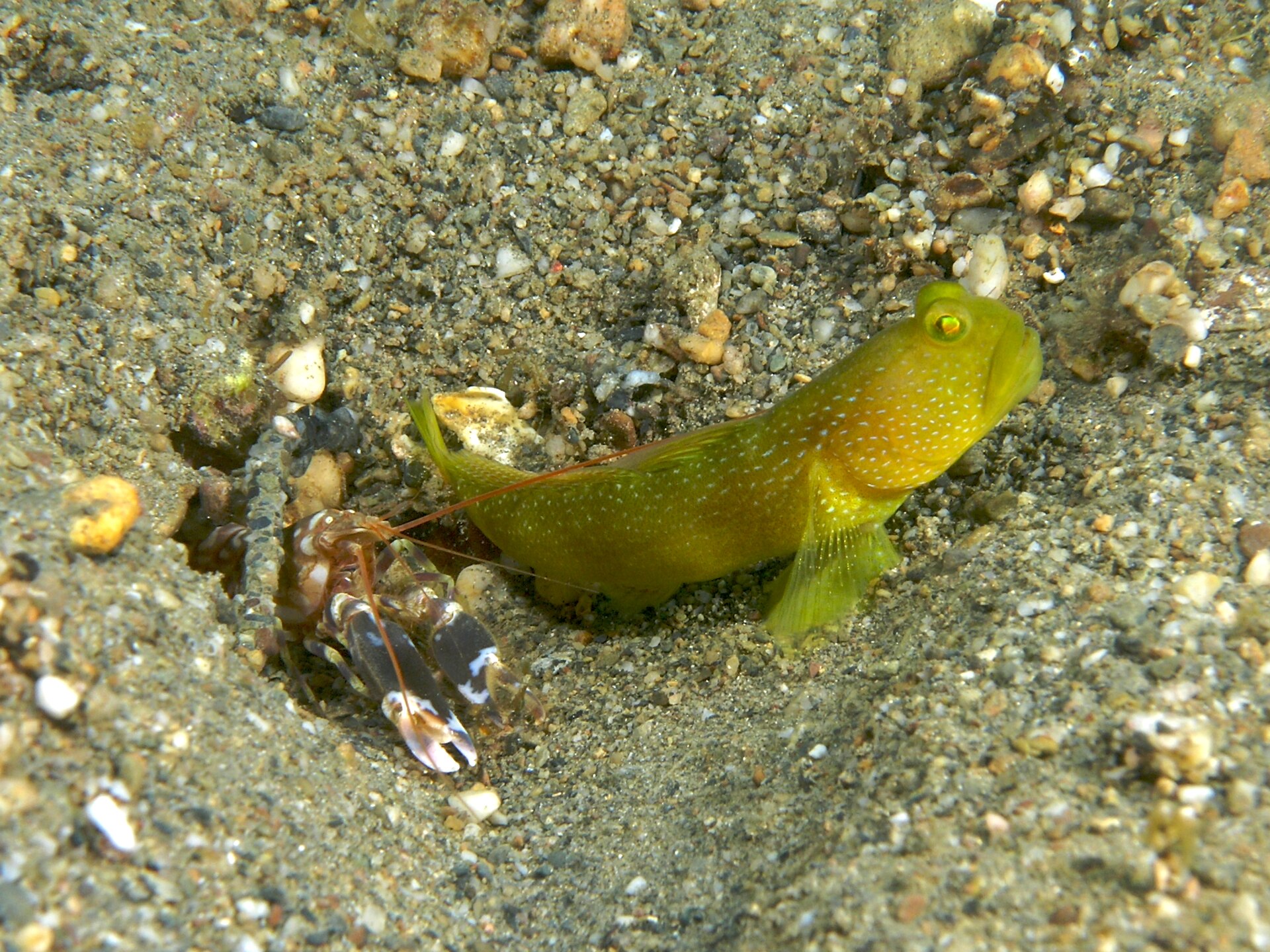
- Yellow Watchman Goby (Cryptocentrus cinctus) (also called Prawn Goby): Yellow (or grayish-brown) body with pale blue spots
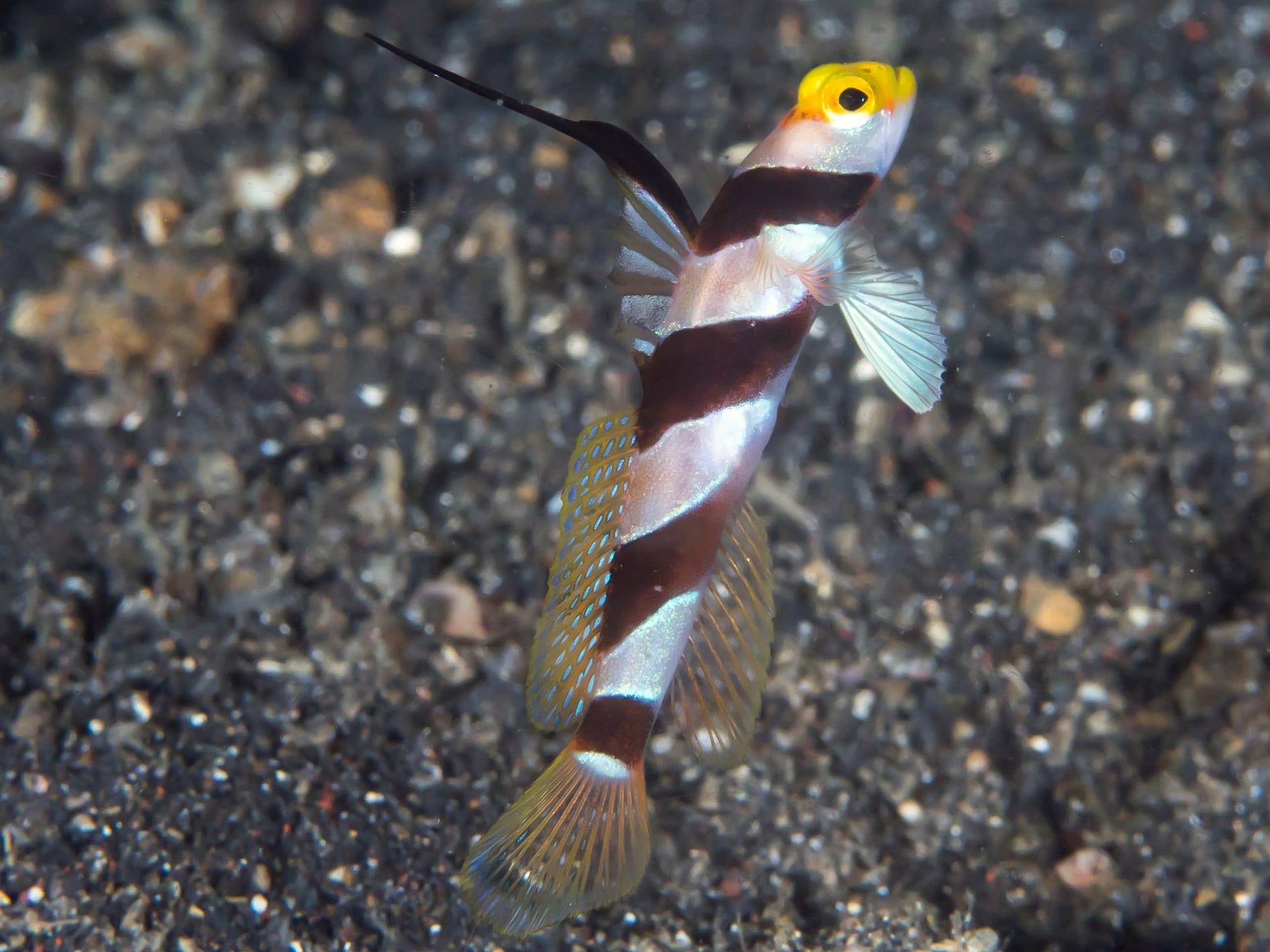
- Flagfin Prawn Goby (Stonogobiops nematodes): White body with black diagonal stripes, yellow head, and elongated dorsal fin
This guide focuses primarily on the Yellow Watchman Goby and covers general care information.
Basic Information
| Item | Details |
|---|---|
| Scientific Name | Cryptocentrus cinctus, etc. |
| English Name | Yellow Watchman Goby |
| Distribution | Indian Ocean to Western Pacific |
| Length | Approximately 7–10 cm |
| Difficulty Level | Beginner to Intermediate |
| Optimal Temperature | 23–27°C |
| Optimal Specific Gravity | 1.023–1.026 |
Tank Setup and Environmental Conditions
Tank Size
Watchman Gobies are bottom-dwelling fish with a natural behavior of digging burrows in the sand for shelter. For a single fish, a 60 cm tank or larger is recommended. It's important to provide adequate sand bed area.
Choosing Your Substrate
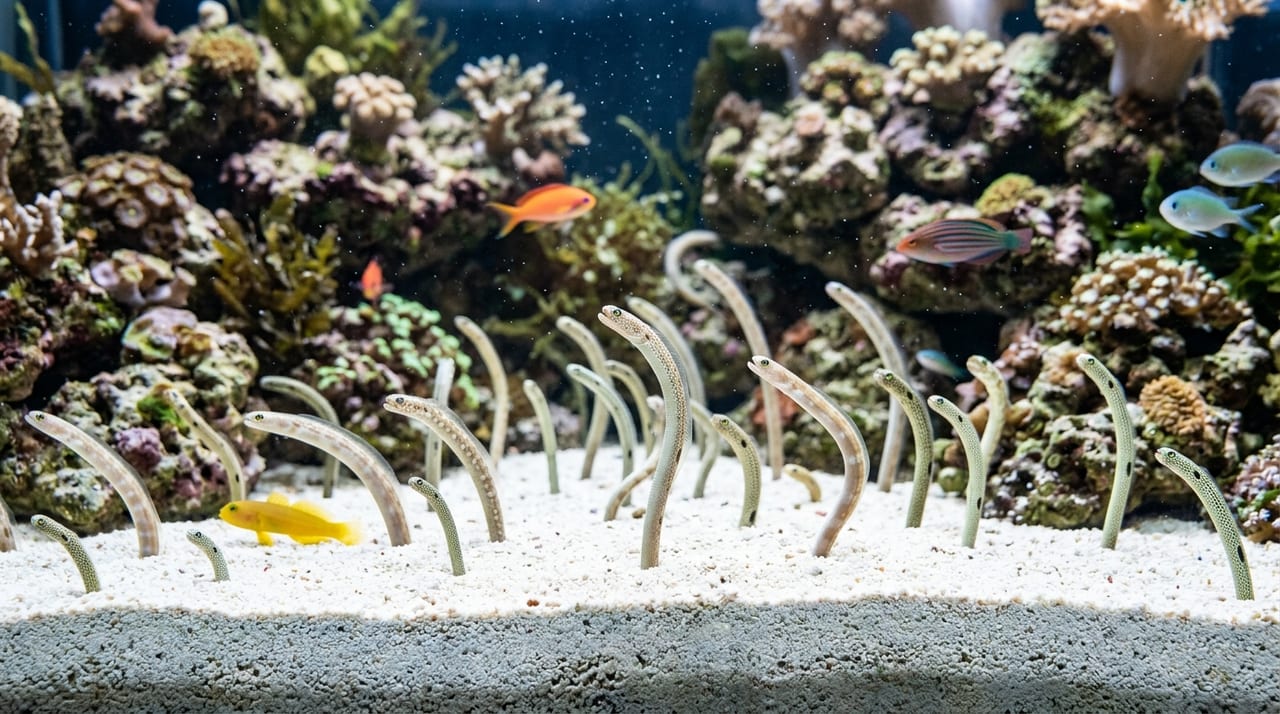
This is the most important point. Watchman Gobies use their mouths to move sand and create and maintain burrows. Unlike sand-sifting gobies such as the Yellowhead Jawfish (Valenciennea strigata), which sift through sand to find food, Watchman Gobies need sand to construct burrows—without it they experience significant stress. The following substrate materials are suitable:
- Aragonite Sand (Coral Sand): Creates a natural environment and helps supply calcium
- Live Sand: Rich in beneficial bacteria and contributes to stable water quality
- Fine to Medium White Sand: Ideal grain size is approximately 1–3 mm
Provide a sand bed depth of 5–8 cm or more to allow natural burrowing behavior and reduce stress. Keeping them in bare-bottom tanks is not recommended.
Symbiosis with Pistol Shrimp
Watchman Gobies are also called "Guardian Gobies" and are famous for their symbiotic relationship with pistol shrimp, which have poor eyesight. In this partnership, the shrimp digs the burrow while the goby stands guard—this symbiosis can be recreated in captivity.
Recommended symbiotic shrimp:
- Alpheus randalli (Randall's Pistol Shrimp)
- Alpheus ochrostriatus
Introducing both at the same time, or adding the shrimp first and then the goby, makes the symbiosis more likely to establish.
Feeding
Diet
Watchman Gobies are carnivorous, eating small crustaceans and other micro-organisms that drift near the entrance of their burrow.
Recommended foods:
- Frozen copepods and mysis shrimp
- Frozen brine shrimp (enriched)
- Fine pellets (sinking type)
- Frozen krill (finely chopped)
Foods that sink elicit more natural feeding behavior than floating foods. Watching them dart out from the burrow, grab food, and quickly retreat is endlessly entertaining.
Feeding Frequency
Feed twice daily, offering only as much as they can consume in 2–3 minutes. If the live sand contains abundant microfauna, supplemental feeding alone is sufficient to maintain health.
Tank Mate Compatibility
Compatible Fish
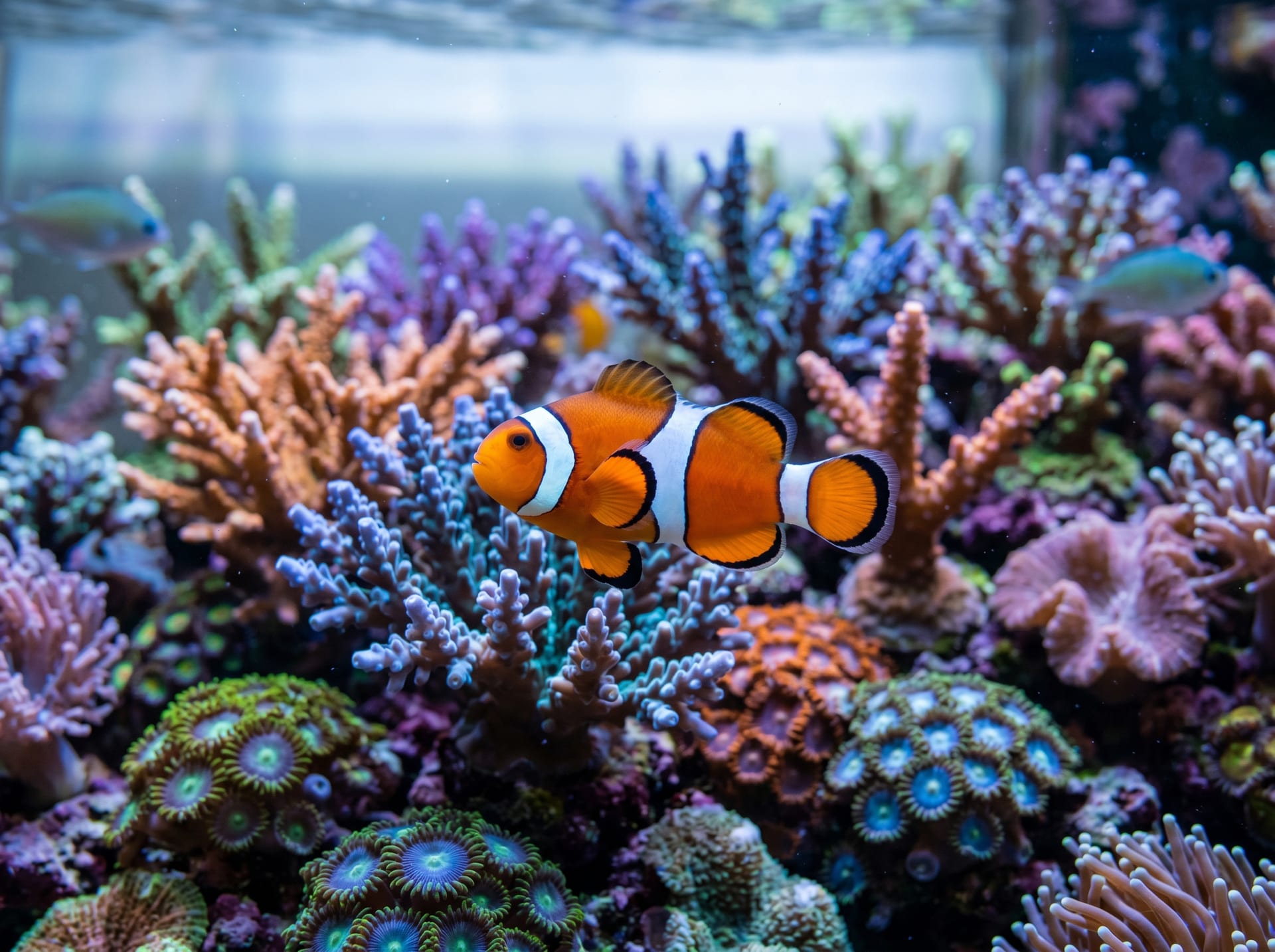
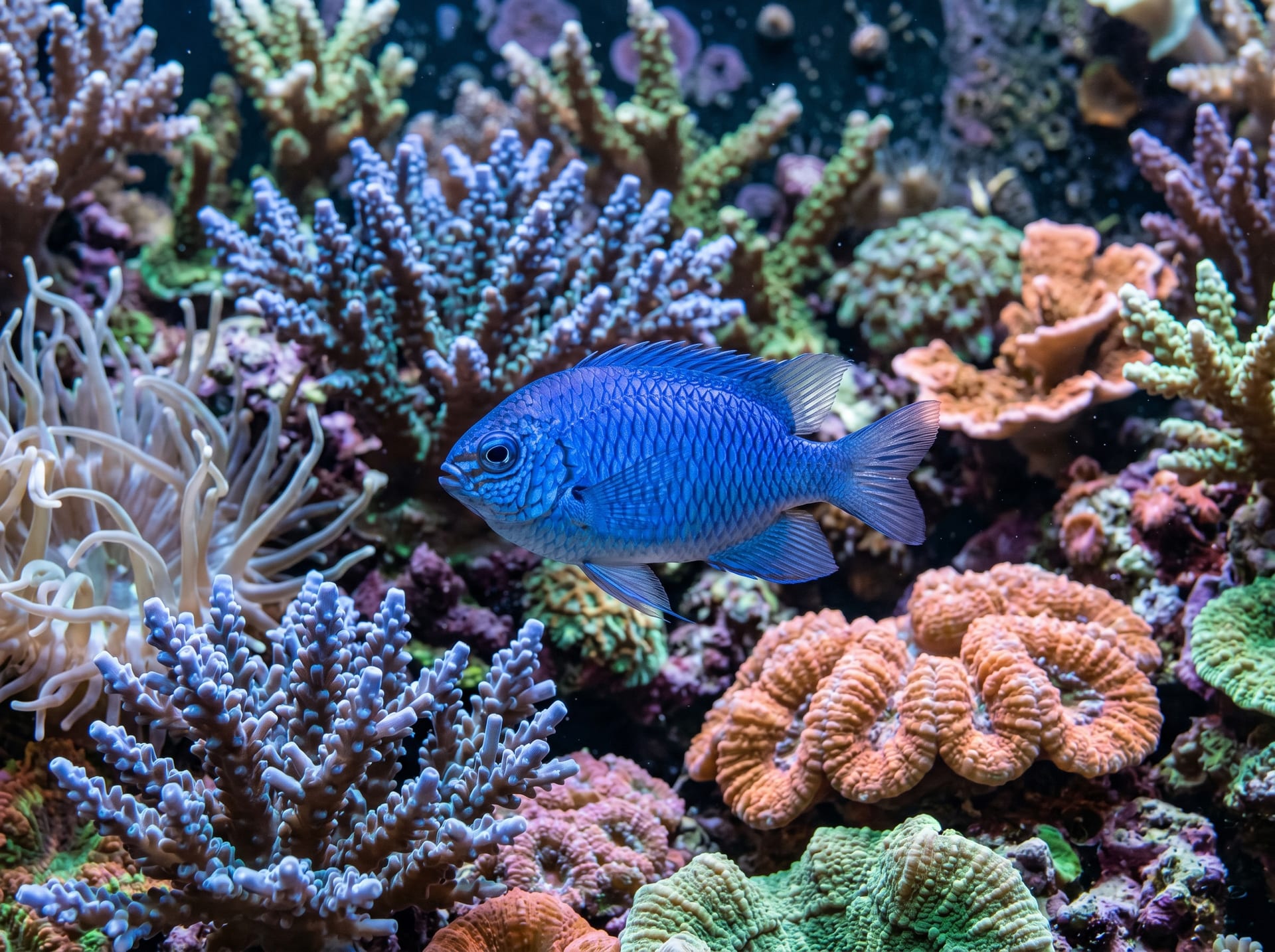
- Ocellaris Clownfish and Sergeant Major Damselfish (minimal territorial overlap)
- Coral Gobies and Dot Dash Gobies and other small bottom-dwellers (if space is adequate)
Combinations to Avoid
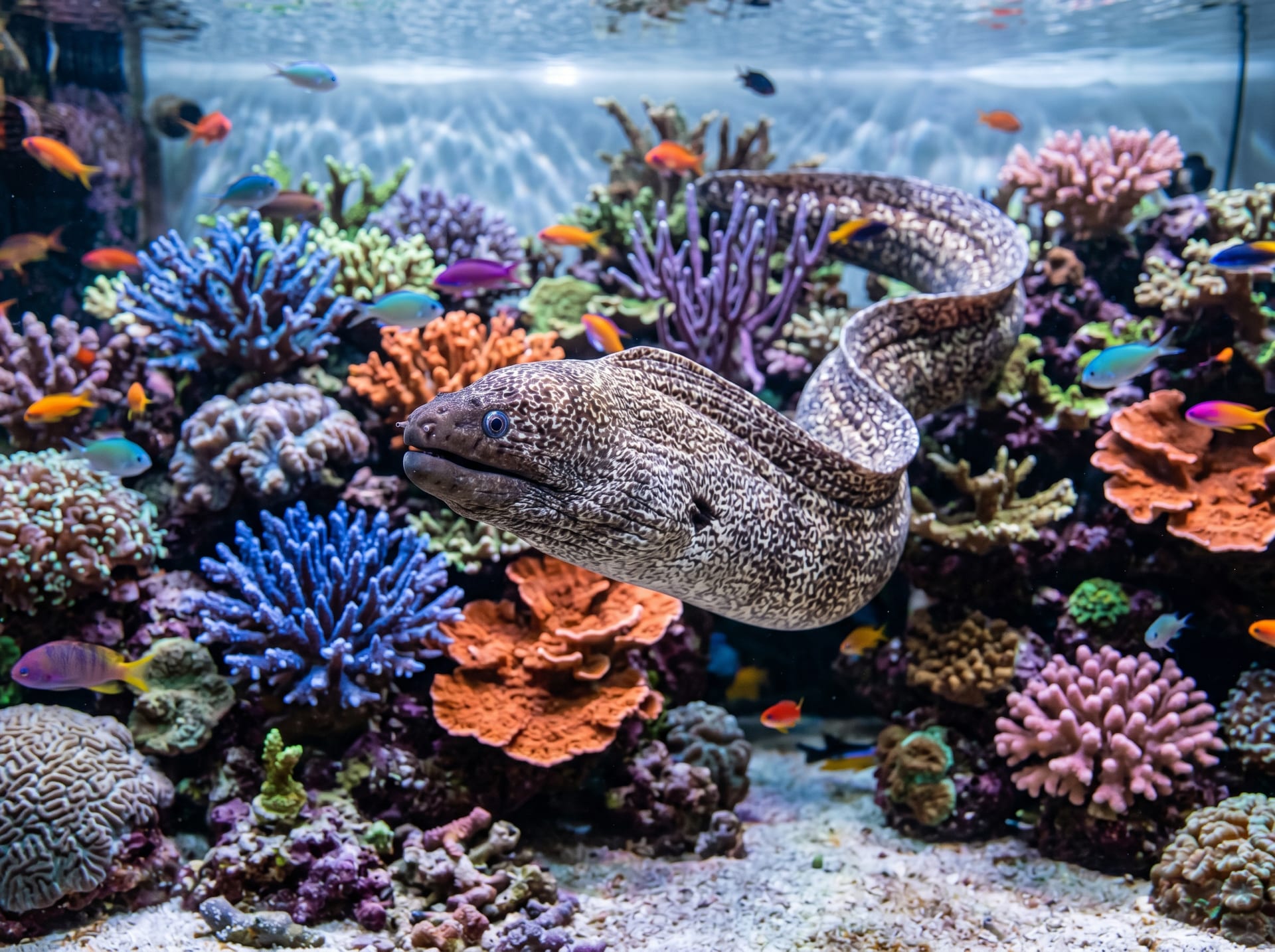
- Large predatory fish (Lionfish, Moray Eels, etc.): Predation risk
- Multiple individuals of the same or closely related species: Territorial aggression can intensify. Pairs can coexist if adequate sand bed area is provided
- Sand-stirring fish: Species that kick up large amounts of substrate cause stress to both parties
Breeding
When a pair forms, Watchman Gobies spawn in burrows or crevices in the sand. After spawning, the male exhibits paternal care, guarding the eggs. At approximately 25°C, they hatch in 3–5 days, but the larvae have a planktonic stage and are somewhat difficult to rear.
Keys to successful breeding:
- Adequate sand bed area (a 90 cm or larger tank is recommended)
- Stable water quality with minimal stress
- Abundant live foods (cultures of Nannochloropsis and rotifers prepared in advance)
Common Problems and Solutions
Cloudiness from burrow digging → This is normal behavior. Boost filter capacity and increase water change frequency slightly.
Jumping out of the tank → A cover is essential. Watchman Gobies may jump when startled.
Not eating → This is common after introduction. Offer frozen mysis shrimp on the substrate and observe for 2–3 weeks.
Summary
Watchman Gobies are marine fish with distinctive behavior—digging burrows and standing guard—and a unique symbiotic relationship with pistol shrimp. They are relatively easy to keep if you follow these key points:
- Set up a tank with fine sand (at least 5 cm deep)
- Feed primarily sinking foods (frozen mysis shrimp, copepods)
- Introduce a pistol shrimp simultaneously to enjoy their symbiosis
- Always use a tank cover to prevent jumping
Obtaining healthy individuals from breeders and maintaining proper conditions allows you to enjoy their endearing behavior for years to come.