Complete Care Guide for Cardinalfish (Apogonidae) | Species Beyond Banggai, Mouthbrooding, and Compatibility Tips
Care guide for Apogonidae species other than the Banggai Cardinal. Detailed coverage of characteristics, mouthbrooding, compatibility, and feeding of diverse species including Sphaeramia, Pygmy Cardinals, Apogon genera, and more.
Key Takeaways
Care guide for Apogonidae species other than the Banggai Cardinal. Detailed coverage of characteristics, mouthbrooding, compatibility, and feeding of diverse species including Sphaeramia, Pygmy Cardinals, Apogon genera, and more.
The Diverse World of Cardinalfish (Apogonidae)
Cardinalfish (Apogonidae, family Apogonidae) are small marine fish widely distributed across tropical and subtropical coral reefs, with over 350 species known worldwide. In Japanese aquariums and pet shops, the Banggai Cardinalfish (Pterapogon kauderni) is the most famous, but this group contains many other fascinating species, with care difficulty and ecology varying greatly depending on the species.
✍️
BreederDirect Editorial
The BreederDirect editorial team specializes in care information for animals, covering veterinary care and breeding to deliver beginner-friendly guides.
Find Marine Fish on BreederDirect
Buy directly from verified breeders
Browse Related Listings
Find Marine Fish listings related to this article on BreederDirect. Buy directly from verified breeders.
This article focuses on cardinalfish species other than the Banggai Cardinal, explaining the group's diversity, care methods, and characteristics of reproduction (mouthbrooding).
Representative Species and Their Characteristics
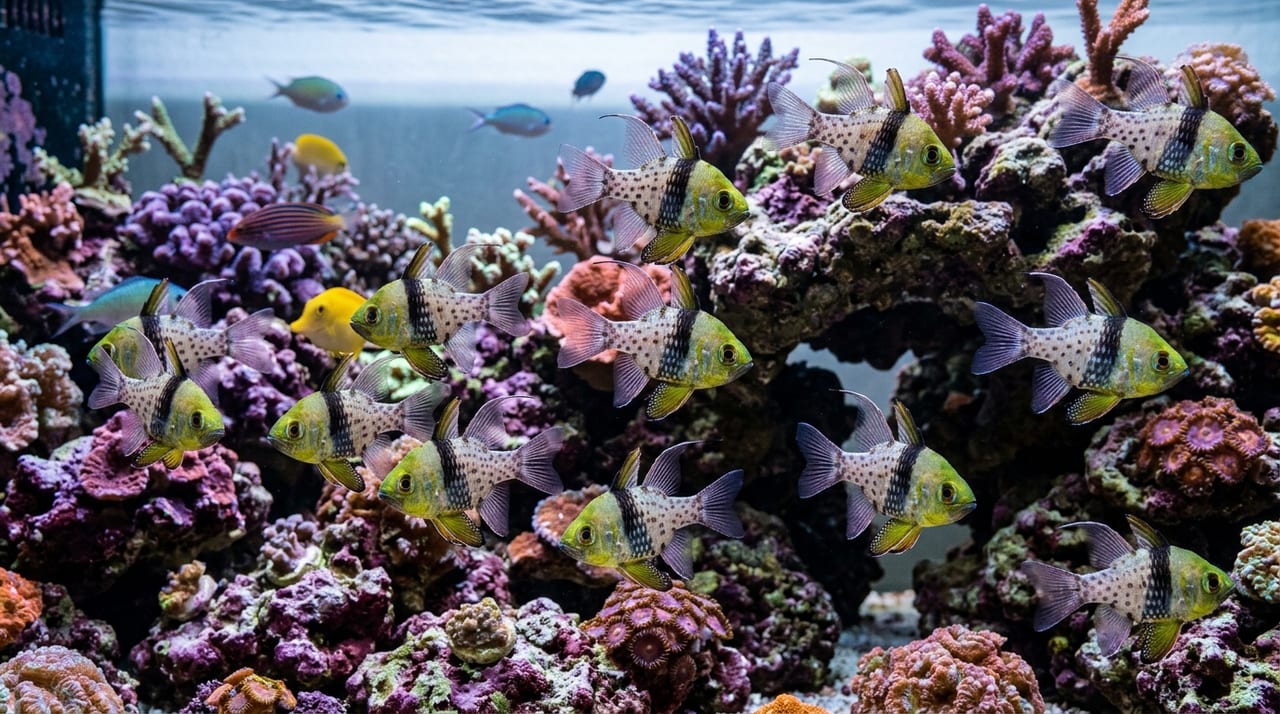
Sphaeramia nematoptera (Pajama Cardinalfish)
Scientific name: Sphaeramia nematoptera
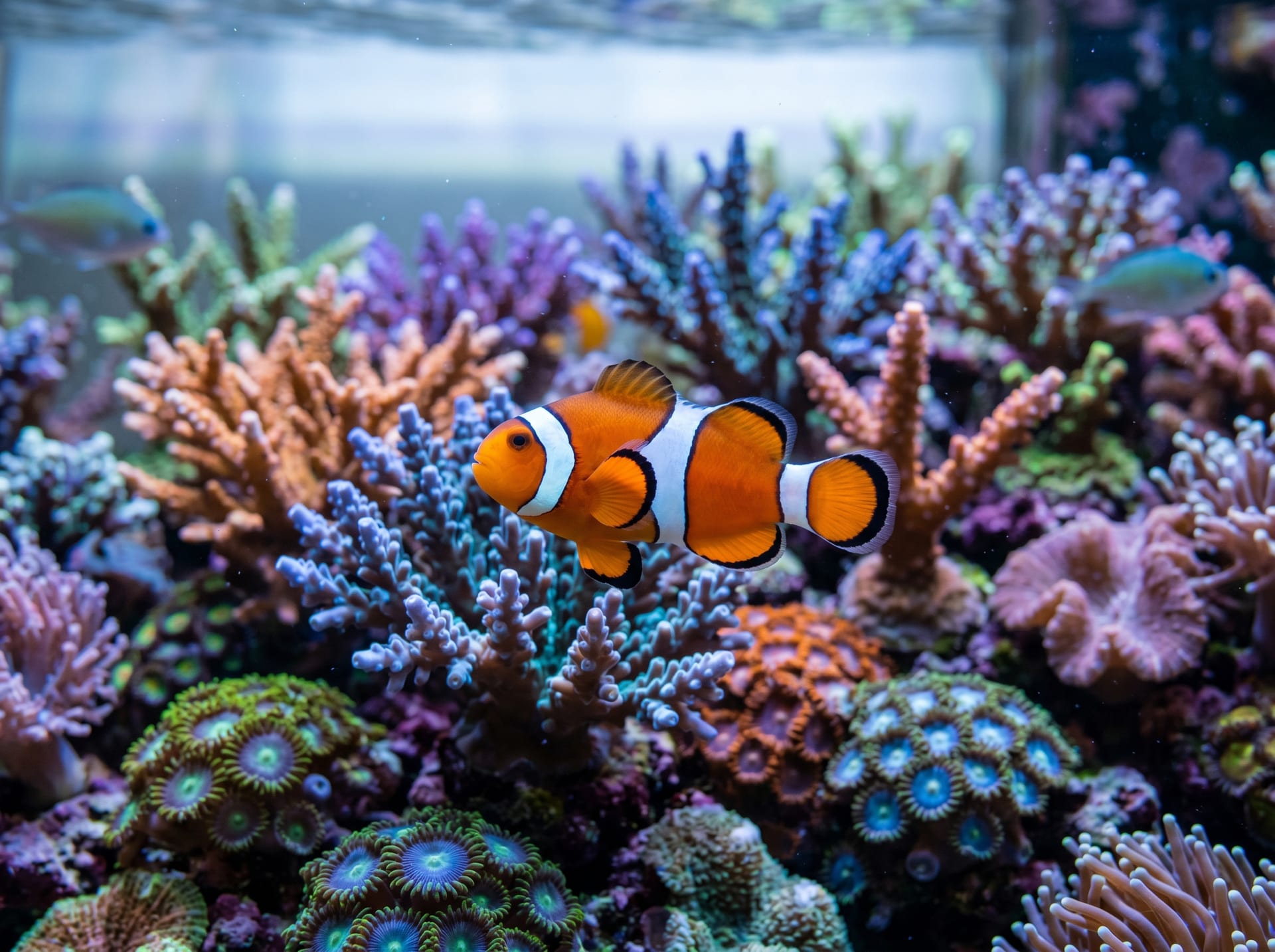
The body displays a unique three-color pattern (yellow, black, and white spots), hence the English common name "Pajama Cardinalfish." It inhabits coral reef edge areas in the Indo-Pacific and is popular in aquariums for the beautiful schooling behavior of multiple individuals. Body length is approximately 8–10 cm, and feeding is relatively easy. Cohabitation with clownfish is common, but attention is needed when keeping multiple individuals of the same species (see below).
Apogon comessonii (Comesoni Cardinalfish)
Scientific name: Apogon comessonii
A small species widely distributed across the Indo-Pacific, with a body length of 5–7 cm. Body color ranges from pale brown to orange-red, and while it lacks distinctive markings, its orderly movements when schooling are beautiful. It is easy to keep and often adapts readily to artificial food, making it recommended as an entry-level species for beginners to intermediate aquarists.
A species with beautiful blue vertical stripes, with Indonesian and Philippine specimens commonly available. Body length 10–12 cm. Hardy with good adaptation to artificial food. However, as it grows somewhat large, a tank of 45 cm or larger is recommended. It is a mouthbrooding species, and natural reproduction can be expected with pair keeping.
Ostorhinchus evermanni (Pygmy Cardinalfish)
Scientific name: Ostorhinchus evermanni
A small species with a body length of 4–5 cm. Semi-transparent body adorned with red spots scattered throughout, giving an appearance as beautiful as gems. Spawning has been observed in tanks, but fry rearing is somewhat difficult. Due to being a small species, there is a risk of predation, so keeping with gentle small fish is the principle.
Lighthouse Cardinalfish
Known for its bioluminescence, it is one of the few marine fish capable of this phenomenon. Observing the glow in darkness is extremely fantastical, but the difficulty of care is somewhat high, requiring particular attention to feeding management.
Common Care Points for Cardinalfish
Tank Size and Setup Environment
Small species (6 cm or less) can be kept in 30–45 cm tanks, but to enjoy schooling, multiple individuals are needed, so a 60 cm tank or larger is practically recommended. Medium-sized species (8–12 cm) are suited to 60–90 cm tanks. Most cardinalfish prefer dimly lit environments, shadows around rocks, or areas near overhangs, so the placement of live rocks as hiding places is important.
Water Quality and Temperature
Temperature: 24–27°C (standard for coral reef-dwelling species)
Specific gravity: 1.025–1.026
pH: 8.1–8.3
Nitrate: Below 20 ppm is ideal (avoid 50 ppm or higher)
Cardinalfish have relatively high water quality adaptability, and are easy to maintain if kept stable while avoiding sudden fluctuations in water parameters.
Feeding
Most cardinalfish are carnivorous, preying on plankton, small crustaceans, and small fish in their natural environment. In captivity, the following are used in combination:
Frozen mysis, artemia (brine shrimp): High palatability, ideal for initial feeding
Frozen copepods: Particularly effective for fry and small species
Frozen krill: Cost-effective with most species readily eating them
Dried pellets (marine fish food): Gradually mix to transition to artificial food
Feed 2–3 times daily, in amounts that are consumed within 5 minutes. For species with nocturnal tendencies, adding a small amount of food after dimming the lights can increase overall feeding intake.
Observing Mouthbrooding and Challenges of Breeding
One of the most fascinating ecological characteristics of cardinalfish is "mouthbrooding." After spawning, the male (or in some species the female) keeps the fertilized eggs in its mouth until they hatch and protects them. During this period, the parent fish does not eat at all.
Signs of confirming mouthbrooding:
The male's mouth area appears swollen
Appetite disappears and the fish no longer responds to food
The fish remains still most of the time
The mouthbrooding period varies by species, but is about 1–2 weeks for most species. During this period, avoid unduly stressing the parent fish and avoid situations where other fish chase it.
Fry rearing:
The hatched fry are extremely small (1–2 mm), and as initial food, SS to S-sized rotifers (such as Rotaria) or copepod nauplii are optimal. In an environment where copepods are naturally abundant and can be supplied from a refugium, natural growth of fry can be expected. During the fry stage, water parameters are sensitive to changes, so continuing with small-volume water changes of 0.5–1 L per day is the principle.
Considerations for Tankmates
Cardinalfish are generally gentle fish, but the following points require attention.
Keeping multiple individuals of the same species: Many cardinalfish tend to prefer solitary or small group living, and excessive same-species grouping can result in chasing. The basic approach is to either introduce 5–7 or more individuals, exceeding a "critical group number," or keep a single pair. With odd numbers of fish, one individual may be continually chased, so using even numbers or consciously creating a larger group is recommended.
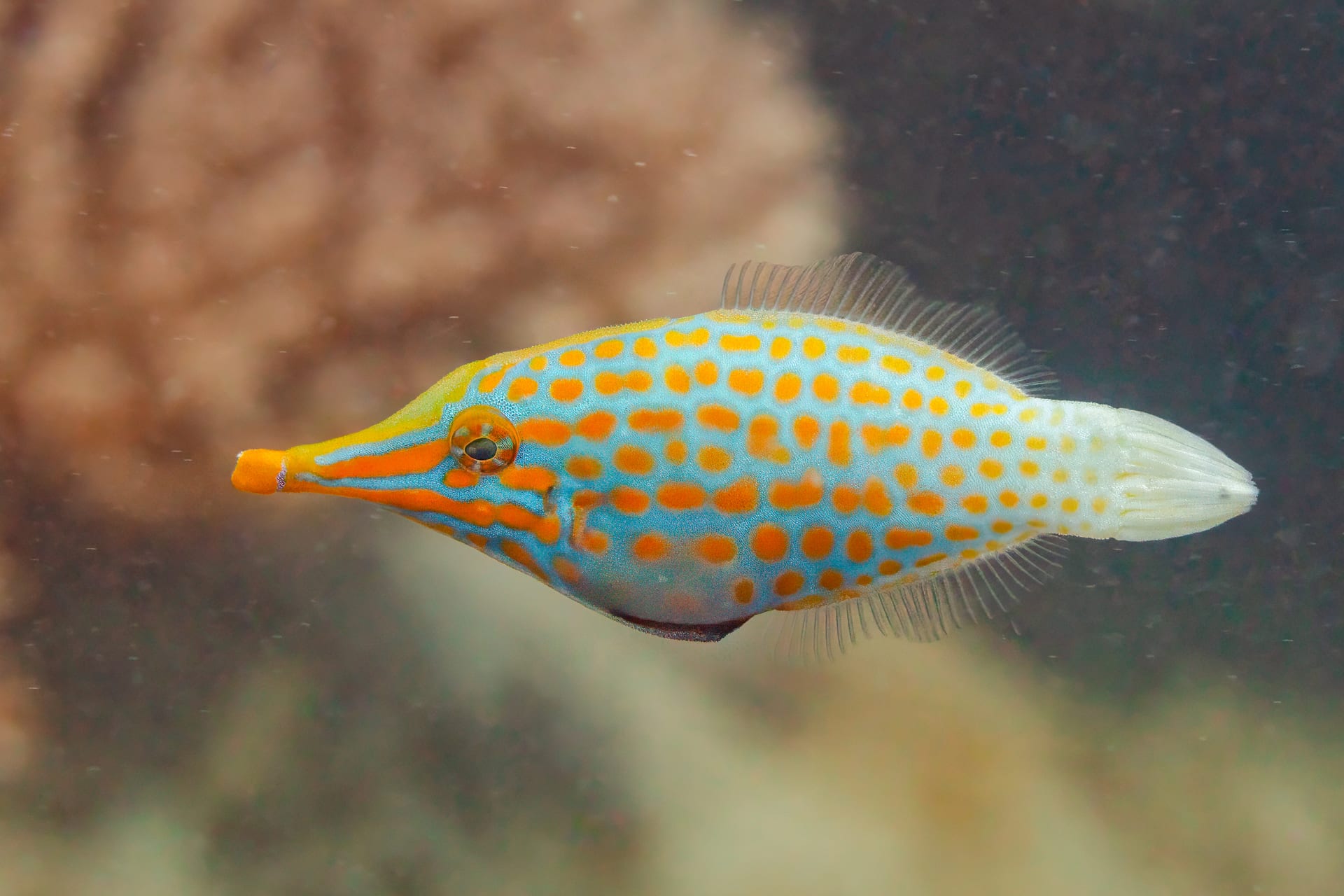
Compatibility with other species: Cohabitation with gentle fish of a size too large to fit in the mouth is generally not problematic. They are often kept together with clownfish, small gobies, blennies, and small angelfish. On the other hand, avoid cohabitation with aggressive or predatory fish such as triggerfishes, large hawkfishes, and dottybacks.
Summary
Cardinalfish, beyond just the Banggai Cardinal, offer a diverse range of species worth keeping, and the ability to observe their unique mouthbrooding reproductive behavior makes them exceptionally appealing from an aquarium perspective. Centered on small species, they are also a relatively easy group to keep, and their compatibility with coral tanks is good, making them recommended not only for advanced aquarists but also for beginners. By adhering to three points—feeding, hiding places, and tankmate selection—these are marine fish that can be enjoyed over an extended period.