Complete Guide to Choosing Substrate for Tropical Fish Tanks | Comparison of Gravel, Soil, and Sand
Explanation of substrate types and how to choose them for tropical fish tanks. Introduces comparisons of characteristics of Ōiso sand, soil, coral sand, Tanago sand, and ceramic, compatibility with aquatic plants, and maintenance methods.
Key Takeaways
Explanation of substrate types and how to choose them for tropical fish tanks. Introduces comparisons of characteristics of Ōiso sand, soil, coral sand, Tanago sand, and ceramic, compatibility with aquatic plants, and maintenance methods.
Related Species
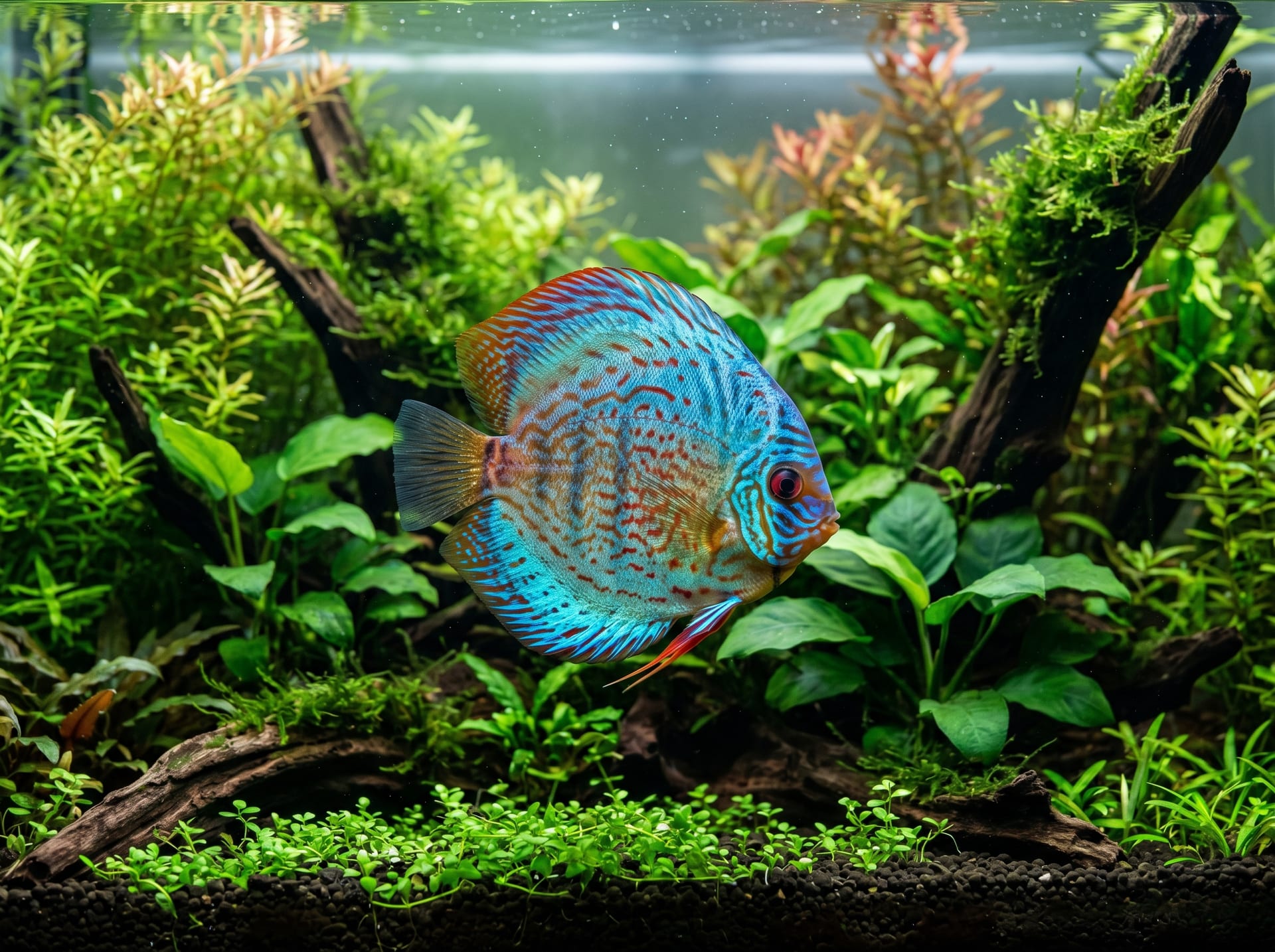
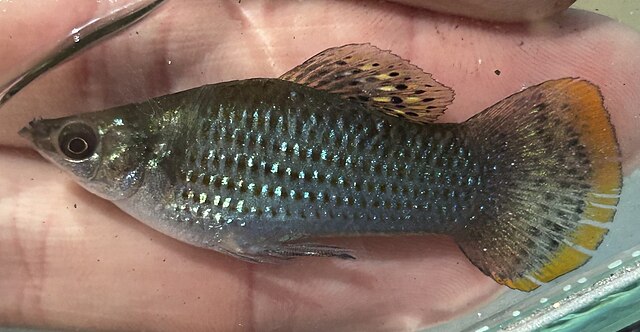
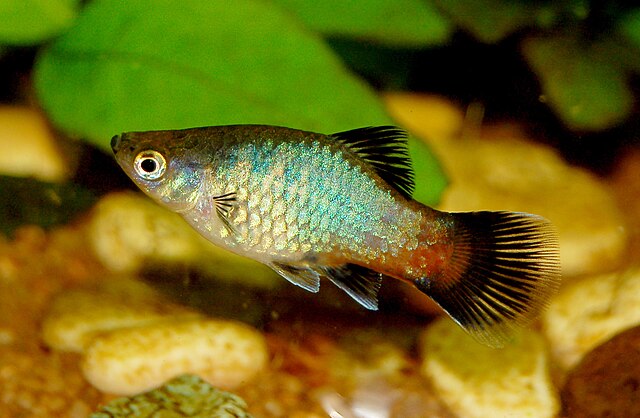
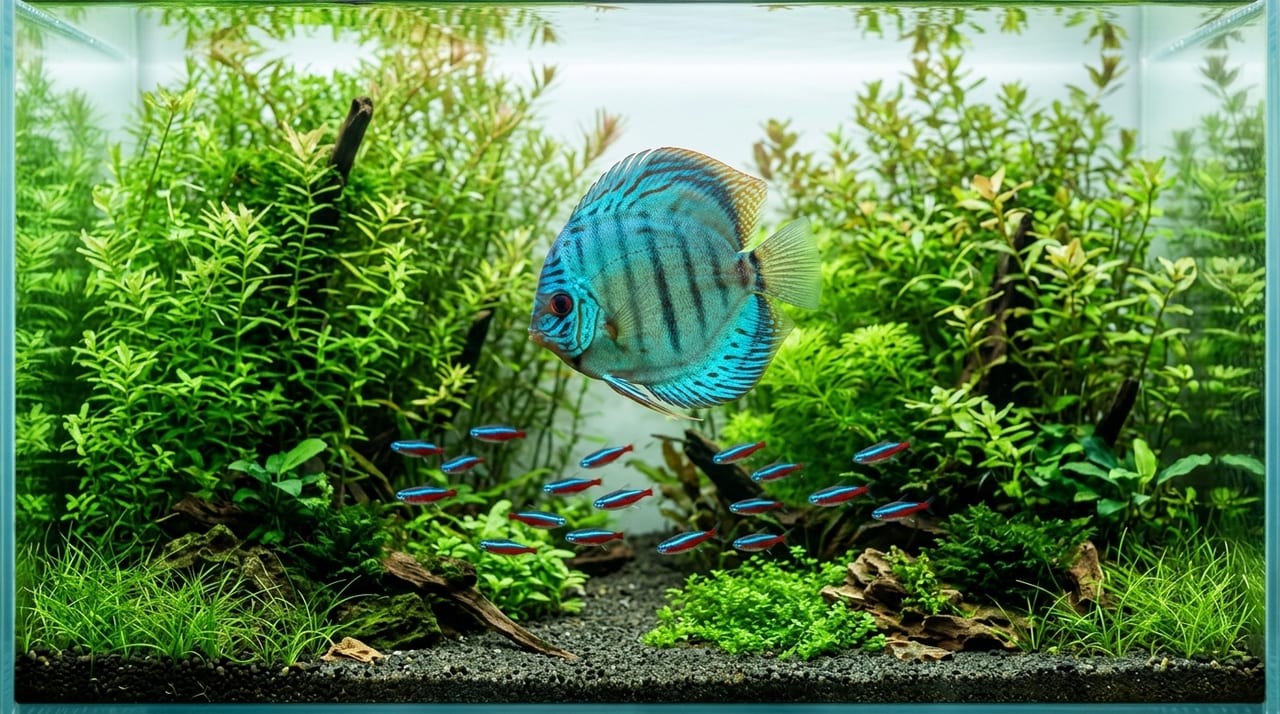
Choosing substrate for tropical fish tanks is an important decision that affects not only the layout aesthetics but also water quality, aquatic plant growth, bacterial colonization, and fish behavior. Substrate types are diverse, each with its own characteristics and merits and demerits. Selecting the optimal substrate tailored to the types of fish and aquatic plants you keep, as well as the desired aquascape style, is the first step to creating a beautiful and healthy tank. This article compares major substrate types and explains the key points when choosing.
Characteristics and Usage of Ōiso Sand
Ōiso sand is the substrate with the longest history in Japanese aquarium hobby. It takes its name from sand collected from Ōiso Beach in Kanagawa Prefecture, but is currently mainly imported from the Philippines. Typical particle size is 1–5 mm, with a calm coloration ranging from black to gray.
The merits of Ōiso sand are as follows.
- Can be used semi-permanently
- Easy to clean
- Minimal effect on water quality
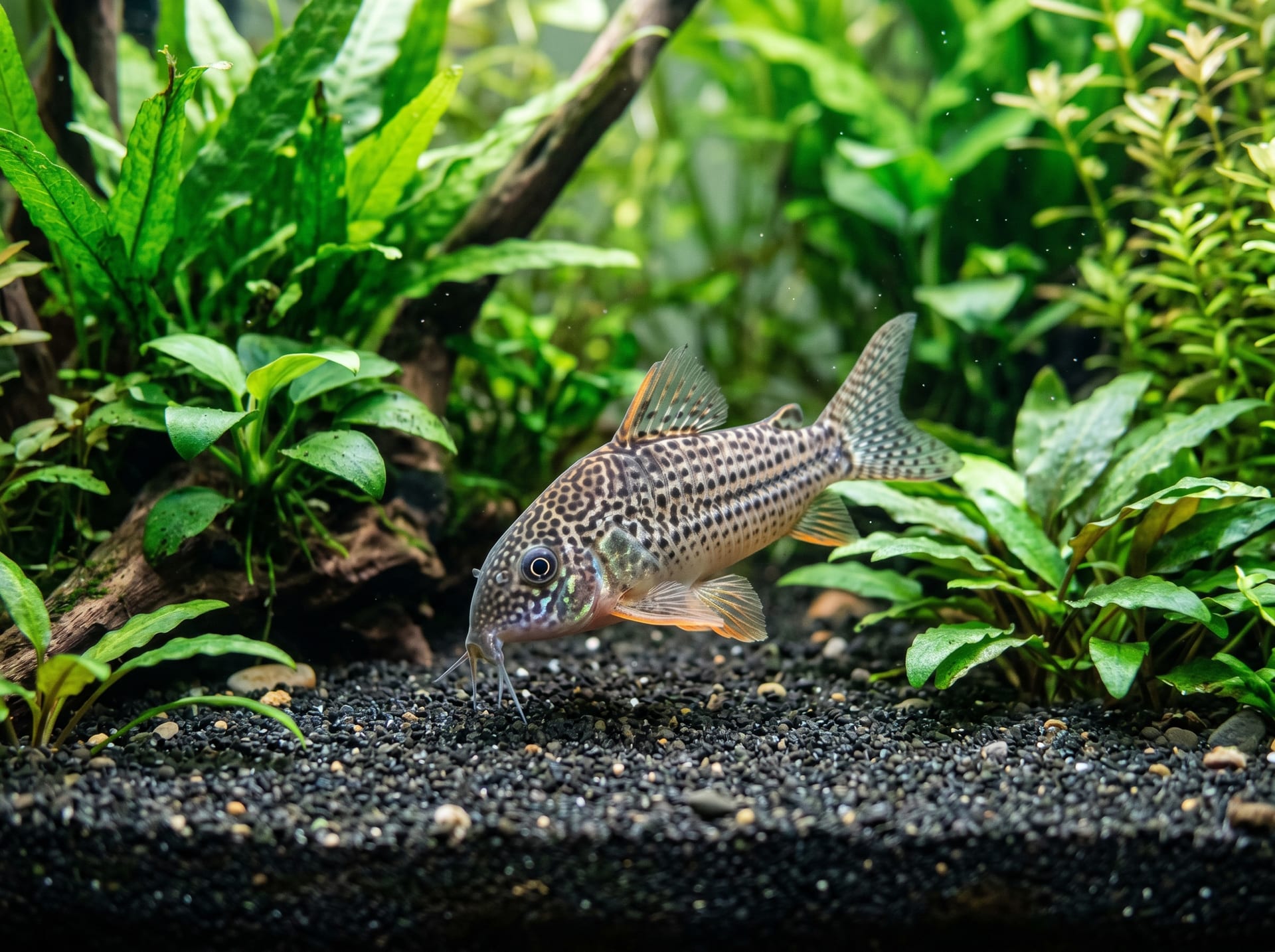
When using a Python to suck out debris from inside the substrate, the gravel is less likely to be sucked up and is easy to handle. As a point to note, new Ōiso sand can contain shell fragments that dissolve and raise pH and KH. If you keep fish that prefer acidic conditions, treat it with acid (soak in food-grade vinegar for several days) to dissolve shell fragments before use. Since Ōiso sand contains no nutrients, if you plant aquatic plants, you need to bury solid fertilizer around the roots. For bottom-dwelling fish like Corydoras, selecting fine-grained Ōiso sand with rounded edges (1–2 mm particle size) reduces the risk of damaging their barbels or body surface.
Characteristics and Management of Soil (Aquatic Plant Black Soil)
Soil is a granular substrate made by firing black soil, and is a standard for planted tanks. There are two types: adsorptive soil and nutrient-rich soil.
| Type | Characteristics |
|---|---|
| Adsorptive soil (such as Platinum Soil) | Strongly adsorbs ammonia and phosphoric acid in the water to purify water quality, making water quality stable during the initial setup phase |
| Nutrient-rich soil (such as ADA Amazonia) | Contains abundant nutrients and promotes vigorous aquatic plant growth, but ammonia leaches during the initial setup phase, so a sufficient fishless cycling period (2–4 weeks) is necessary |
Common merits of soil are as follows.
- Stabilizes pH to slightly acidic conditions
- Aquatic plant roots establish easily
- Looks natural and beautiful
Demerits are as follows.
- It has a lifespan (usually after 1–2 years, ion exchange capacity decreases and granules begin to break down)
- Difficult to clean with a Python as granules break down
- Must replace entirely during reset
For fish like Corydoras that dig through substrate, it is somewhat unsuitable because granules break down easily and water becomes cloudy.
Characteristics of Tanago Sand, River Sand, and Decorative Sand
| Type | Characteristics |
|---|---|
| Tanago Sand | Fine sand with particle size around 0.5–1 mm, ideal for bottom-dwelling fish like Corydoras and loaches. Bright beige to light brown tones brighten the overall impression of the tank, with nearly neutral effect on water quality |
| River Sand | Somewhat larger particles with rich color variation |
| Decorative Sand (pure white quartz sand) | Used to express "paths" or "plazas" in planted layouts, placed as an accent in the foreground |
Corydoras are fish that scoop up sand in their mouths and expel it from their gills in a behavior called "mofu-mofu" (fluffing), and this natural behavior requires fine sand to occur.
Important considerations when using fine sand include the formation of anoxic zones. If sand depth exceeds 3 cm, oxygen fails to reach the bottom, creating a risk of anaerobic bacteria proliferation and hydrogen sulfide production. Countermeasures are as follows.
- Keep sand depth to 2–3 cm
- Introduce Malaysian trumpet snails (snails that burrow in sand and aerate it)
If planting aquatic plants, since roots establish poorly, a "two-layer structure of sand and soil" where only the planting area uses soil is also effective.
Applications of Coral Sand and Ceramic Sand
| Substrate | Characteristics |
|---|---|
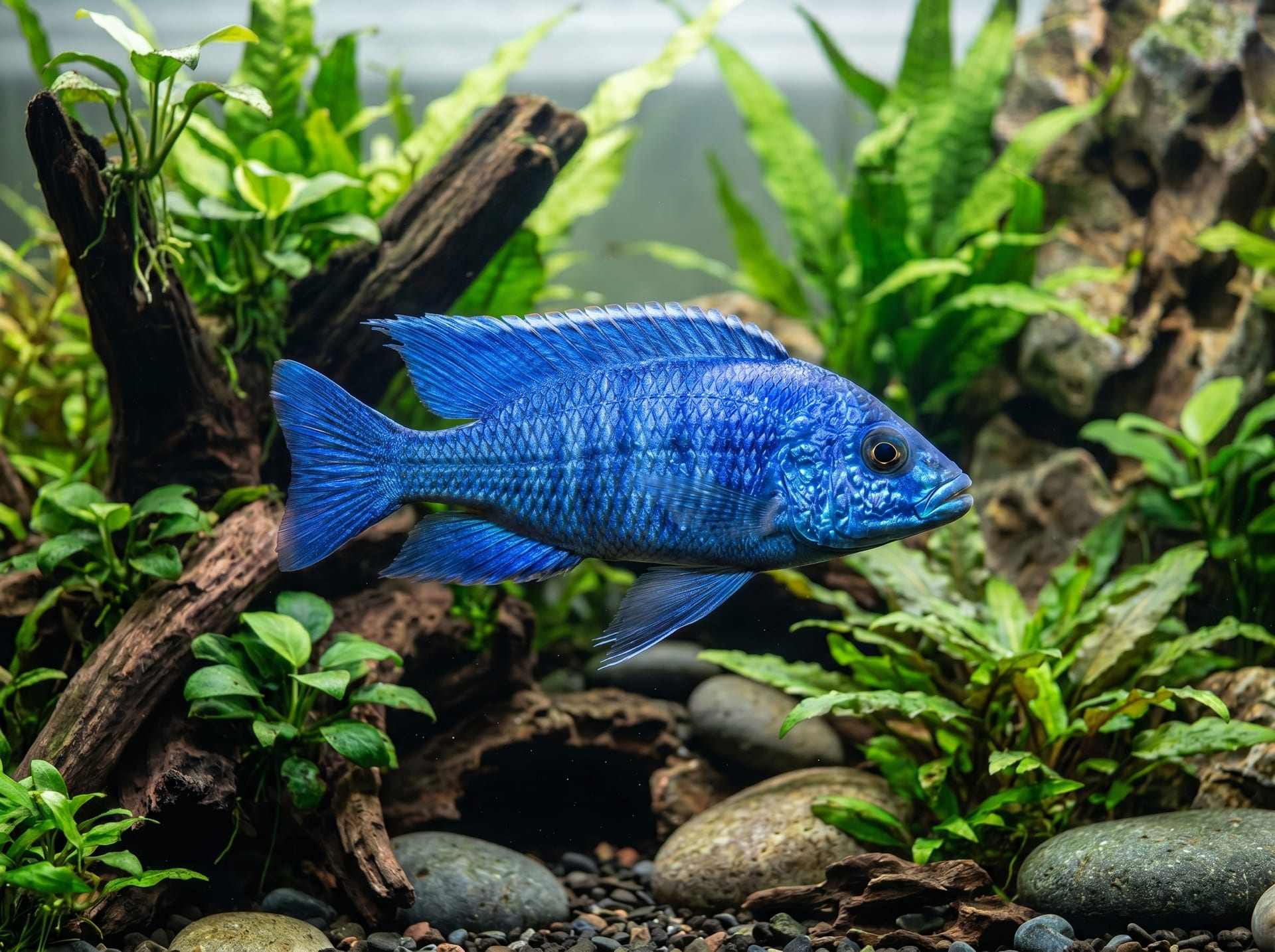
| Coral Sand | Calcium carbonate-based substrate that dissolves in water to raise pH and KH, making it alkaline. Suitable for fish that prefer weakly alkaline to alkaline water such as African cichlids, platies, mollies, and saltwater fish, but unsuitable for fish that prefer slightly acidic water such as tetras and discus. Particle size ranges widely from fine (1 mm) to coral fragment-like (5–10 mm), and is selected according to use |
| Ceramic Sand (Sintered Ceramic) | Artificially fired substrate with a porous structure that provides a large surface area for bacterial colonization. Effect on water quality is neutral to slightly acidic, and unlike soil, it has no lifespan and can be used semi-permanently, though the price is 2–3 times higher than Ōiso sand |
| Volcanic Sand | Porous with excellent bacterial colonization, and its black coloration enhances the green of aquatic plants. Some grains have sharp edges, so caution is needed for bottom-dwelling fish like Corydoras |
Substrate Maintenance and Replacement Timing
Substrate maintenance is key to maintaining water quality. Use a Python (siphon-type substrate cleaner) to regularly suck out uneaten food and waste that accumulates inside the substrate. Cleaning frequency and water change volume per session are balanced when structured according to the correct water change method for tropical fish tanks, and a rotation where approximately one-third of the bottom is cleaned per water change is effective. Avoid cleaning the entire surface at once as this disrupts bacterial balance.
The replacement timing for soil is when granules begin to break down and become muddy. The typical guideline is 1–2 years, but in tanks with many fish, wear occurs faster. The soil reset procedure is as follows.
- Move fish to a separate container
- Remove old soil and lay new soil
- Reuse as much of the culture water as possible to prevent sudden changes in water quality
It is important not to reset the filter at the same time in order to preserve the bacteria inside the filter. Ōiso sand and Tanago sand basically require no replacement, but taking them out and washing them with tap water once every few years refreshes accumulated buildup. If considering a layout combining driftwood, checking the selection together with the driftwood and tannin utilization guide makes it easier to balance color and texture between the substrate and driftwood.
Choose Fish That Match Your Substrate on BreederDirect
Substrate selection significantly impacts the behavior and health of the fish you keep. On BreederDirect, you can consult directly with breeders about how to select fish matched to your substrate type. Receive advice on optimal pairings of fish and substrate—Tanago sand for Corydoras, coral sand for African cichlids—and create your ideal tank environment.