Proper Water Change Methods for Tropical Fish Tanks | Frequency, Volume, and Common Failure Patterns | ブリちょく
Tropical Fish| ✍️ BreederDirect Editorial
Proper Water Change Methods for Tropical Fish Tanks | Frequency, Volume, and Common Failure Patterns
A comprehensive guide to the fundamentals and advanced techniques of water changing for tropical fish tanks. From recommended change frequency and volume guidelines to dechlorination methods, temperature acclimation, substrate cleaning, and common failure patterns—practical advice for both beginners and intermediate aquarists.
Key Takeaways
A comprehensive guide to the fundamentals and advanced techniques of water changing for tropical fish tanks. From recommended change frequency and volume guidelines to dechlorination methods, temperature acclimation, substrate cleaning, and common failure patterns—practical advice for both beginners and intermediate aquarists.
Why Water Changes Are Necessary: Understanding the Limits of Biological Filtration
In managing tropical fish tanks, "water changes" are the most fundamental and essential task. In established tanks where filter bacteria thrive, biological conversion progresses from ammonia → nitrite → nitrate. However, the final product—nitrate—cannot be broken down by bacteria and continues to accumulate. When nitrate reaches high concentrations, it causes chronic stress to fish, stunts growth, and suppresses immune function.
Water changes serve three primary purposes:
Dilution and removal of nitrate: Physically remove the final decomposition product that bacteria cannot process
Replenishment of minerals and pH buffers: Tap water contains carbonates (KH), calcium, and magnesium, which are consumed by evaporation and fish metabolism
Dilution of organic matter and pathogens: Thin out organic acids and excess organic matter produced during the decomposition of uneaten food and waste
The belief that "bacteria handle filtration, so water changes aren't necessary" is a misconception. Filtration is not a replacement for water changes but rather a supplement to them. Only by combining both can you maintain stable water quality.
Water Change Frequency and Volume: Varies by Tank Size and Stocking Density
There is no one-size-fits-all answer for water changes. The optimal approach varies depending on tank size, number of fish, filter performance, and feeding quantity.
General Guidelines
Tank Size
Stocking Density
Recommended Change Frequency
Volume per Change
✍️
BreederDirect Editorial
The BreederDirect editorial team specializes in care information for animals, covering veterinary care and breeding to deliver beginner-friendly guides.
Find Tropical Fish on BreederDirect
Buy directly from verified breeders
Browse Related Listings
Find Tropical Fish listings related to this article on BreederDirect. Buy directly from verified breeders.
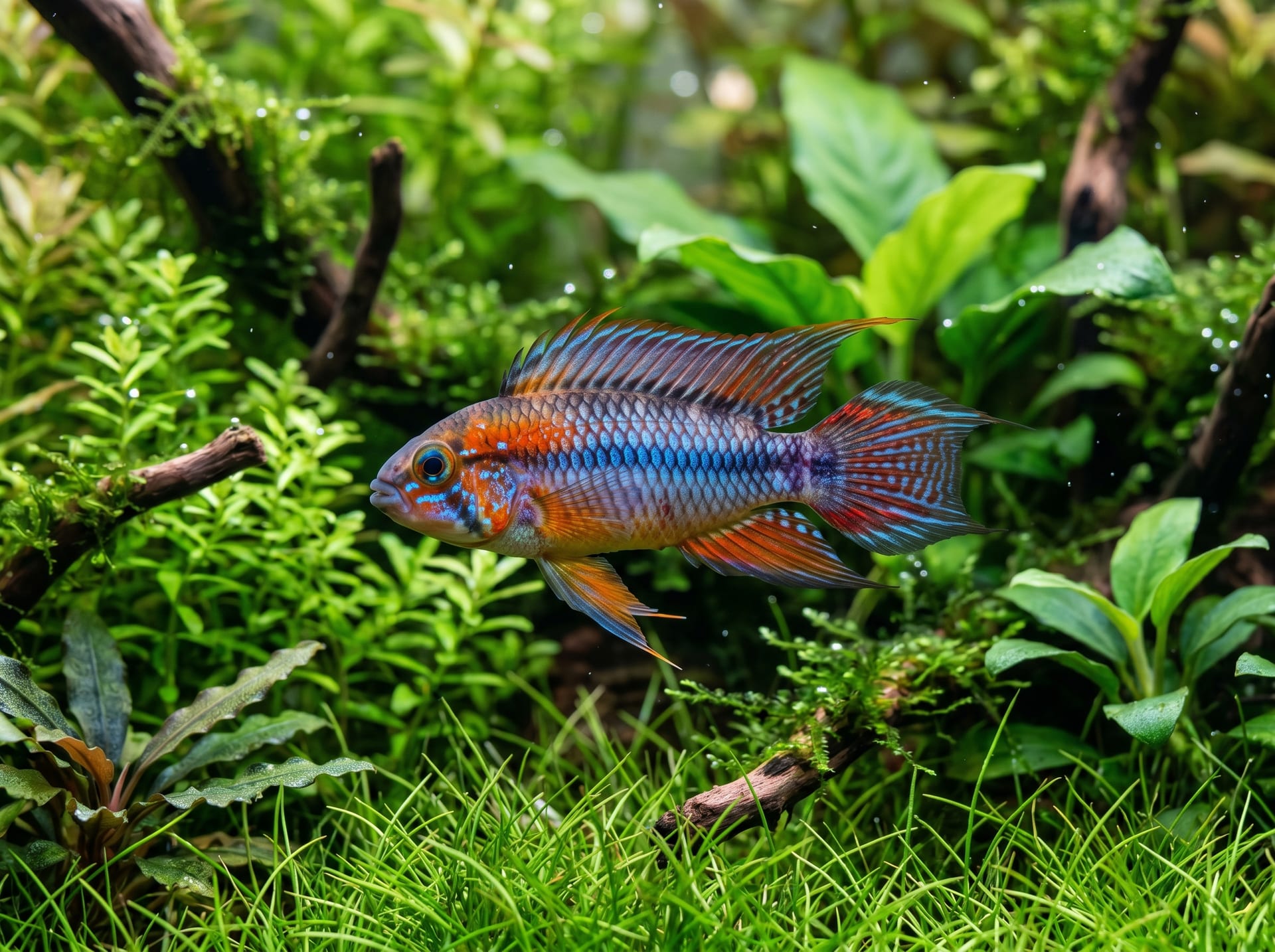
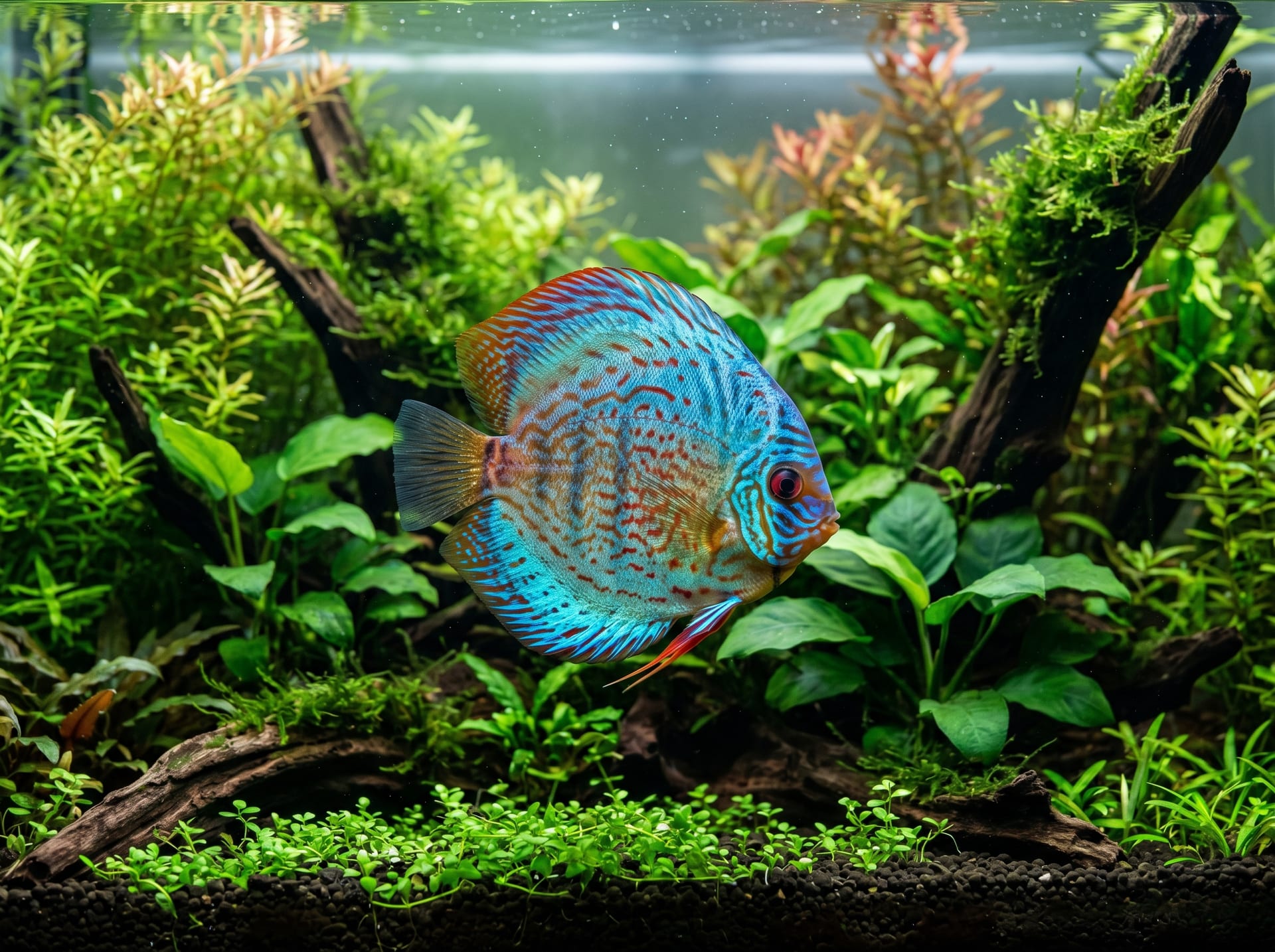
If you have a test kit to measure nitrate concentration, that becomes the most accurate guide. Establishing a rule to perform water changes when nitrate exceeds 25–30 mg/L helps prevent over- or under-changing. For sensitive species (such as discus or apistogramma), aim to keep levels below 10–15 mg/L.
Proper Water Change Procedure: 7 Steps
Water changes are often thought of as simply "dump out old water and add new"—but incorrect technique can stress your fish. Following these steps ensures safe and effective water changes.
Step 2: Check the Heater
Before lowering the water level, confirm that your external heater's dry-run protection engages. Develop the habit of shutting off power before the heater is exposed above the water line.
Step 3: Remove Substrate Debris
Insert the python siphon into the substrate and use the siphon principle to extract accumulated feces, uneaten food, and organic sludge from within the substrate. Rather than cleaning the entire bottom each time, rotate and clean about one-third to half of the substrate area. This preserves your bacterial colony.
Step 4: Drain to Target Volume
Stop draining once you reach your target volume (20–30% of tank capacity). Changes exceeding 50% in a single session risk damaging bacteria and causing sudden water quality swings; avoid large water changes except in emergencies.
Step 5: Prepare Fresh Water
- Add dechlorinator to tap water at the recommended dose (neutralizes chlorine and chlorine compounds)
- Match the temperature to within ±1°C of your tank water. Add hot water to a bucket and confirm with a thermometer
- Temperature matching is the most overlooked step. In winter, the difference between tap water and tank water can exceed 10°C.
Step 6: Add Water Slowly
Pour gently from a bucket or via hose, avoiding rapid flow that startles fish. Pouring too quickly can shock fish with both water current and a simultaneous pH and temperature change.
Step 7: Keep Records
Note the date, volume changed, and any observations (fish behavior, water color, odor). This log helps troubleshoot problems if they arise.
Common Water Change Mistakes and Solutions
Here are frequent mistakes aquarists make during water changes and how to address them.
Mistake 1: Large single water change → Fish thrash and white spot disease appears
Cause: Shock from rapid water quality and temperature changes. Solution: Keep changes to 20–30% and split into two sessions if necessary.
Mistake 2: Forgot dechlorinator → Fish gill flaring and loss of appetite
Cause: Chlorine directly irritates the gills. Solution: Immediately perform an additional 50% water change with dechlorinated water. For severe cases, introduce a salt bath (0.3–0.5%) to aid recovery.
Mistake 3: Large temperature difference → White spot disease develops
Cause: Exposure to cold water lowers fish immunity. Solution: Always confirm temperature beforehand. Prioritize accurate temperature matching over reducing change frequency.
Mistake 4: Substrate becomes cloudy right after water change
Cause: Over-cleaning the substrate with the siphon or pouring water too quickly. Solution: Only clean part of the substrate each time and pour slowly. Water will clear on its own within hours.
Mistake 5: pH swings after each water change → Fish become lethargic
Cause: Tap water pH differs significantly from tank pH (tap water typically ranges pH 7–8.5 depending on region). Solution: Test both tank and tap water pH before and after changes, then adjust with a pH buffer if needed.
Resolving Water Change Questions on br-choku
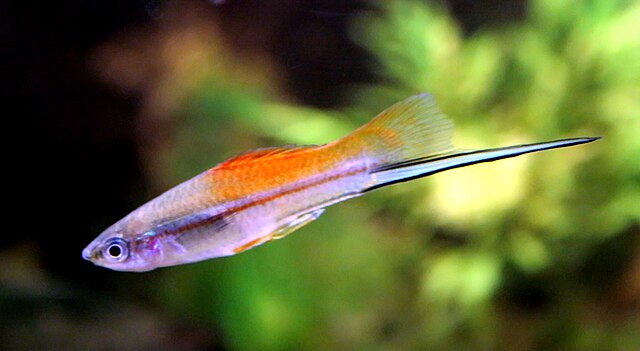
Best practices for water changes depend on fish species, local tap water quality, and individual tank setup. Breeders listing on br-choku are typically experienced aquarists managing multiple tanks, and they often provide practical answers to specific questions such as "what's the ideal change frequency when keeping swordtails in my region's tap water?"
When purchasing fish, ask the seller beforehand about their water change frequency, which dechlorinator they use, and their water parameters. This information helps minimize shock during the transition. Even first-time tropical fish keepers can work with sellers on br-choku to discover the water change cycle that suits their own setup.