Understanding Your Fish's Native Water Is the Key to Successful Care
Water quality varies dramatically depending on where tropical fish originate. The dark, acidic waters of the South American Amazon River, the neutral to slightly acidic and relatively hard waters of Southeast Asia, and the highly alkaline waters of African rift lakes each require completely different environments, even though these are all "tropical fish."
By understanding the water quality characteristics of each fish's native habitat and recreating that environment in your aquarium, you can dramatically improve your fish's coloration, health, and breeding potential. This guide explains the water quality characteristics of each major region and the methods to recreate them in your tank.
South America: Amazon and Rio Negro Systems (Blackwater)
Water Quality Characteristics
The blackwater regions of the Amazon River and its tributaries (particularly the Rio Negro) have the following characteristics:
| Parameter | Typical Value |
|---|
| pH | 4.0–6.5 |
| Hardness (GH) | 0–3°dH (ultra-soft water) |
| Water Temperature | 26–30°C |
| Color | Brown (tannins and humic acids) |
| Clarity | Low (high in organic matter) |
Representative Fish
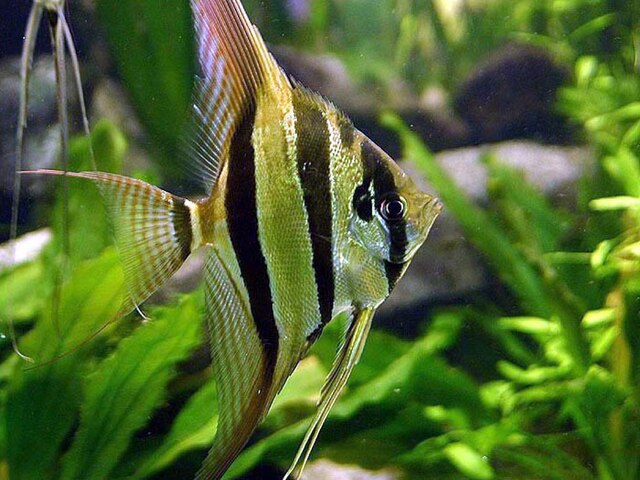
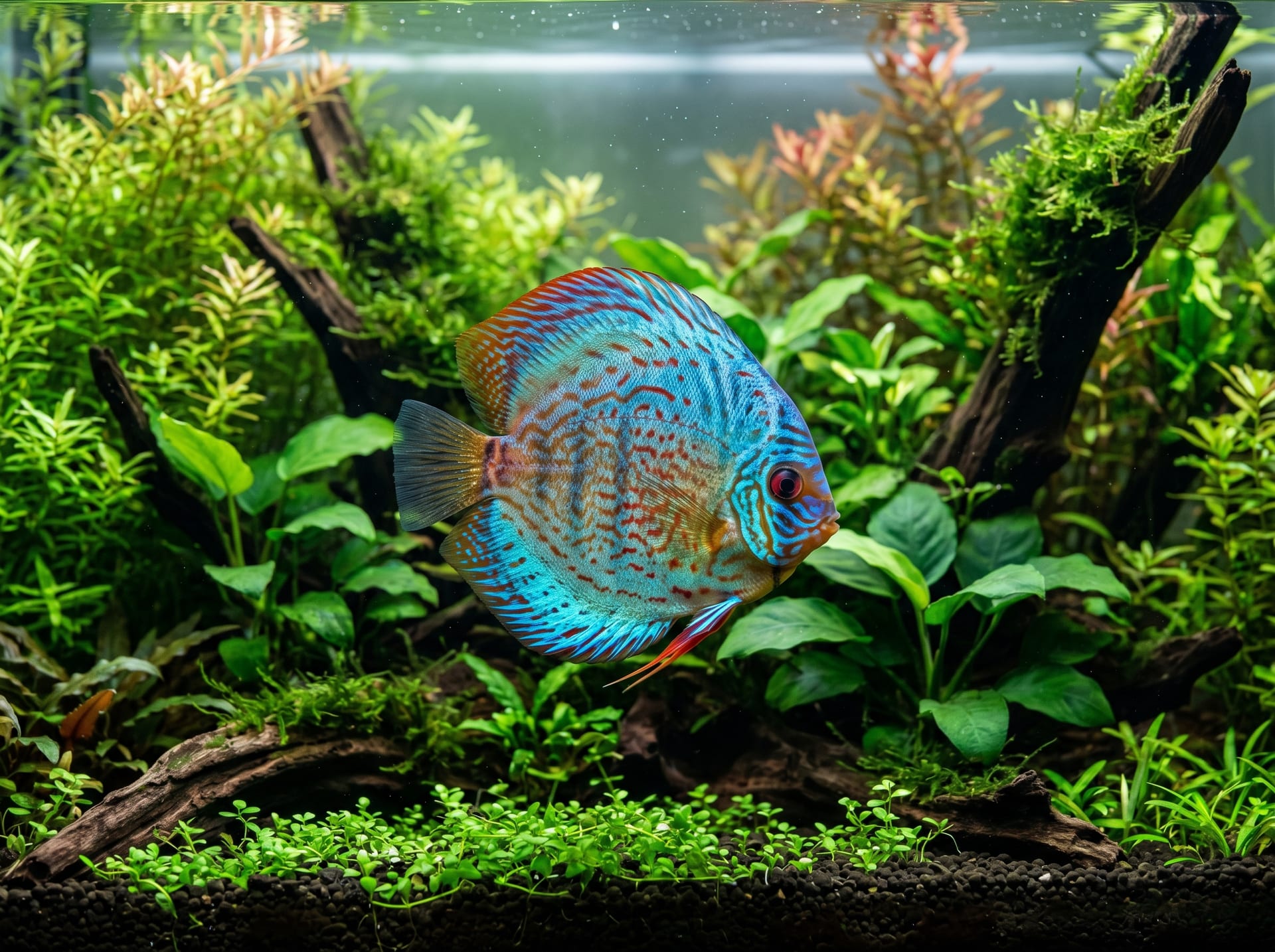
- Discus, Angelfish (Scalare)
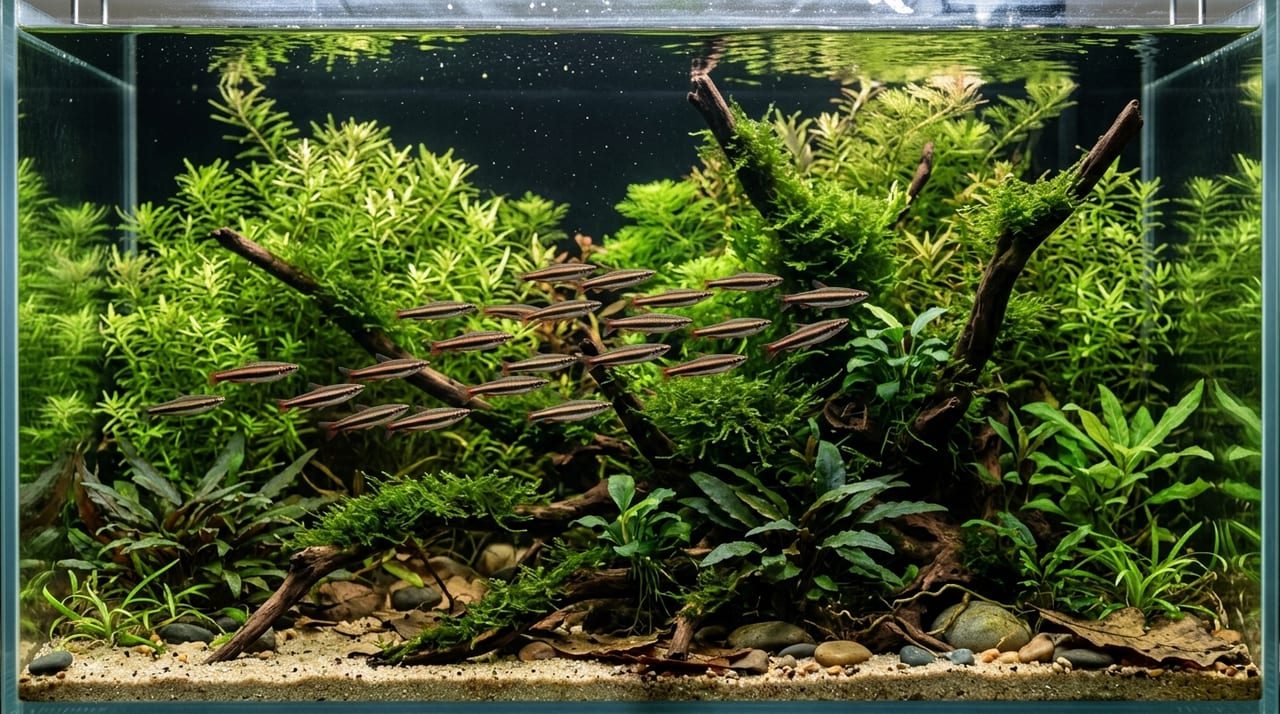
- Neon Tetra, Cardinal Tetra, Rummy Nose Tetra (Characins)
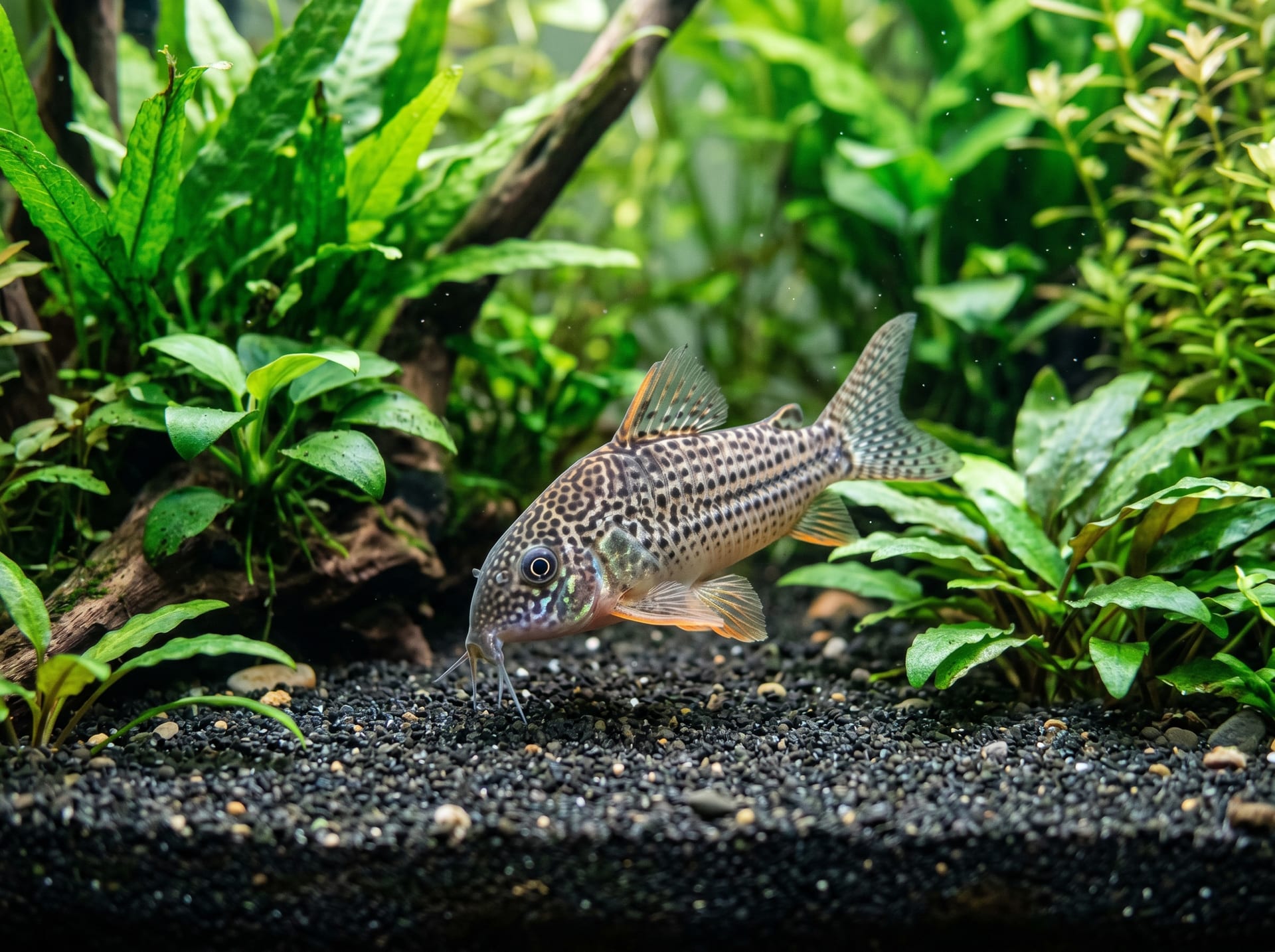
- Various Corydoras catfish
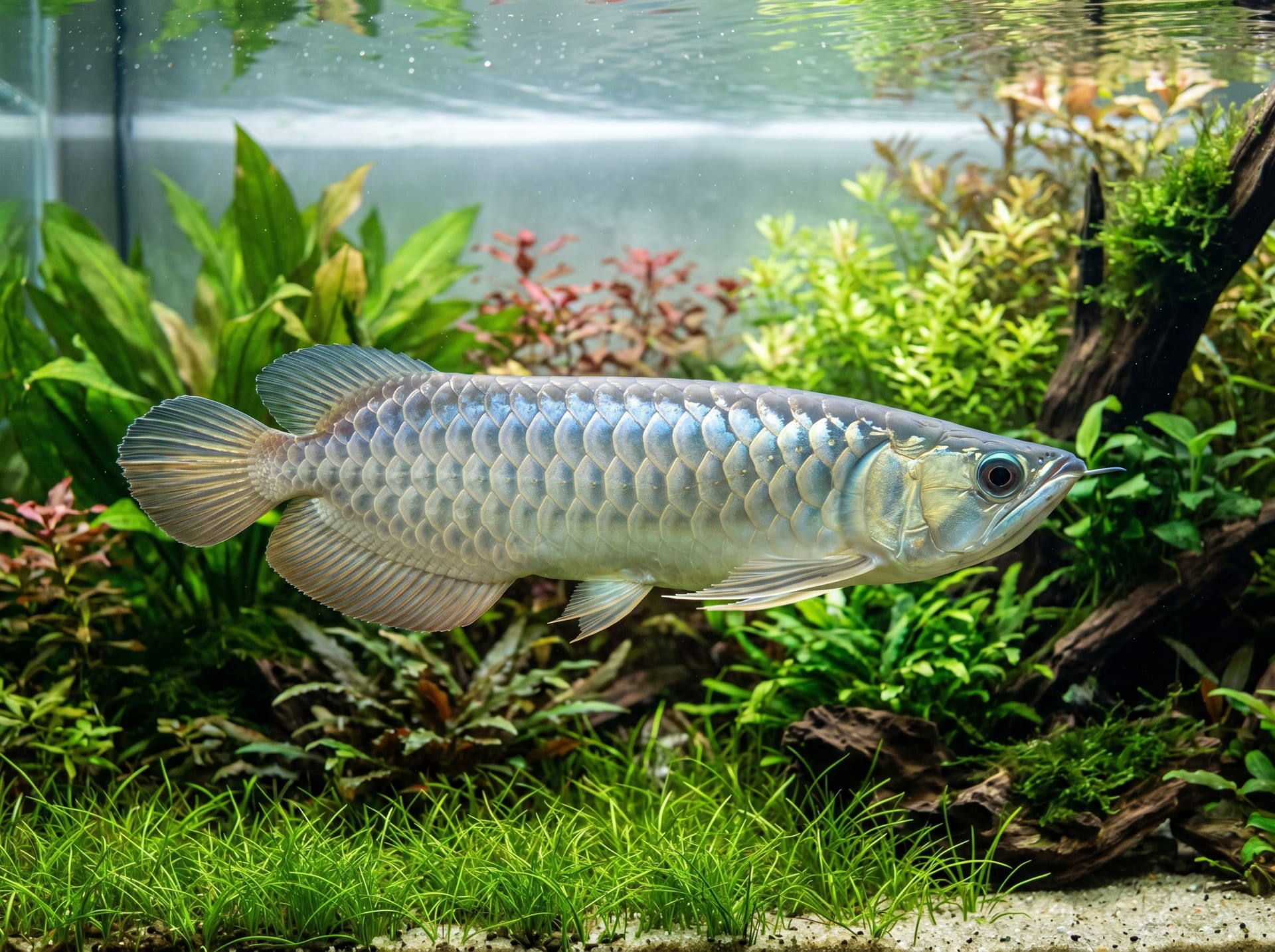
- Arowana (Silver Arowana, Black Arowana)
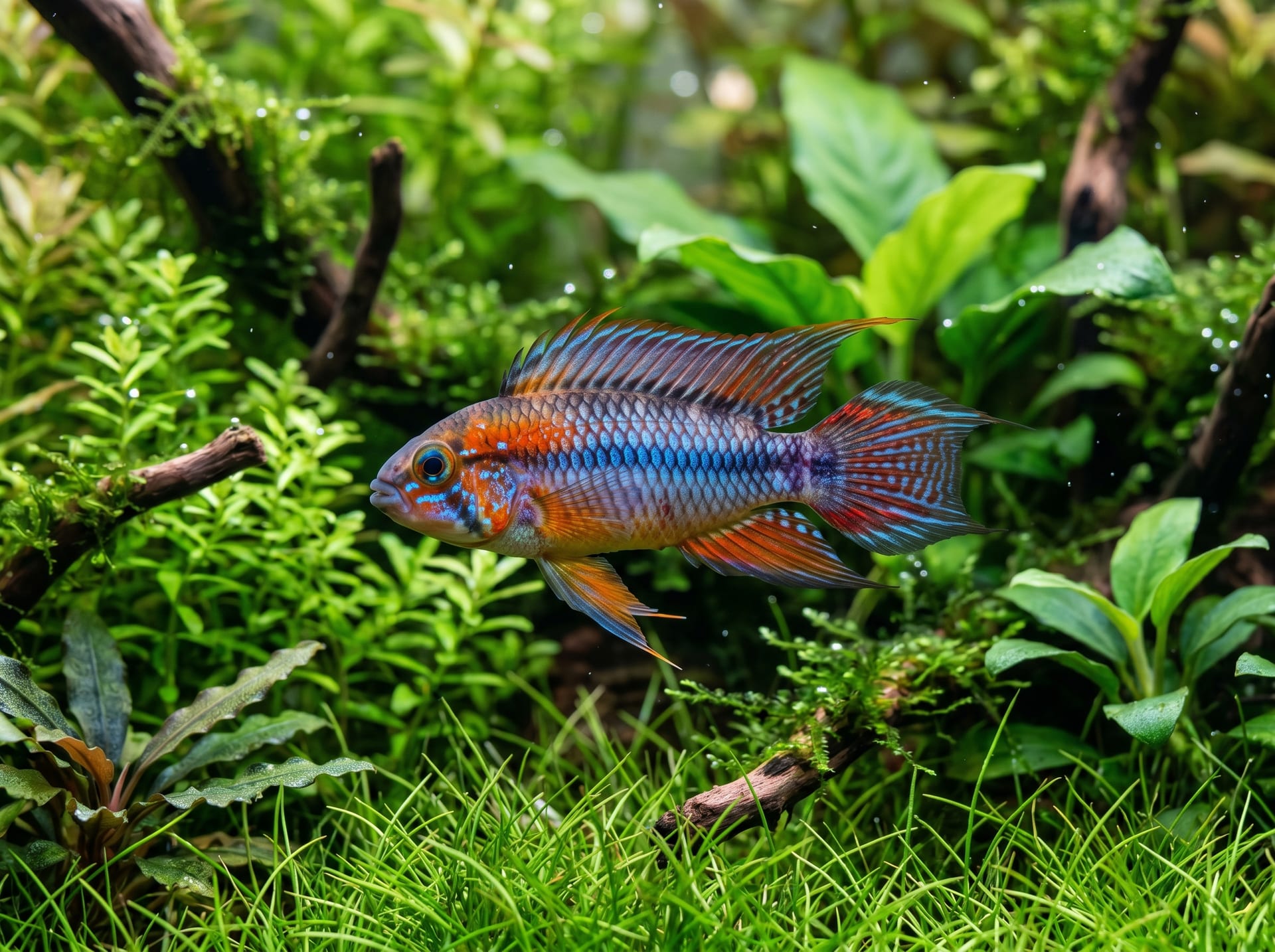
- Apistogramma
How to Recreate in Your Aquarium
- Creating Soft Water: Use RO water or water passed through ion-exchange resin. In areas with hard tap water (GH 10 or above), using tap water directly will result in water that is too hard
- Creating Blackwater: Place alder cones, Indian almond leaves (magically leaf), or peat moss in your filter to leach tannins and humic acids, creating naturally acidic soft water
- pH Adjustment: Gradually lower pH using pH-lowering additives (phosphate-free) or peat moss. Avoid sudden changes
- Low Lighting: Blackwater environments are naturally dimly lit, so darker lighting and high plant density will stabilize the fish's coloration
Southeast Asia: Thailand, Malaysia, Indonesia
Water Quality Characteristics
Most tropical fish native to Southeast Asia inhabit water with relatively moderate characteristics (slightly acidic to neutral, moderate hardness).
| Parameter | Typical Value |
|---|
| pH | 6.5–7.5 |
| Hardness (GH) | 5–15°dH |
| Water Temperature | 25–28°C |
| Color | Clear to slightly tan |
| Clarity | Relatively high |
Representative Fish
- Betta (Thai origin)
- Various Gourami species (Dwarf Gourami, Chocolate Gourami, etc.)
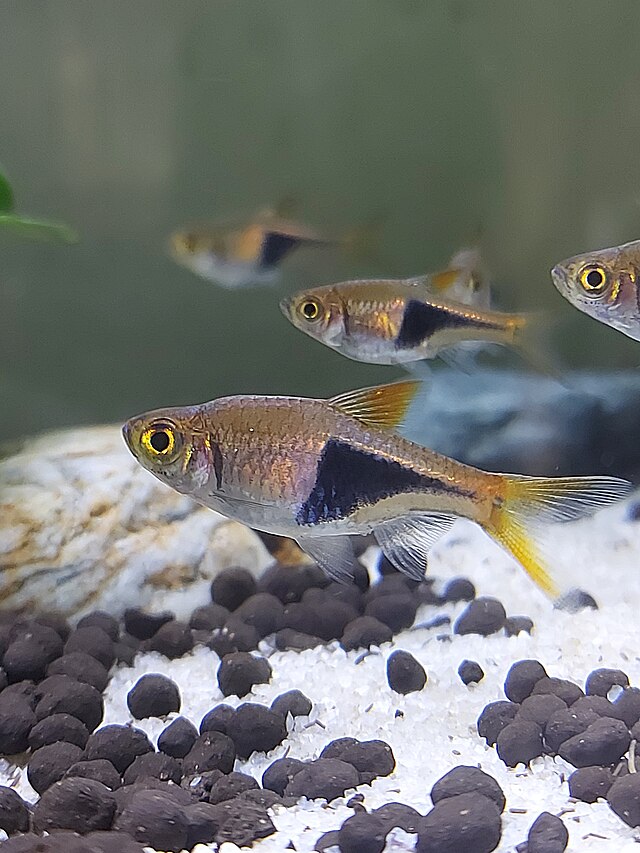
- Various Rasbora species (Harlequin Rasbora, etc.)
- Kuhli Loach
- Endler's Livebearer (many lines are hybrids with Trinidad strains)
How to Recreate in Your Aquarium
- Tap Water Often Works As-Is: In many Japanese regions, tap water has a pH near 7 and GH around 3–10, making it suitable for Southeast Asian fish without adjustment
- For Bettas: Most bettas prefer slightly acidic water (pH 6.5–7.0). Using a commercial betta conditioner or adding 1–2 Indian almond leaves will help them adjust more easily
- Temperature Maintenance: Southeast Asian species are most active at 26–28°C, making winter heater management essential
East African Rift Lakes: Lake Tanganyika and Lake Malawi
Water Quality Characteristics
The rift lakes of East Africa have alkalinity and hardness nearly comparable to seawater.
| Parameter | Lake Tanganyika | Lake Malawi |
|---|
| pH | 7.8–9.0 | 7.5–8.5 |
| Hardness (GH) | 11–17°dH | 6–12°dH |
| KH | 10–16 | 6–10 |
| Water Temperature | 24–27°C | 24–28°C |
Representative Fish
- African Cichlids (excluding Mbunas, Frontosas, Oscars, etc.)
- Lamprologus Cichlids (Lake Tanganyika)
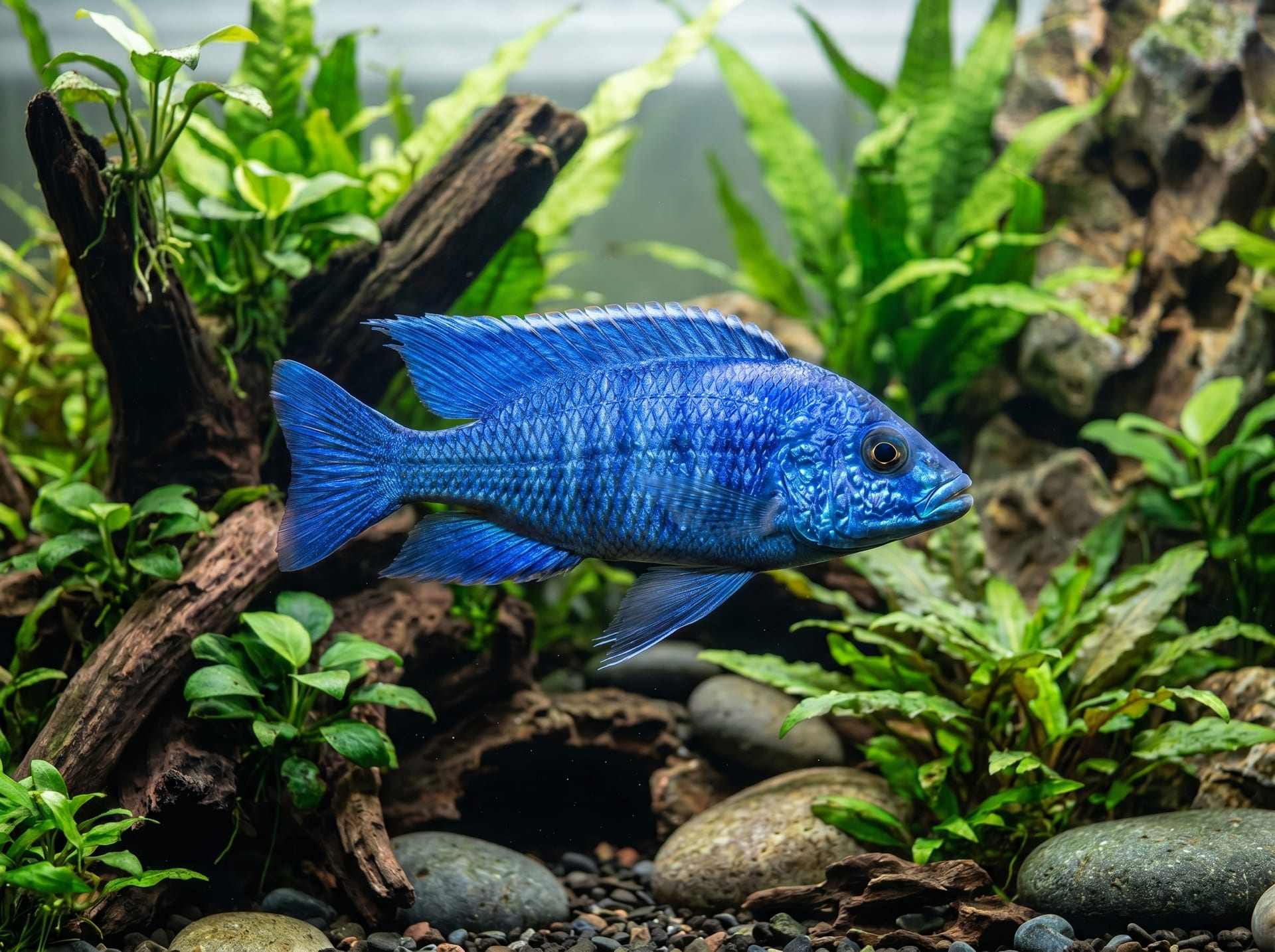
- Aulonocara (Lake Malawi)
How to Recreate in Your Aquarium
- Increasing Hardness: Using coral sand, crushed oyster shells, or limestone-based rocks (limestone, tufa, etc.) as substrate and decorations will naturally create alkaline, hard water
- Commercial Buffer Additives: Using commercial pH/KH buffer products designed for Tanganyika or Malawi fish makes it easy to maintain proper values
- Water Change Quality Checks: Measure pH, GH, and KH each time you do a water change to ensure there are no sudden fluctuations
- Rock-Based Layout: Since these fish naturally inhabit rocky areas, a cave-like layout with stacked large stones is optimal
Common Problems When Ignoring the Fish's Native Habitat
| Problem | Cause |
|---|
| Poor coloration/faded body color | pH and hardness are far from native habitat values |
| Loss of appetite/staying at bottom | Immune suppression from water quality stress |
| Failure to breed | Insufficient water quality changes to trigger spawning |
| Slow growth | Environment deviates from optimal temperature and water quality |
Water Quality Compromise When Keeping Fish from Different Origins
When keeping fish from different origins together, you'll often need to find a compromise point of "neutral, moderate hardness (pH around 7, GH 8–12)." However, housing ultra-soft water South American species (Discus, Altum Angelfish, etc.) with African high-hardness species (Cichlids) is fundamentally difficult, and we strongly recommend using separate tanks.
Summary
Understanding tropical fish water quality by origin is a shortcut to improved coloration, disease prevention, and breeding success. South American fish require soft, slightly acidic blackwater; Southeast Asian fish thrive in neutral to slightly acidic, moderate hardness; and African rift lake fish need alkaline, hard water. If you view water quality management not as a tedious chore requiring precision but as a tool to bring out the best in your fish, your aquarium hobby will reach a new level of enjoyment.