How to Create an Aquascape Layout Tank Where Tropical Fish Shine | Introduction to Aquascaping
A beginner-friendly guide to the fundamentals of aquascaping (planted tank layout), including substrate selection, rock arrangement, driftwood placement, and plant selection. A practical guide to creating a beautiful nature aquarium.
Key Takeaways
A beginner-friendly guide to the fundamentals of aquascaping (planted tank layout), including substrate selection, rock arrangement, driftwood placement, and plant selection. A practical guide to creating a beautiful nature aquarium.
Related Species
What is Aquascaping?
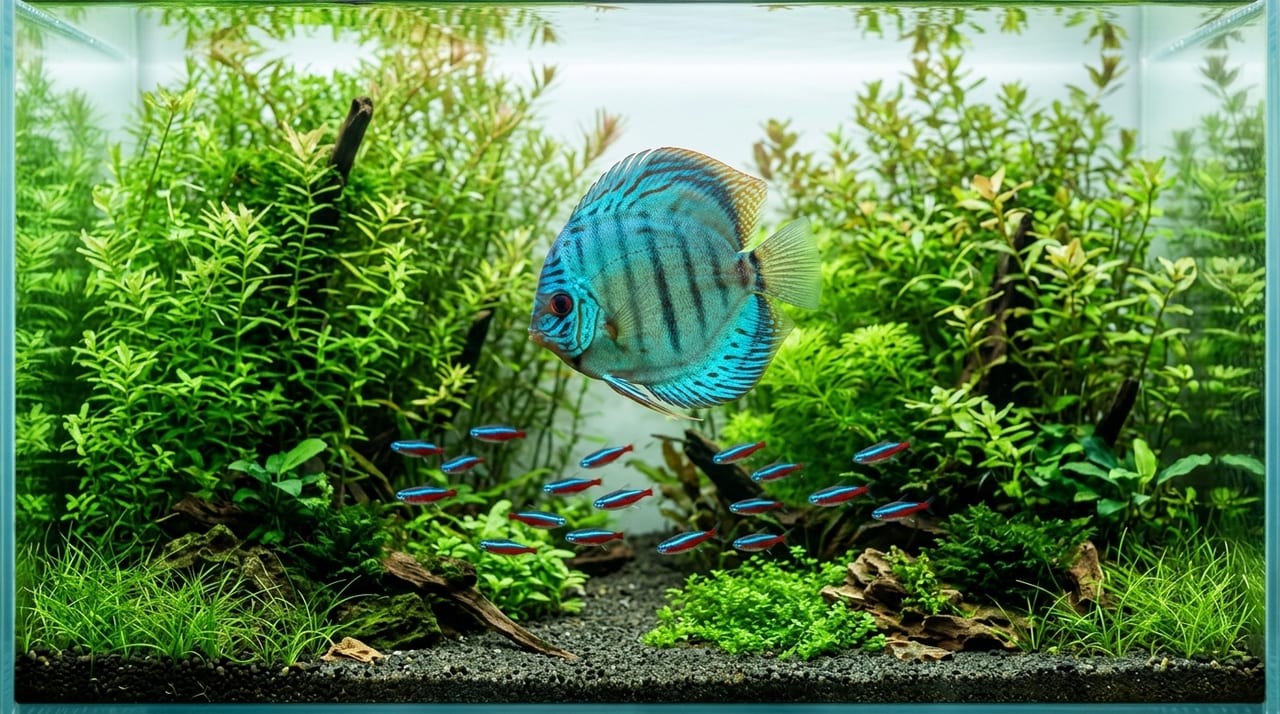
Aquascaping is a general term for layout techniques that recreate natural scenery within an aquarium. The "Nature Aquarium" style established by Japanese aquarist Takashi Amano is internationally recognized and is characterized by layouts combining aquatic plants, driftwood, and rocks that overflow with natural beauty.
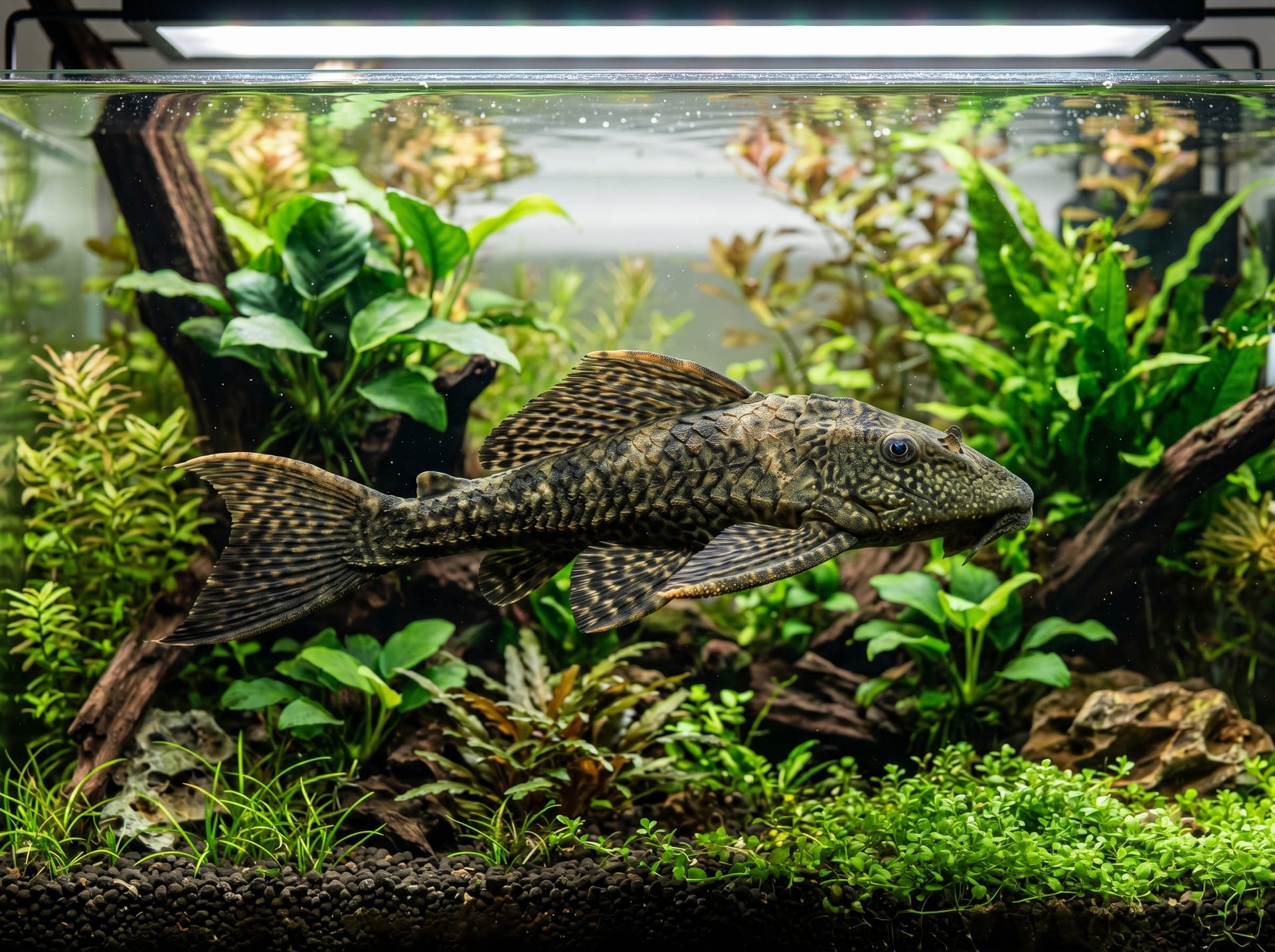
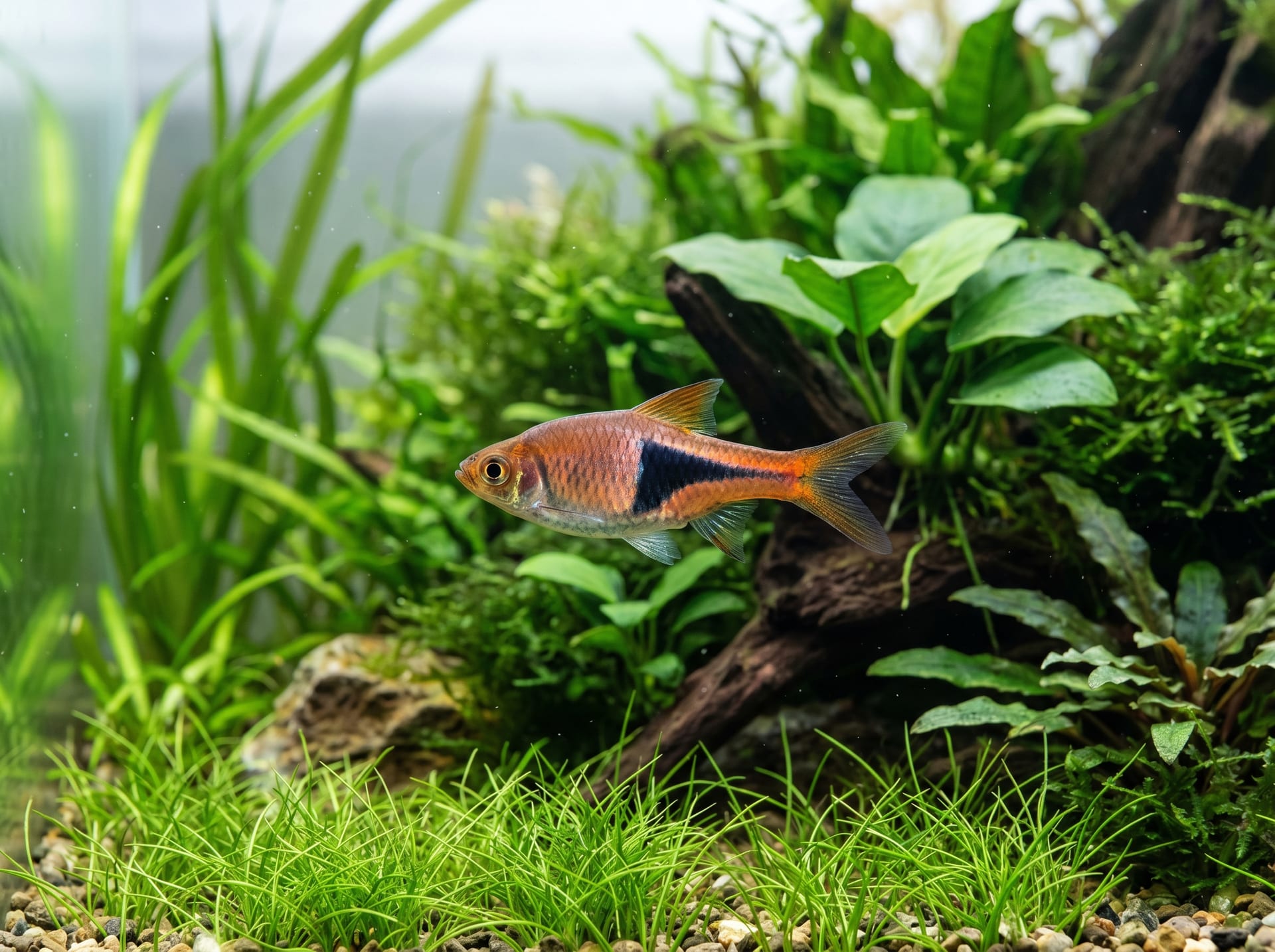
When keeping tropical fish in an aquascape tank, instead of a monochromatic background like a concrete jungle, you can enjoy vibrant fish colors set against green aquatic plants. Fish species that blend harmoniously with plants, such as tetras, rasboras, and corydoras, are particularly striking and have become popular on social media.
The Three Major Styles of Aquascaping
1. Natural (Nature) Style
The most popular style based on Takashi Amano's Nature Aquarium. It recreates "forest" and "grassland" landscapes through combinations of driftwood and stem plants. The basic principle is to arrange aquatic plants in three layers—foreground, midground, and background—to create depth and three-dimensionality.
2. Dutch Style
A style originating in Europe that emphasizes contrast in plant variety and color. It creates the landscape using only aquatic plants, without rocks or driftwood. While maintenance difficulty is higher, it features a vibrant display of diverse plant forms.
3. Rock Arrangement (Iwagumi) Style
A style that combines volcanic rock and dragon stone to create a Japanese garden-like "mountain landscape." The contrast between carpet-like foreground plants and a rocky mountain backdrop is beautiful, and despite its simplicity, it creates powerful visual impact.
Choosing Substrate and Soil
In aquascaping, soil that serves both as a root base for aquatic plants and water quality stabilizer is mainstream.
| Soil Type | Characteristics | Suitable Plants |
|---|---|---|
| Amazonia (ADA) | Nutrient-rich, standard | Most types |
| Project Soil | Good value, resistant to crumbling | Foreground plants, stem plants |
| Master Soil | Low-nutrient, stability-focused | Shade-loving plants, moss |
Substrate thickness should be 3–5 cm in the foreground and 7–10 cm in the background, creating a slope for depth perception. The basic procedure is to lay the substrate evenly before placing driftwood and rocks—a technique called "pre-placement."
Hardscape (Driftwood and Rock) Placement
Golden Ratio and Triangular Composition
The golden rules of aquascape layout are three: "triangular composition," "concave composition," and "convex composition."
- Triangular Composition: Create height on one side and let the base extend diagonally downward. This is the easiest approach for beginners.
- Concave Composition: Create height at both ends with a lower center. This creates depth and expansiveness.
- Convex Composition: Create a mountain in the center, sloping down toward both ends. This features an island-like landscape.
Choosing Driftwood
- Branch Wood: Complex branching creates a natural forest appearance. Particularly effective when moss is attached.
- Horn Wood: Linear and sharp appearance. Well-suited for mountain landscapes when combined with rocks.
- Leaching Process: New driftwood should be leached in baking soda water or soaked for several weeks before use.
Rock Combinations
The basic principle is to use one rock type for unity. Mixing different rock types diminishes cohesion. Dragon stone, volcanic rock, porous rock, and petrified wood are popular choices. Combine three sizes—small, medium, and large—and arrange them facing the same angle and direction for a polished appearance.
Choosing and Arranging Aquatic Plants
Foreground Plants (2–5 cm height)
These spread carpet-like to create a green base.
- Glossostigma: The most popular foreground plant. Spreads rapidly with high light and CO₂ supplementation.
- Hair Grass (Eleocharis): Thread-like plants spread like a carpet. Grows even without CO₂.
- New Large Pearl Grass: Rounded leaves create a soft appearance. Relatively shade-tolerant and easy to grow.
Midground Plants (5–15 cm height)
This zone features many species that serve as focal points of the layout.
- Microsorum: A shade-tolerant plant. Attaching it to driftwood or rocks creates a natural appearance.
- Anubias Nana: Hardy and beginner-friendly. Easily attaches to rocks and driftwood.
- Bucephalandra: A shade-loving plant with a distinctive metallic sheen.
Background Plants (15 cm and above)
Stem plants provide volume in the background.
- Rotala Species (Rotala sp. red, Indica, etc.): Often red-toned, adding color accents to the layout. Creates vibrant coloration with high light and CO₂.
- Pearl Grass (Green): Densely packed rounded leaves create a beautiful appearance. Spreads rapidly with CO₂ supplementation.
- Alternanthera: A stem plant with rich contrast of red, orange, and green tones.
Tropical Fish Suited for Aquascaping
In planted aquascaping tanks, gentle fish species that don't eat or uproot plants are ideal.
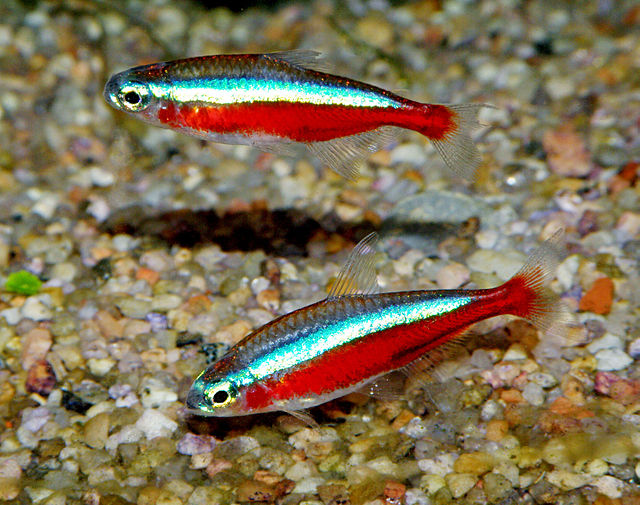
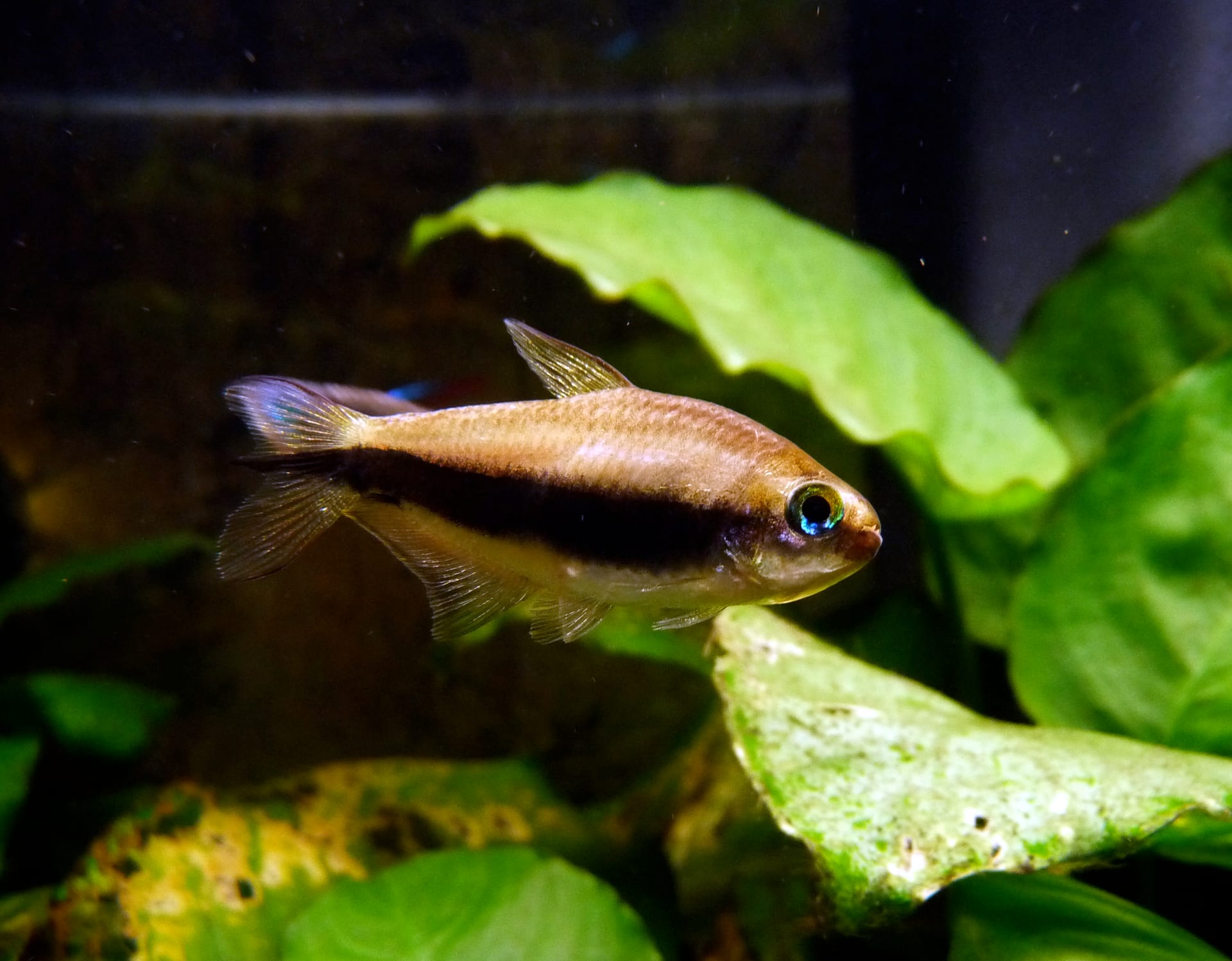
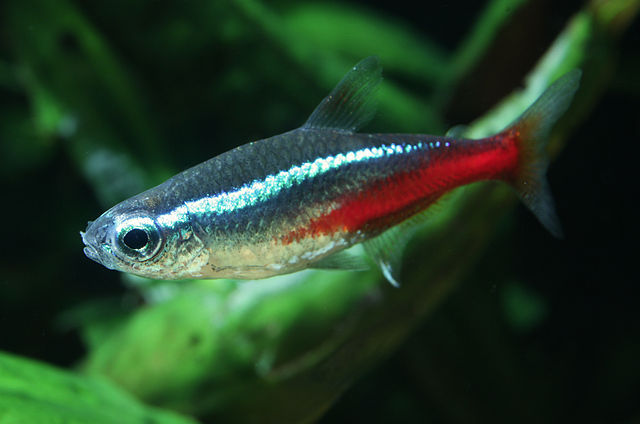
- Characins: Neon tetras, cardinal tetras, emperor tetras. School swimming displays beautifully.
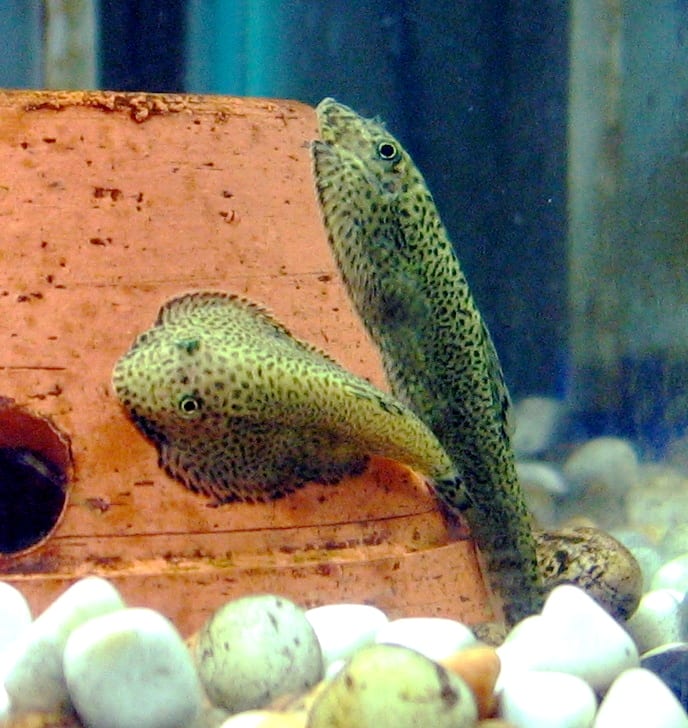
- Rasboras: Rasbora espei, Hong Kong pleco. Red-tinted body colors pop against green.
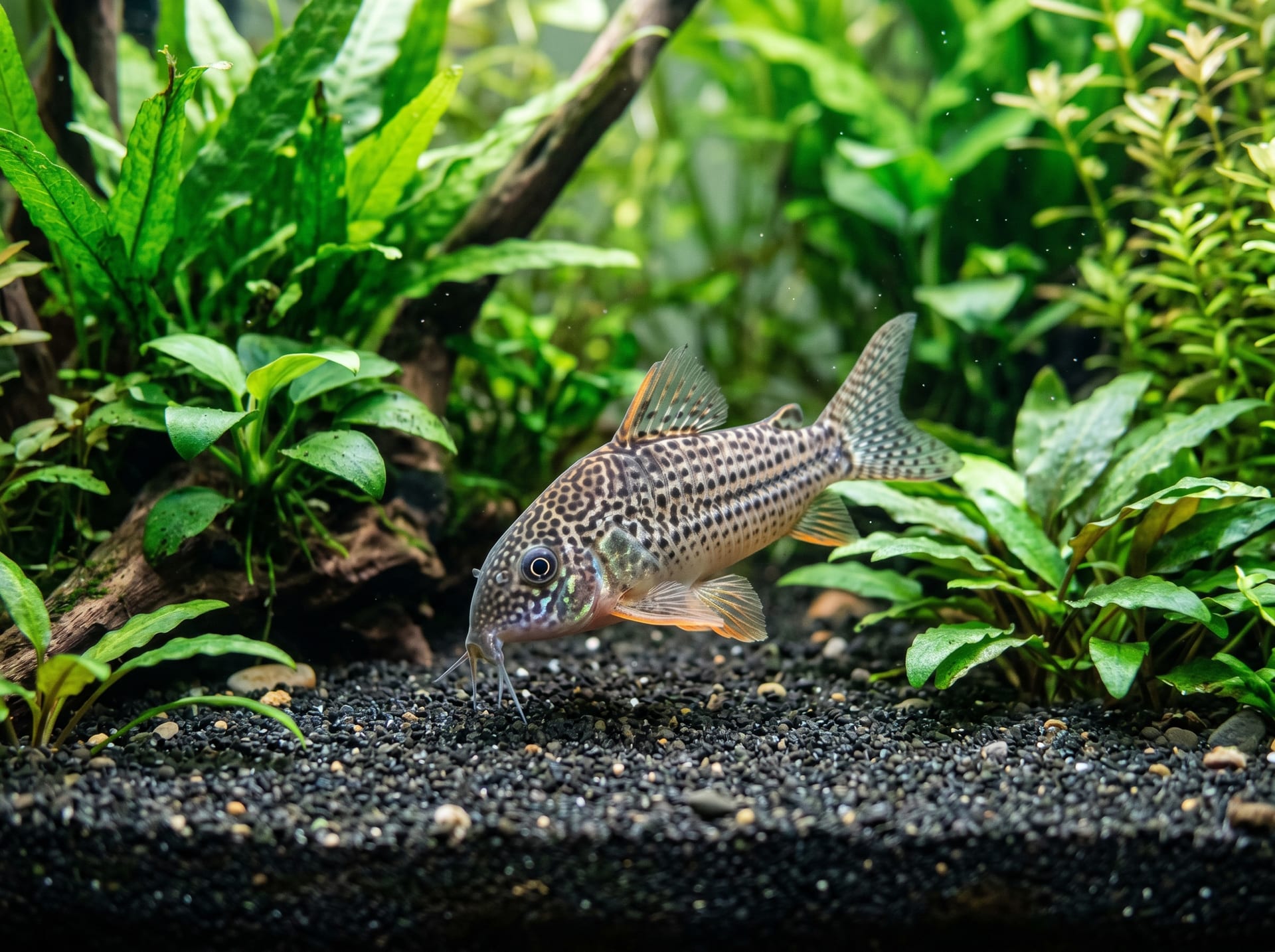
- Corydoras: Swim near the substrate, creating three-dimensionality with plants. Don't disturb the substrate.
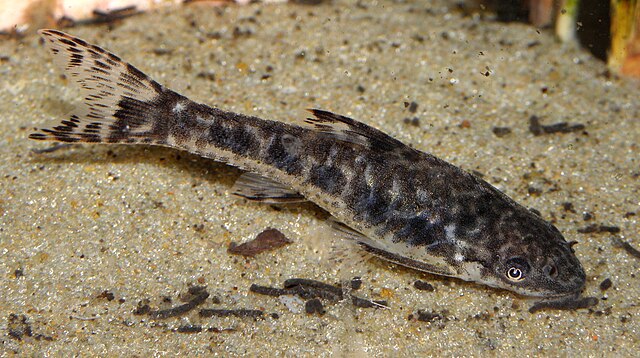
- Otocinclus: Keep the planted tank clean by removing algae from glass and leaves.
Conclusion
Aquascaping is a comprehensive art combining five elements: "composition," "substrate," "hardscape," "plant arrangement," and "fish selection." The quickest path to improvement is to start with triangular composition and about three plant types, gradually increasing variety to pursue your ideal layout. Keep your aquatic plants in good condition with regular trimming and fertilization, and enjoy a beautiful underwater landscape where tropical fish truly shine.