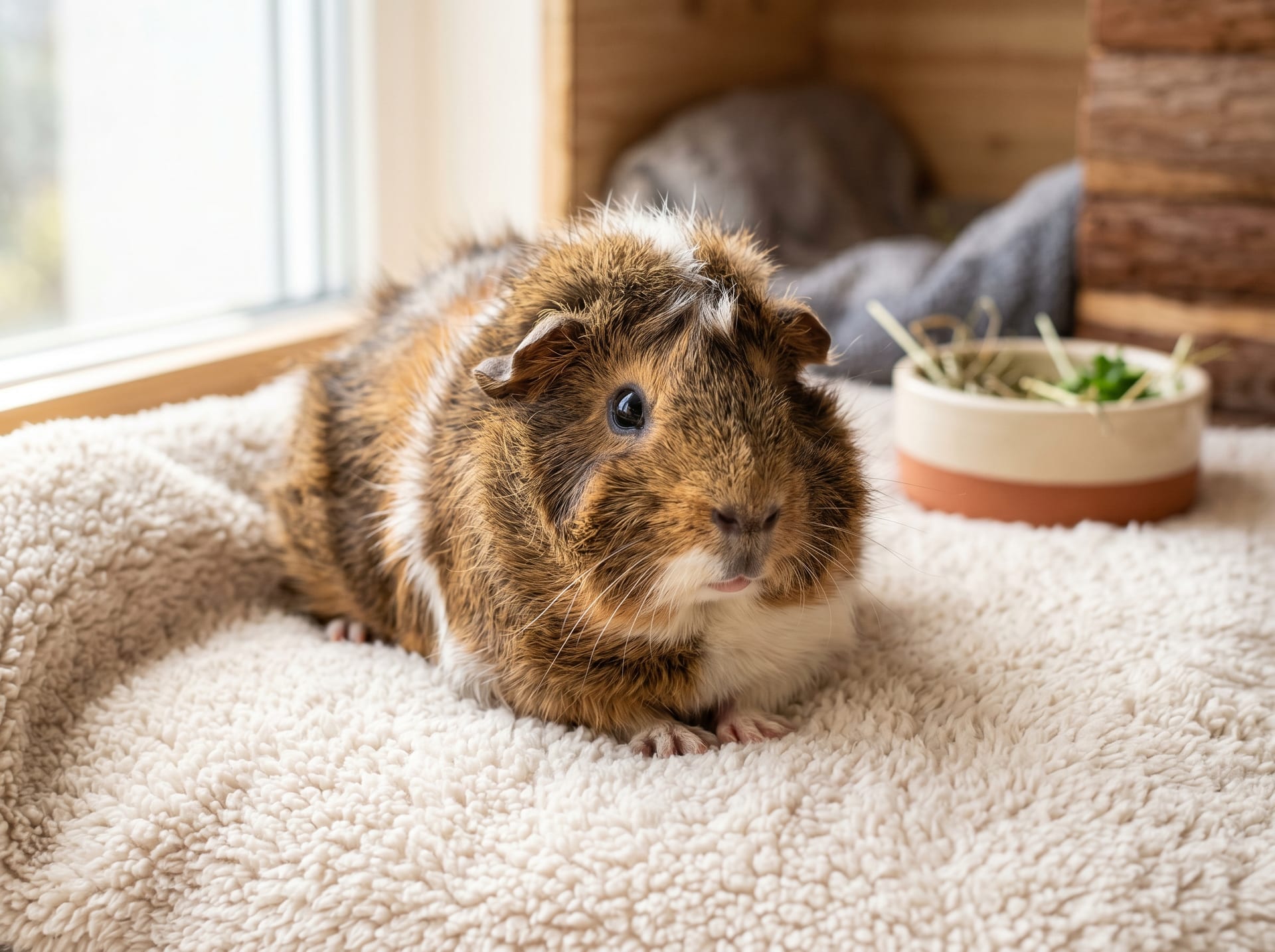
Guide to keeping small animals safely with dogs, cats, and other pets: compatibility, space separation, and conflict prevention strategies.
Key Takeaways
Guide to keeping small animals safely with dogs, cats, and other pets: compatibility, space separation, and conflict prevention strategies.
Families that already have dogs or cats may want to welcome small animals, or conversely, families with small animals may want to welcome dogs or cats. While it is possible for different types of pets to live in the same household, housing animals that could become predators and prey requires careful attention and proper management.
The most important premise is that direct contact between dogs or cats and small animals is basically not recommended. You may see images on social media of dogs, cats, and rabbits huddled together peacefully, but these are exceptional cases, and it is dangerous to generalize them.
Dogs and cats instinctively recognize small animals as prey. No matter how docile a dog or cat may be, there is always a possibility that their hunting instinct will activate the moment a small animal moves quickly. Always keep in mind that an irreversible situation can occur in a split second.
The goal of cohabitation is not "to make them get along" but "to make them coexist safely."
Dogs' hunting instincts vary greatly depending on breed.
High-risk dog breeds: Terrier types (Jack Russell Terriers, Yorkshire Terriers, etc.) were bred specifically to hunt small pests and have very strong reactions to small animals. Dachshunds were also bred for badger hunting and tend to have high interest in burrowing animals. Sighthounds like Greyhounds and Whippets also react strongly to moving small animals.
Medium-risk dog breeds: Many medium to large breeds can coexist with small animals with proper training, but caution is essential. Labrador Retrievers and Golden Retrievers are relatively gentle, but their strength when excited poses a risk of accidental accidents.
Relatively low-risk dog breeds: Toy breeds such as Maltese, Shih Tzus, and Pugs tend to have lower hunting instincts, but individual differences exist, so overconfidence is not advisable.
Dog training: It is important to reliably teach commands such as "leave it" and "gentle." Aim for your dog to remain calm in front of the small animal's cage, and maintain distance immediately if excitement occurs.
Cats have even stronger hunting instincts than dogs. Especially for indoor cats, they have fewer opportunities to display hunting behaviors, so the presence of small animals can stimulate this desire.
Cat claws carry many bacteria (such as Pasteurella bacilli), and small animals scratched by cats can develop fatal infections even from small wounds. "Just a small scratch" can be life-threatening for small animals.
Cats observe cages from high places and may attack when an opportunity presents itself. There have been actual reports of accidents where cats stand on top of a cage and break it, or reach through gaps in the cage to scratch small animals.
The foundation of safe cohabitation is physical spatial separation.
Complete separation method: Designate a room for keeping small animals and close the door so dogs and cats cannot enter. This is the safest method, though it may be difficult depending on your living situation.
Cage separation: House small animals in a sturdy cage that dogs and cats cannot reach into or tip over. Choosing the right cage is important—select one with no gaps large enough for a cat's paw and sufficient weight and stability so a dog's charge cannot tip it over.
Height-based separation: Place the small animal's cage at a height that dogs cannot reach, such as on a shelf or specialized cage stand. However, since cats can climb to high places, this method alone is insufficient for cats.
Double defense: Ideally, combine room separation with cage reinforcement for a two-layer defense system. Even if a door is accidentally opened, the cage serves as a final line of defense.
When allowing small animals out of their cage, completely isolate dogs and cats in separate rooms beforehand.
Never allow dogs or cats in the same space while rabbits are out for "room hopping" (indoor exploration). Rabbits at full speed when startled may crash into walls or fracture bones. If a dog chases a rabbit, the rabbit can die from fear shock alone (stress-induced cardiac arrest).
Hamster exercise (though hamster balls are not recommended, safe exploration in a designated space) and guinea pig floor time require the same level of complete isolation from other pets.
Even without direct contact, the presence of dogs or cats alone can stress small animals.
A dog's barking causes strong fear in small animals. Simply seeing a cat prowling around a cage can cause rabbits to freeze and stop moving. When such stress becomes chronic, symptoms appear such as loss of appetite, diarrhea, deterioration of coat condition, and increased aggression.
If signs of stress are observed, reconsider the placement of animals and room assignments. Simply placing a cover over the cage to block visual stimuli can sometimes be effective.
A word about multi-pet housing of small animals among themselves.
Rabbits: If compatible, two rabbits can be housed together, but spaying/neutering is a prerequisite. Without surgery, there is risk of breeding and aggression. Avoid placing a newcomer directly into the established rabbit's territory; start with an introduction in a neutral space.
Guinea pigs: They are highly social animals that naturally live in groups. Housing in same-sex pairs or groups is recommended. Male group housing carries a risk of fighting, so female pairs or one male with multiple females tend to be the most stable combinations.
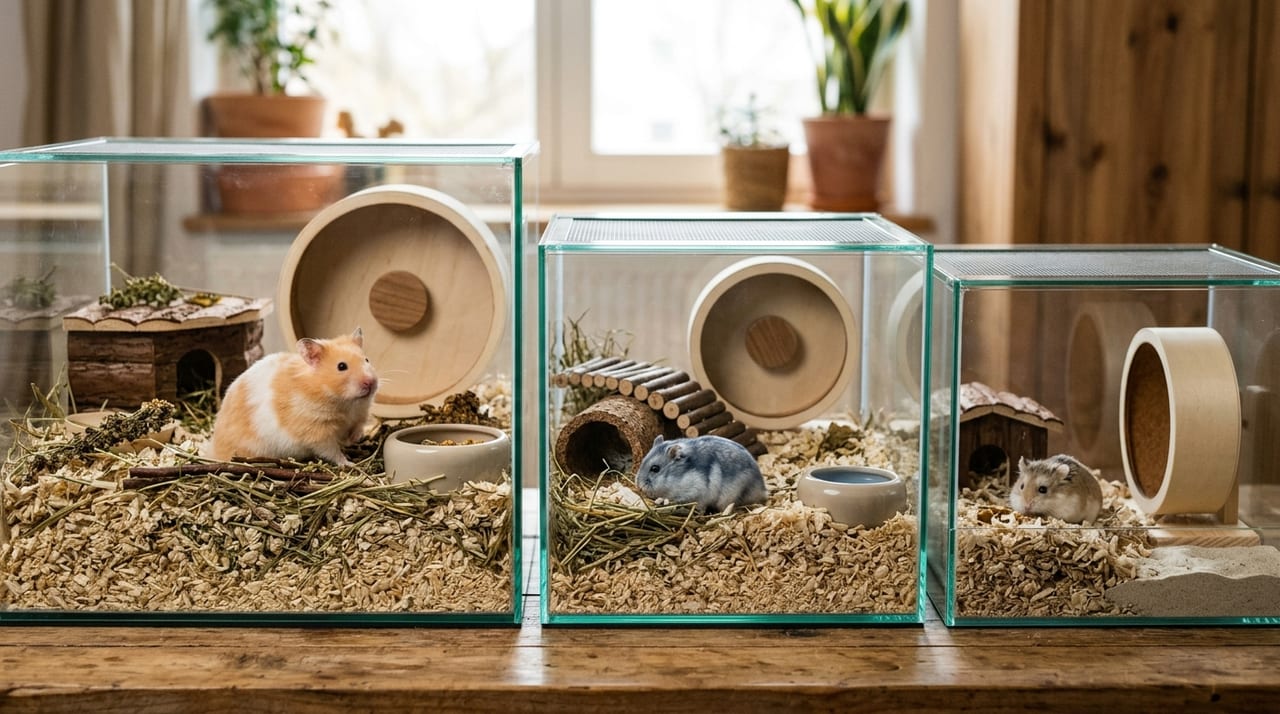
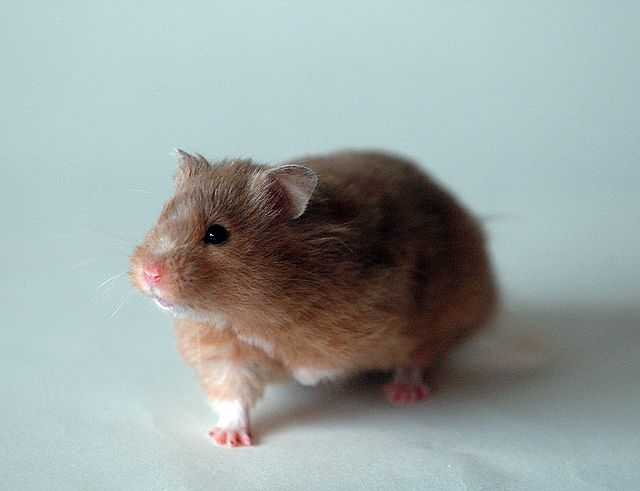
Hamsters: Golden hamsters must be housed alone. Putting them together can result in serious fights leading to injury or death. Dwarf hamsters (Djungarian, Campbell's, etc.) can cohabitate if compatible, but separate them immediately if fighting begins.
When welcoming small animals to a multi-pet household, the individual animal's temperament becomes an important factor. At Br-Choku, you can consult with breeders about your household situation (such as the types of existing pets) and select an individual with a suitable temperament. You can also receive advice on your living environment, which will help you achieve safe cohabitation.
Find Small Animals listings related to this article on BreederDirect. Buy directly from verified breeders.
Feeding Guide
Check feeding frequency, portion sizes & supplements by species and growth stage
Care Cost Calculator
Estimate initial setup costs and monthly running costs by category
Environment Checker
Get pet & plant recommendations based on room temperature, space & time
Seasonal Care Calendar
Monthly care events and seasonal management tips at a glance