Step-by-step guide to bonding with small pets: post-adoption handling, gradual taming, species-specific approaches, and trust-building tips.
Key Takeaways
Step-by-step guide to bonding with small pets: post-adoption handling, gradual taming, species-specific approaches, and trust-building tips.
When you bring home a small animal, it's natural to want to bond with it as soon as possible. However, small animals are inherently prey animals in their natural ecology, so they have an instinctive wariness toward the massive presence that is a human. Building trust requires time and patience, and rushing only backfires.
The most important thing in building trust is understanding small animal psychology.
Small animals like rabbits, hamsters, guinea pigs, chinchillas, degus, and hedgehogs are prey in their natural habitat. A hand extending from above evokes associations with predatory bird attacks, and sudden movements or loud noises signal the approach of predators. Building trust is the process of demonstrating that "this human is a safe presence" while understanding this instinctive fear response.
Also, small animals show tremendous individual variation. Even within the same breed, personalities vary greatly—some are curious and quickly become tame, while others are timid and take longer. It's important not to compare them to other individuals and instead match their pace.
The period immediately after bringing a small animal home is the most stressful for them.
Environment Preparation: Complete setting up the cage before bringing the animal home, and have a calm environment ready immediately upon arrival. Always install a hiding place (house). Without somewhere to hide, the animal will experience extreme stress.
Leave Them Alone for the First Three Days: Once in the cage, avoid contact except for food and water changes. Don't peer in or talk too much—quietly let them adjust to the space. If you try to touch them forcibly during this period, they'll remember humans as "scary beings," making future taming difficult.
Acclimate Them to Your Voice and Scent: Go about your normal life near the cage and speak to them in a natural tone of voice. Avoid especially loud or high-pitched voices, and speak in a calm manner. Placing a cloth with your scent on it (like a piece of a used t-shirt) in the cage will help them become accustomed to your scent faster.
Once the small animal begins settling into the new environment, gradually close the distance.
Step 1: Acclimate Them to Your Hand: Quietly place your hand through the cage entrance without moving it. Palm facing up with fingers spread is the least threatening position. Wait for the small animal to approach of its own accord. Don't try to touch at this stage.
Step 2: Shorten the Distance with Treats: Hold a treat on your palm and offer it. At first, place the treat near your hand, gradually moving it so the animal must step onto your hand to eat it. Once they come to eat the treat, it's important to keep your hand still.
Step 3: Light Touch: While they're eating a treat, try gently stroking their back or rear with your other hand. If they dislike it, stop immediately. Continuing to touch despite resistance will strengthen their fear.
Step 4: Lifting: Once they're sufficiently accustomed to your hand, lift them by supporting their body from below with both hands. At first, lift them for just a few seconds then put them down, gradually extending the duration. Always scoop from below rather than grasping from above.
The technique for taming varies depending on the type of small animal.
Rabbits: Fundamentally, they don't like being held, but you can build a relationship of "gentle petting" where they relax next to you. Sit on the floor to be at their eye level and wait for the rabbit to come to you. Many rabbits enjoy being stroked on the forehead or at the base of their ears. Foot thumping (thumping) is a sign of wariness, so if this happens, give them space.
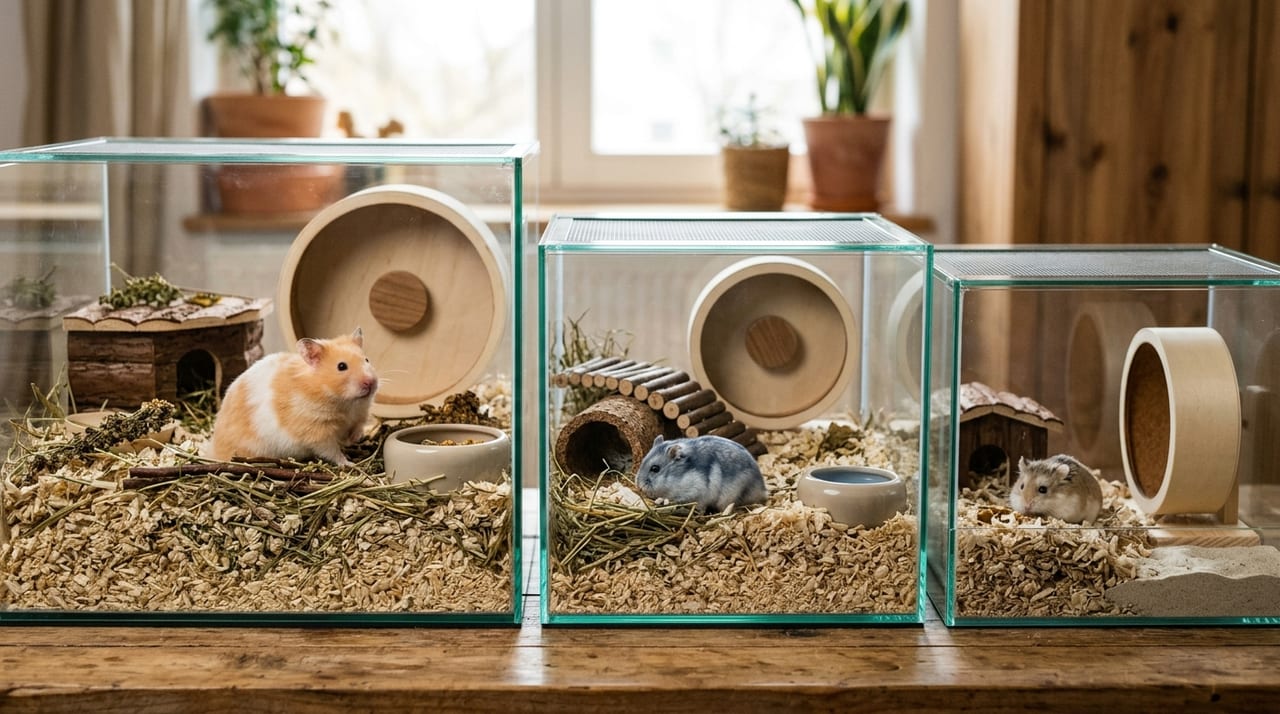
Hamsters: Since they're nocturnal, communicate during their active hours. Never wake them during daytime sleep. Hamsters have weak vision but highly developed sense of smell, so they identify their owner by hand scent. Using the same hand soap each time maintains scent consistency.
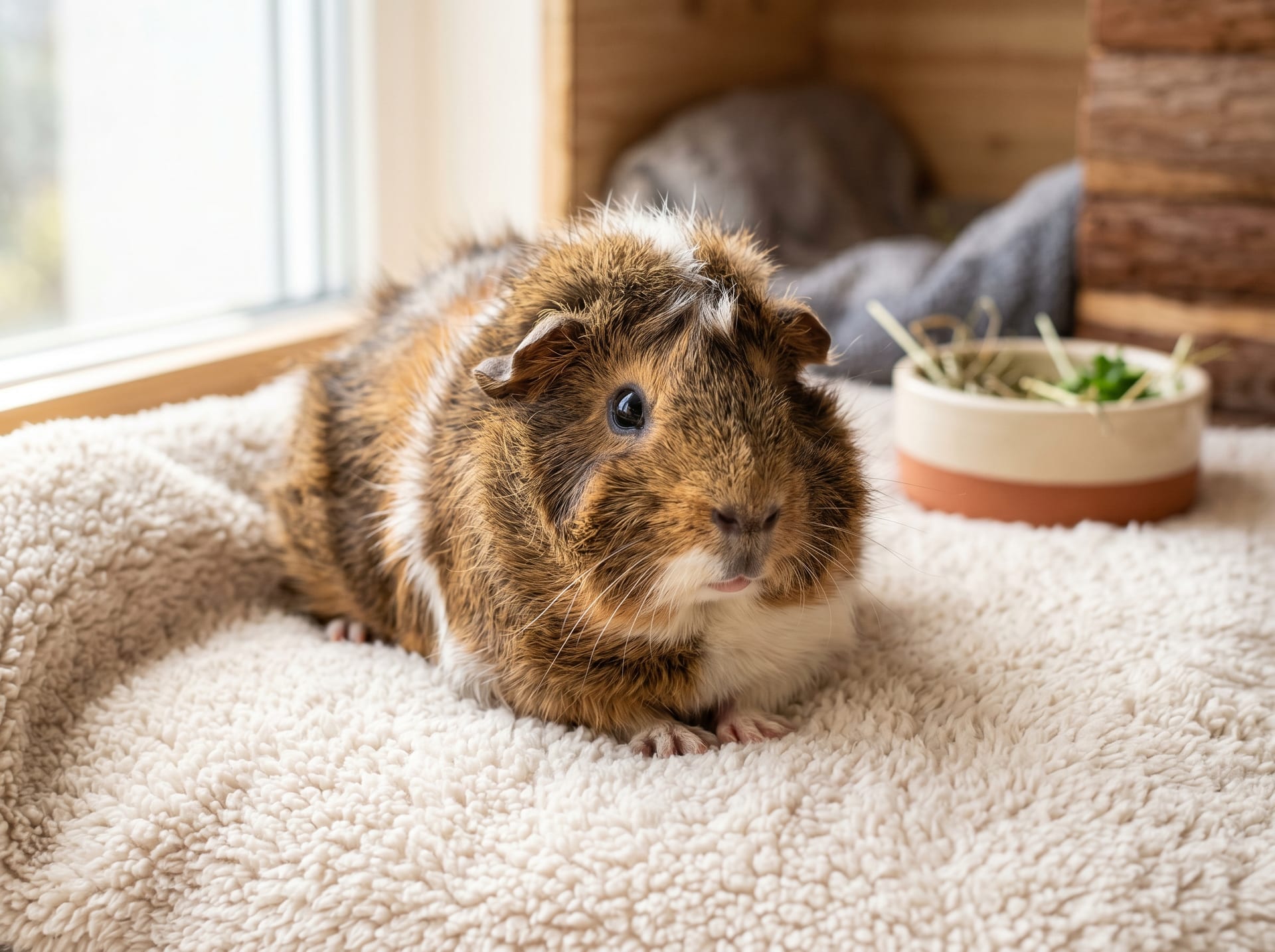
Guinea Pigs: They have high sociability and communicate through vocalizations. They can learn their owner's voice and may respond when their name is called. Guinea pigs don't move fast except when escaping, so slow, deliberate movements help them become tame relatively quickly. They're recommended for group living due to their social nature, so having companions helps them feel mentally secure.
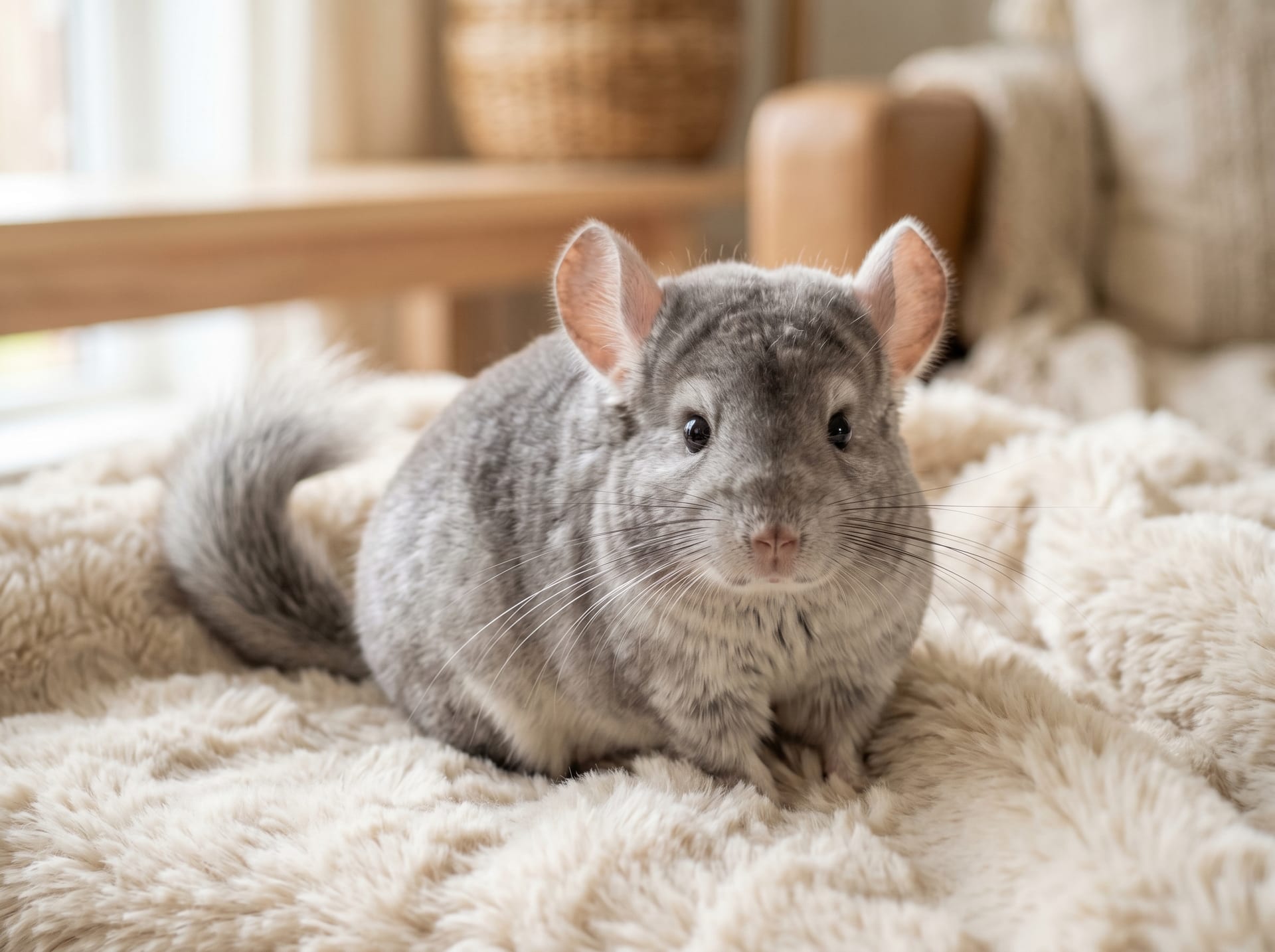
Chinchillas: Extremely sensitive and delicate, though some individuals become affectionate once tamed. Their fur is very delicate—grasping too hard causes hair loss (fur slip), so when holding them, support the tail base and scoop the body from below. They're nocturnal and most active in the evening and beyond.
Hedgehogs: The spines may seem daunting, but when relaxed they lay flat and don't hurt. Initially lift them with a thick cloth like fleece wrapped around your hand, and as they become accustomed, progress to touching them with bare hands. They're very sensitive to scents and may dislike strong-smelling soaps or hand creams.
Avoid behaviors that can damage the trust you've built.
Suddenly extending your hand from above creates fear of being attacked by a predator. Chasing them reinforces the fear of "being caught if I don't flee." Making loud noises, bringing other pets (cats or dogs) near, or prolonged forcible handling damages trust.
If children are touching them, adults must always supervise. Children don't know restraint and may grip too hard or suddenly cry out, causing the small animal great stress.
It's also important not to miss signs of dislike. A rabbit's foot thumping or teeth grinding (teeth grinding when uncomfortable makes a small clicking sound), a hamster's threatening position with their back down and mouth open, a chinchilla's fur slip, or a hedgehog's raised spines and hissing breath are all signs that say "please stop."
A small animal's tameness is greatly influenced by socialization experiences during early development. At Br-choku, you can bring home individuals directly from breeders who have been raised with human contact from a young age. Since breeders understand each individual's temperament, you can select friendly animals or receive advice on how to tame them.
Find Small Animals listings related to this article on BreederDirect. Buy directly from verified breeders.
Feeding Guide
Check feeding frequency, portion sizes & supplements by species and growth stage
Care Cost Calculator
Estimate initial setup costs and monthly running costs by category
Environment Checker
Get pet & plant recommendations based on room temperature, space & time
Seasonal Care Calendar
Monthly care events and seasonal management tips at a glance