Reptile Disease and Health Management Guide | How to Identify Symptoms and Prevention Strategies
Learn about common reptile diseases (metabolic bone disease, shedding problems, respiratory infections, etc.), their symptoms, and treatment approaches. Also covers daily health checkpoints and how to find veterinary clinics that specialize in reptile care.
Key Takeaways
Learn about common reptile diseases (metabolic bone disease, shedding problems, respiratory infections, etc.), their symptoms, and treatment approaches. Also covers daily health checkpoints and how to find veterinary clinics that specialize in reptile care.
Related Species
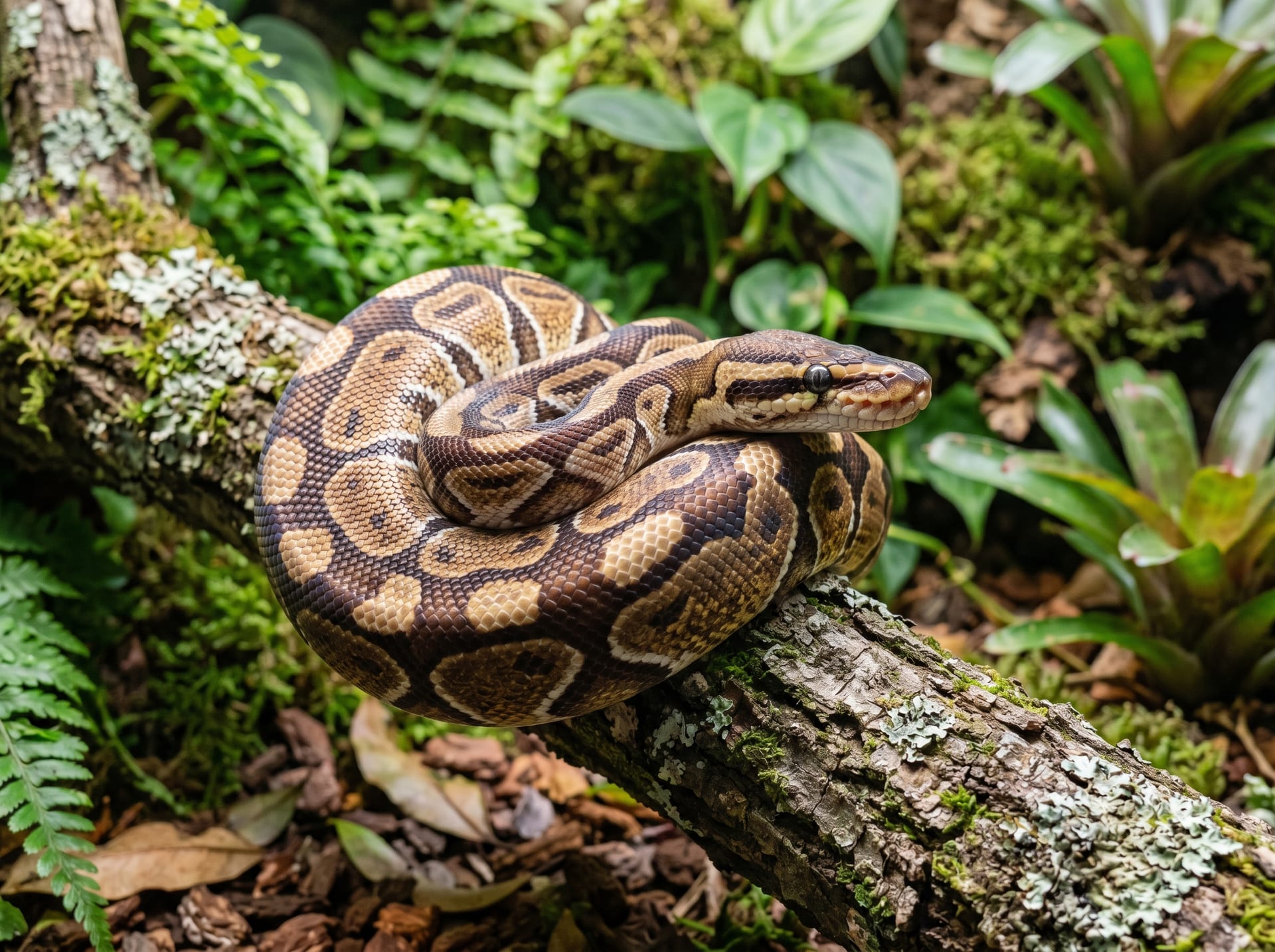
Reptiles, unlike mammals and birds, are skilled at hiding changes in their physical condition. In the wild, showing weakness makes them vulnerable to predation, so they instinctively conceal signs of illness. Because of this, by the time an owner notices "something seems wrong," the illness is often already quite advanced. That's why developing a daily observation habit and gaining proper knowledge are your greatest tools for protecting your reptile's health.
Healthy Reptile Checkpoints
The first step is to understand what "healthy" looks like. You can only notice abnormalities if you're familiar with your reptile's normal state. When feeding and observing daily, check the following points:
Appearance and Physical Condition
- Eyes: Should be clear and bright. Eyes may appear cloudy before shedding, but cloudiness at other times is a warning sign
- Skin: Should be smooth and glossy; check for wounds or retained shed skin (shedding problems)
- Body weight: Weigh your reptile weekly on a kitchen scale and watch for sudden weight loss
- Mouth and nose area: Check for discharge or swelling, and ensure the mouth can close properly
Behavior and Excretion
- Appetite: While it varies by species and season, loss of appetite lasting more than two weeks warrants attention
- Excretion: Check that uric acid (white solid waste) and feces are being passed normally. Diarrhea or bloody stool are signs of abnormality
- Activity level: Observe changes in daytime behavior patterns and response during handling
- Breathing: Breathing should be quiet with the mouth closed. Mouth breathing or unusual sounds are danger signs
Common Diseases, Symptoms, and Treatment
Understanding common reptile health issues helps with early detection.
Shedding Problems (Dysecdysis)
This occurs when shed skin remains on the body, particularly around the eyes, toes, and tail tip. If left untreated, poor blood circulation can result, and in severe cases, tissue death. Detailed care instructions are covered in The Complete Reptile Shedding Care Guide.
- Main causes: Insufficient humidity, nutritional deficiency, lack of textured surfaces in the enclosure to aid shedding
- Treatment: Soak in lukewarm water (35-40°C) for 15-20 minutes to soften the skin, then gently remove with a soft cloth or cotton. Avoid pulling forcefully as this can damage the skin
- Prevention: Maintain proper humidity and place shedding aids like driftwood and rocks in the enclosure
Stomatitis (Mouth Rot)
Characterized by swelling and redness around the mouth, excessive mucus secretion, and inability to close the mouth properly. Bacterial infection is the main cause, and if left untreated, can progress to sepsis.
- Main causes: Bacterial infection, weakened immune system, stress, nutritional deficiency
- Treatment: Seek a reptile veterinarian immediately. Self-treatment can worsen the condition
- Prevention: Maintain a clean enclosure and ensure proper nutrition
Cryptosporidiosis
A parasitic infection caused by Cryptosporidium that results in chronic diarrhea, weight loss, and loss of appetite over an extended period. It can occur in ball pythons and leopard geckos, among others.
- Characteristics: Very difficult to cure; infected individuals may require lifelong management
- Treatment: Isolate the affected reptile immediately to prevent spread to other animals, and work with a specialist veterinarian to determine a treatment plan
- Prevention: Quarantine any new individuals before introducing them to existing ones—this is the most important preventive measure. The importance of quarantine is also detailed in The Complete Ball Python Care Guide
Respiratory Infections
Signs include mouth breathing, wheezing, and nasal discharge. If the enclosure temperature is too low, immune function decreases, making bacterial and viral infections more likely.
- Main causes: Low temperature environment, bacterial or viral infection
- Treatment: First restore the environment to proper temperature, then see a veterinarian as soon as possible
- Prevention: Maintaining proper temperature gradients between basking and cooler areas is key. See The Complete Reptile Lighting and Heating Guide for more details
Metabolic Bone Disease (MBD)
This disease occurs when calcium or vitamin D3 deficiency causes bones to soften and deform. It's particularly common in herbivorous and omnivorous lizards. Symptoms include spinal and limb deformities and muscle twitching. For detailed information on the relationship between UVB lighting and calcium, see Reptile Metabolic Bone Disease (MBD) Prevention Guide.
- Main causes: Calcium or vitamin D3 deficiency, insufficient UVB lighting
- Treatment: Under veterinary guidance, provide calcium and vitamin D3 supplementation
- Prevention: Use appropriate UVB lighting and make dusting food with calcium powder a regular habit
Daily Management to Prevent Disease
Most diseases can be prevented through proper enclosure conditions and daily care.
- Strict temperature and humidity control: Improper temperature is the leading cause of immune suppression. Install thermometers and hygrometers to constantly maintain proper levels
- Keep the enclosure clean: Remove waste the same day and periodically disinfect the entire enclosure. Neglect creates an environment where bacteria and parasites thrive
- Balanced diet: For insectivores, practice gut-loading (nutritionally enriching feeder insects) and dust food with calcium powder. Reptile Live vs. Frozen Prey Guide can help with feeding choices
- Quarantine new individuals: Isolate new animals in a separate enclosure for at least 2-4 weeks before introducing them to existing ones to confirm their health
- Reduce stress: Excessive handling and sudden environmental changes suppress immune function. During the first 1-2 weeks in a new environment, minimize disturbance. See Reptile Handling Guide for proper handling techniques
Find a Reptile Specialist Veterinarian Beforehand
Reptile care requires specialized knowledge, and not all veterinary clinics can provide it. General small animal clinics often decline reptile patients, and trying to find a vet after your reptile becomes ill may be too late.
Before bringing a reptile home, search for a local veterinarian who specializes in reptiles. Searching "exotic animal veterinarian [your city]" usually works well. Call ahead to confirm which species they treat. Getting an annual wellness exam can also help catch internal issues early that aren't visible from the outside. As of 2026, reptile specialty clinics are increasing across the country, making veterinary care more accessible than ever.
BreederDirect's Safety and Reliability System
A healthy reptile starts with a trustworthy breeder. BreederDirect is a direct-sales platform where experienced reptile breeders raise individual animals under proper temperature and humidity control, and you can ask questions about care conditions and health before purchasing.
Unlike pet shops, you can get specific information directly from the breeder—"What insects is this individual eating?" "When did it last shed?" "What's the background of the parent animals?"—making the transition to your own care smooth. Working directly with the breeder who raised the animal also means you can resolve any care questions on the spot.
With proper care, reptiles can live healthy lives for many years. Make daily observation a habit and cherish the opportunity to welcome a healthy individual from a trusted breeder.