Complete Guide to Reptile Lighting and Heating | UVB, Basking, and Heating Basics
Explains how to choose and use lighting and heating equipment for reptile care. Introduces light intensity and temperature guidelines for different species.
Key Takeaways
Explains how to choose and use lighting and heating equipment for reptile care. Introduces light intensity and temperature guidelines for different species.
Related Species
Fundamentals of Lighting and Heating in Reptile Care
In reptile care, lighting and heating are equipment that literally determine survival—it's no exaggeration. Unlike mammals and birds, reptiles are ectothermic animals (cold-blooded). Since they cannot generate their own body heat, keepers must establish proper environmental conditions to support their thermoregulation.
There are three major elements needed: synthesis of Vitamin D3 via UVB lighting, body temperature elevation through basking lights, and night-time heating. In recent years, LED-type UVB lights have seen performance improvements, with more products offering longer lifespans and lower heat output compared to traditional fluorescent tube types, but the basic principles remain unchanged. By properly combining these elements, you can recreate a naturalistic environment and enable reptiles to maintain their inherent health. First, let's thoroughly understand the role of each element.
UVB Light | Essential Ultraviolet Radiation for Vitamin D3 Synthesis
UVB (ultraviolet B radiation) is essential light for synthesizing Vitamin D3 in reptile bodies. Vitamin D3 promotes calcium absorption in the intestines; when it's deficient, calcium cannot be absorbed into the body, leading to a serious condition called metabolic bone disease (MBD). MBD causes bone deformity and softening, and in the worst cases can be fatal—it's one of the most common diseases in reptile care.
Ferguson Zones and UVB Intensity by Species
UVB exposure in natural environments varies significantly depending on reptile species. This is systematically shown in the "Ferguson Zone" index, based on research by reptile physiologist Gary Ferguson and colleagues.
Reptile Species
Ferguson Zone
Recommended UVB Intensity
Geckos (nocturnal)
✍️
BreederDirect Editorial
The BreederDirect editorial team specializes in care information for animals, covering veterinary care and breeding to deliver beginner-friendly guides.
Find Reptiles on BreederDirect
Buy directly from verified breeders
Browse Related Listings
Find Reptiles listings related to this article on BreederDirect. Buy directly from verified breeders.
Nocturnal geckos require only weak UVB, but bearded dragons and tortoises, which inhabit deserts and grasslands, need strong UVB. Using light intensity inappropriate for the species can cause eye damage from excessive UV exposure or skin problems, so it's important to select lighting suited to your specific species.
Important Considerations for UVB Light Installation
Maintain proper distance: Always check the manufacturer's recommended distance between the light and basking spot. If too far, UVB won't reach properly; if too close, overexposure results.
Avoid mesh barriers: Shining UVB through metal mesh screen cuts approximately 30% of UV. Glass and acrylic reduce transmission even further, so avoid placing barriers in the UVB exposure area.
Regular replacement: UVB lamp degradation isn't visually obvious. Most fluorescent tube types see significant output reduction within 6–12 months. While many newer LED-type UVB lights maintain output longer, degradation over time cannot be eliminated entirely. Use a dedicated UVB meter (such as a solar meter) to measure regularly, or follow the manufacturer's recommended replacement schedule.
Basking Light | Creating the Essential Hot Spot for Thermoregulation
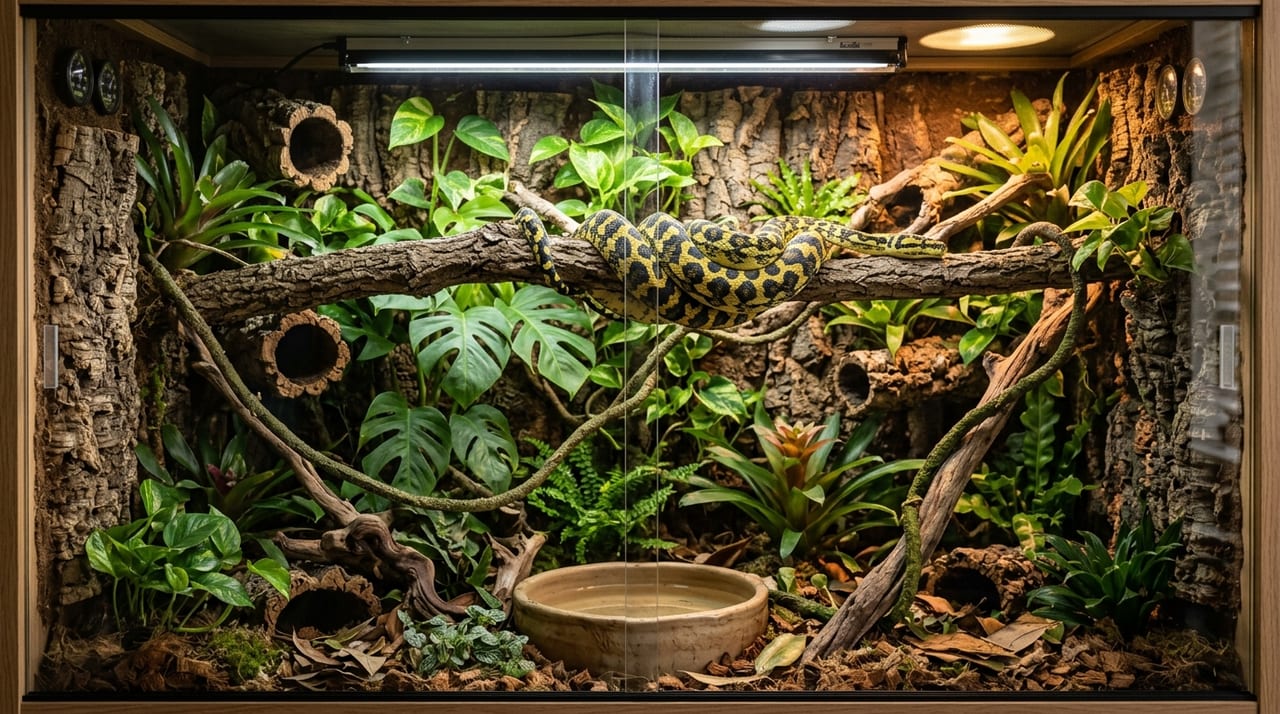
Basking is the behavior of reptiles positioning themselves in warm areas to raise their body temperature. In the wild, they raise body temperature by basking in sunlight, but in captivity, basking lights (spot lights) serve this purpose.
Basking Spot Temperature Settings
Appropriate temperatures vary by species, but use the following as a guide:
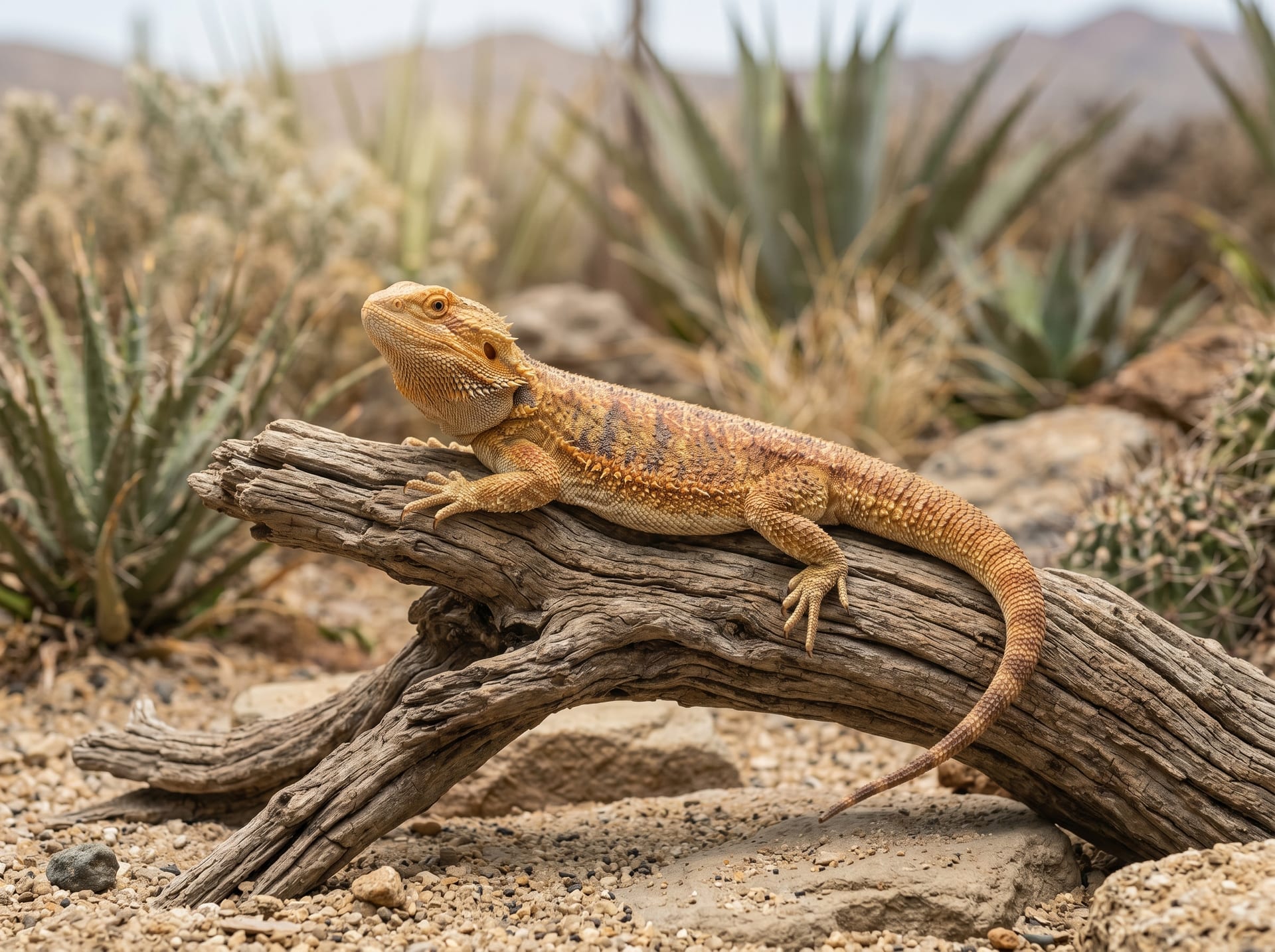
Bearded Dragons: 40–45°C (juveniles are safer at the slightly lower 38–40°C)
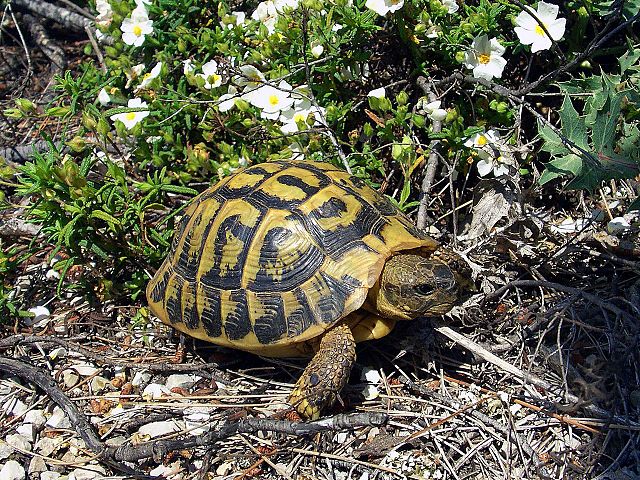
Tortoises (Hermann's tortoises, etc.): 35–40°C
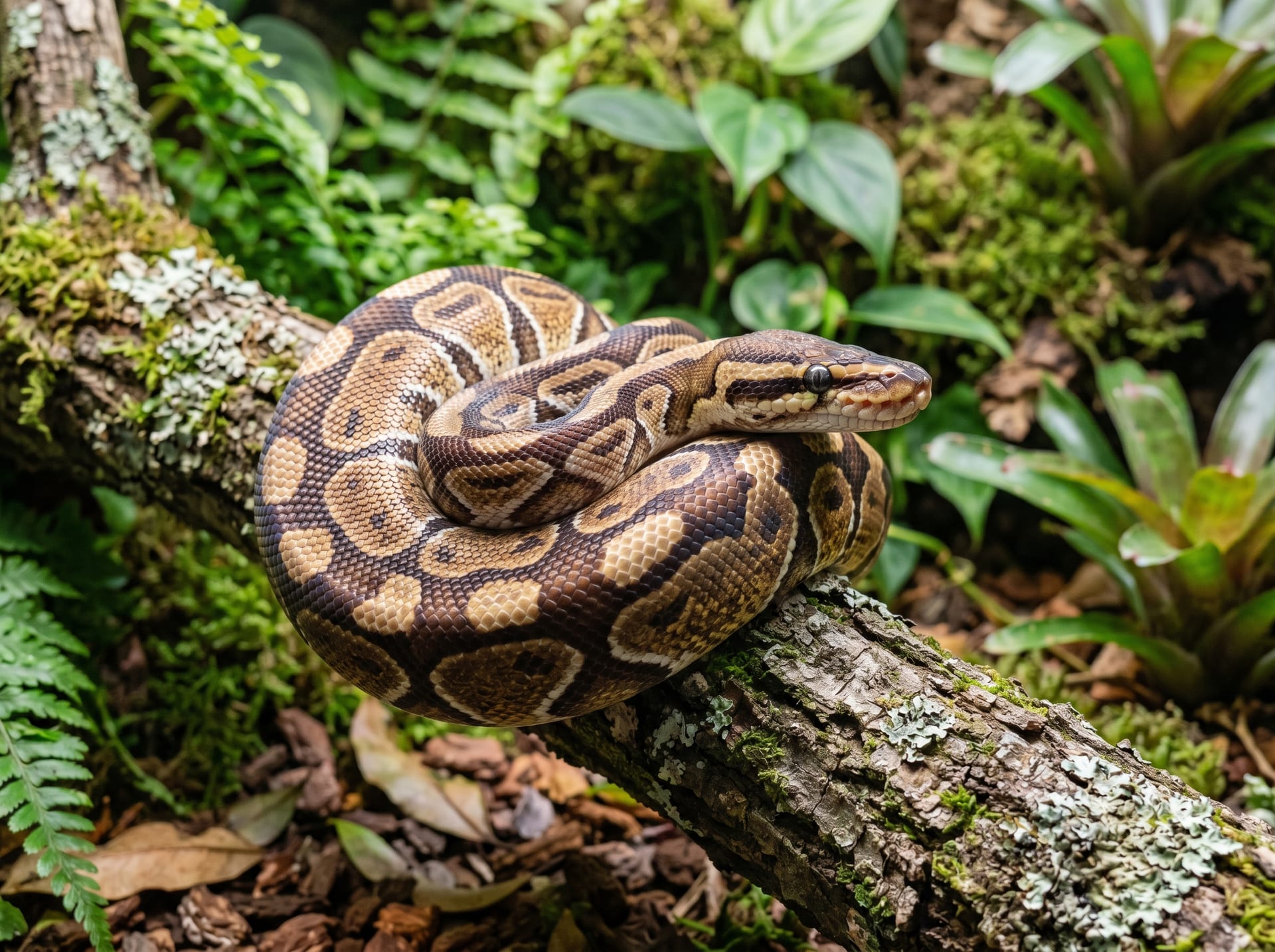
Snakes (ball pythons, etc.): 30–35°C
Chameleons: 28–32°C (many species don't tolerate high temperatures well)
It's important to measure temperature directly below the basking spot, where the reptile's body actually contacts the heat. Using an infrared (non-contact) thermometer allows for more accurate measurements. Wireless temperature-humidity monitors that allow smartphone monitoring of cage conditions are now widespread and useful for management while away.
The Importance of Temperature Gradient (Thermal Gradient)
Always establish a temperature gradient within the enclosure. Place the basking light at one end (hot side) of the enclosure and keep the opposite side (cool side) near room temperature. This allows reptiles to move to their preferred temperature zone on their own and self-regulate their body temperature. This "ability to choose their own temperature" creates the least stressful environment for reptiles. Larger enclosures make it easier to create gradients, so consider adjusting cage size as your reptile grows.
Night-Time Heating | Maintaining Minimum Temperatures by Species
Many reptiles can survive temperature drops at night, but excessively low temperatures can decrease immunity, cause digestive problems, or in worst cases, lead to cold-related injuries. Tropical and subtropical species often require maintaining at least 20°C even at night, so special attention to room temperature management is needed during winter.
Main Night-Time Heating Equipment
Ceramic heaters: Emit only heat without light. Standard for night-time heating since they don't disturb sleep in nocturnal reptiles. Drawback is high power consumption.
Panel heaters (under-tank heaters): Provide heating from the enclosure floor or sides. Especially effective for species like geckos and snakes that absorb heat through their bellies.
Dantotsu: A panel heater mounted on the cage ceiling. Uses far-infrared to gently warm the entire enclosure. Easy to use with wooden or plastic enclosures, and thin, high-efficiency models are increasingly available.
Heat lamps (red/blue): Provide heating while emitting light. Night-time red and blue types are said to be barely perceived as light, but note that they're not completely without impact—consider combining with non-emitting types if possible.
During winter, combining room-wide heating with heating equipment lets you maintain stable temperatures while controlling electricity costs. Another basic precaution is not placing the enclosure near windows or doorways where temperature fluctuations are significant.
Using Thermostats | Automating Temperature Control for Safety
When using heating equipment, a thermostat (temperature controller) is absolutely essential to pair with it. Plugging heating equipment directly into an outlet allows temperature to rise continuously, risking enclosure overheating and potential heat stroke in reptiles.
Main Functions of Thermostats
Automatic ON/OFF at set temperature: Cuts power when target temperature is reached, turns it back on when it drops.
Overheat protection: Setting a maximum temperature causes automatic shutdown if abnormally high temperatures occur.
Record of maximum/minimum temperatures: Allows daily monitoring of whether conditions are stable.
Timer-linked and Wi-Fi models: Advanced models can automatically switch day/night temperature cycles, and smartphone-enabled models let you check temperature history remotely.
For those who are frequently away during the day or worry about nighttime temperatures, installing a thermostat significantly increases peace of mind. When using high-output equipment like ceramic heaters or Dantotsu, consider thermostat use essential.
BreederDirect's Safe and Reliable System
Setting up lighting and heating for reptiles is complex, and beginners often feel unsure about what to buy. This is where experienced breeders with years of hands-on expertise become invaluable.
BreederDirect lets you purchase animals directly from individual breeders, so you can ask breeders directly before purchasing. Breeders will patiently answer specific questions like "What UVB light do you usually use?" and "What basking temperature do you maintain?" based on their own experience.
Being able to inherit information about equipment used and husbandry expertise along with the animal is a major advantage unique to direct breeder sales. Because interaction is online, you can take time to ask thorough questions and make your decision with confidence—this also adds to the peace of mind. You'll get detailed information you couldn't ask about at a pet shop, so even first-time reptile keepers can start with confidence. When you find an animal that interests you, we encourage you to actively enjoy engaging with the breeder.