Complete Guide to Reptile Sexing: How to Determine the Sex of Snakes, Geckos, Lizards, and Turtles
An essential guide to sexing (sex determination) for breeders and keepers aiming to breed reptiles. Learn species-specific methods including probing, popping, and visual identification. Accurate sex confirmation is the first step to successful breeding.
Key Takeaways
An essential guide to sexing (sex determination) for breeders and keepers aiming to breed reptiles. Learn species-specific methods including probing, popping, and visual identification. Accurate sex confirmation is the first step to successful breeding.
Related Species
Why Sexing Is Important
For reptile keepers, accurately determining an individual's sex is an absolute prerequisite for successful breeding. Many reptiles are difficult to distinguish by appearance alone, and snakes in particular cannot be reliably sexed by eye even by experts when they are juveniles.
The risks of incorrect sex identification include:
- Same-sex pairs: No breeding occurs regardless of how long you wait
- Incompatible cohabitation: Risk of aggression during breeding season when one individual attacks the other
- Overlooked hormonal abnormalities: Females searching for a nesting site may be mistaken for displaying stress behavior
Conducting sexing at the appropriate time and accurately determining sex is the first step toward successful breeding.
Snake Sexing Methods
1. Probing Method (Probing)
The most reliable method for sexing snakes. Uses a specialized tool called a "hemipenis probe"—a slender metal rod.
Principle: Male snakes store hemipenes (paired penises) in the cloaca (vent). When a probe is inserted along the cloaca toward the tail, in males it penetrates deep into the hemipenal pocket (5–12 scale rows into the tail), while in females it stops at a shallow depth (1–3 scale rows).
Procedure:
- Lubricate the probe thoroughly with reptile-safe lubricant
- Restrain the individual gently (may require two people)
- Gently insert the probe at the base of the tail, along the outer edge of the cloaca
- Apply no force; allow it to advance naturally with light pressure
- Count the scale rows where it stops
Important Notes:
- Beginners should not attempt this without guidance from experienced handlers—practice under supervision
- Excessive force can cause internal damage
- Great caution is required when probing hatchlings
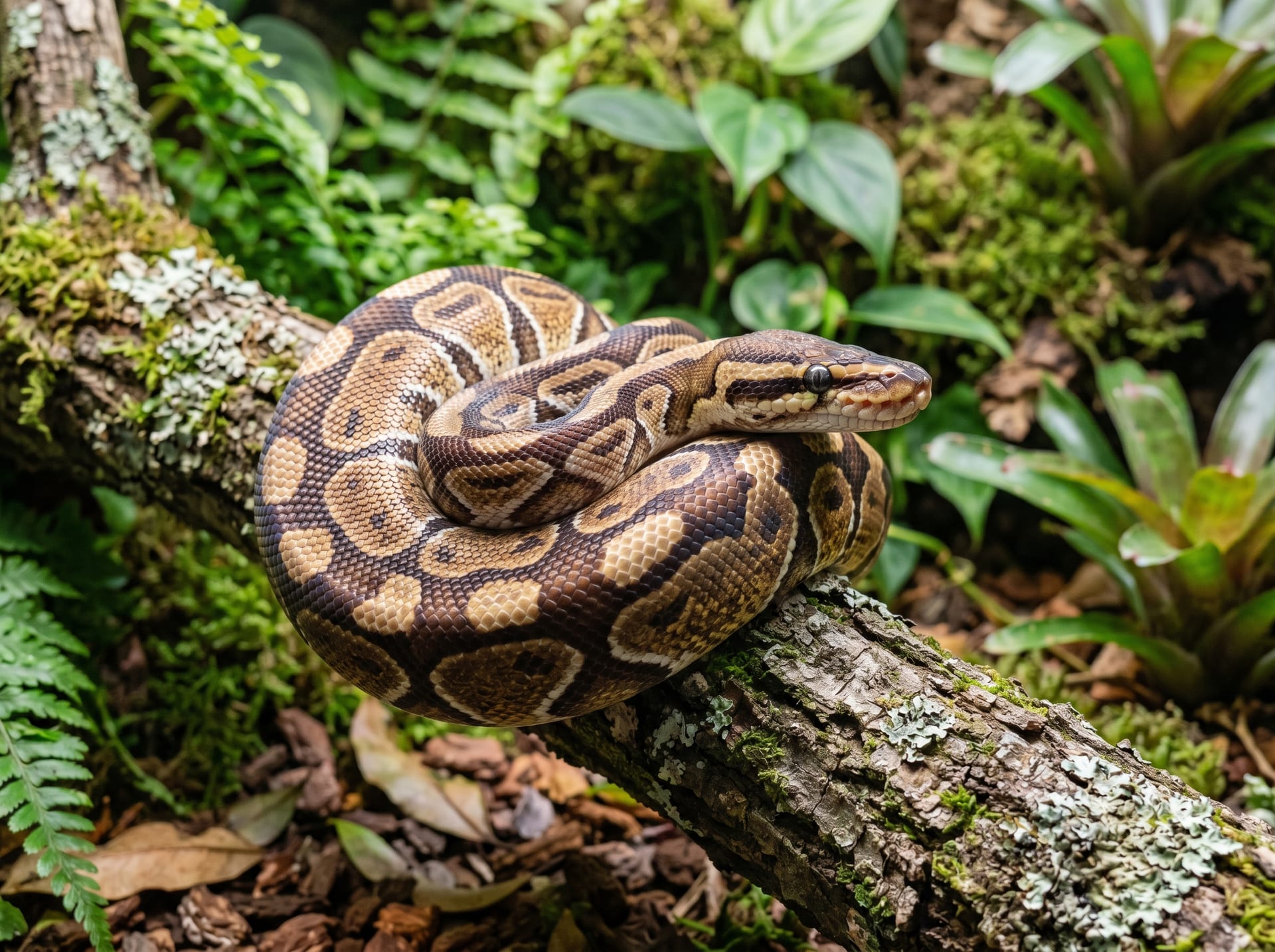
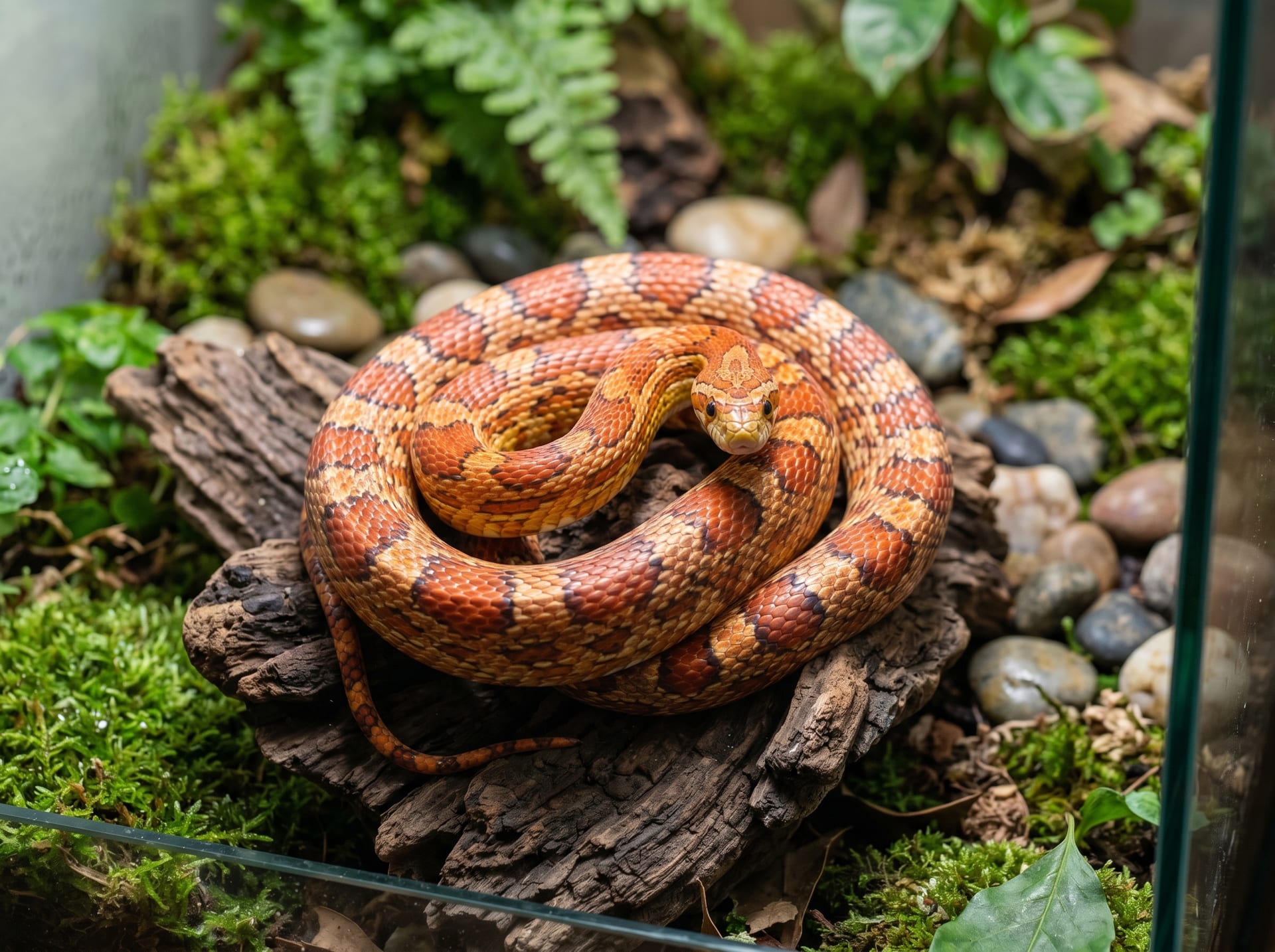
- Recommended probe sizes: Select according to species size (typically size 2–4 for corn snakes and ball pythons)
Species Guide (Male/Female scale row ranges):
| Species | Male | Female |
|---|---|---|
| Corn Snake | 9–14 | 2–5 |
| Ball Python | 8–12 | 2–4 |
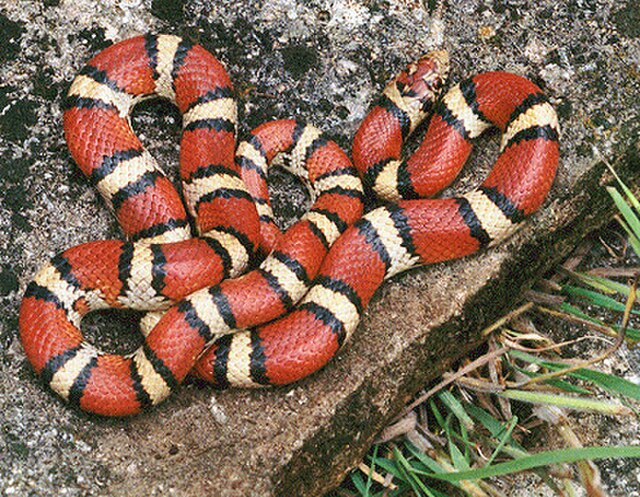
| Milk Snake | 10–14 | 2–4 |
| Hognose Snake | 9–13 | 2–5 |
2. Popping Method (Popping / Eversion)
A method of determining sex by physically everting the hemipenes to inspect them. Primarily used on hatchlings and juveniles, though applicable to adults as well.
Procedure:
- Restrain the individual gently with the belly facing up
- Starting from the tail tip, apply light upward pressure with your thumb along the scales, then slide toward the cloaca
- In males, a small pink hemipenis will protrude
- Once confirmed, immediately release the pressure and allow the hemipenis to retract naturally
Important Notes:
- Excessive pressure can cause internal damage
- If the hemipenis does not retract (prolapse), emergency veterinary care is required
- This method is unsuitable for large adults
- Handle hatchlings with particular gentleness
3. Visual Sexing (Morphological Identification)
When probing or popping are not an option, or as preliminary confirmation, the following visual characteristics may be useful. However, reliability varies significantly by species.
Tail Shape:
- Males: The tail posterior to the cloaca is relatively thick and rounded (due to hemipenal storage)
- Females: The tail tapers sharply just behind the cloaca
Body Size:
- In many species, females are larger than males (especially ball pythons and hognose snakes)
- In some species such as corn snakes, males may be larger
Gecko Sexing
1. Visual Characteristics (Most Practical Method)
Many gecko species are relatively easy to distinguish visually.
Femoral and Preanal Pores
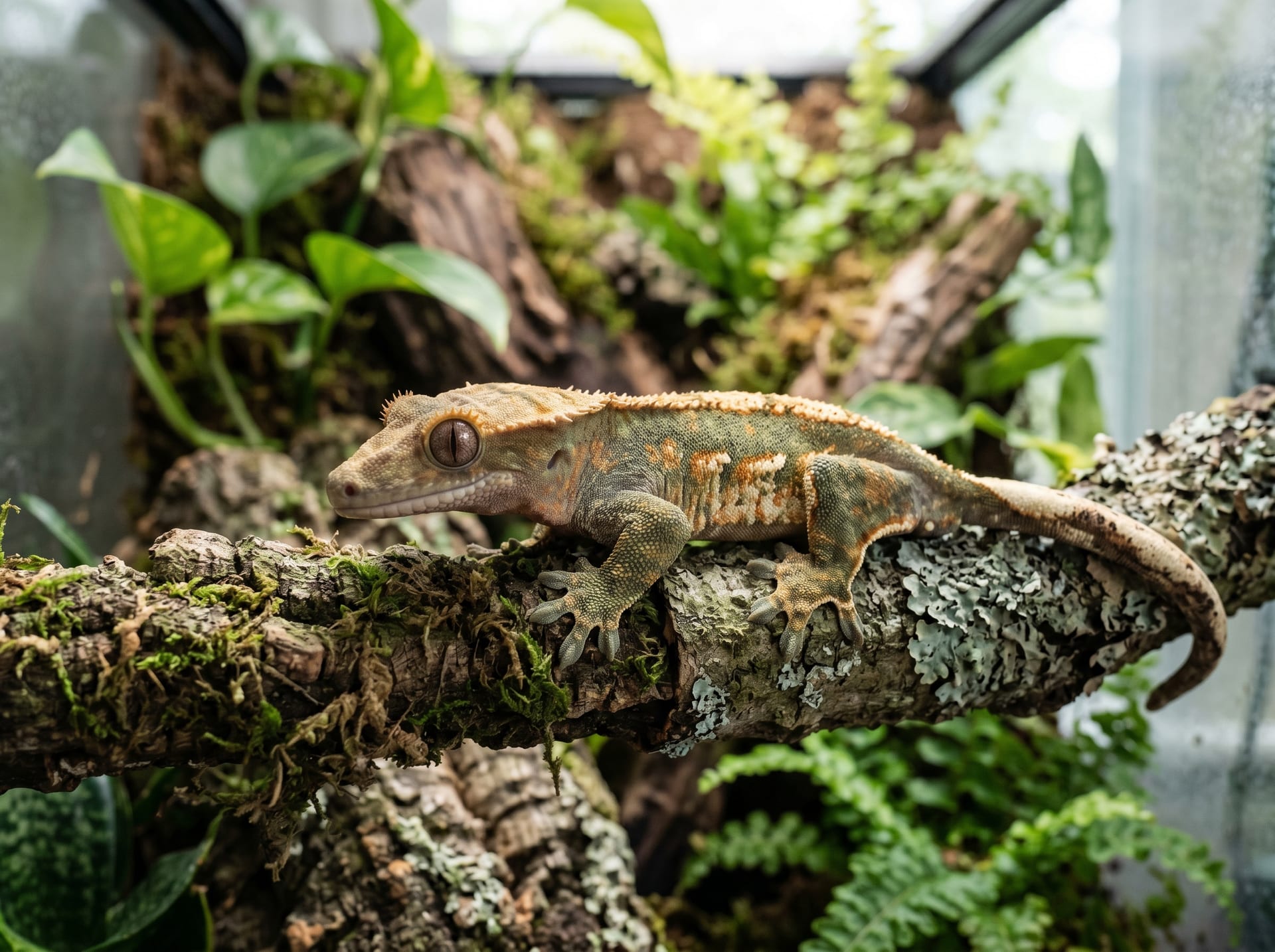
Prominent in males: A row of pore-like structures runs along the inner thighs from the hind legs to the anal region. This is especially visible in leopard geckos and crested geckos.
- Leopard Gecko: Preanal pores form an inverted V-shape. Males show distinct dots; females are barely visible
- Crested Gecko: Pores appear around the anus. Males display a swollen hemipenal bulge that is readily visible
Hemipenal Bulge
Males show two distinct bulges just behind the cloaca (where hemipenes are stored). This is easier to confirm in adults.
- Leopard Gecko: Two rounded bulges appear symmetrically at the base of the tail
- Crested Gecko: Smaller bulges, but distinguishable in adults
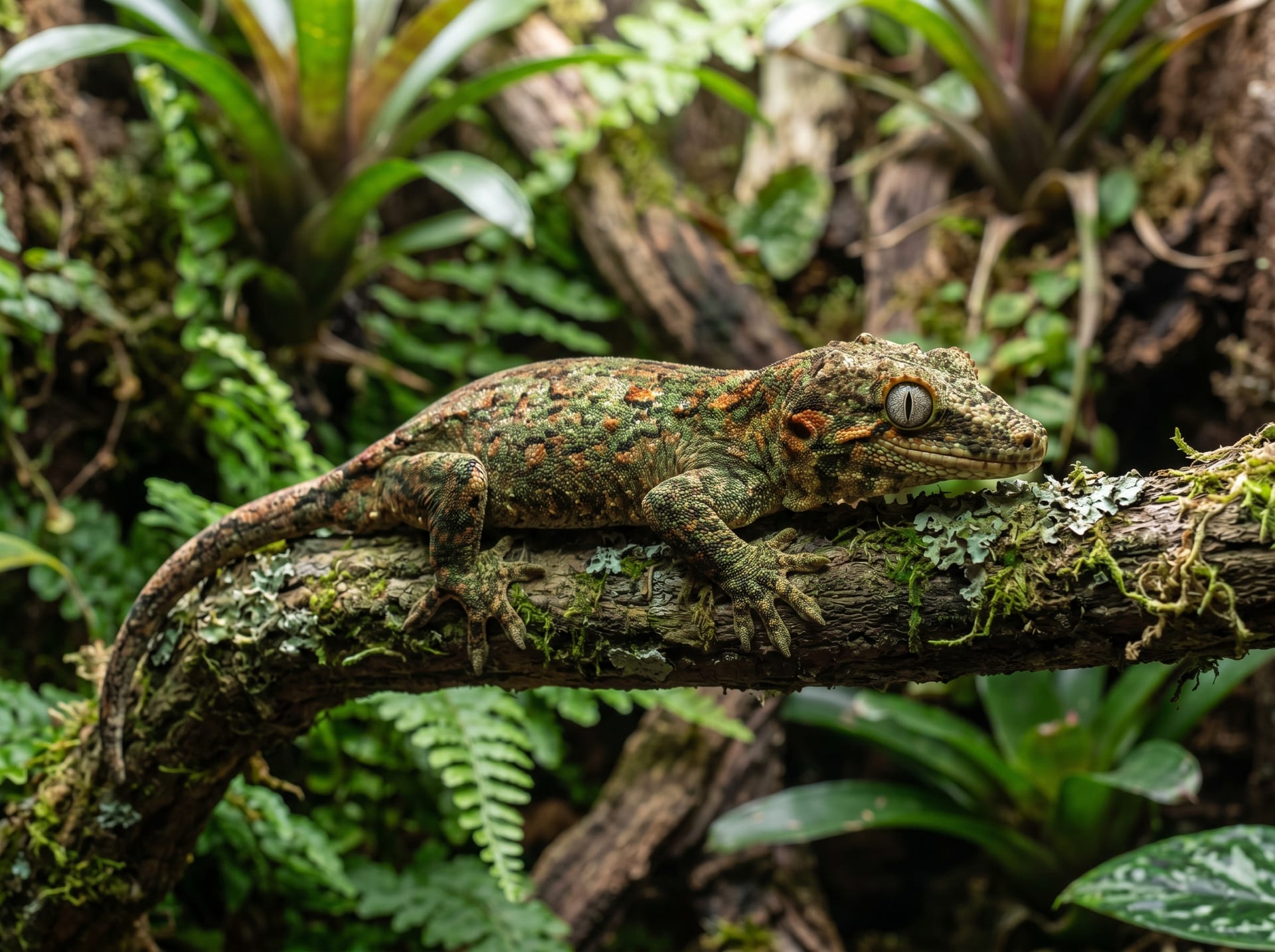
- Gargoyle Gecko: Hemipenal bulges are relatively easy to identify
Size Difference
In many geckos, males are slightly smaller than females (exceptions exist). In some lizards like bearded dragons, the reverse is true.
2. Probing Method (Geckos)
The same probing method used for snakes can be applied, but gecko-specific fine probes are necessary. Because gecko tails are thinner than snake tails, improper technique can cause damage.
Lizard Sexing
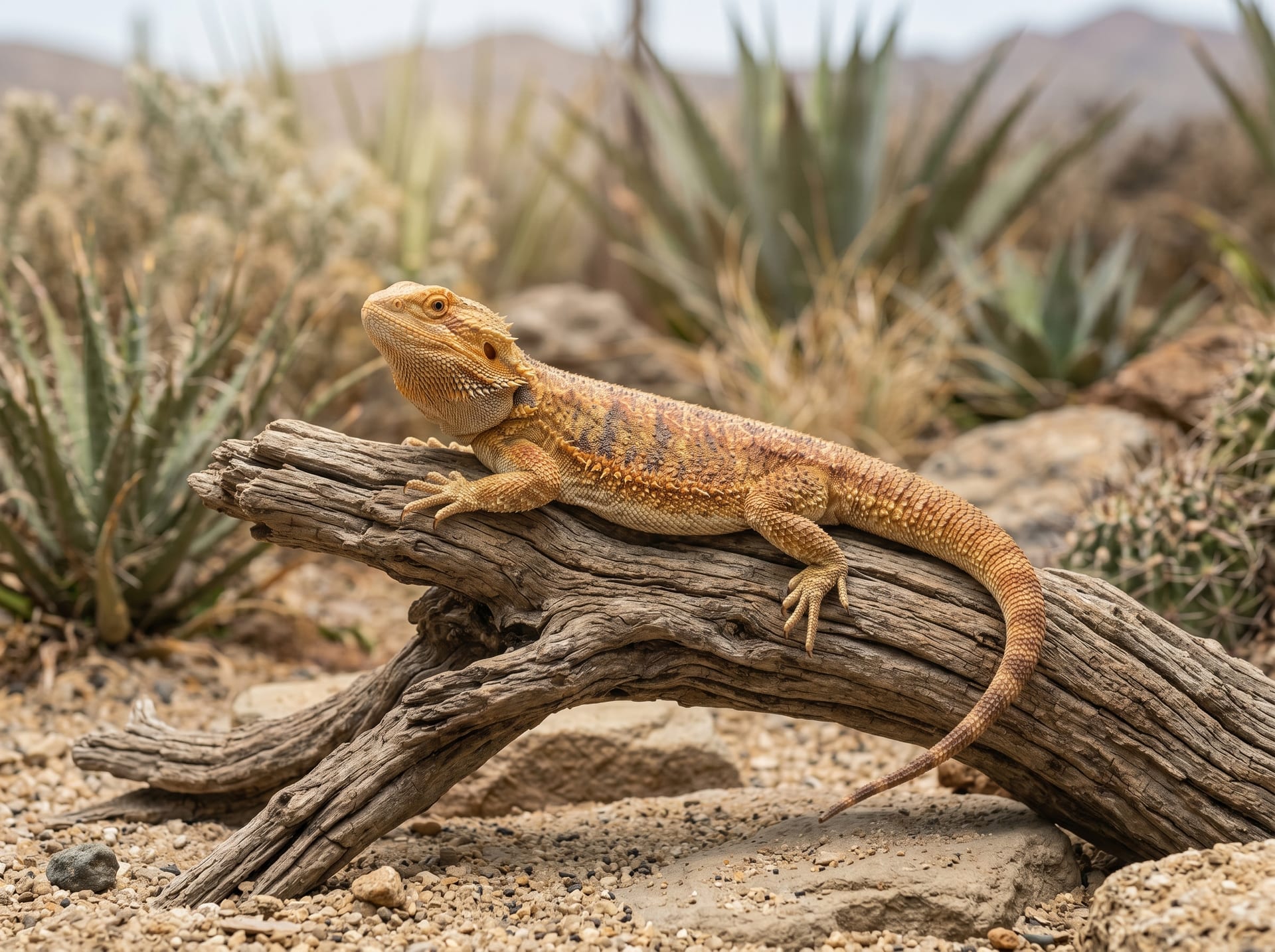
Bearded Dragon
Most reliable method: View the base of the tail from above under ultraviolet (UVA/UV) light.
- Males: Two bulges (hemipenal pockets) visible left and right posterior to the cloaca
- Females: Single small elevation in the center, or flat
Visual Characteristics:
- When mature, males often have blackened beards (though this may occur only during breeding season)
- Males have larger heads and more prominent femoral pores
- Females often have slightly rounded abdomens
Chameleon
- Species with rear leg spurs (such as veiled chameleons): Bony protrusions on the heels of hind legs
- Males have thicker tail bases with visible hemipenal bulges
Iguana
- When mature, males develop large head crests and prominent dewlaps
- Males have prominent preanal pores
- Males generally grow larger overall
Turtle Sexing
Visual Characteristics
| Feature | Male | Female |
|---|---|---|
| Tail length | Long and thick | Short and thin |
| Cloaca position | Outside shell edge | Inside shell edge |
| Front claws | Long on some aquatic species | Short |
| Plastron (ventral shell) | Often concave | Flat or convex |
Red-eared Slider: Males develop exceptionally long front claws (used in courtship). This is the most easily recognizable trait.
Tortoises: Males often have plastrons that are concave (facilitating mounting on females' shells).
Timing and Safety Considerations for Sexing
Optimal Timing
- Snakes and geckos: Can be sexed from the hatchling stage (2–4 weeks post-hatch onward), though larger individuals are easier to confirm
- Lizards: Once they reach adulthood (6–18 months post-hatch depending on species)
- Turtles: Once visual characteristics develop in adulthood (3–7 years depending on species)
Restraint and Safety Management
- Restrain the individual gently without excessive force
- If stress signals appear (thrashing, gaping, hissing), stop and allow recovery
- Sterilize tools between individuals to prevent cross-infection
- When uncertain, consult a reptile veterinarian (DNA sexing is also an option)
DNA Sexing
For species where visual determination is difficult (young individuals, certain snakes, rare species), DNA sexing (genetic testing) is a reliable option. Samples are collected via swabs (oral mucosa) or blood, and can be sent to testing facilities in Japan and abroad. While there is a cost (approximately ¥3,000–¥8,000 per sample), results are definitive with 100% reliability.
Summary: Accurate Sexing as the Foundation for Breeding Success
While reptile sexing methods vary by species, all require care and precision. Probing in particular carries the risk of injuring individuals if done incorrectly, so beginners are strongly encouraged to learn under the guidance of experienced breeders or veterinarians before attempting it.
Once sex is accurately confirmed, you can plan appropriate pairings and significantly increase breeding success rates. When purchasing from breeders, it is reassuring to have a trustworthy individual verify that animals are already properly sexed.