Reptile Metabolic Bone Disease (MBD) Prevention Guide | UVB, Calcium, and Vitamin D3 | ブリちょく
Reptiles| ✍️ BreederDirect Editorial
Reptile Metabolic Bone Disease (MBD) Prevention Guide | UVB, Calcium, and Vitamin D3
An explanation of the causes, symptoms, and prevention methods of metabolic bone disease in reptiles. Introduction to UVB lighting, calcium supplements, and dietary management.
Key Takeaways
An explanation of the causes, symptoms, and prevention methods of metabolic bone disease in reptiles. Introduction to UVB lighting, calcium supplements, and dietary management.
Related Species
Reptile Metabolic Bone Disease (MBD) Prevention Guide | UVB, Calcium, and Vitamin D3
Metabolic Bone Disease (MBD) is one of the most common nutrition-related disorders seen in captive reptiles. While it can be prevented by maintaining proper environmental conditions and dietary management, neglecting early signs of the disease can result in irreversible damage such as bone deformity and fractures. This guide covers essential knowledge that both first-time reptile keepers and experienced owners should understand.
---
What is MBD?
MBD is a collective term for diseases in which bones become softened and deformed due to abnormalities in calcium absorption and metabolism. Unlike mammals, reptiles rely heavily on external environmental factors for thermoregulation and metabolism, making them prone to nutritional imbalances if husbandry conditions are even slightly inadequate.
Calcium-to-phosphorus ratio imbalance: Excessive phosphorus-rich foods result in relative calcium deficiency
Parathyroid abnormalities: Prolonged low-calcium states can lead to secondary hyperparathyroidism
Calcium and vitamin D3 are inseparably linked. Even with adequate dietary calcium supplementation, poor intestinal absorption occurs without sufficient vitamin D3. This is why UVB light management is the cornerstone of MBD prevention.
---
Symptom Progression and Recognition
MBD onset is often subtle and easily overlooked. By the time an owner notices the individual "seems less active," the disease may already be advanced. Understanding stage-specific characteristics aids early detection.
Early Symptoms
✍️
BreederDirect Editorial
The BreederDirect editorial team specializes in care information for animals, covering veterinary care and breeding to deliver beginner-friendly guides.
Find Reptiles on BreederDirect
Buy directly from verified breeders
Browse Related Listings
Find Reptiles listings related to this article on BreederDirect. Buy directly from verified breeders.
Related Tools
Related Articles
Browse by Category
🪸Coral
🐠Marine Fish
🐟Tropical Fish
🐡Goldfish
🐟Medaka
🦎Reptiles
Share
Decreased appetite and reduced feeding response
Reduced activity levels, spending more time stationary
Occasional mild tremors in the limbs
Intermediate Symptoms
Rubber jaw: Softness and flexibility felt when gently touching the jaw
Swelling and deformity of limbs and tail
Uncoordinated movement, frequent falls
Severe Symptoms
Fractures (from minimal impact or even light handling)
Spinal curvature and deformity
Shell softening in tortoises
Seizures and inability to stand
Once severe, surgical intervention may be necessary and complete recovery becomes difficult. Establish a habit of regularly handling and examining your animal's body.
---
The Three Pillars of Prevention
MBD prevention relies on simultaneously managing three factors: "UVB," "calcium," and "dietary balance." Neglecting any one of these will reduce effectiveness.
1. Proper UVB Lighting Setup
UVB is essential for vitamin D3 synthesis in the skin. Since required UVB intensity (UVI value) varies by species, selecting lighting appropriate for your species is critical.
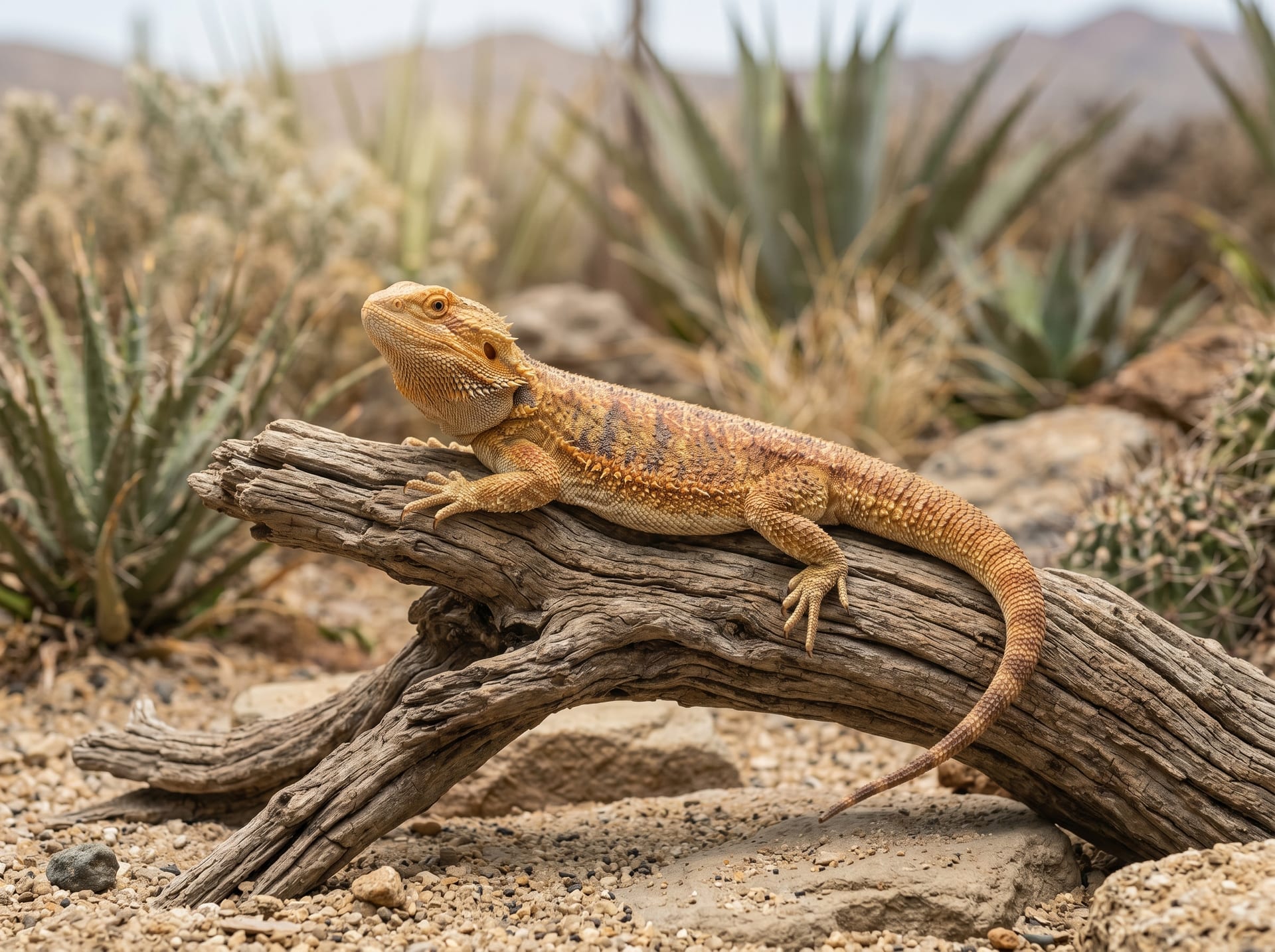
Species guidelines: Desert species (e.g., bearded dragons) require UVI 3–6; forest species (e.g., leopard geckos) require UVI 1–2
Installation distance: Follow manufacturer recommendations (too close causes excessive UV exposure; too far reduces effectiveness)
Periodic replacement: Fluorescent tubes and metal halides cannot be assessed visually, so replace every 6–12 months
Glass and acrylic barriers are ineffective: UVB cannot penetrate glass, so position lights directly inside the enclosure
Outdoor sunbathing (direct natural sunlight) is the most effective UVB source, but requires caution regarding overheating, escape, and stress.
2. Calcium Supplement Use
Relying solely on feeder insects and vegetables rarely provides sufficient calcium, making calcium powder dusting a fundamental practice.
Calcium with Vitamin D3: When UVB lighting is present, use 2–3 times per week
Calcium without Vitamin D3: Use for other feeding sessions. Differentiation is important to prevent D3 overdose (hypercalcemia)
Without UVB: Use D3-containing calcium at every feeding to compensate for deficiency
Placing a calcium block in the enclosure is also effective, and animals often self-regulate by licking it.
3. Optimized Dietary Balance
Review the diet itself as well.
Ideal calcium-to-phosphorus ratio is 2:1: Phosphorus inhibits calcium absorption, making ratio management essential
Watch for phosphorus-rich feeders: Mealworms and superworms are phosphorus-heavy; using them as staples can skew ratios
Utilize calcium-rich vegetables: Bok choy, Chinese cabbage, dandelion greens, and turnip greens have high calcium content and are recommended
Gut-loading: Pre-feeding insects nutrient-rich vegetables or specialized diets the day before feeding increases nutritional density
When using crickets or roaches as staples, gut-loading and dusting should be performed together.
---
MBD Risk by Species and Management Considerations
Reptile species vary greatly in UVB dependency and dietary needs. Review risk factors and management tips for representative species.
Species
UVB Dependency
Key Considerations
Bearded dragon
High
Strong UVB lighting essential. Balance vegetable and cricket ratios carefully
Leopard gecko
Low–Medium
Can survive without UVB, but D3 supplements are mandatory
Tortoise species
High
Shell softening is a hallmark MBD symptom. Actively incorporate outdoor basking
Chameleon species
High
Extremely sensitive. Professional knowledge and equipment required
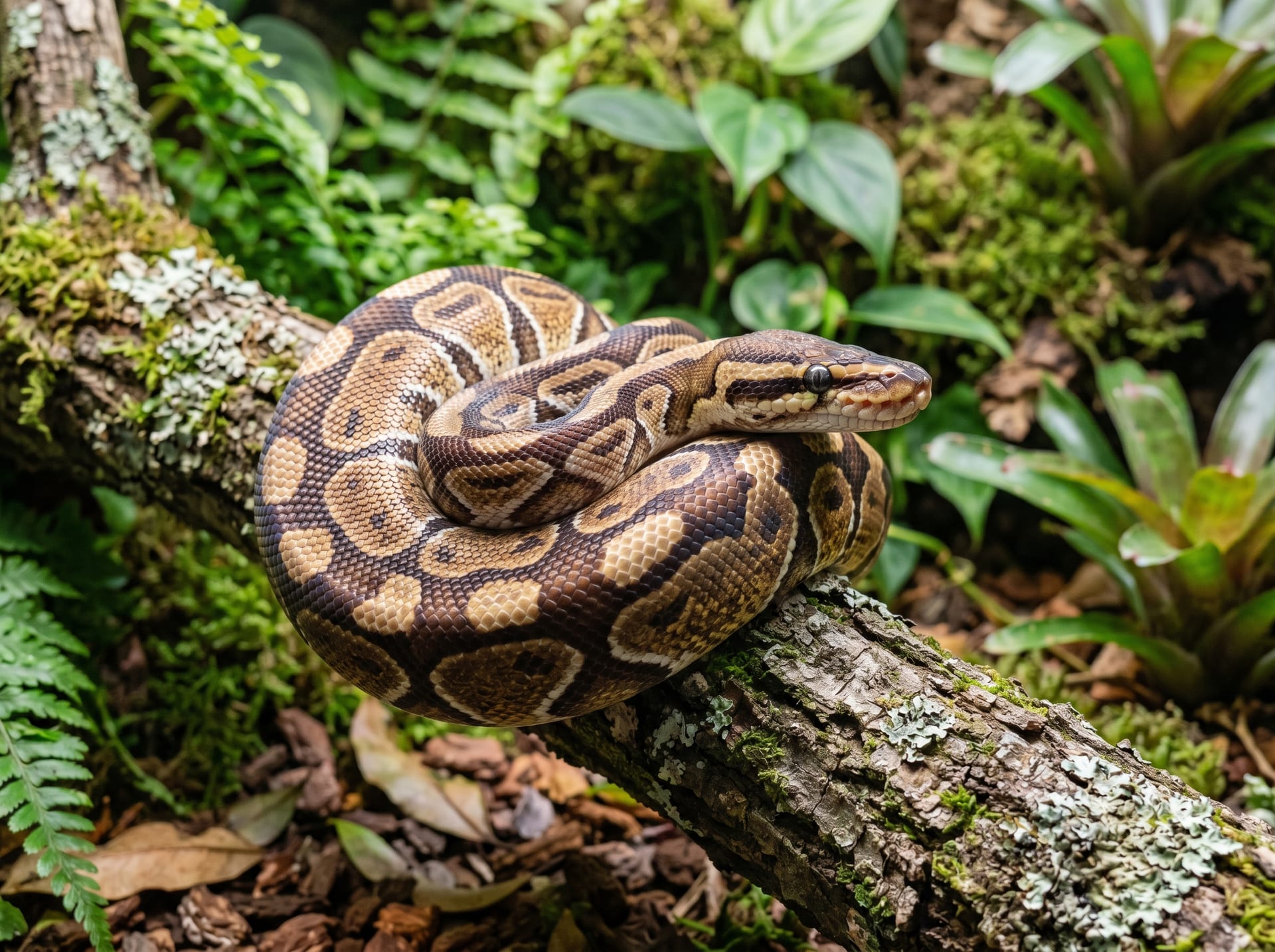
Ball pythons and similar snakes
Low
Prey items (rats/mice) contain calcium, though frozen-thawed prey may have reduced nutritional value
---
Summary: Daily Small Care Prevents MBD
Once MBD develops, treatment becomes time-consuming, costly, and physically taxing on the animal. Conversely, with correct knowledge and proper environmental setup, the disease is highly preventable.
Select UVB lighting suited to your species and replace periodically
Use differentiated calcium supplements (with and without D3) for proper supplementation
Monitor dietary calcium-to-phosphorus ratios and incorporate gut-loading
Maintain regular handling and observation to catch early symptoms
Establishing proper husbandry conditions from the start is the greatest investment in long-term health. Those new to reptile keeping or seeking healthy animals should purchase directly from breeders with proven UVB and dietary management practices. br-choku enables direct communication with such breeders, allowing you to ask husbandry-related questions directly. Starting with a trusted source is the first step in effective MBD prevention.