Complete Guide to Reptile Shedding Problems | Causes and Solutions for Shedding Dysfunction
Explanation of how reptile shedding works and how to address shedding dysfunction. Introduction to shedding signs by species, humidity management, and safe removal methods.
Key Takeaways
Explanation of how reptile shedding works and how to address shedding dysfunction. Introduction to shedding signs by species, humidity management, and safe removal methods.
Related Species
Shedding is a natural physiological process essential for reptile growth and health maintenance. While human skin is gradually replaced over time, reptiles accommodate their body's growth by shedding their entire outer skin layer at once. However, when shedding fails to occur properly—a condition known as "shedding dysfunction"—it can lead to circulatory problems and, if left untreated, necrosis of the digits or tail. This article provides a comprehensive guide to shedding mechanisms, causes of dysfunction, treatment methods, and prevention strategies, explained in an easy-to-understand manner for first-time reptile keepers.
How Shedding Works and Shedding Frequency
Because reptile skin does not stretch like that of mammals, it must be periodically shed to accommodate growth. This process, called "ecdysis," involves the outermost layer of skin shedding completely due to hormonal action.
Shedding frequency varies depending on the individual's growth stage.
- Baby (juvenile): Once every 2-4 weeks (frequent shedding due to rapid growth)
- Young (subadult): Once every 4-6 weeks
- Adult: Once every 1-3 months
As shedding approaches, "pre-shedding signs" appear, such as dull-looking skin or cloudy eyes. During this period, individuals become more nervous, so avoid unnecessary handling.
Understanding the Differences Between Snake and Lizard Shedding
Snakes and lizards shed their skin quite differently. Understanding each type's characteristics is the first step in early detection of problems.
Snake Shedding
Snakes shed their entire skin in one connected piece. Normal shedding occurs as the skin turns inside-out, traveling from head to tail, much like removing a sock.
Normal Shedding Process
- Eyes cloud over (blue phase): Lasts 3-7 days
- Eye cloudiness clears: 1-2 days later
- Skin begins to lift near the head; the snake rubs against rocks and driftwood to begin shedding
- Completed in about 1-2 hours
If the shed skin comes off in one connected piece, it's a sign of successful shedding. If the skin tears midway or pieces remain on the body, shedding dysfunction may be occurring.
Lizard Shedding
Unlike snakes, lizards shed skin in separate sections, with pieces coming off in stages. Shedding progresses from head → body → limbs → tail over several days, so the "shedding in progress" state can last for a while.
- Skin commonly remains around the digits and nail beds, making these areas prone to shedding dysfunction
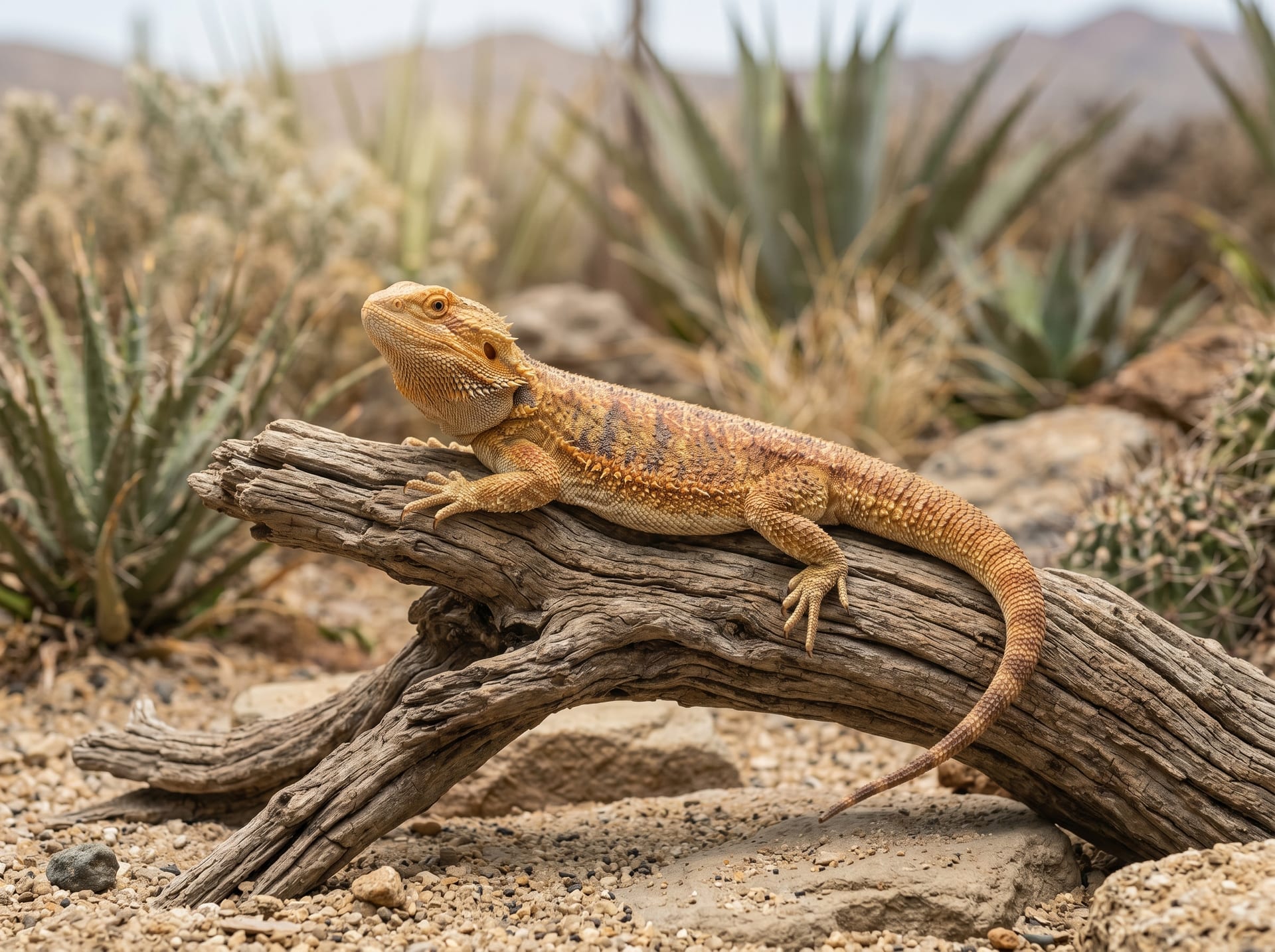
- Bearded dragons often eat their shed skin
- Leopard geckos consume nearly all of their shed skin, so shedding may complete without the owner noticing
Causes of Shedding Dysfunction
Multiple causes often combine to cause shedding dysfunction, and reviewing environmental management is the fundamental solution.
Insufficient Humidity
The most common cause. When skin is dry, the old skin doesn't soften properly and fails to shed. Pay special attention to drying from heating systems during winter.
Nutritional Deficiency or Imbalance
Vitamin A deficiency directly affects skin health. Regular dusting of feeder insects with calcium and vitamin supplements, along with offering varied prey items, is essential.
Parasitic Mite Infection
When mites burrow under the skin and cause inflammation, shedding in that area is hindered. If you notice small moving dots between the scales, suspect mites.
Old Wounds or Injury
Skin tissue at previously injured sites undergoes changes, making the skin prone to catching during shedding.
Enclosure Too Small or Insufficient Equipment
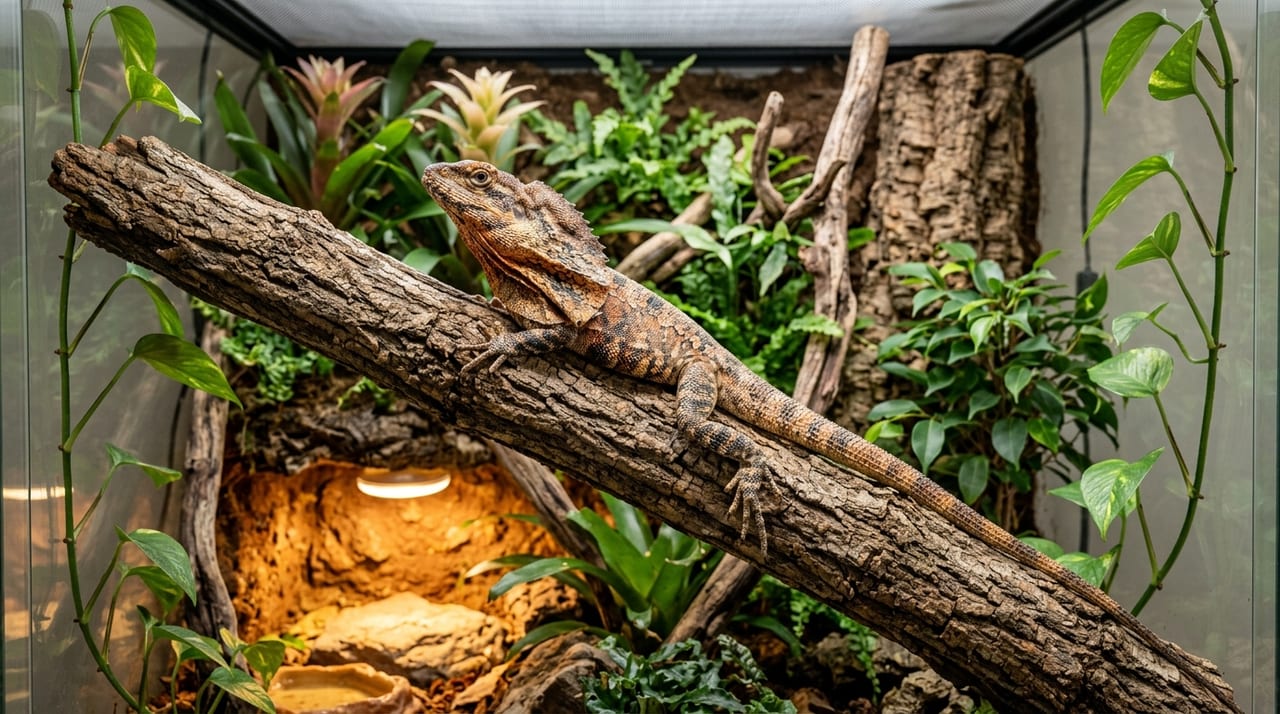
Without adequate "shedding aids" such as rocks or driftwood for rubbing against, the skin doesn't shed properly.
Treating Shedding Dysfunction
If you discover retained skin after shedding, address it as soon as possible. Retained skin on the digits, tail, or around the eyes is especially critical to remove within a few days, as it impedes circulation.
Warm Bath Method (Most Common)
- Fill a shallow container with water at 30-32°C (just deep enough for the reptile's body to be submerged)
- Soak for 15-20 minutes to soften the retained skin
- Gently rub away the softened skin using your fingertip or a cotton swab
- Never forcibly pull (risk of injuring skin or digits)
After the bath, dry the animal thoroughly and return it to a properly warmed environment.
Humidity Chamber Method (Wet Sauna Method)
- Prepare a sealed container lined with damp paper towels or sphagnum moss
- Create a few small air holes in the lid
- Place the reptile inside for 30 minutes to 1 hour
- Once moisture has softened the skin, gently rub to remove it
This method is effective for individuals that dislike water or for species that fear it.
If Skin Remains Around the Eyes
Special care is needed if skin remains around the eyes. Attempting to forcibly remove it risks damaging the eyeball, so if it doesn't come off after softening with the warm bath or humidity chamber method, consult a veterinarian experienced with reptiles.
Creating a Reptile Care Environment that Prevents Shedding Dysfunction
The best prevention strategy is maintaining proper care conditions daily. When you notice pre-shedding signs, adjust your environment with these points in mind:
- Manage humidity properly: Raise humidity to 70% or higher before and during shedding. Keep a humidity gauge on hand, and pay special attention during dry seasons
- Install a wet hide: Even if the outside environment is dry, the interior of a wet hide maintains high humidity. Narrow-entrance hides are particularly effective at retaining moisture
- Provide a sufficiently large water bowl: Ideally sized so the animal can fully submerge. Skin hydration improves when the body is in water
- Position shedding aids: Rocks, driftwood, or cork bark with slightly textured surfaces. Rubbing against these helps skin shed more easily
- Balance diet and nutrition: Don't neglect regular vitamin and mineral supplement additions
Additionally, stress levels rise before and during shedding, so it's important to avoid unnecessary handling during this time.
BreederDirect's Commitment to Safety and Security
Shedding management is a critical indicator of a reptile's health status. Breeders listing on BreederDirect are professionals well-versed in daily temperature and humidity management, nutritional care, and observation of shedding cycles. They can discuss the individual's shedding history and current health status directly with you before purchase.
If you're new to keeping reptiles or want to learn more about caring for a specific species' shedding, BreederDirect's messaging system lets you consult with breeders easily. Acquiring a healthy, well-conditioned individual from a trusted breeder is your first step toward a long and happy life together.