Complete Guide to Reptile Shedding Problems | Causes and Solutions for Dysecdysis
Explaining the causes, prevention, and treatment of dysecdysis (improper shedding) in reptiles by species. We also introduce humidity management and how to use wet shelters.
Key Takeaways
Explaining the causes, prevention, and treatment of dysecdysis (improper shedding) in reptiles by species. We also introduce humidity management and how to use wet shelters.
Related Species
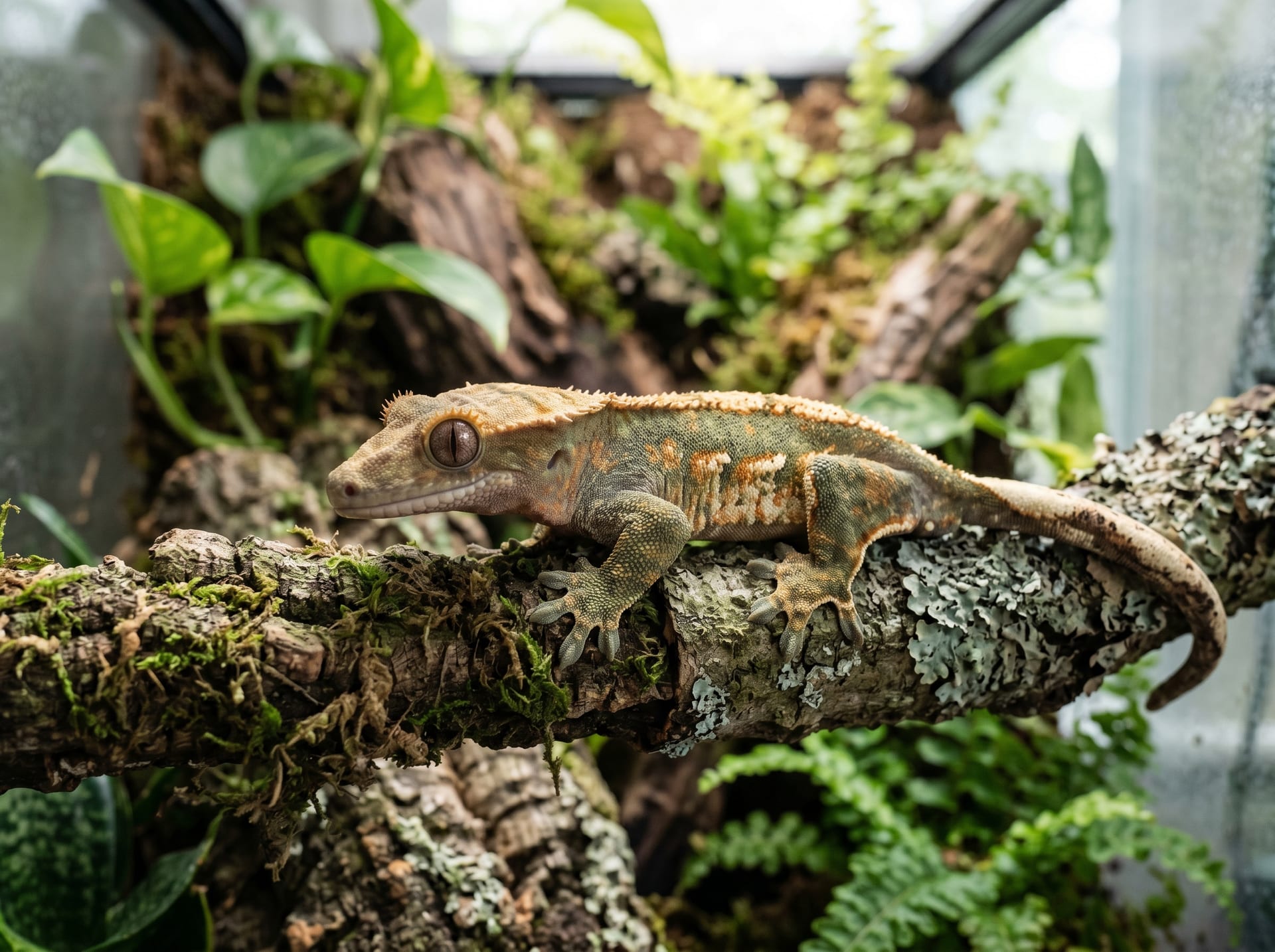
Shedding is a normal growth process for reptiles, but dysecdysis—when shedding does not go smoothly—is a frequent problem in captive care. If left untreated, it can lead to circulatory disorders and infections, and in the worst cases, tissue necrosis of the digits or tail. This article explains the causes of dysecdysis and strategies to prevent and treat it in detail.
The Normal Shedding Process
Reptiles regularly shed their skin as they grow. The frequency of shedding depends on growth rate, with younger individuals shedding more frequently. Even adults shed once or twice per month, or once every few months depending on species.
Before shedding, the body color becomes whitish and cloudy (dull). This occurs because lymphatic fluid fills the space between the old and new skin. In snakes, the eyes become a pale blue color—a state called "blue eye." This pre-shedding phase typically lasts several days to a week.
During normal shedding, the skin peels off cleanly like removing a sock. Snakes begin peeling from the nose and rub their body against wood or rocks to shed in one piece. Lizards and geckos shed in patches gradually.
Main Causes of Dysecdysis
- Insufficient humidity: The most common cause. When the enclosure humidity is too low, the old skin dries out and sticks to the new skin, preventing proper shedding. It commonly remains on the toes, tail tip, and around the eyes.
- Nutritional deficiency: A lack of vitamin A is considered a factor in dysecdysis. A balanced diet and appropriate use of supplements are important.
- Dehydration: Individuals lacking sufficient water tend to have unsuccessful sheds. Always provide fresh drinking water.
- Stress: Excessive handling, inappropriate temperatures, and overcrowding can impede shedding. If pre-shedding signs appear, avoid handling.
- Mite infestation: When mites are parasitic, shedding can become partially incomplete.
Shedding Problem Solutions by Species
- Leopard Gecko: Old skin commonly remains on the toes and tail tip. This can be prevented by maintaining a wet shelter (a shelter filled with damp moss or paper towels). Increase humidity in the entire enclosure with a spray bottle before shedding.
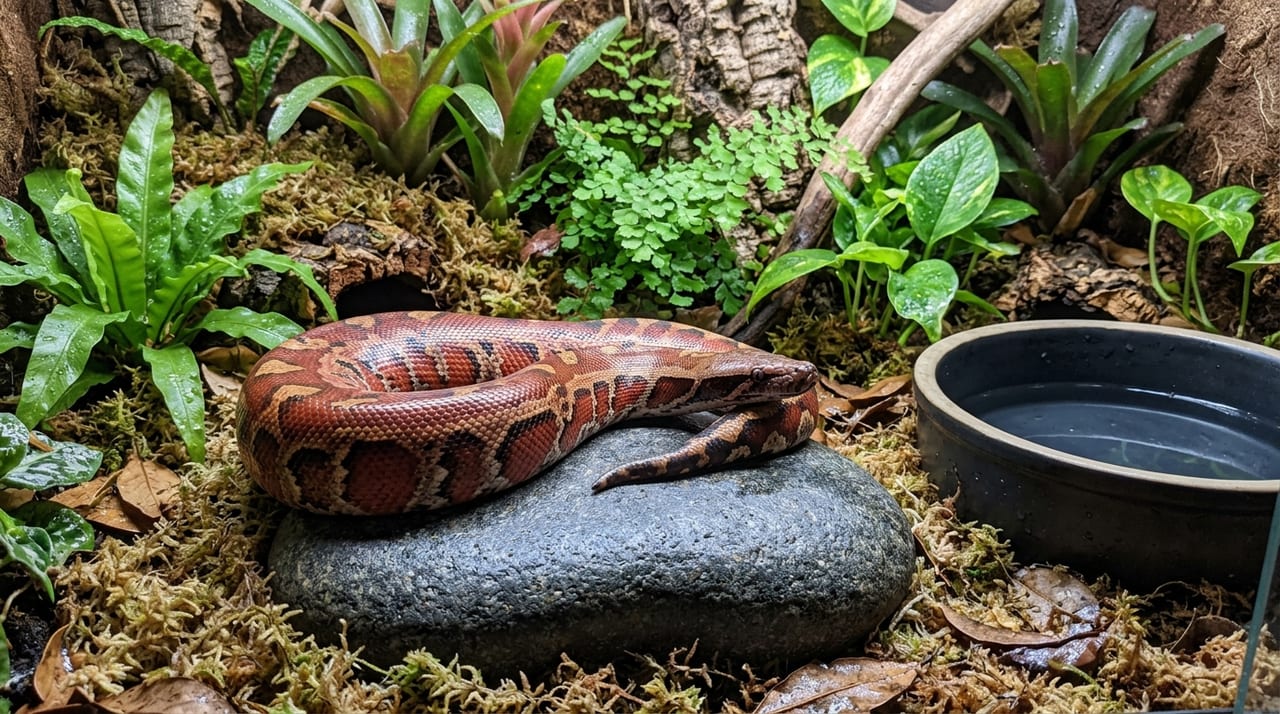
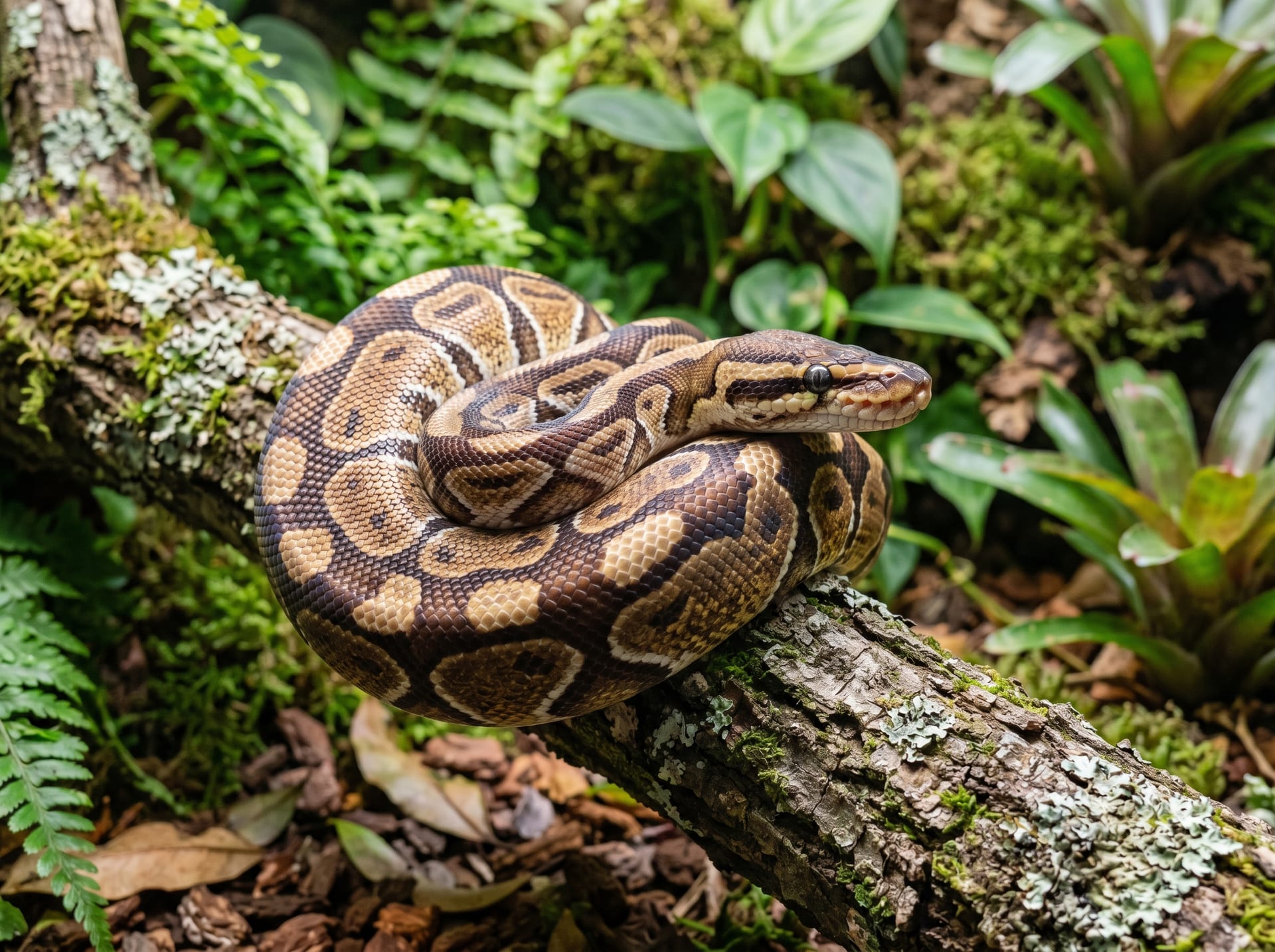
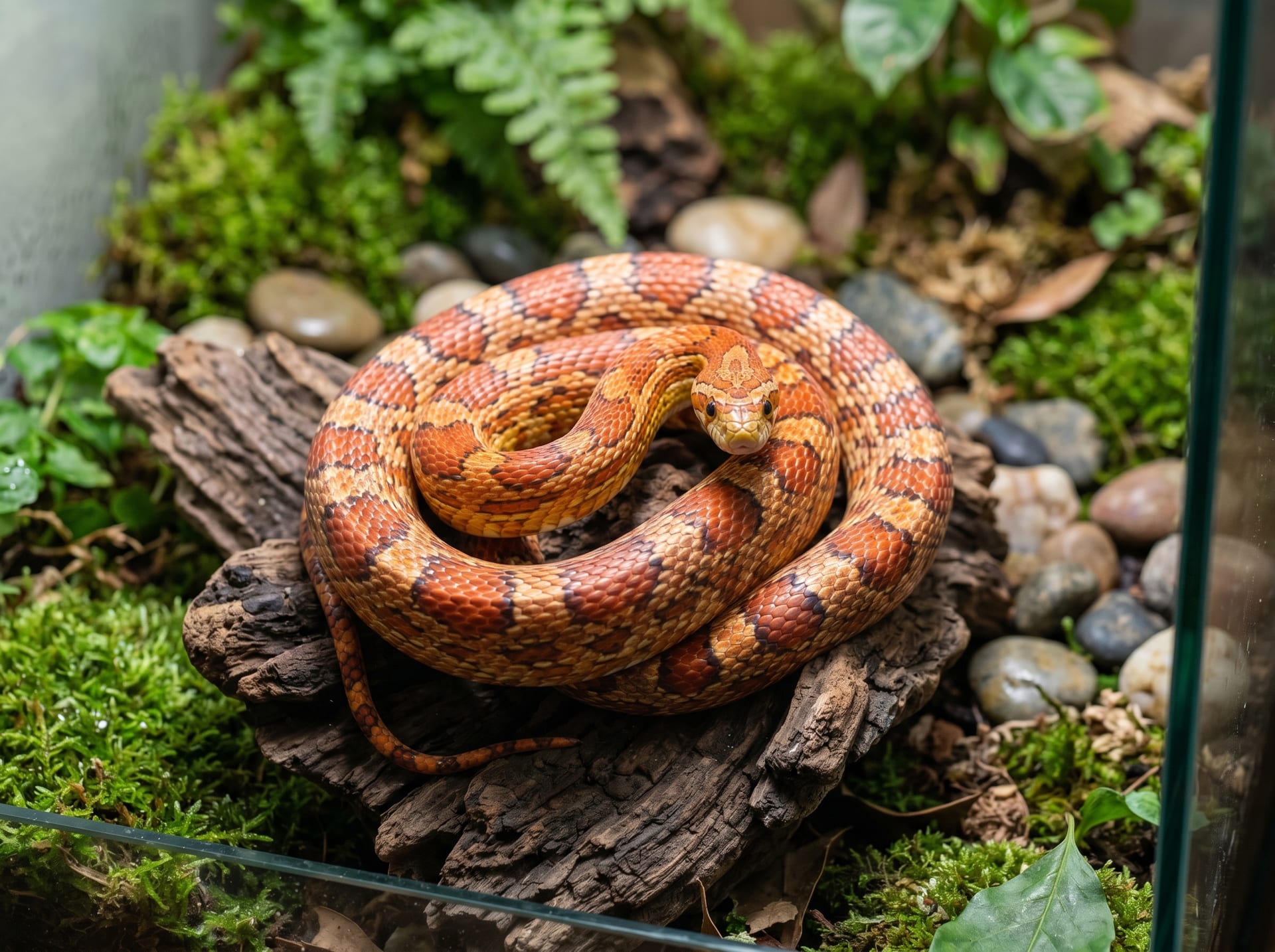
- Ball Python / Corn Snake: Snakes ideally shed in one complete piece. If shedding breaks apart midway, humidity is insufficient. Maintain 60–70% humidity during the blue eye period before shedding, and provide a large water bowl. An appropriately sized water bowl where the snake can soak is ideal.
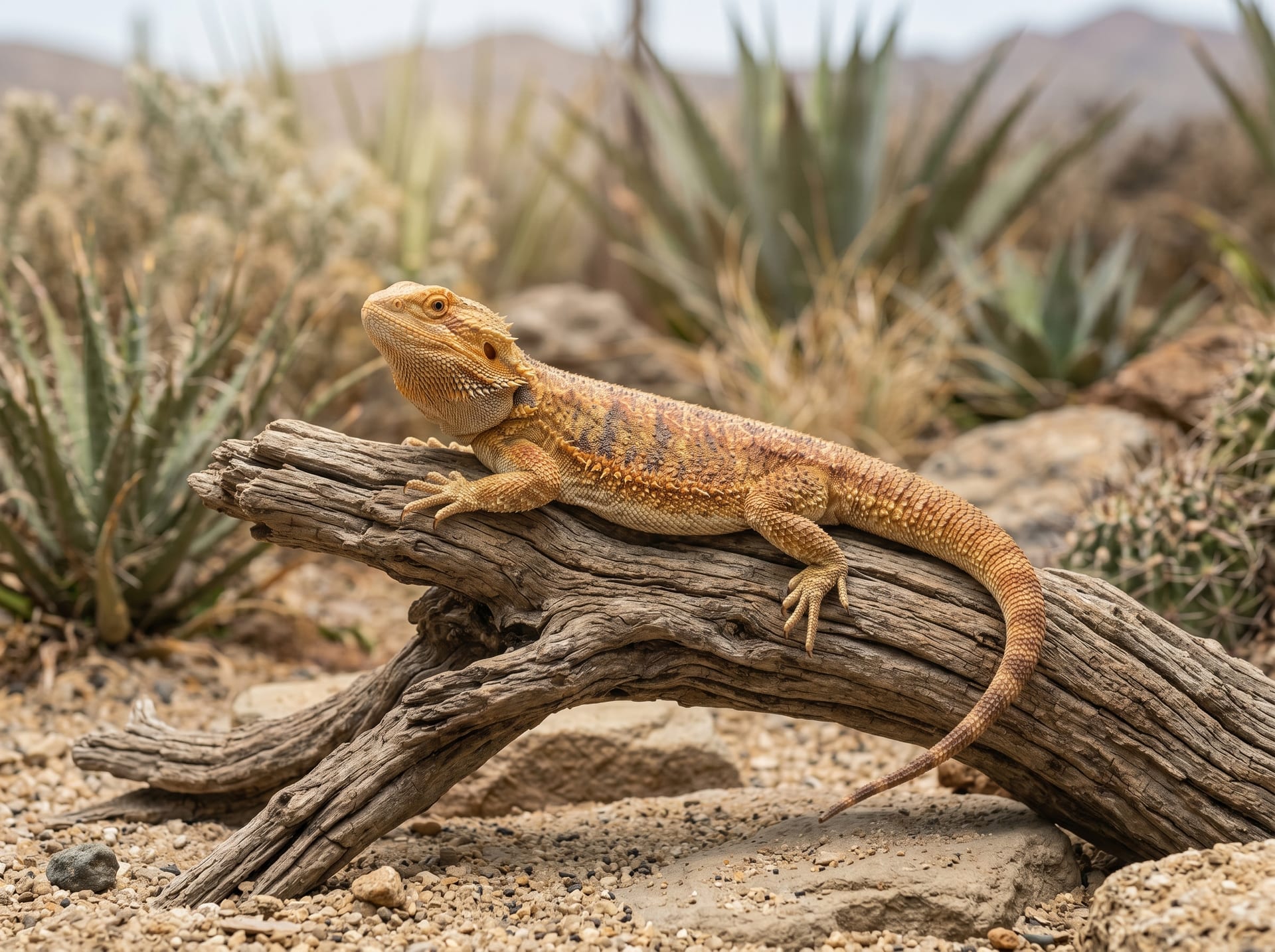
- Bearded Dragon: Since they shed in patches, it can be difficult to see which areas retain shed skin. Pay particular attention to the toes and tail tip. Warm water soaks (30–32°C) aid shedding.
- Crested Gecko: This arboreal species prefers humidity, so dysecdysis is more likely in dry environments. Maintain humidity with one to two spray sessions daily, and arrange the enclosure with climbing branches or foliage that allow the gecko to rub its body, which increases the success rate of self-shedding.
How to Treat Dysecdysis
Here are treatments for cases where shedding remains incomplete.
- Warm water soak: Soaking in lukewarm water (28–32°C) for 10–15 minutes softens remaining skin, making it easier to remove. Use a shallow container with a small amount of warm water, with the depth allowing the reptile's head to remain above water.
- Wiping with a damp cloth: After soaking, gently wipe remaining skin with a soft, damp cloth (such as gauze). Rub gently as though petting, as scrubbing hard can damage the new skin.
- Cotton swab technique: For delicate areas like toes, gently roll a damp cotton swab over the area to remove skin. If skin is wrapped around a digit and restricting blood flow, remove it promptly to prevent circulation loss.
- Do not force removal: If skin has not yet loosened, forcing it off can strip away new skin and cause bleeding. If skin remains after soaking, try again the following day.
Preventing Dysecdysis
Prevention is most important. Be mindful of the following in daily care.
- Maintain appropriate humidity: Keep humidity levels suited to the species. Even desert species require increased humidity during shedding. Always verify with a digital hygrometer.
- Maintain a wet shelter: Wet shelters are effective for leopard geckos and many gecko species. Fill with damp moss or vermiculite and replenish moisture regularly.
- Provide adequate water: Offer a large water bowl; for snakes, use a size where they can soak their body. Change water daily.
- Avoid handling before shedding: When the body color becomes cloudy, shedding is imminent. Refrain from handling during this period and minimize stress.
Healthy Captive-Bred Reptiles at BreederDirect
At BreederDirect, you can purchase reptiles that have been raised healthy in appropriate environments directly from breeders. Whether leopard geckos, bearded dragons, ball pythons, or other species, you can consult with breeders about shedding problems and receive advice on humidity management suited to each species. A support system that ensures continued confident care after bringing your new pet home is a key benefit of buying directly from breeders.
Consequences of Ignoring Dysecdysis
Neglecting dysecdysis can lead to serious health consequences. Old skin remaining on toes can constrict, blocking blood flow and resulting in digit necrosis—a common occurrence. Remaining skin around the eyes can cause vision problems, preventing the animal from finding food.