[Pro Tips] Tropical Fish Color Enhancement Techniques | Feed, Lighting, and Environmental Optimization
Tropical fish color enhancement techniques to bring out vibrant body coloration. Learn to adjust feed, lighting, substrate, and water quality.
Key Takeaways
Tropical fish color enhancement techniques to bring out vibrant body coloration. Learn to adjust feed, lighting, substrate, and water quality.
Related Species
What is Tropical Fish Color Enhancement? Understanding the Mechanism of Coloration
When you bring home tropical fish, you might notice their vibrant colors in the store look a bit duller in your home aquarium. This is because fish coloration is directly tied to their health and tank environment. Tropical fish coloration is determined by "pigment cells," but whether those pigment cells function at their maximum depends heavily on how you manage the tank.
Color enhancement means bringing out the full color potential your fish naturally possess. Rather than forcing coloration with special products, optimizing diet, lighting, environment, and water quality creates natural and healthy beauty for your fish. This article systematically explains techniques that professional breeders are still using as of 2026.
---
Color Enhancement Through Feed: Body Coloration Changes with What You Eat
The easiest and most reliable way to achieve color enhancement is through diet. Most pigments affecting fish coloration are formed from carotenoid pigments absorbed from food.
Utilizing Astaxanthin-Containing Feed
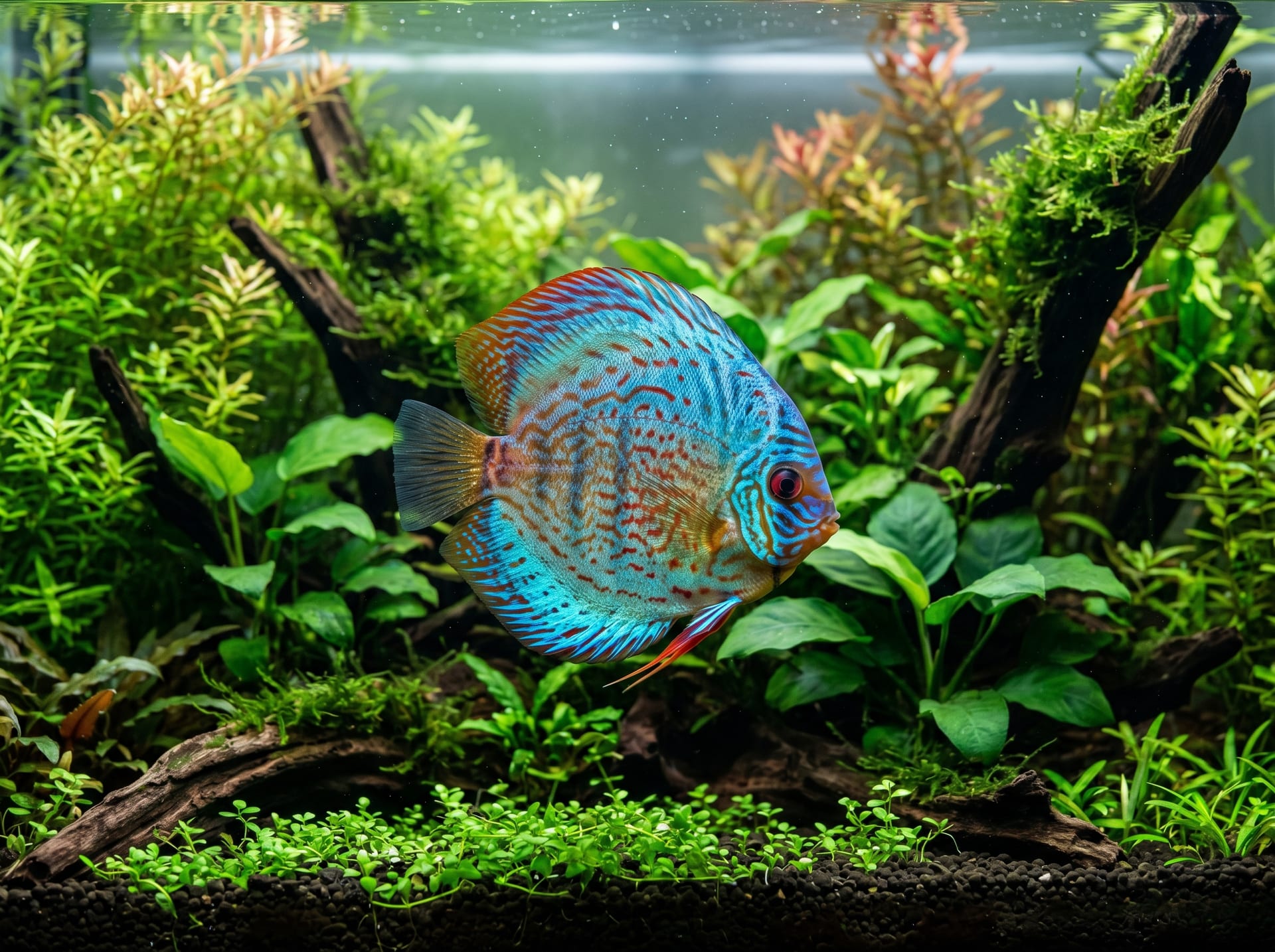
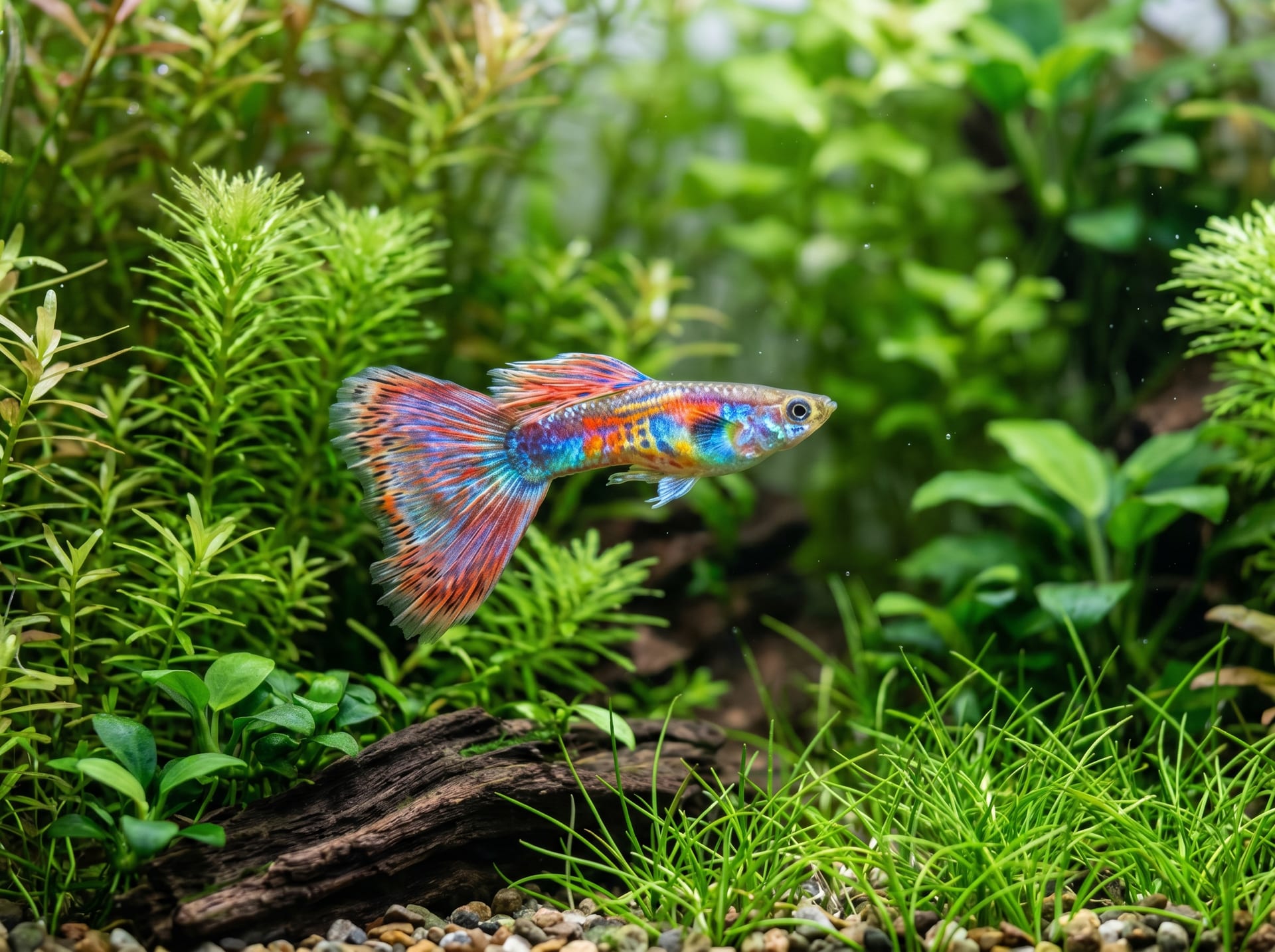
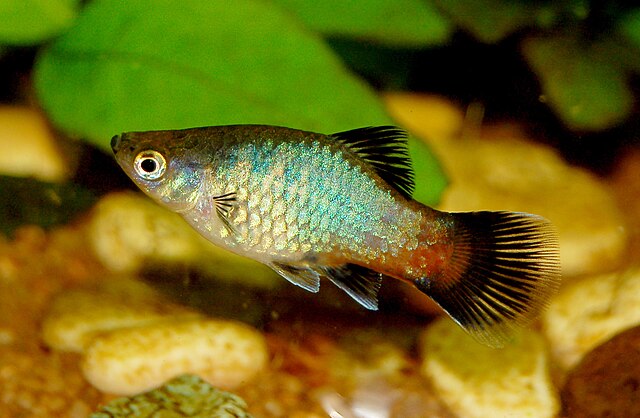
Commercial color-enhancing feeds contain astaxanthin, a type of carotenoid. Astaxanthin is particularly effective for red and orange coloration and produces dramatic results in red-bodied species like guppies, platies, and discus fish.
Representative products include "Tetra Color," "Hikari Crest Color," and "GEX Supli Coat." By feeding these as a staple daily, color changes become visible within 2-4 weeks. Overfeeding causes water quality degradation, so aim for amounts that can be consumed in 3-5 minutes per feeding, twice daily.
Further Enhancing Coloration with Fresh and Frozen Foods
Frozen bloodworms and frozen brine shrimp are abundant in natural carotenoids. Offering them 2-3 times weekly as a treat supplements nutrients that color-enhancing feed alone cannot provide, further boosting coloration.
Brine shrimp nauplii (freshly hatched larvae) are particularly effective for juveniles and small fish. Nauplii are rich in pigments and are easily digestible, helping establish vibrant body coloration from early growth stages. Brine shrimp eggs are commercially available, and with a hatchery setup you can easily raise them at home.
✍️
BreederDirect Editorial
The BreederDirect editorial team specializes in care information for animals, covering veterinary care and breeding to deliver beginner-friendly guides.
Find Tropical Fish on BreederDirect
Buy directly from verified breeders
Browse Related Listings
Find Tropical Fish listings related to this article on BreederDirect. Buy directly from verified breeders.
Related Tools
Related Articles
Browse by Category
🪸Coral
🐠Marine Fish
🐟Tropical Fish
🐡Goldfish
🐟Medaka
🦎Reptiles
Share
Don't Forget Plant-Based Pigments
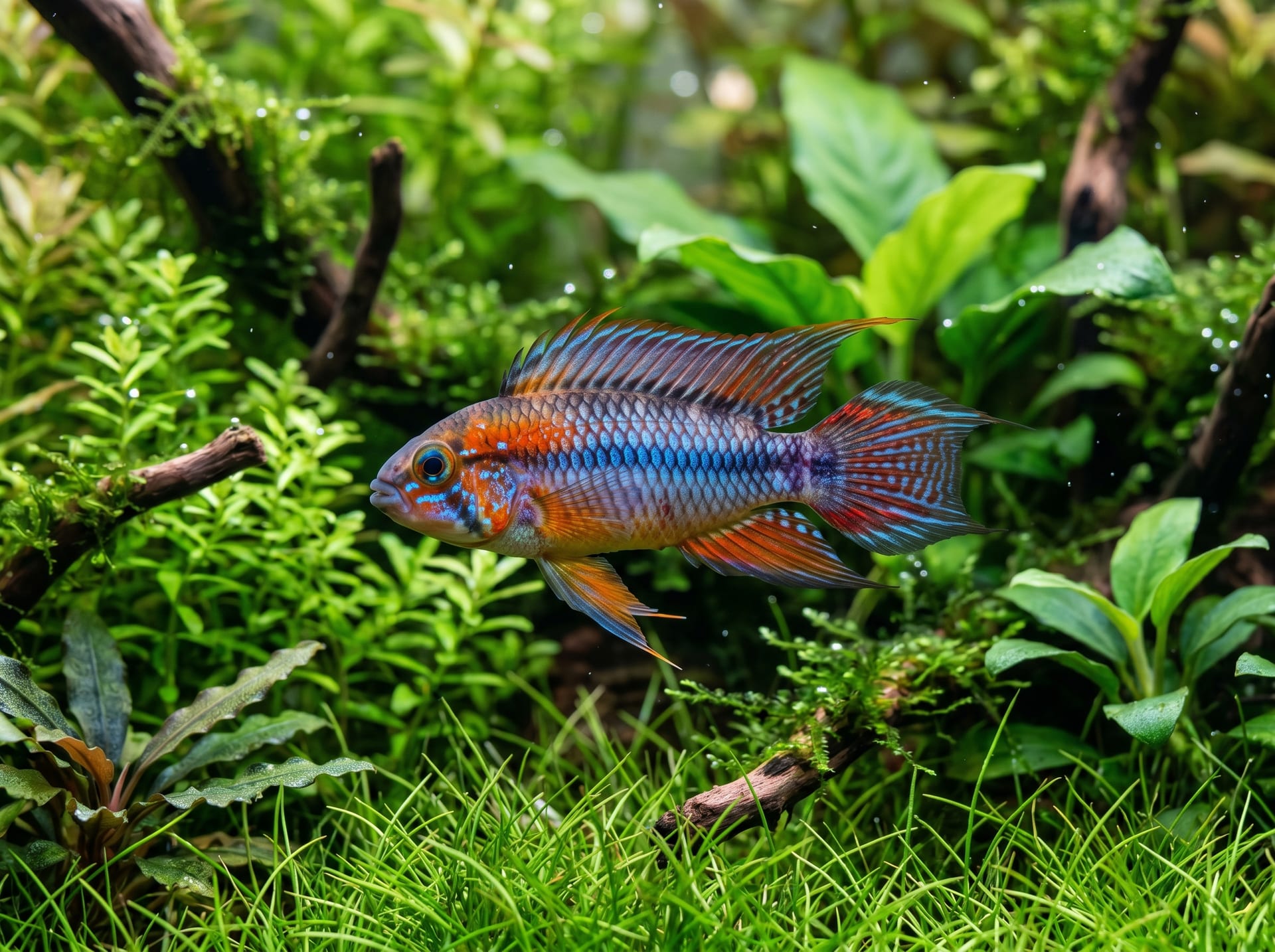
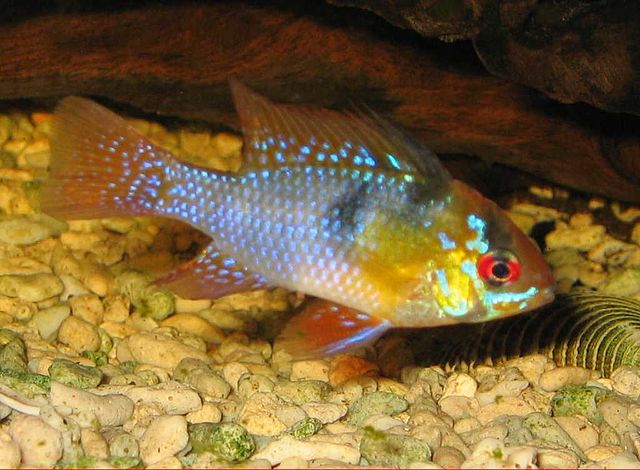
Feeds containing spirulina (algae) provide green and blue pigments. This is especially effective for cichlid species with blue-to-green coloration like ram cichlids and apistogramma. Rotating between plant-based and animal-based color-enhancing feeds achieves more balanced coloration.
---
Color Enhancement Through Lighting: Fish Shine Under the Right Light
Lighting affects not just how fish appear, but the actual formation of body coloration. Optimizing light quality, intensity, and rhythm is crucial for effective color enhancement.
Choosing Spectrum and Color Temperature
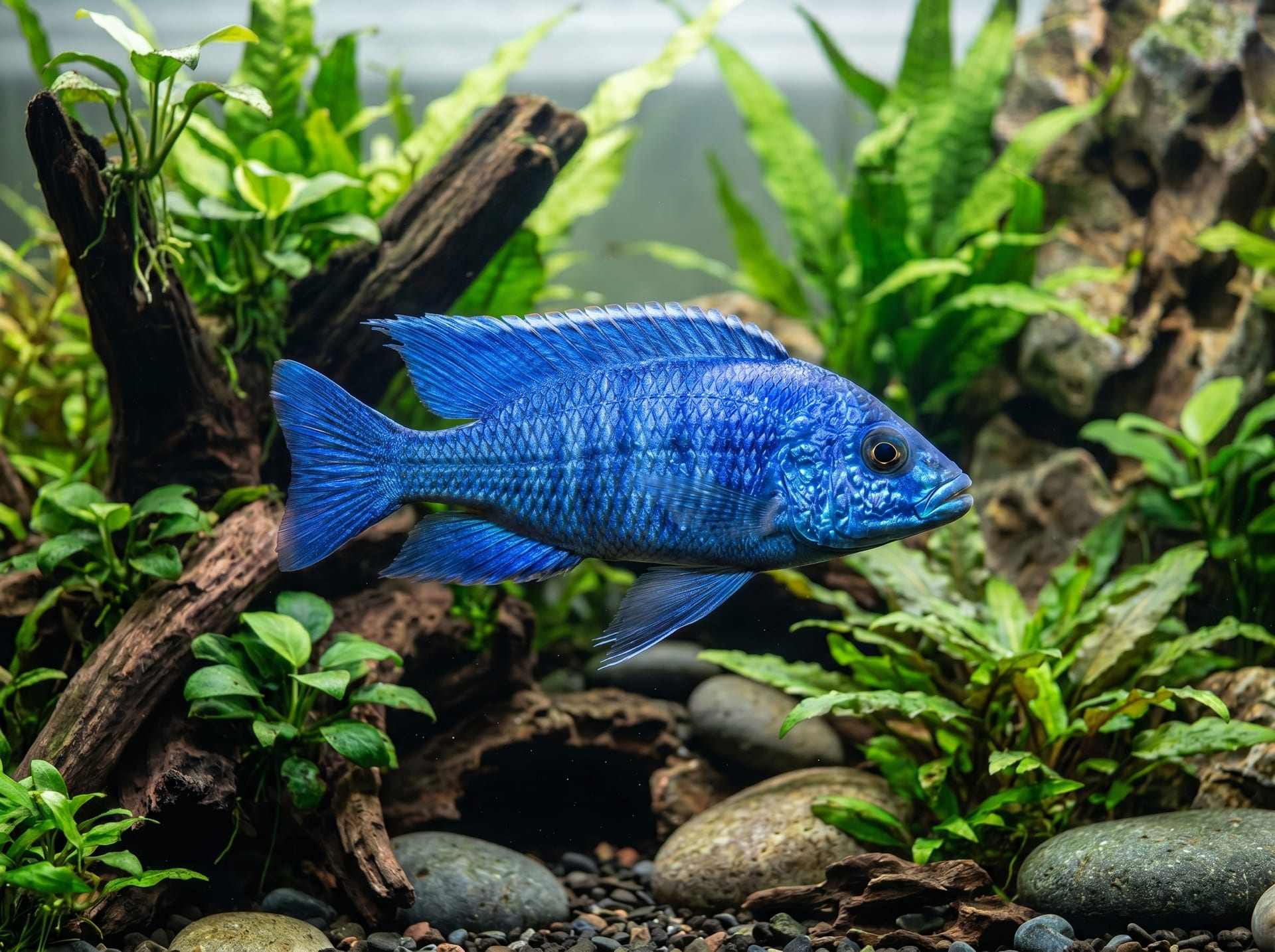
RGB-capable LED lighting allows you to adjust red, green, and blue wavelengths separately, maximizing the fish's natural colors. Intensifying the red spectrum for red-bodied fish or the blue spectrum for blue-bodied fish highlights each species' unique characteristics.
The ideal color temperature range is 6500-8000K for natural coloration. Lights above 10000K cast too much blue and make red-bodied fish appear washed out, while lights below 3000K create an overall yellowish tint. Be especially careful if repurposing marine aquarium lighting.
The Importance of Lighting Duration and Rhythm
Fish have circadian rhythms. Maintaining a consistent 8-10 hour daily light-on/light-off cycle reduces stress and promotes natural coloration. Timer-controlled outlets make this automatic management easy.
Irregular lighting puts fish in chronic stress, dulling coloration and compromising immune function. Consistent lighting rhythms are fundamental not just for color enhancement but for overall fish health.
---
Color Enhancement Through Environment: Creating a Stress-Free Space for Your Fish
No amount of premium feed will enhance colors if your fish is stressed. Fish psychological stability directly translates to body color beauty.
Strategically Choosing Substrate and Background Colors
Black substrate (black soil, volcanic sand, black sand, etc.) brings out deeper coloration in fish. This leverages fish's natural habit of adjusting body color to match their background (protective coloration response). Light-colored substrates can cause fish to lighten their colors.
Similarly, simply making your tank background (backing screen) black or dark blue makes fish colors pop. If your tank is currently transparent, you can easily test this by placing a black board behind it.
Maintaining Proper Stocking Density and Providing Hiding Places
Overstocking causes chronic stress and color fading. As a general rule, a 60cm tank can safely hold 20-30 small fish (3-5cm). Maintaining appropriate stocking density supports long-term color viability.
Creating hiding places with aquatic plants, driftwood, and rocks helps fish feel secure. Cichlids and shy species especially benefit—hiding spots reduce territorial stress and promote male breeding coloration and other color-enhancing behaviors.
---
Color Enhancement Through Water Quality: Water Properties Determine Coloration
Water quality is invisible but profoundly impacts tropical fish coloration. Recreating water conditions close to a fish's native habitat is the fastest path to wild-type coloration.
Managing pH and Hardness
Most South American tropical fish (tetras, apistogramma, discus, etc.) achieve their best coloration in slightly acidic soft water (pH 6.0-6.8, hardness 3-8 dH). Japanese tap water varies by region, but among breeders, the standard approach is to create soft water using RO (reverse osmosis) water with added minerals.
Conversely, African cichlids and guppies prefer alkaline hard water. Research your species' native water conditions and adjust your water accordingly—this is the foundation of color enhancement.
Utilizing Blackwater
For fish native to the Amazon basin, blackwater (brown water containing tannins and humic acids) is remarkably effective. Adding commercial blackwater extract or alder cones can bring out the deep, natural coloration of wild-caught specimens.
Blackwater also lowers pH, creating a dual benefit when combined with water management.
---
Summary: Color Enhancement is the Result of Comprehensive Care
There is no magic bullet for tropical fish color enhancement. Combining feed, lighting, environment, and water quality while creating a stress-free environment is the fastest route to beautiful coloration.
Most importantly, focus on "creating a stress-free environment." Even premium color-enhancing feeds won't work if your fish are frightened or water quality is poor. Start by maintaining rigorous water changes and water quality, then gradually improve substrate, lighting, and feed, and you'll steadily notice color improvements.
If you want to raise healthy tropical fish with beautiful coloration, consider purchasing from a trusted breeder. Br-choku lets you buy directly from breeders across Japan who carefully raise their fish. You can ask breeders directly about care and diet, so you can confidently begin keeping your fish after purchase. For healthy, vibrantly colored fish at fair prices, check out the tropical fish listings on Br-choku today.
![[Pro Tips] Tropical Fish Color Enhancement Techniques | Feed, Lighting, and Environmental Optimization](https://img.br-choku.com/column-images/tropical-pencilfish-nannostomus-care-guide/hero-1778525588616.jpg)