A comprehensive guide to caring for the Orchid Dottyback (Pseudochromis fridmani). Covering aquarium size, water quality management, feeding, tankmate compatibility, and breeding—everything you need to know to keep this beautiful purple marine fish healthy and thriving for years.
Key Takeaways
A comprehensive guide to caring for the Orchid Dottyback (Pseudochromis fridmani). Covering aquarium size, water quality management, feeding, tankmate compatibility, and breeding—everything you need to know to keep this beautiful purple marine fish healthy and thriving for years.
About the Orchid Dottyback
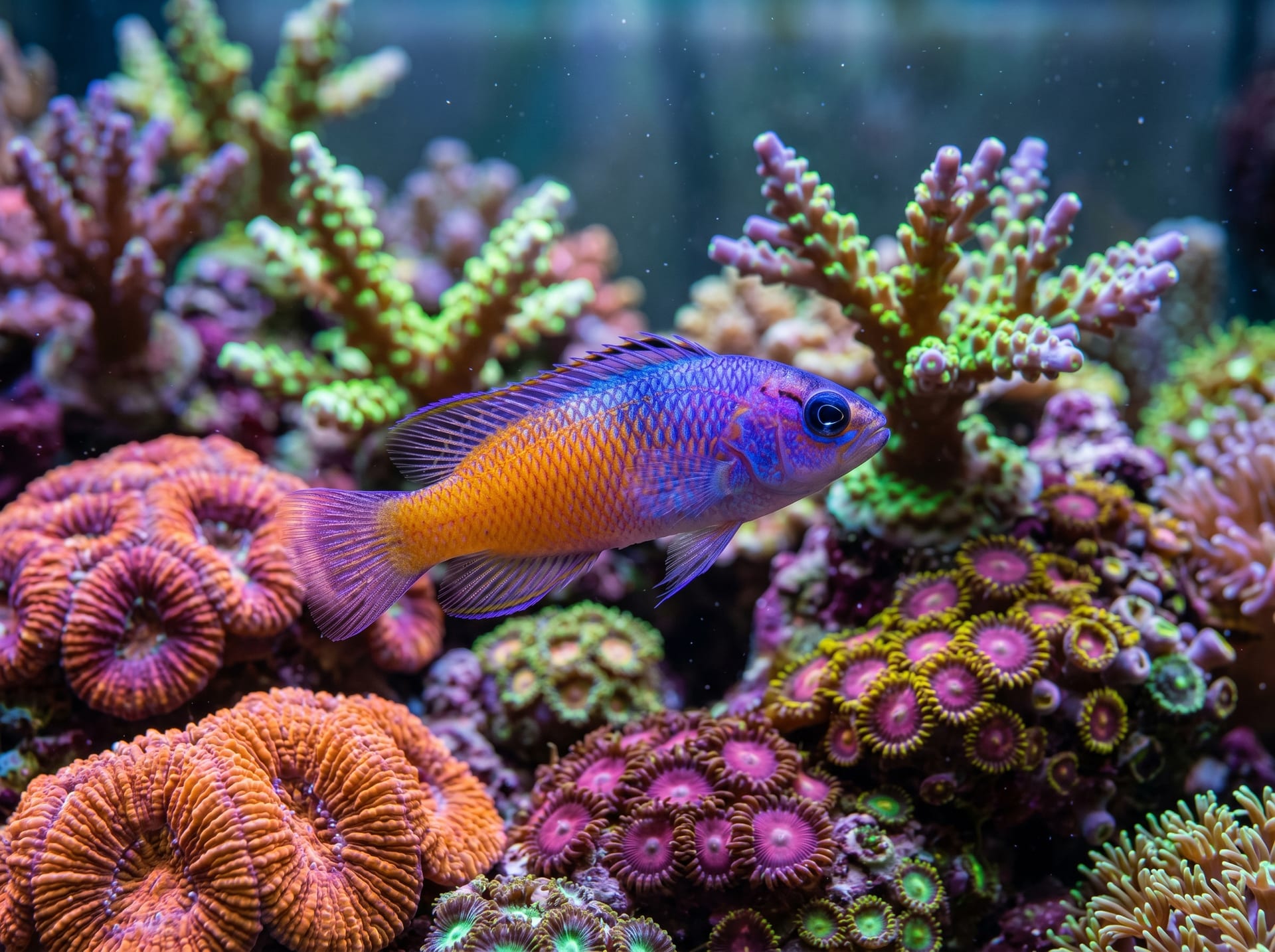
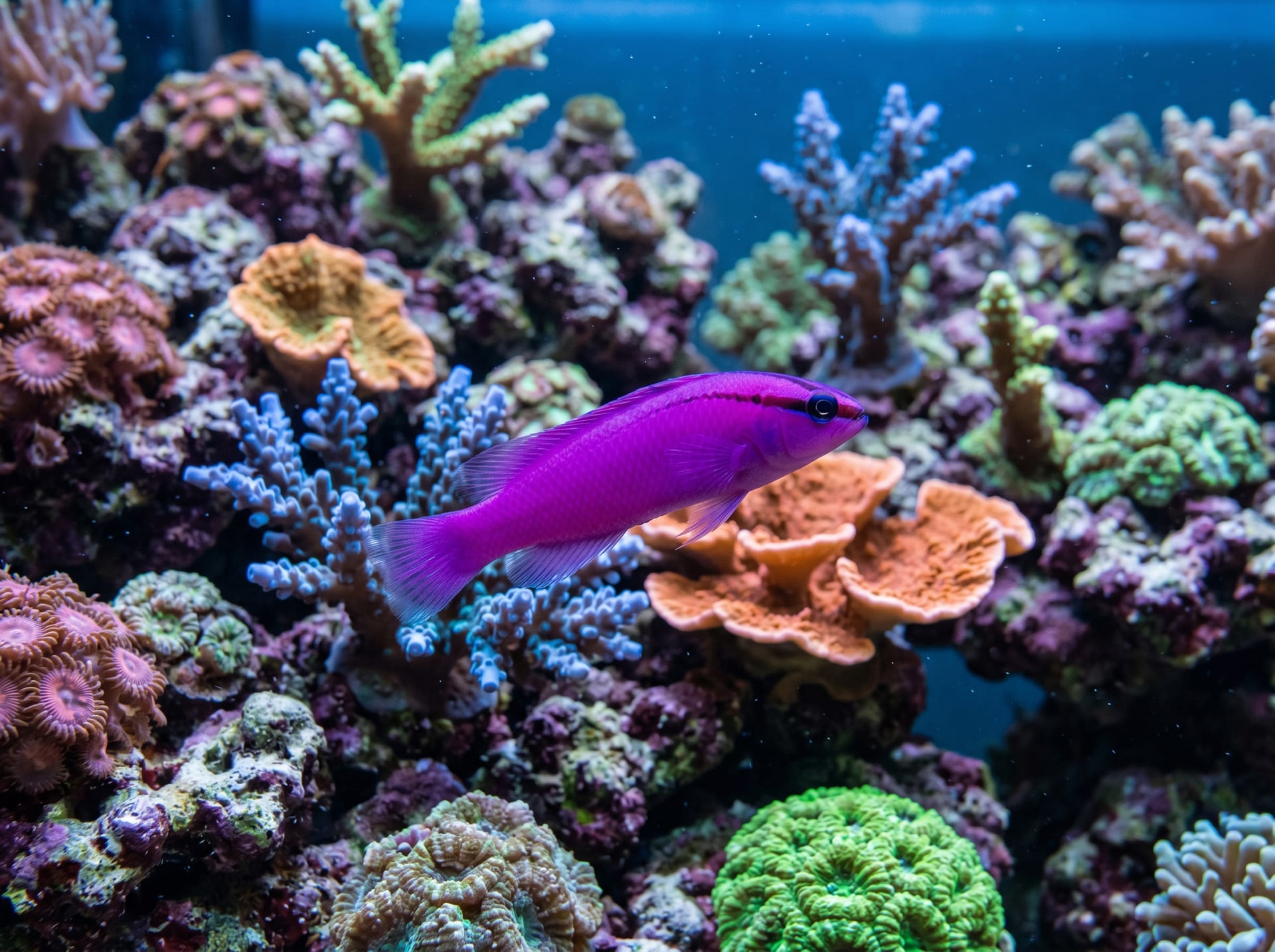
The Orchid Dottyback (scientific name: Pseudochromis fridmani) is a marine fish from the Dottyback family, native to the Red Sea. It reaches a maximum body length of about 7 cm and is characterized by its vibrant purple (lavender) coloration covering the entire body. It is highly popular as an ornamental fish and is widely kept by reef tank enthusiasts in Japan.
✍️
BreederDirect Editorial
The BreederDirect editorial team specializes in care information for animals, covering veterinary care and breeding to deliver beginner-friendly guides.
Find Marine Fish on BreederDirect
Buy directly from verified breeders
Browse Related Listings
Find Marine Fish listings related to this article on BreederDirect. Buy directly from verified breeders.
Related Tools
Related Articles
Browse by Category
🪸Coral
🐠Marine Fish
🐟Tropical Fish
🐡Goldfish
🐟Medaka
🦎Reptiles
Share
Despite its small size, it is extremely active with strong territorial behavior, spending much of its time in the aquarium around hiding places. In the wild, it dwells in crevices of rocky reefs and feeds on small crustaceans and small fish.
Classification & Basic Information
Item
Details
Scientific Name
Pseudochromis fridmani
Common Name
Orchid Dottyback / Fridman's Dottyback
Distribution
Red Sea
Maximum Length
7 cm
Difficulty Level
Beginner to Intermediate
Ideal Water Temperature
24–26°C
Ideal Specific Gravity
1.023–1.025
Tank Selection and Environment Setup
Tank Size
For a single Orchid Dottyback, a tank of 60 cm or larger is recommended. A 30 cm cube can work, but territorial aggression becomes intense, limiting you to housing a single fish. If you plan to keep a pair or multiple individuals, a tank of 90 cm or larger is ideal.
Live Rock and Hiding Places
It is critical to arrange live rock in arch or cave-like formations and provide plenty of hiding places. When stressed, the Orchid Dottyback will spend more time hiding in rock crevices, and its feeding behavior will decline. When keeping multiple individuals, design the live rock arrangement so that each fish can establish its own separate "territory."
Water Quality Management
Temperature: 24–26°C (managed year-round with heater and chiller)
Specific Gravity: 1.023–1.025
pH: 8.1–8.3
Nitrate (NO₃⁻): Maintain below 20 ppm
Ammonia and Nitrite: Aim for zero detection
Installation of a protein skimmer is strongly recommended. Since it is native to the Red Sea, it has high water quality requirements. Be sure to perform regular water changes (approximately 10–15% weekly).
Feeding and Acclimation to Food
Recommended Foods
The Orchid Dottyback is highly carnivorous and readily feeds on the following:
Frozen Copepods and Mysis Shrimp: Nutrient-rich and encourage natural feeding behavior
Frozen Enriched Brine Shrimp: Highly palatable
Artificial Feeds (Carnivore Pellets): Formula One from Ocean Nutrition is a standard choice
Dried Krill: Highly palatable but watch for nutritional imbalance
Feeding Frequency and Amount
Feed twice daily in an amount that will be consumed within 2–3 minutes. Remove any uneaten food with a pipette to prevent water quality degradation.
Tips for Acclimating to Food
Freshly imported individuals may have reduced feeding due to stress. Start with foods closer to live food, such as frozen mysis and copepods, then gradually transition to artificial feeds. Acclimate slowly over 1–2 weeks.
Tankmate Compatibility and Cautions
Compatible Fish
While territorial, the Orchid Dottyback coexists relatively well with larger fish that move slowly:
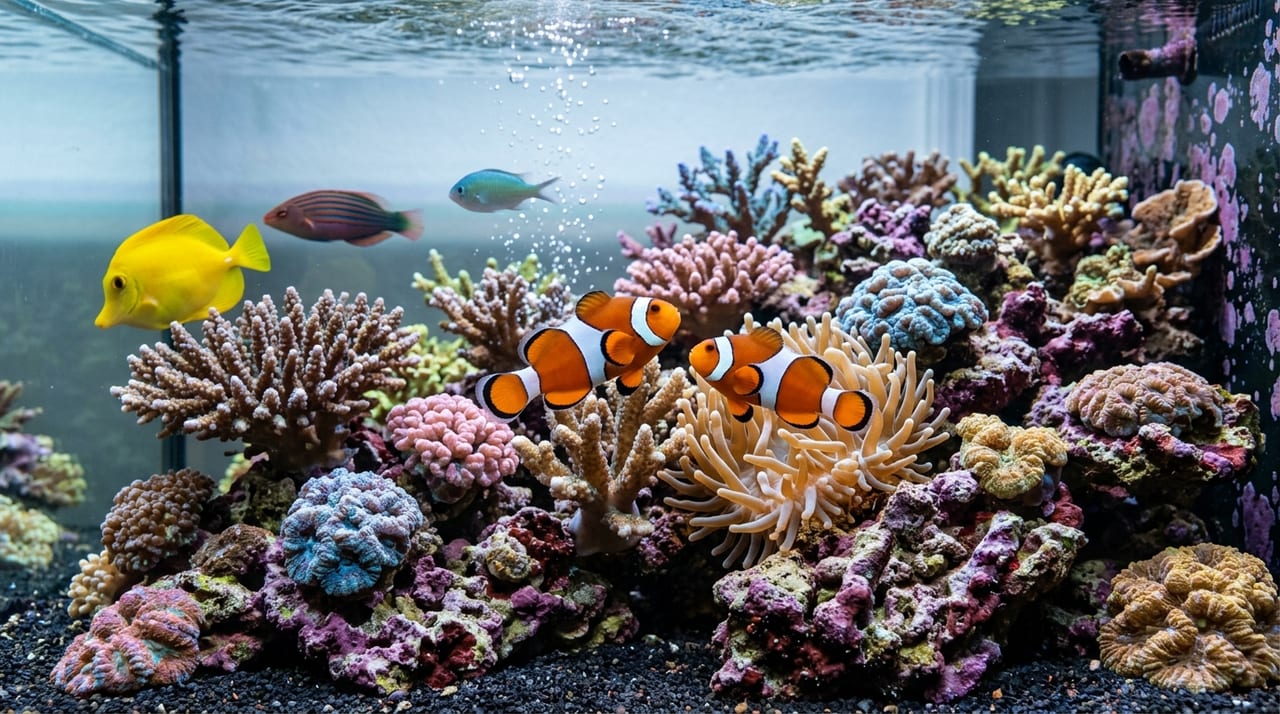
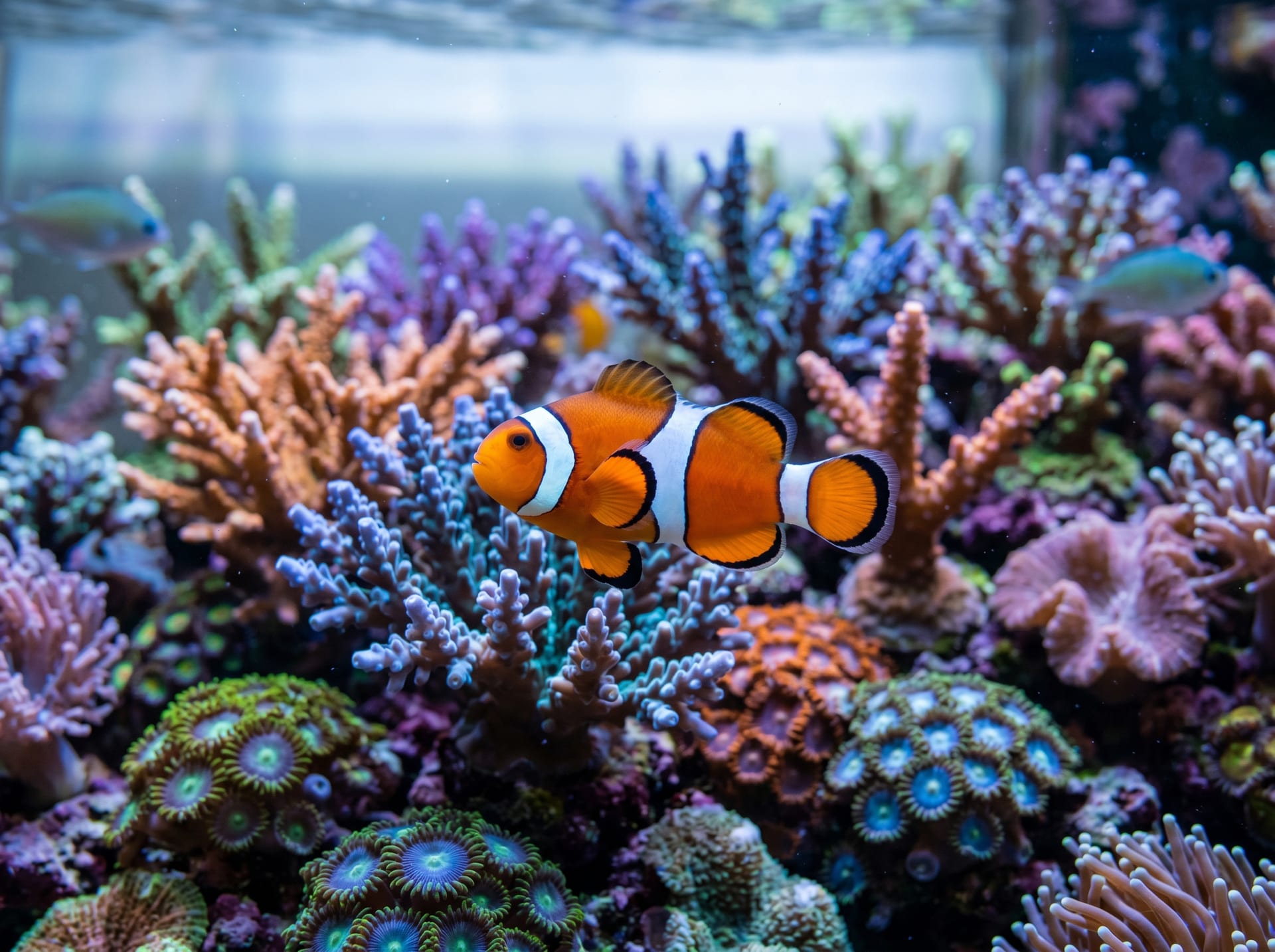
Ocellaris Clownfish: Dependent on host anemones, so territories are unlikely to overlap
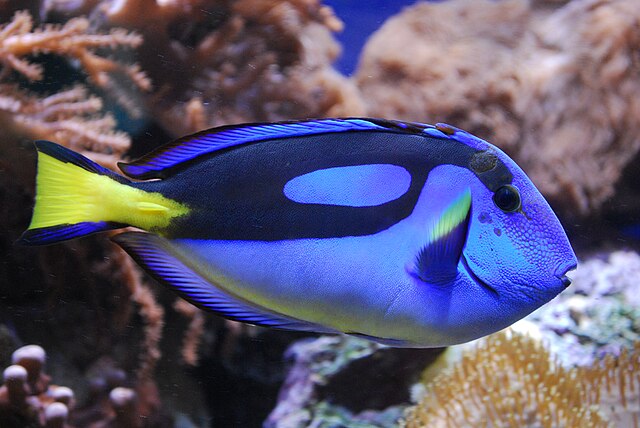
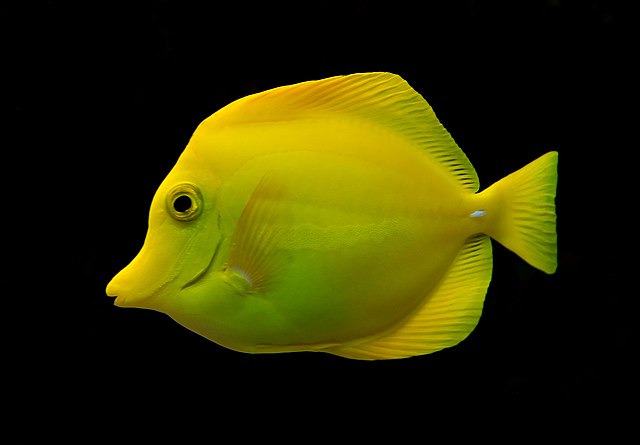
Powder Blue Surgeonfish, Yellow Tang: Generally fine with adequate space
Garden Eels: Unlikely to cause territorial disputes
Incompatible Fish and Problematic Combinations
Same or Related Dottybacks: Intense territorial aggression occurs (generally incompatible except for pairs)
Small Scorpionfish and Some Gobies: May be predated upon
Shy Small Fish (Pygmy Angelfish, etc.): May be chased relentlessly
If introducing the Orchid Dottyback after other fish, territorial attacks may intensify with established residents. Introduce it last, or temporarily rearrange the tank layout before introduction to minimize conflict.
About Breeding
Pairing
The Orchid Dottyback is a unidirectional hermaphrodite that becomes male upon maturity. When two or more are kept in the same tank, the larger individual functions as the male, while the smaller becomes female.
Effective pairing methods include introducing same-sized individuals simultaneously or gradually acclimating differently sized individuals to cohabitation. If aggression is severe, use a divider to allow a visual acclimation period ("introduction").
Spawning and Hatching
Once a pair bonds, the male prepares a spawning site in live rock crevices or beneath rock overhangs. Paternal care is observed, with the male guarding eggs laid by the female. At approximately 25°C, eggs hatch in about 5–7 days.
Larvae have a planktonic feeding stage requiring very small rotifers or SS-1 formula. Rearing requires effort, but successful breeding has been documented both domestically and internationally.
Disease and Health Management
The Orchid Dottyback is relatively hardy, but the following diseases warrant attention:
Marine White Spot Disease (Cryptocaryon): Risk of infection increases with rapid changes in temperature and specific gravity. A 2–4 week quarantine treatment (low specific gravity and copper ion treatment) is recommended for new introductions
Lymphocystis: Viral wart-like growths. Typically appears when immunity is compromised; often resolves naturally with improved water quality and enhanced nutrition
Regular water changes and stable water quality management are the foundation of disease prevention.
Summary
The Orchid Dottyback, with its beautiful purple coloration and relatively hardy nature, is an excellent choice for beginner to intermediate marine aquarists. Long-term care is possible by keeping these key points in mind:
Provide a tank of 60 cm or larger with plenty of hiding places among live rock
Be mindful of territorial behavior when selecting tankmates and determining introduction order
Maintain stable water quality with nitrate levels below 20 ppm
Acquiring healthy specimens from reputable breeders and caring for them with dedication will allow you to enjoy their beautiful purple coloration for years to come.