Complete Guide to Keeping Neon Tetras | Water Quality, Tank Mates, and Disease Treatment
A comprehensive guide to caring for Neon Tetras, the classic beginner aquarium fish. Covers proper water quality management, the appeal of schooling, compatible tank mates, and disease prevention including Neon Tetra disease.
Key Takeaways
A comprehensive guide to caring for Neon Tetras, the classic beginner aquarium fish. Covers proper water quality management, the appeal of schooling, compatible tank mates, and disease prevention including Neon Tetra disease.
Basic Information About Neon Tetras
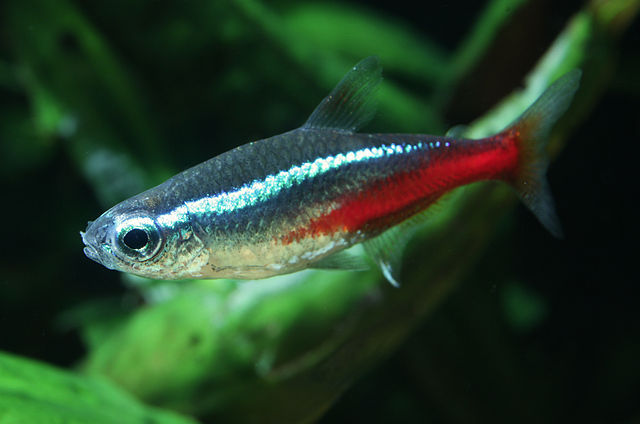
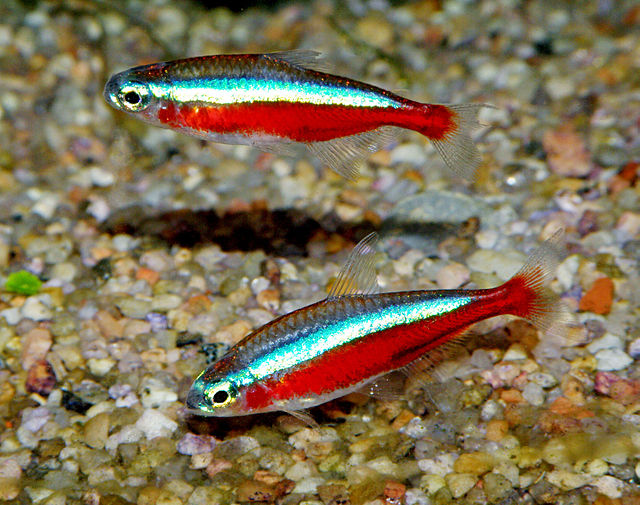
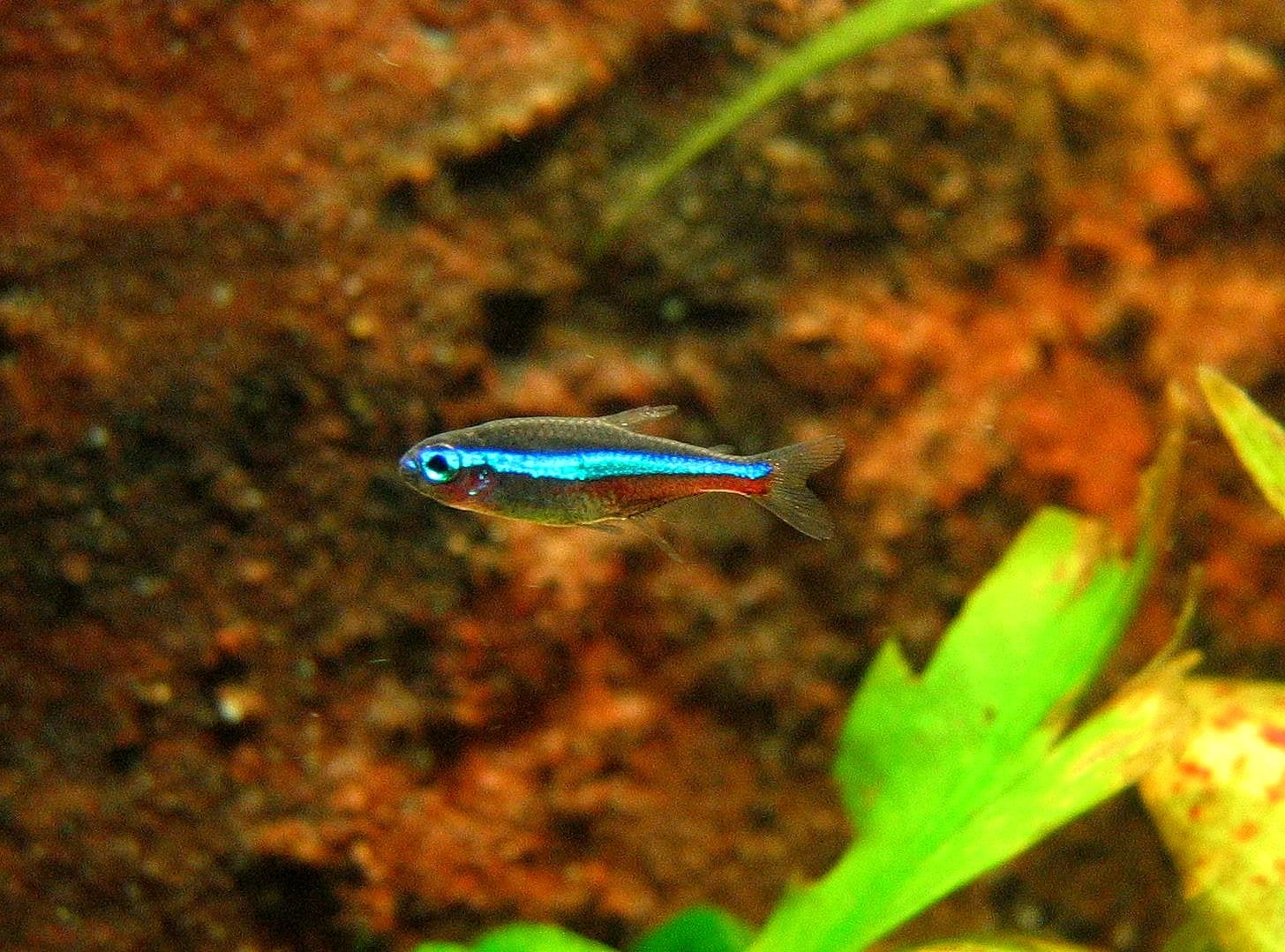
Neon Tetras (Paracheirodon innesi) are small characins native to South American Amazon river systems, reaching a maximum length of about 4 cm. They are characterized by vivid neon blue lines and a red tail, and their schooling behavior is truly like jewels in water. They are one of the most widely kept tropical fish in the world and an ideal species for beginners in aquariums.
✍️
BreederDirect Editorial
The BreederDirect editorial team specializes in care information for animals, covering veterinary care and breeding to deliver beginner-friendly guides.
Find Tropical Fish on BreederDirect
Buy directly from verified breeders
Browse Related Listings
Find Tropical Fish listings related to this article on BreederDirect. Buy directly from verified breeders.
Related Tools
Related Articles
Browse by Category
🪸Coral
🐠Marine Fish
🐟Tropical Fish
🐡Goldfish
🐟Medaka
🦎Reptiles
Share
Most Neon Tetras currently in circulation are captive-bred individuals from Southeast Asia, priced at approximately 50–100 yen per fish, making them very affordable. They truly shine when kept in schools, so I recommend introducing at least 10 or more individuals.
Basics of Neon Tetra Care (Key Points Summary)
Neon Tetra care can be summarized in one phrase: "maintain stable, slightly acidic water, keep them in schools, and feed small amounts of small-sized food." Those keeping them for the first time should prepare in the following order.
Set up a 30–60 cm aquarium with a filter and heater, and cycle the water for approximately two weeks to establish the aquarium
Introduce 10 or more fish together, quarantine them in a separate tank for 1–2 weeks, then transfer them to the main aquarium
Maintain a water temperature around 26°C and pH of 6.0–7.5, and perform 20–30% water changes once per week
Feed flake food or small pellets once or twice daily, only the amount they can consume in 2–3 minutes
Tank mates should be limited to small-mouthed, peaceful fish
The following sections explain equipment, water quality, tank mates, feeding, and disease in detail.
Necessary Equipment and Tank Setup
Let's gather the basic equipment necessary for keeping Neon Tetras in good health.
Recommended Equipment
Aquarium: 30–60 cm (a 45 cm aquarium is convenient for 10–30 fish)
Filter: Hang-on filter or undergravel filter (choose one with gentle water flow)
Heater: Thermostat-equipped heater set to 26°C
Lighting: LED light (on for 8–10 hours daily)
Substrate: Soil or fine sand/gravel (light or white varieties brighten the water)
Aquatic plants: Willow moss, Amazon sword, and aquatic plants
When setting up an aquarium, "cycling" is essential. To establish bacterial colonies in the filter, run the filter for at least two weeks before adding fish, or use bacterial supplements to complete the nitrogen cycle. It is safest to introduce fish only after ammonia and nitrite are no longer detected.
Water Quality Management
The upper Amazon River region where Neon Tetras naturally inhabit has soft, slightly acidic water. Since tap water quality in Japan varies significantly by region, always check with a test kit.
Ideal Water Quality Parameters
Water temperature: 23–27°C (optimal around 26°C)
pH: 6.0–7.5 (slightly acidic to neutral is ideal)
Hardness: GH 2–10 (soft to moderately hard water)
Ammonia/nitrite: maintain as close to zero as possible
Perform water changes once weekly, aiming for 20–30% of the aquarium volume. Changing too much water at once causes sudden water quality shifts that stress Neon Tetras. Always dechlorinate tap water and match its temperature to the aquarium before adding it.
Using soil naturally creates a slightly acidic environment and works great with aquatic plants. Adding driftwood also promotes slight acidity and leaches tannins, recreating a blackwater-like environment.
Compatible Tank Mates and Precautions
Neon Tetras are peaceful and can coexist with many tropical fish. However, there is a risk of predation by fish with significantly larger mouths.
Compatible Tank Mates
Cardinal Tetras, Green Neon Tetras (fellow characins)
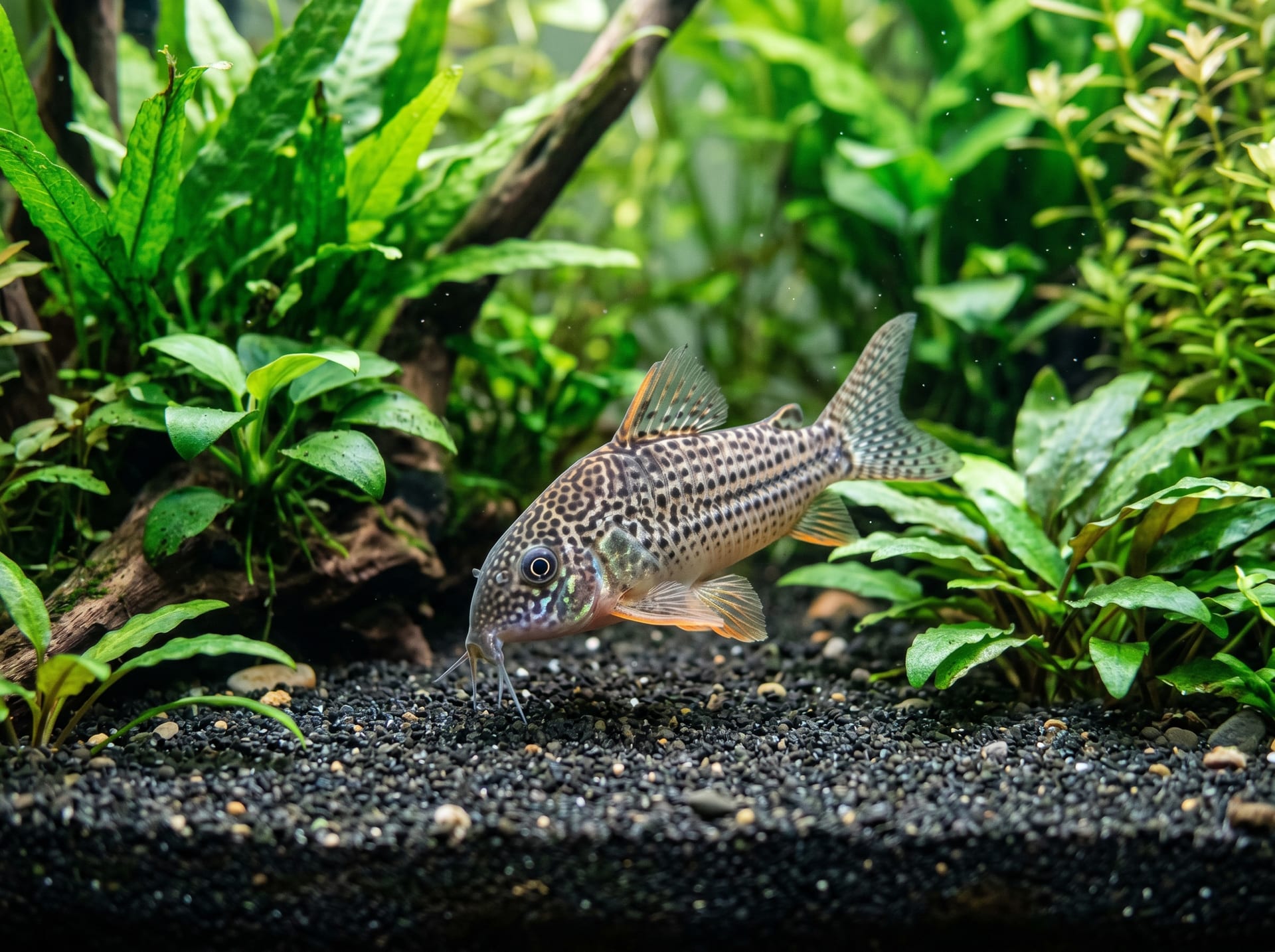
Corydoras species (occupy the bottom layer, allowing niche separation)
Otocinclus (useful as algae eaters)
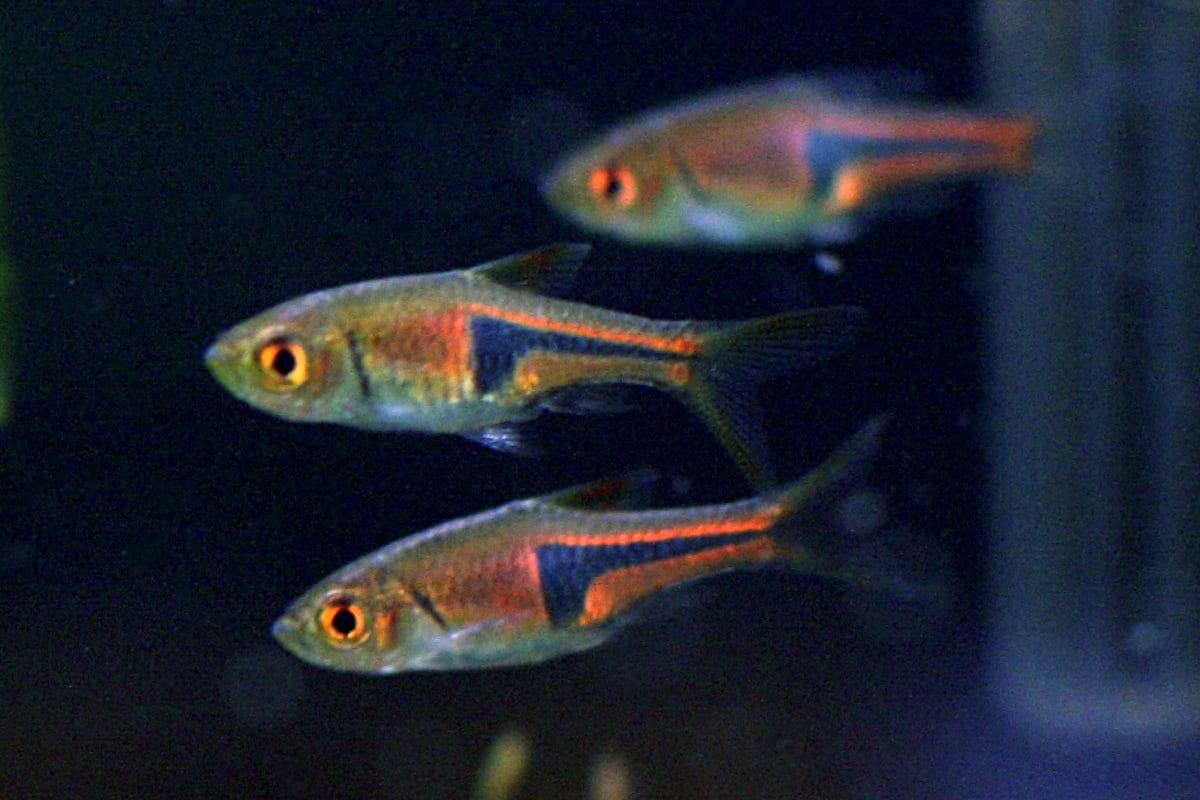
Small Rasboras such as Rasbora espei
African Dwarf Frogs (live near the surface and rarely interfere)
Fish Requiring Caution for Tank Mates
Bettas (may nip Neon Tetra fins)
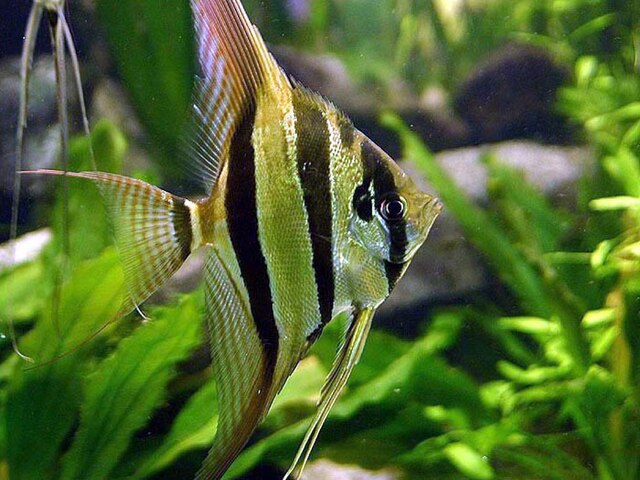
Angelfish (adults may prey on Neon Tetras)
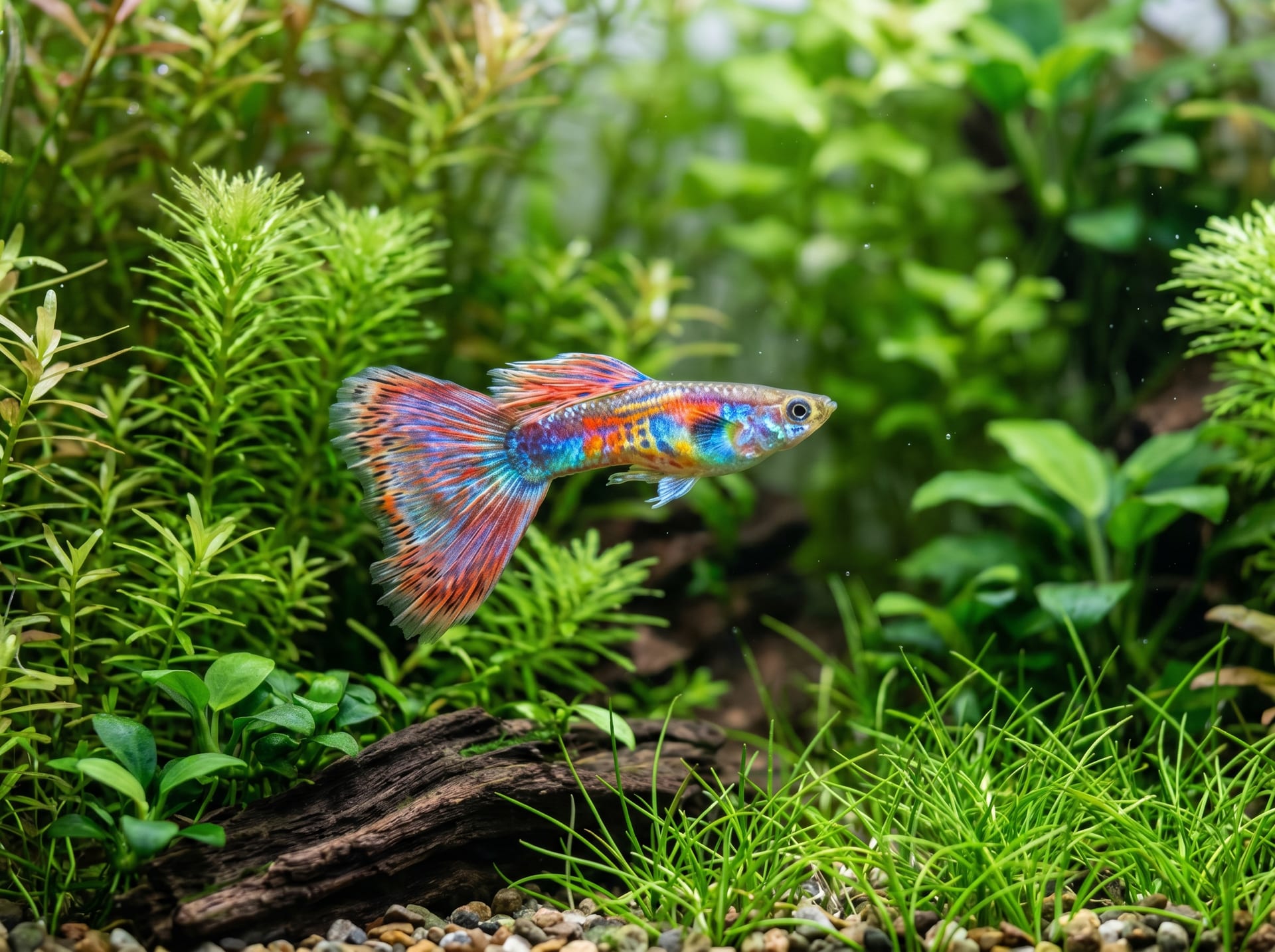
Long-finned fish like Guppies (Neon Tetras may nip them)
Large cichlids in general
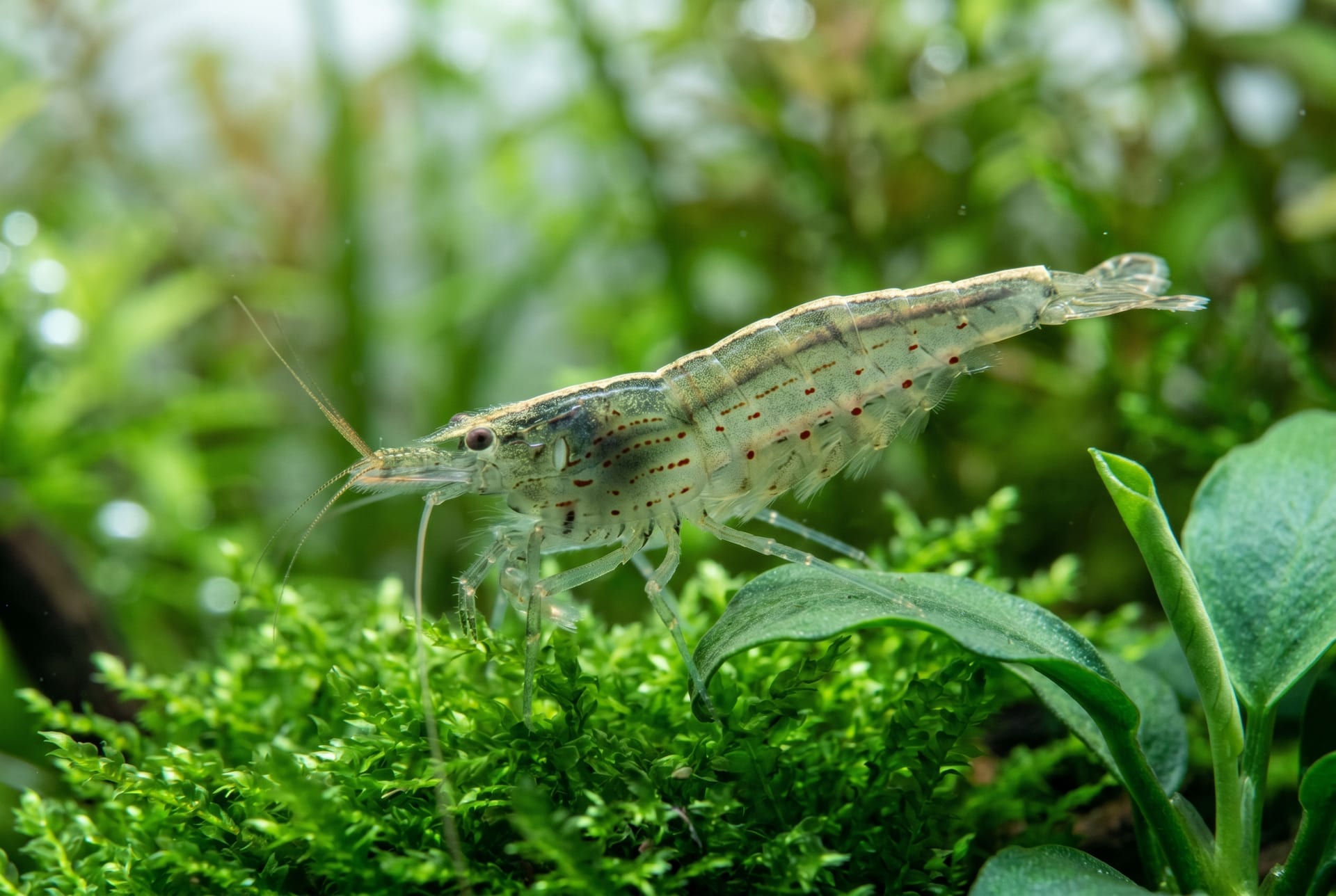
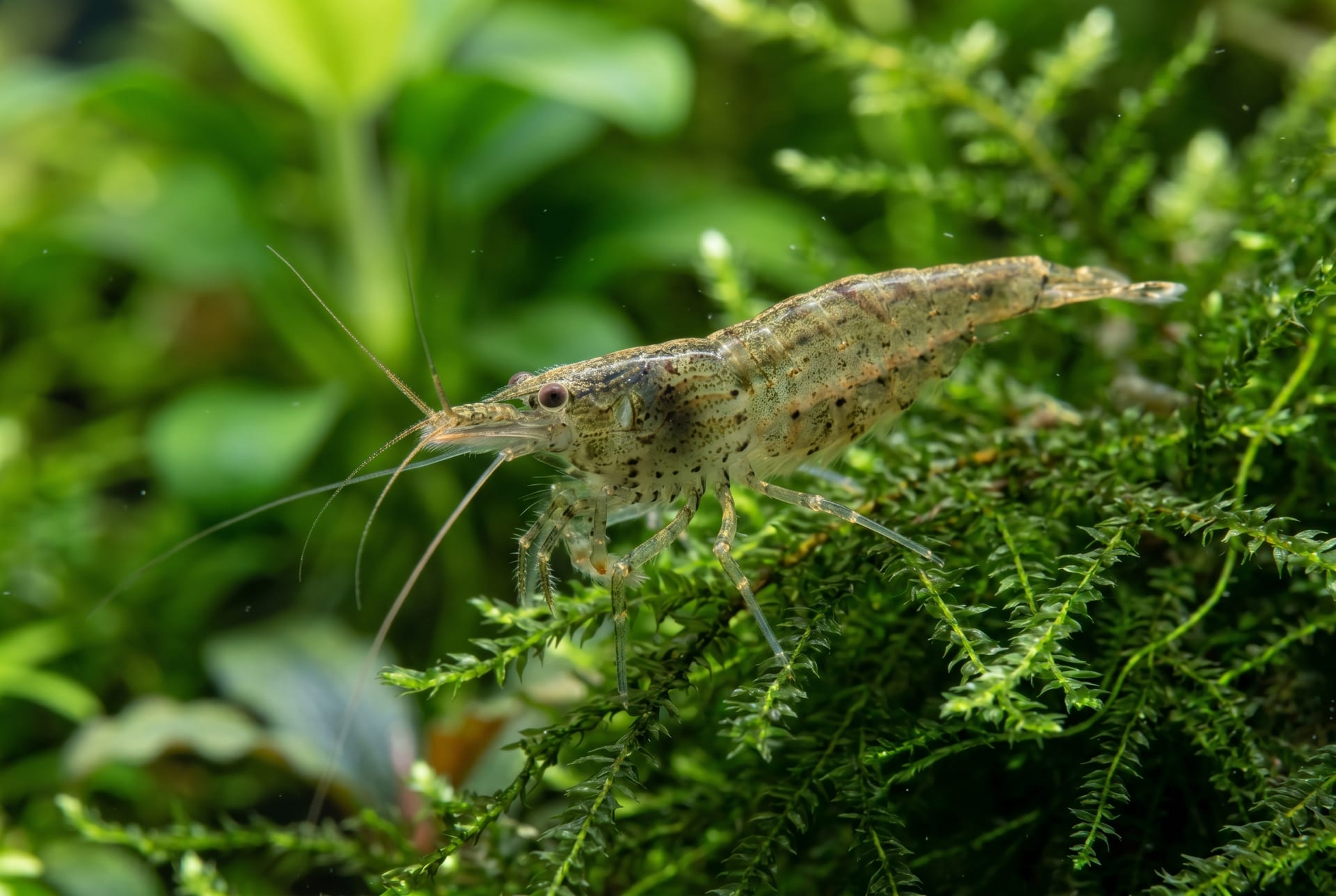
Tank mates with shrimp species (Amano shrimp, Red Cherry shrimp) are generally compatible, though young shrimp may be preyed upon.
Feeding
Since Neon Tetras have small mouths, choose small-sized food. Flake-based tropical fish food is the standard.
Feeding Tips
Feed once or twice daily, only the amount they can consume in 2–3 minutes
Always remove uneaten food with a siphon (it causes water quality deterioration)
Coloration improves if frozen bloodworms or brine shrimp are given 1–2 times weekly
Adult fish can withstand 5–7 days of fasting (useful during travel)
Common Diseases and Treatment
Neon Tetras are susceptible to specific diseases, and "Neon Tetra disease" in particular has a high mortality rate, so caution is needed.
Neon Tetra Disease (Pleistophora Infection)
Cause: Parasitic infection by microsporidian (Pleistophora hyphessobryconis)
Symptoms: Clouding or fading of the neon blue line, hemorrhagic spots, erratic swimming
Treatment: No effective treatment exists; isolation or euthanasia of infected fish is standard. Preventing spread is the priority.
Prevention: Always quarantine new fish in a separate quarantine tank for two weeks before moving them to the main aquarium.
Ich/White Spot Disease (Ichthyophthirius Infection)
Cause: Ciliate parasitism
Symptoms: White spots appear on the body, fins clamp, fish sink to the bottom
Treatment: Raise water temperature by 1–2°C and use over-the-counter treatments (methylene blue, Green F Gold, etc.). Increasing salinity to 0.3–0.5% is also effective.
Columnaris/Fin Rot (Flavobacterium Infection)
Cause: Gram-negative bacteria
Symptoms: Fins appear to dissolve and whiten, caudal fin necrosis
Treatment: Medicate with antibacterial medication such as Green F Gold powder or Erubäge Ace.
Early detection and prompt treatment are critical for any disease. Watch daily for signs of reduced appetite, color loss, or swimming abnormalities, and address them immediately. Thorough quarantine of newly purchased fish is the most important measure for disease prevention.
Attempting Breeding
Breeding Neon Tetras is moderately challenging, but is possible in the home aquarium with proper conditions.
Breeding Conditions
Provide soft, slightly acidic water with pH 6.0 or below (pH 5.5–6.0 is ideal)
Fill a 30 cm spawning tank with willow moss
Keep the tank dark or very dimly lit to encourage spawning
Introduce a mature pair (select females with rounded abdomens) in the evening
Return the parents to the main aquarium after spawning, as they will eat the eggs and fry. Fry are light-sensitive, so keep them in darkness for one week after hatching. Raise them by feeding infusoria (paramecia) first, then brine shrimp nauplii.