Boxfish & Marine Pufferfish Care Guide | Species, Lifespan, Compatibility, Toxin Management
A guide to caring for boxfish and marine pufferfish. Includes species-at-a-glance tables for size, lifespan, water temperature, and price for Boxfish, Spotted Boxfish, Longhorn Cowfish and more, ostracitoxin risk management, tank mate compatibility, tank sizing, and feeding tips.
Key Takeaways
A guide to caring for boxfish and marine pufferfish. Includes species-at-a-glance tables for size, lifespan, water temperature, and price for Boxfish, Spotted Boxfish, Longhorn Cowfish and more, ostracitoxin risk management, tank mate compatibility, tank sizing, and feeding tips.
Related Species
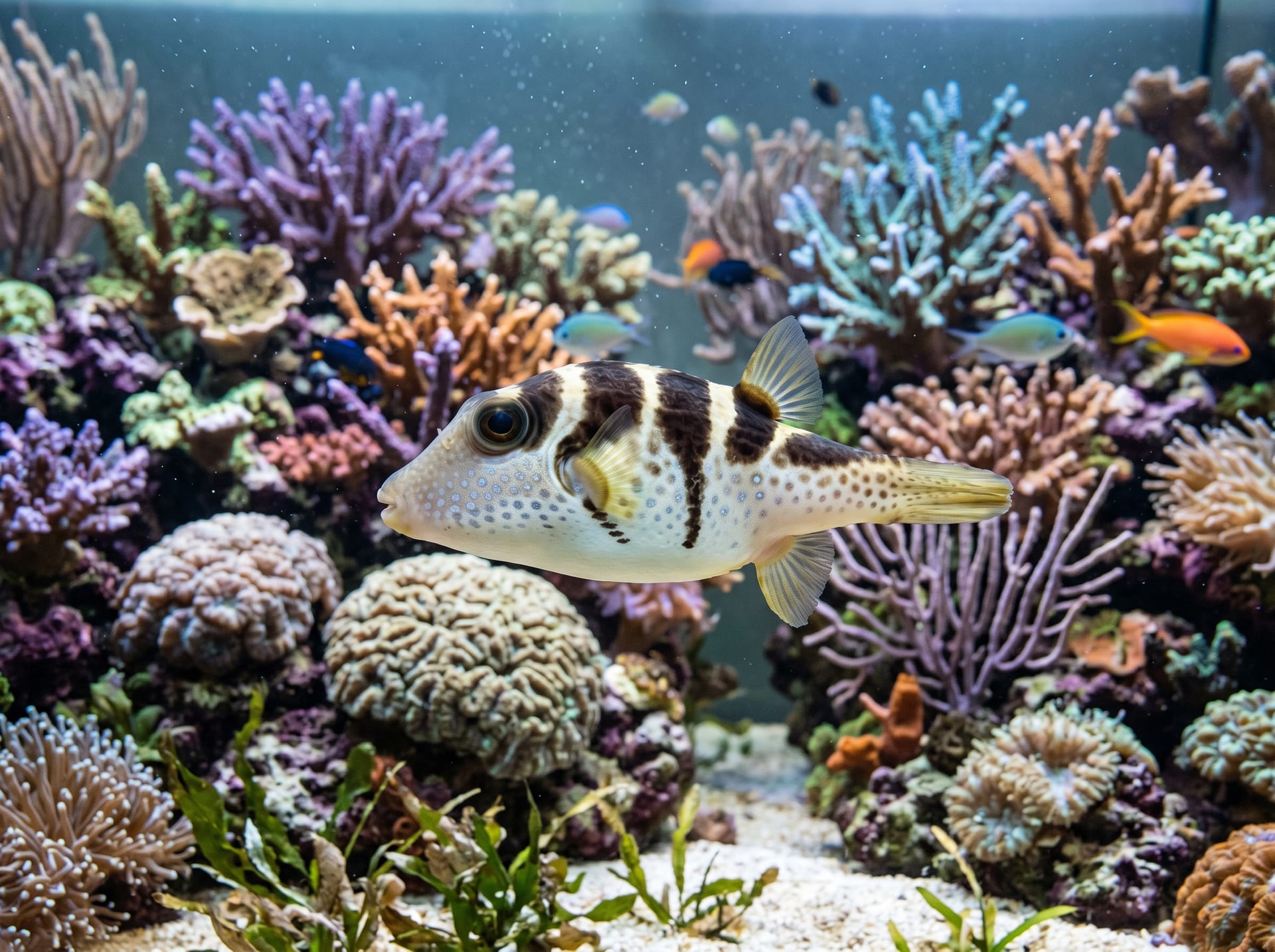
The Appeal of Marine Pufferfish & Boxfish and Major Species
Marine pufferfish and boxfish captivate aquarists with their round, endearing body shapes and their awkwardly charming swimming style. These popular species fascinate hobbyists with their inquisitive nature—watching their wide eyes as they approach their keeper feels like keeping a tiny pet, revealing the true joy of tropical marine fishkeeping.
Representative species include the following:
Valentini Puffer: Reaching around 10–12 cm in total length, it is relatively compact. Distinguished by white coloration with brown striping, it is fairly easy to obtain at domestic marine fish specialty shops.
Spotted Boxfish: The juvenile displays brilliant yellow with black spots and enjoys high popularity as an ornamental fish. As it grows, body color changes, and adults reach around 20 cm in total length.
Blue-spotted Pufferfish: This species features a bluish body with vibrant spots and grows quite large, making it suited for medium to large aquariums.
Longhorn Cowfish: Characterized by two distinctive horns on its head, this species is particularly popular among boxfish enthusiasts. Adult specimens can exceed 45 cm, so careful attention to rearing space is necessary.
All are adapted to coral reef environments, and with proper husbandry setup, long-term care of 5–10 years or more is entirely feasible.
Boxfish Species, Lifespan & Price At-a-Glance Table
Multiple species are traded under the name "boxfish," and mature size and preferred water temperature vary significantly. Always confirm the species name before purchase.
| Species | Adult Size (aquarium estimate) | Lifespan | Preferred Temperature | Price Range |
|---|---|---|---|---|
| Boxfish (Ostracion immaculatus) | 20–25 cm | 5–8 years | 18–25°C (temperate species; cooler required in summer) | ¥1,500–¥4,000 |
| Spotted Boxfish (Ostracion cubicus) | 25–30 cm (over 40 cm in the wild) | 5–10 years | 24–27°C | ¥2,000–¥5,000 (juvenile) |
| Longhorn Cowfish (Lactoria cornuta) | 30–45 cm | 5–10 years | 24–27°C | ¥3,000–¥8,000 |
| Camel Boxfish (Tetrosomus gibbosus) | 20–25 cm | 5–8 years | 24–27°C | ¥3,000–¥6,000 |
| Transparent Boxfish (Lactoria diaphana) | 20–25 cm | 5–8 years | 22–26°C | ¥3,000–¥6,000 |
Prices are approximate estimates and vary by juvenile stage, import timing, and origin.
Three Key Points to Avoid Species Selection Mistakes
- Japanese boxfish are temperate species: Found in tidal zones around Izu and Boso, they struggle in high summer temperatures and won't thrive in tanks exceeding 25°C. The common scenario of "an inexpensive domestic boxfish dies in summer" is almost always due to water temperature issues
- Spotted Boxfish's yellow color only appears in juveniles: The striking yellow with black spots fades as the fish matures, becoming blue-gray in adulthood. It won't remain small, so plan for a tank of 120 cm or larger before bringing one home
- Lifespan in captivity is 5–10 years: Boxfish grow slowly, and with proper water temperature and essentially solitary conditions, they can live close to 10 years. Conversely, stress from tankmate incompatibility causing toxin release and self-destruction is the leading cause of premature death
Understanding and Managing Tetrodotoxin and Ostracitoxin
The most critical risk in marine pufferfish husbandry is toxin-related problems. Most pufferfish accumulate tetrodotoxin (TTX) in their bodies and may release it into the water when stressed to extremes or upon death. Once released, the toxin disperses throughout the tank, and cases of simultaneous death of tank mates have been documented.
Additionally, boxfish family members contain a unique toxin called "ostracitoxin" separate from tetrodotoxin, which they carry in skin mucus. This toxin is secreted from the skin under severe stress or injury, and in a closed system can reach lethal concentrations. The water in the transport bag from the shop likely contains dissolved toxin—never introduce bag water into your aquarium as a cardinal rule. Acclimate the fish using the drip method, and transfer only the fish itself via net into the tank.
The fundamental strategy to minimize toxin-release risk is "avoid stress." Sufficient rearing space, adequate hiding spots, compatible tank mates, and stable water conditions are its cornerstones. As backup, keeping an activated-charcoal filter on hand allows you to adsorb toxins in the unlikely event of release, providing peace of mind.
Choosing Tank Size and Equipment
Appropriate tank size varies by species. Single Valentini Puffer husbandry can be managed in a 60 cm tank (approximately 57 L), but 90 cm or larger is safer if considering compatible tank mates. Spotted Boxfish require 120 cm or larger once mature, and large species like Longhorn Cowfish ideally need 150–180 cm tanks.
Target water parameters are as follows:
- Specific gravity: 1.023–1.025
- Water temperature: 25–27°C
- pH: 8.1–8.3
- Nitrate: 50 ppm or below (ideally 25 ppm or below)
Pufferfish have robust digestive systems and high feeding rates, resulting in heavy bioload. A combination of external filter and protein skimmer is ideal—choose a skimmer rated one size larger than your tank. Substrate of fine coral sand (2–3 mm grain) at 3–5 cm depth encourages beneficial bacterial colonization.
Layout using an FOWLR (Fish Only With Live Rock) style centered on live rock is recommended. Pufferfish tend to nibble coral polyps, so introduction into fully stocked reef tanks should be avoided as a rule. Creating cave-like hiding spaces with rock structures helps the fish settle and improves coloration.
Feeding and Tooth Care
Pufferfish teeth consist of two plate-like teeth on top and bottom, hardened enough to crush crustacean shells. Since teeth grow continuously throughout life, regularly providing hard food to prevent tooth overgrowth is essential care.
Main feeding guidelines:
- Live clams, oysters, and snails fed in-shell are most ideal
- Frozen shrimp, frozen mussels, and frozen krill (with shell) are effective alternatives
- Urchins and sea stars are readily eaten but foul the water quickly, so avoid overfeeding
- Flaked commercial pufferfish pellets can become accepted gradually
Feed once to twice daily, targeting amounts consumed within five minutes. Remove uneaten food to prevent water quality degradation. If teeth overgrow to the point the mouth won't close, consider clipping with nail clippers or consulting an experienced aquatic veterinarian.
Tank Mate Compatibility and Considerations
Pufferfish have strong territorial instincts and will prey upon or bite small fish, crustaceans (shrimp, crabs), sea cucumbers, and urchins. Same-species or congeneric mixing often escalates into territory disputes, and single-specimen-per-tank housing is the standard unless the aquarium is exceptionally large.
Relatively compatible tank mates:
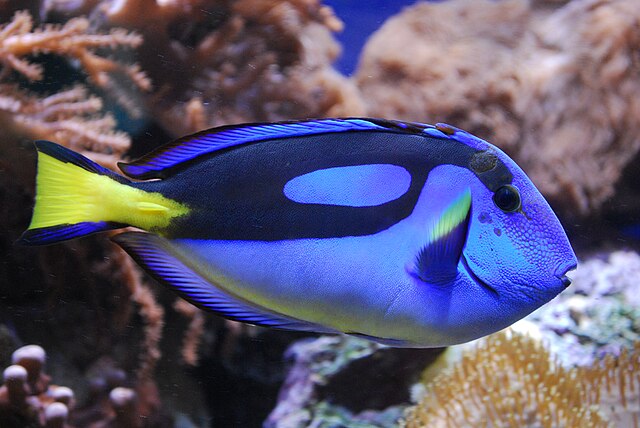
- Medium-sized, docile surgeonfish like Scopas Tang and Yellow Tang
- Medium or larger butterflyfish such as Auriga Butterflyfish
- Active, quick-fleeing species like Yellowtail Surgeonfish and Convict Surgeonfish
Combinations to avoid:
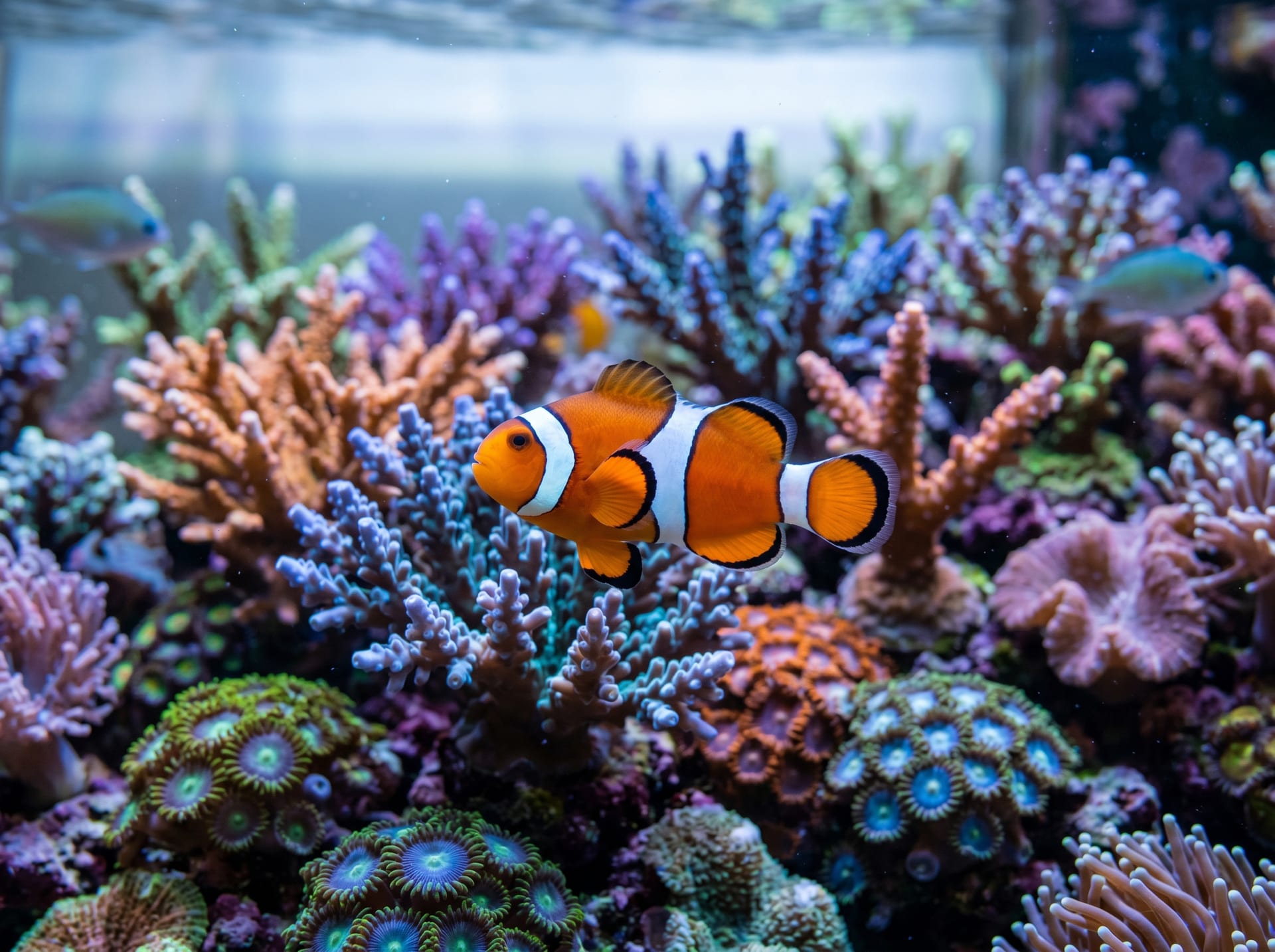
- Small fish like Ocellaris Clownfish (risk of biting or harassment)
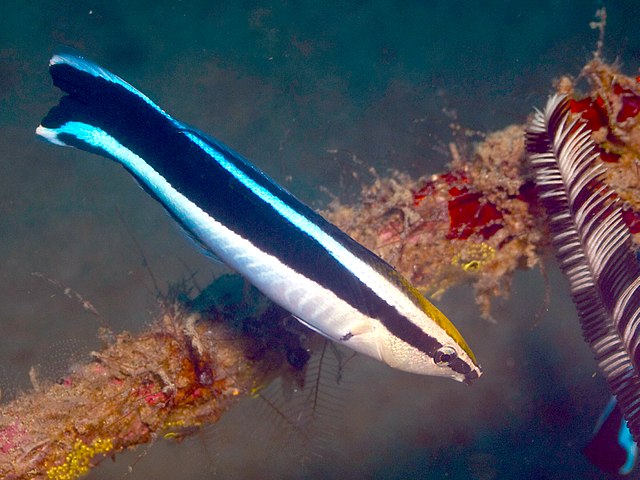
- Slender-bodied fish like Cleaner Wrasse
- Shrimp and crabs (prey species)
Individual temperament varies widely, so careful observation during the first few days after introduction is crucial. Having a quarantine tank or separator ready for immediate isolation in case of conflict builds confidence.
Health Management and Long-Term Care Tips
Pufferfish tend toward white spot disease. Water temperature fluctuations and quality degradation are frequent triggers, making stable temperature management with both heater and chiller essential. Upon spotting white spot, initiate prompt freshwater dips or medicated treatment. However, copper-based medications can show toxicity to boxfish, so confirm species-specific tolerance before use.
For sustained long-term health, partial water changes of 10–15% once weekly are most effective. During changes, siphon substrate waste to prevent nitrate accumulation. Regularly test specific gravity, pH, ammonia, and nitrite, developing the habit of intervention before abnormalities appear.
Under proper conditions and attentive care, pufferfish and boxfish become remarkably tame—even recognizing their keeper's face. Watching them approach the water surface at feeding time delivers the full satisfaction that marine fishkeeping promises.