Surgeonfish (Blue-Yellow Tang & Yellow Tang) Care Guide | Spacious Swimming Areas and White Spot Disease Prevention
A comprehensive guide to caring for popular surgeonfish species like the Blue-Yellow Tang and Yellow Tang. Practical information on required tank size, herbivorous diet, prevention strategies for their susceptibility to white spot disease, and tankmate compatibility.
Key Takeaways
A comprehensive guide to caring for popular surgeonfish species like the Blue-Yellow Tang and Yellow Tang. Practical information on required tank size, herbivorous diet, prevention strategies for their susceptibility to white spot disease, and tankmate compatibility.
Surgeonfish Species and Characteristics | Popular Herbivorous Fish for Saltwater Aquariums
✍️
BreederDirect Editorial
The BreederDirect editorial team specializes in care information for animals, covering veterinary care and breeding to deliver beginner-friendly guides.
Find Marine Fish on BreederDirect
Buy directly from verified breeders
Browse Related Listings
Find Marine Fish listings related to this article on BreederDirect. Buy directly from verified breeders.
Related Tools
Related Articles
Browse by Category
🪸Coral
🐠Marine Fish
🐟Tropical Fish
🐡Goldfish
🐟Medaka
🦎Reptiles
Share
Surgeonfish belong to the family Acanthuridae and are saltwater fish beloved by aquarists worldwide for their vibrant coloration and active swimming behavior, making them iconic residents of marine aquariums. Beginning with the Blue-Yellow Tang, which became famous thanks to a major film, there are many individual species to choose from.
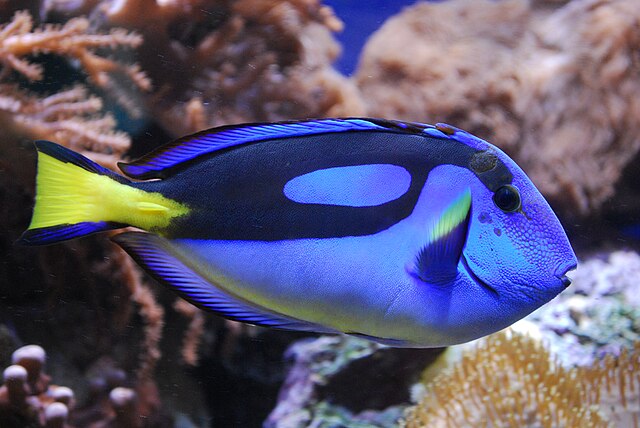
Blue-Yellow Tang (Palette Surgeonfish): The most popular species, with striking contrast between blue, black, and yellow. Adults reach approximately 30 cm in length, making a large aquarium essential. Juvenile fish tend to hide in the shade of live rock, but as they grow, they become bold and swim actively in front of the aquarium.
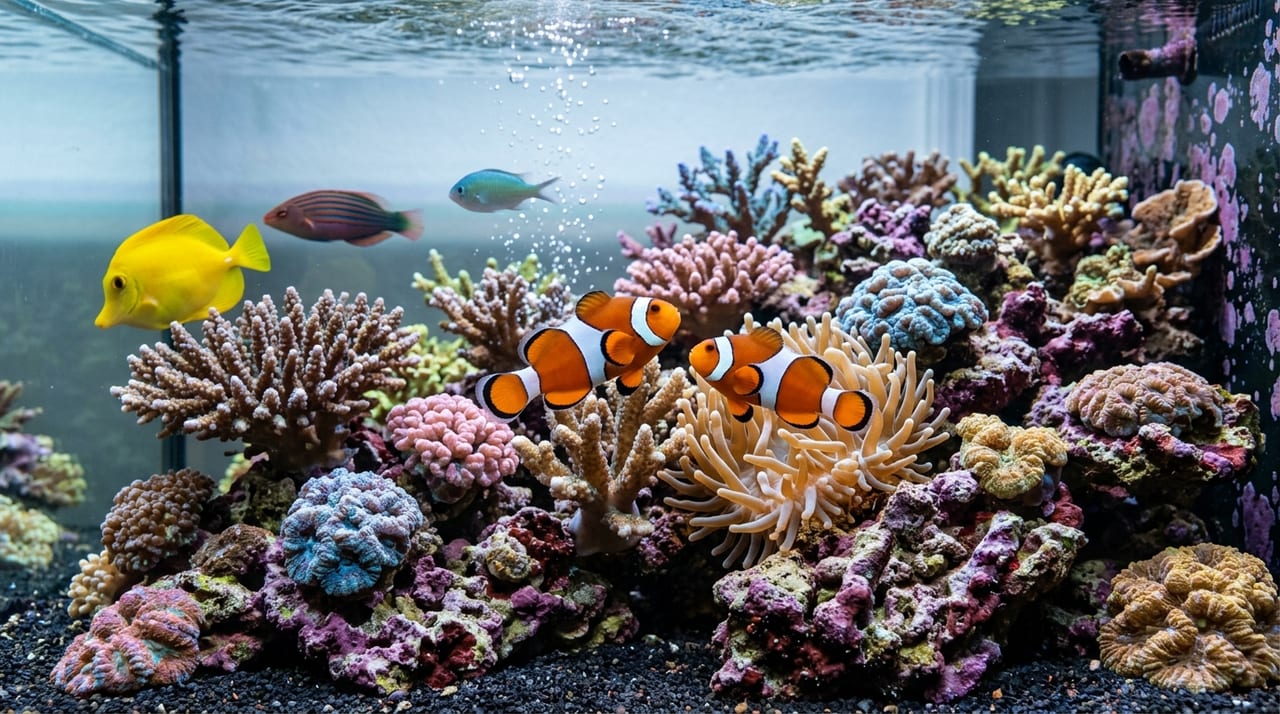
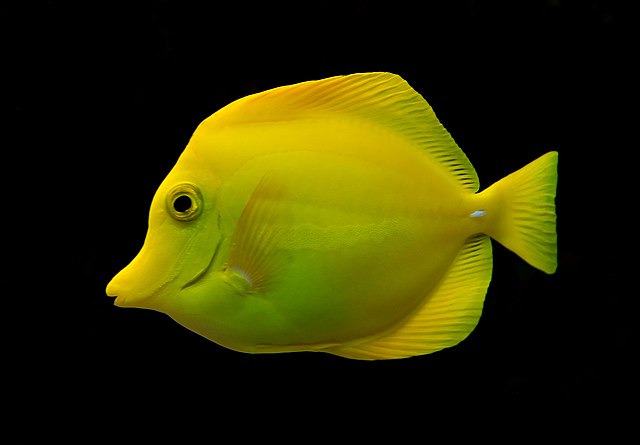
Yellow Tang (Yellow Surgeonfish): The entire body is a brilliant lemon yellow, providing a striking accent in coral tanks. Maximum size is approximately 20 cm, making it a popular choice for surgeonfish beginners.
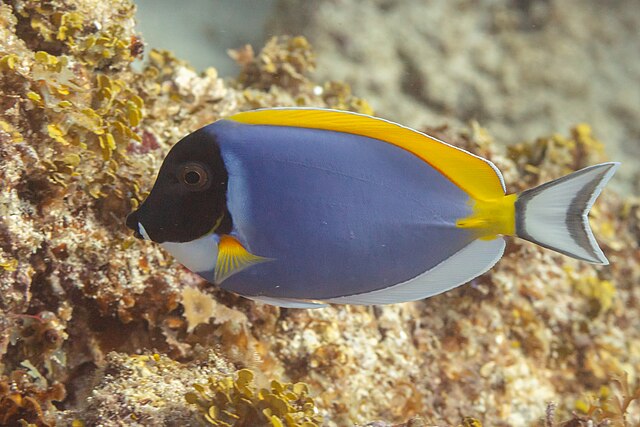
Powder Blue Tang: A beautiful species with a pale blue body, black facial mask, and striking yellow dorsal and tail fins. However, it is sensitive to water quality changes and has a moderately higher difficulty level for care.
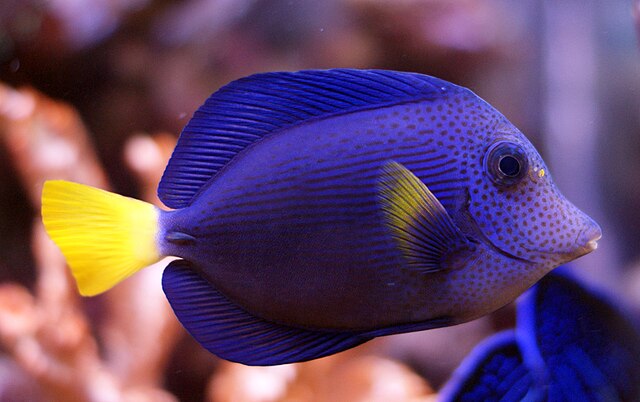
Purple Tang: A close relative of the Yellow Tang with stunning purple coloration. In recent years, availability has decreased and its rarity value has increased.
All species possess sharp spines called "scalpels" at the base of the tail. These are defensive weapons against predators, and they can cause injury to hands during handling, so extreme care is needed when moving them with a net or performing work in the tank.
Setting Up the Aquarium Environment and Equipment
Surgeonfish are naturally fish that swim continuously through vast reef areas. In captive aquariums, providing sufficient swimming space is fundamental to maintaining their health and long-term survival.
Recommended Tank Size
Species
Minimum Recommended Tank Size
Yellow Tang
90 cm (200+ liters)
Blue-Yellow Tang
120 cm (300+ liters)
Powder Blue Tang
120 cm (300+ liters)
When designing your tank layout, create natural hiding places using live rock while leaving plenty of open space in the foreground and middle water column. Confined spaces create chronic stress and can trigger white spot disease.
Water Quality and Equipment Management
Specific Gravity: 1.023–1.025
Temperature: 24–26°C (avoid sudden changes)
pH: 8.1–8.4
Nitrate: Keep as low as possible (target 20 ppm or below)
Because surgeonfish have high oxygen consumption, strong water flow and a high-powered protein skimmer are essential for adequate oxygen supply. Installing a UV sterilizer is also effective in preventing white spot disease. Lighting intensity can be adjusted based on whether you have corals, but surgeonfish do not require strong light themselves.
Diet and Feeding Tips
Surgeonfish are primarily herbivorous fish. In nature, they spend all day grazing on algae and moss that grow on rock surfaces. Their long intestines are adapted to digesting plant material, making this dietary reproduction in captivity the most critical aspect of care.
Daily Feeding Menu
Dried Nori (Seaweed): Simply fix store-bought unseasoned nori sheets to rocks with a clip in the tank, and they will eagerly eat it. This is an excellent staple food in terms of availability and cost-effectiveness.
Vegetable Flakes and Pellets: Feed products containing spirulina or kelp as a primary diet.
Frozen Spinach and Blanched Vegetables: Effective for mineral supplementation. However, overfeeding can cause water quality deterioration, so keep portions small.
Animal-Based Foods: Small amounts of frozen brine shrimp or mysis shrimp can be given, but should not exceed 30% of their total diet.
Surgeonfish cannot store food in their bodies and their bellies quickly become sunken. Feed them 2–3 times daily in small amounts, and develop the habit of checking daily that their belly is not concave. Weight loss reduces immunity and greatly increases the risk of white spot disease.
Preventing and Treating White Spot Disease
The disease most to be cautious about when keeping surgeonfish is white spot disease (Cryptocaryon irritans infection). Because their skin mucus layer is relatively thin and they are highly sensitive to stress, surgeonfish can develop the disease even when other fish in the same tank remain asymptomatic.
Signs of White Spot Disease
White point-like deposits appear on the body surface and gills
Increased "flashing" behavior, rubbing the body against rocks and live rock
Reduced appetite and sluggish swimming
Prevention Basics
Maintain Stable Water Quality: Regular water changes to prevent accumulation of nitrate and ammonia
Quarantine New Fish: Conduct at least 2–4 weeks of treatment in a separate tank (the most effective prevention strategy)
Nutrition Management: Boost immunity with adequate feeding centered on plant-based foods
Install a UV Sterilizer: Physically inactivate the ciliates circulating in the water
Treatment During an Outbreak
In fish-only tanks without corals, copper ion therapy is the standard and effective treatment method. However, in reef tanks (with corals), using copper medication is prohibited. In such cases, slightly raise the water temperature to 27–28°C, assist immunity with garlic-infused food, and isolate severely affected individuals in a separate treatment tank for care.
Because surgeonfish are strongly herbivorous, keeping algae sheets (nori) constantly available in the tank is fundamental to maintaining health. Simply fix them to the tank with a clip in the water, and they can eat whenever they like.
Surgeonfish prefer tanks with ample swimming space, and a minimum of 90 cm or larger is recommended. In narrow tanks, stress can cause them to become susceptible to white spot disease. Because they are strongly herbivorous, keep algae sheets (nori) available in the tank with a clip, so they can eat whenever they want.
Surgeonfish are particularly aggressive toward their own species, so avoid keeping multiple individuals of the same species. Different species of surgeonfish can cohabitate relatively peacefully, but this requires a sufficiently large tank (120 cm or larger).
Welcome Healthy Surgeonfish with BreederDirect
The condition of surgeonfish at the time of introduction greatly influences the success of subsequent care. Transport stress is a common trigger for explosive outbreaks of white spot disease, making the choice of where to purchase them the first and most important prevention strategy.
With BreederDirect, you can directly purchase healthy individuals that breeders have carefully treated and acclimated to food. Packing techniques and temperature management to minimize transport stress are strictly maintained, greatly reducing the risk of white spot disease after arrival. Additionally, you can directly consult with breeders before purchase about care environment, food preferences, and the personality of specific individuals—an advantage unique to BreederDirect.
If you provide a spacious tank and proper management, surgeonfish are long-lived fish that will beautify your tank for over 10 years. Please welcome a healthy individual through BreederDirect and begin an enriching saltwater fishkeeping hobby.