Marine fish are more sensitive to environmental changes than freshwater fish, and the way you select specimens and the process of bringing them home greatly influence whether your aquarium keeping will be successful. This guide brings together practical tips for identifying healthy specimens and bringing them home safely. Please read this thoroughly before purchasing marine fish on BreederDirect.
Pre-Purchase Research and Preparation
Before purchasing marine fish, thoroughly research the basic information about the species you want to keep. Confirm in advance the maximum body length, required tank size, diet (omnivorous, herbivorous, carnivorous), temperament (docile or aggressive), compatibility for community tanks, and difficulty level of keeping them. Pay particular attention to maximum body length—some species that are small juveniles at the time of sale can grow to over 30cm when fully mature (such as Humphead Wrasse and large Angelfish). Be sure to verify whether you can keep them for their entire lifespan in your home aquarium size.
Additionally, set up your tank at least 4 to 6 weeks before introducing fish, and confirm using a test kit that ammonia and nitrite are both zero before considering a purchase.
Health Check Points
You can assess the health of marine fish by checking the following points.
- No white spots on the body or abnormalities in mucus coating: It's important not to miss early signs of diseases like ich or trichodina
- Fins are intact: Torn or deteriorating fins indicate bacterial infection
- Eyes are clear: Fish with cloudy white eyes may be stressed or diseased
- Breathing is calm: Abnormally fast gill movement may indicate parasites or poor water quality
- Eating food: Always confirm with the breeder "what food and how much the fish is eating"
- Body color is vibrant: Stressed fish tend to fade or darken in color
- Swimming behavior is normal: Fish that are gasping near the surface or sitting motionless on the bottom should raise concerns
- Avoid fish just arrived: Select stable specimens that have been at the breeder or shop for at least one week or more after arrival
For mail order purchases, check the fish's condition immediately upon arrival and contact the breeder with photos if you notice any abnormalities.
Species Resistant to Transport Stress
When considering mail order purchases, selecting species with high stress tolerance during transport can reduce the risk of failure.
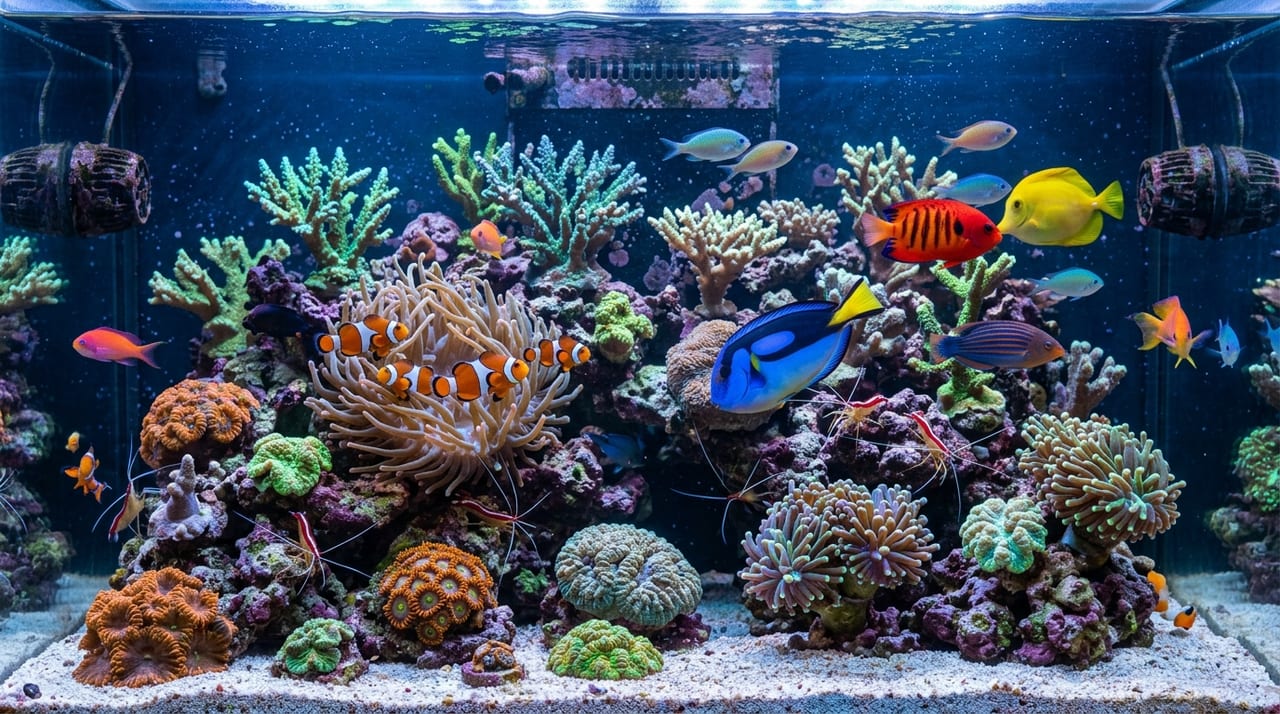
- Clownfish species: Hardy and resistant to transport stress; recommended for beginners
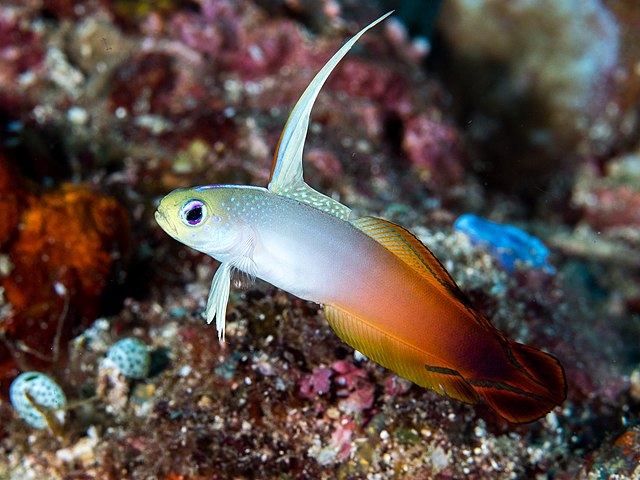
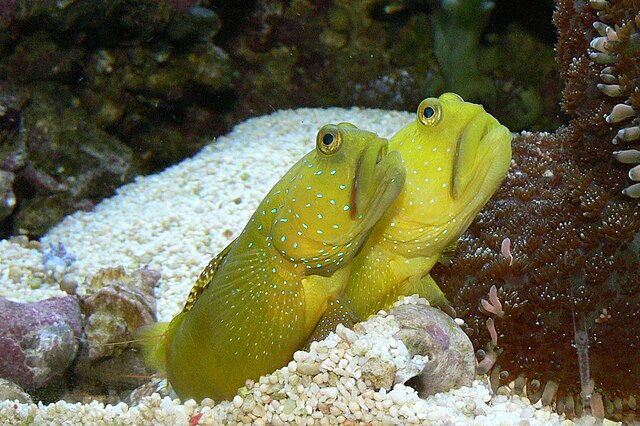
- Goby species: Many are small and hardy, such as Watchman Gobies and Jawfish
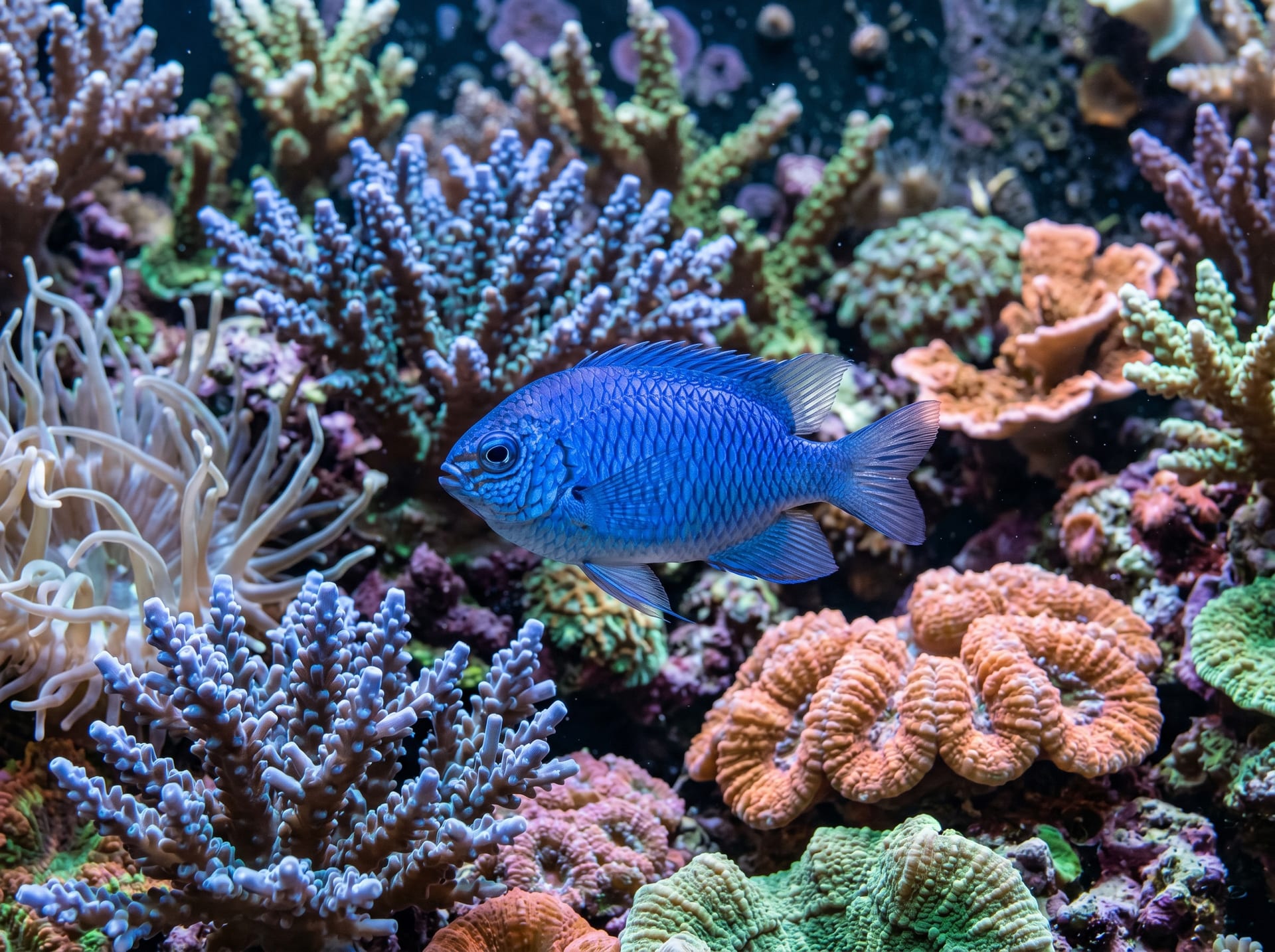
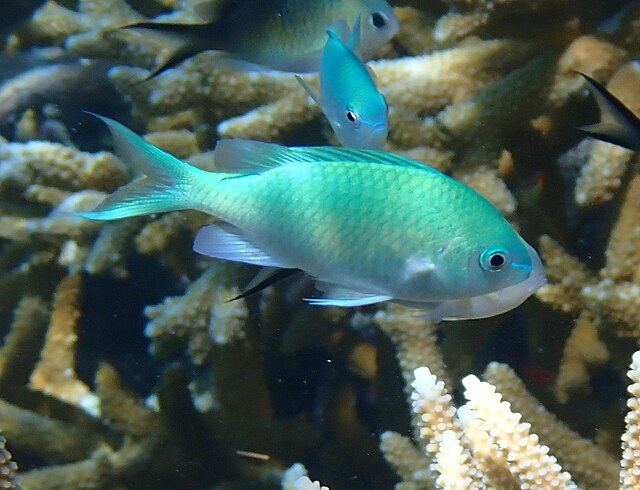
- Damselfish species: Blue Chromis combine beautiful schooling behavior with hardiness
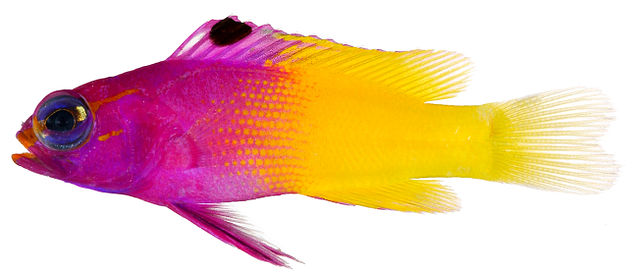
- Basslet species: Such as Royal Grammas are beautiful and relatively resistant to environmental changes
On the other hand, some species of Butterflyfish and Surgeonfish tend to be weak to transport stress. For your first mail order purchase, it's safer to start with hardy species.
Acclimation Methods
Acclimating marine fish requires even more care than with freshwater fish.
- Temperature acclimation: Float the sealed bag in your tank for 30 minutes to 1 hour to equalize temperatures
- Drip method setup: Using an air tube and valve, slowly drip tank water into the bag
- Drip rate: Continue at a rate of 2-3 drops per second until the bag's water volume doubles (approximately 1-2 hours)
- Transfer: Do not add the water from the bag to your tank; use a net to transfer only the fish
Important note: The water in the bag may contain dissolved ammonia. Adding it to your tank can cause water quality deterioration, so always separate the bag water from your tank water.
Importance of Quarantine
When introducing new fish to an established tank, quarantine (treatment) is essential.
- Prepare a quarantine tank: A simple 10-30L tank is sufficient
- Quarantine period of 2-4 weeks: Allow for the incubation period of diseases like ich and lymphocystis
- Observation items: Check daily for changes in body appearance, appetite, and breathing condition
- Copper ion treatment: Perform preventive treatments with copper ion medication if needed (not for use in coral tanks)
Skipping quarantine and introducing fish directly to the main tank risks spreading disease to your existing fish. Even though it's tedious, always perform quarantine.
Marine fish have strong territorial instincts depending on species, so it's important to confirm compatibility before mixing them.
- Be cautious with same or closely related species: Angelfish and Clownfish engage in intense conflicts with their own kind
- Consider size differences: Mixing large and small fish carries predation risk
- Plan the introduction order: The basic approach is to introduce docile species first, then add more aggressive species later
- Coral compatibility: Some Butterflyfish and Angelfish eat corals, so caution is needed
Before purchasing, it's reassuring to tell the breeder about your current fish community and get their advice on compatibility.
Points to Note When Purchasing via Mail Order
When purchasing via mail order from sites like BreederDirect, since you cannot hold the fish in hand, carefully reviewing photos and descriptions is especially important. Check photos taken from multiple angles and message the breeder with questions about anything unclear. Confirm in advance whether dead arrival guarantees are included, packing methods (oxygen filling, use of heat packs), and delivery time from shipment to arrival. Upon arrival, unpack promptly, check the condition, and take photos—this will make it easier to handle any problems that might arise.
Benefits of Purchasing from BreederDirect
On BreederDirect, you can purchase directly from breeders who specialize in breeding marine fish. You can confirm in advance information about the breeder's care environment and the food they're giving, and you can easily consult about care after bringing the fish home using the messaging feature. Being able to arrange payment timing in advance, along with transparent display of each breeder's reviews and transaction history, makes trustworthy purchases possible even for first-time marine fish buyers.