Guide to Marine Fish by Origin | Differences Between Indian Ocean, Pacific, and Caribbean and Care Points | ブリちょく
Marine Fish| ✍️ BreederDirect Editorial
Guide to Marine Fish by Origin | Differences Between Indian Ocean, Pacific, and Caribbean and Care Points
Marine fish from the Indian Ocean, Western Pacific, and Caribbean each have different water quality, temperature, and behavioral characteristics. Understanding origin-specific care points will help you with specimen selection and tank setup.
Key Takeaways
Marine fish from the Indian Ocean, Western Pacific, and Caribbean each have different water quality, temperature, and behavioral characteristics. Understanding origin-specific care points will help you with specimen selection and tank setup.
How Origin Affects Care
The origin of a marine fish reflects the water quality, temperature, light conditions, and feeding habits it became accustomed to in its natural environment. By knowing the origin, you can understand "why does this fish struggle with acclimation?" and "why does it take time for the fish to feed?", allowing you to create a more appropriate care environment.
✍️
BreederDirect Editorial
The BreederDirect editorial team specializes in care information for animals, covering veterinary care and breeding to deliver beginner-friendly guides.
Find Marine Fish on BreederDirect
Buy directly from verified breeders
Browse Related Listings
Find Marine Fish listings related to this article on BreederDirect. Buy directly from verified breeders.
Related Tools
Related Articles
Browse by Category
🪸Coral
🐠Marine Fish
🐟Tropical Fish
🐡Goldfish
🐟Medaka
🦎Reptiles
Share
The major origins fall broadly into three areas.
Indian Ocean (Sri Lanka, Maldives, Red Sea, East African Coast)
Western Pacific (Philippines, Indonesia, Okinawa, Australia, Vanuatu)
The Indian Ocean has relatively high water temperatures (26–30°C) and slightly elevated specific gravity (1.025–1.027). The Red Sea in particular has high salinity (1.026–1.028) and is a clear water environment with low nutrient levels.
Representative Fish Species
Yellowbar Angelfish (Blue-face Angelfish): Mainly from Maldives and Sri Lanka.
Butterflyfish: Many Indian Ocean endemic species, including Lined Butterflyfish.
Red Sea Banner (Red Sea Basslet): Red Sea endemic. Prefers high temperatures and high specific gravity.
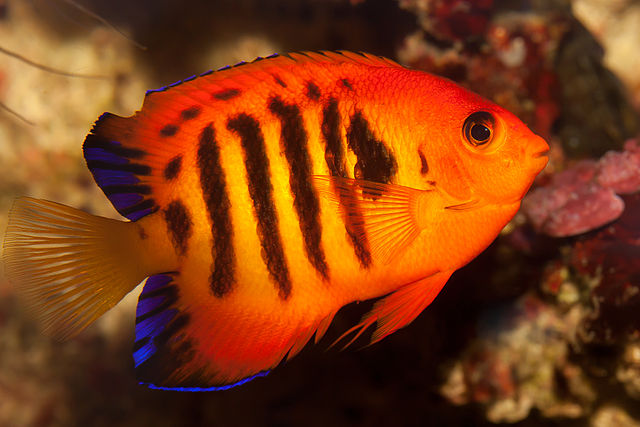
Flame Angelfish (Bicolor Angelfish): Found throughout the Indo-Pacific. Hardy and suitable for beginners.
Care Points
Specific Gravity: 1.025–1.026 (1.026 or higher recommended for Red Sea specimens)
Water Temperature: 27–29°C
Light Level: High. Adapted to bright reef environments.
Acclimation: Pay attention to specific gravity differences. A drip method over extended periods is recommended.
Western Pacific Marine Fish
Water Quality and Environmental Characteristics
The Western Pacific is vast in scope, ranging from shallow coral reefs like those in the Philippines and Indonesia to relatively cool waters off Australia's coast. Most areas are clear water environments with low nutrient levels, and water temperatures vary fairly widely, ranging from 24–28°C.
Representative Fish Species
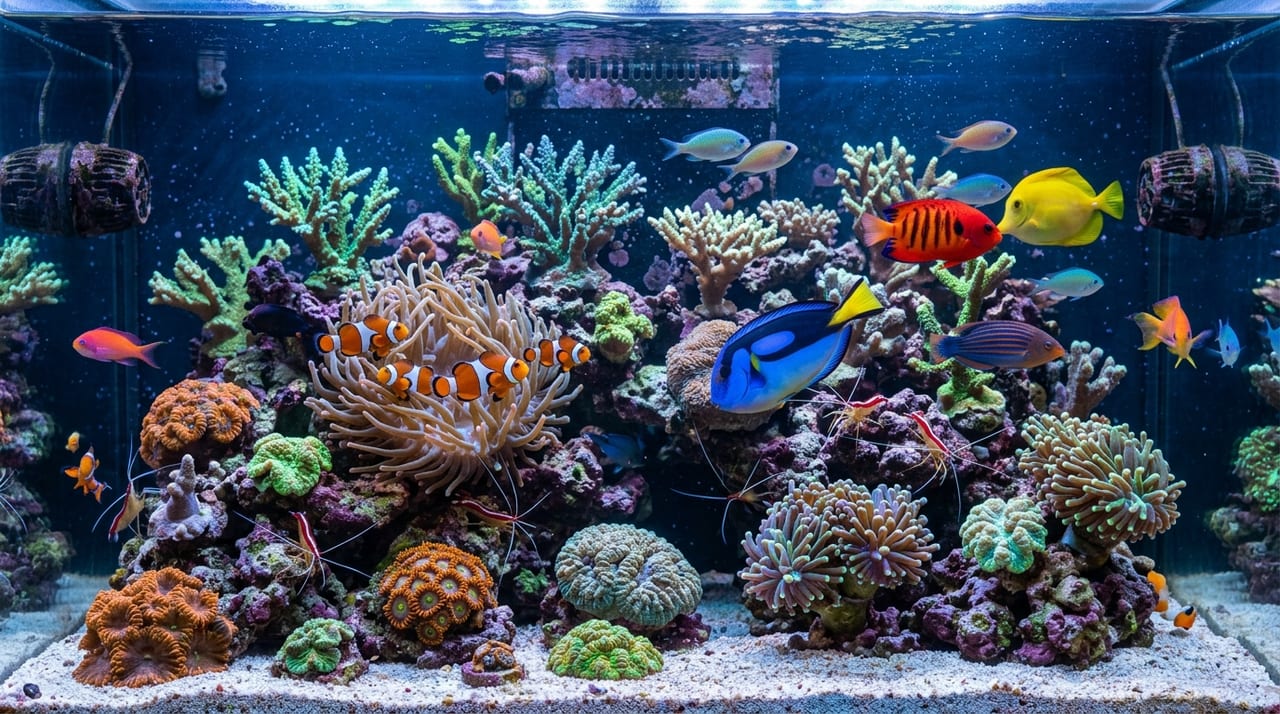
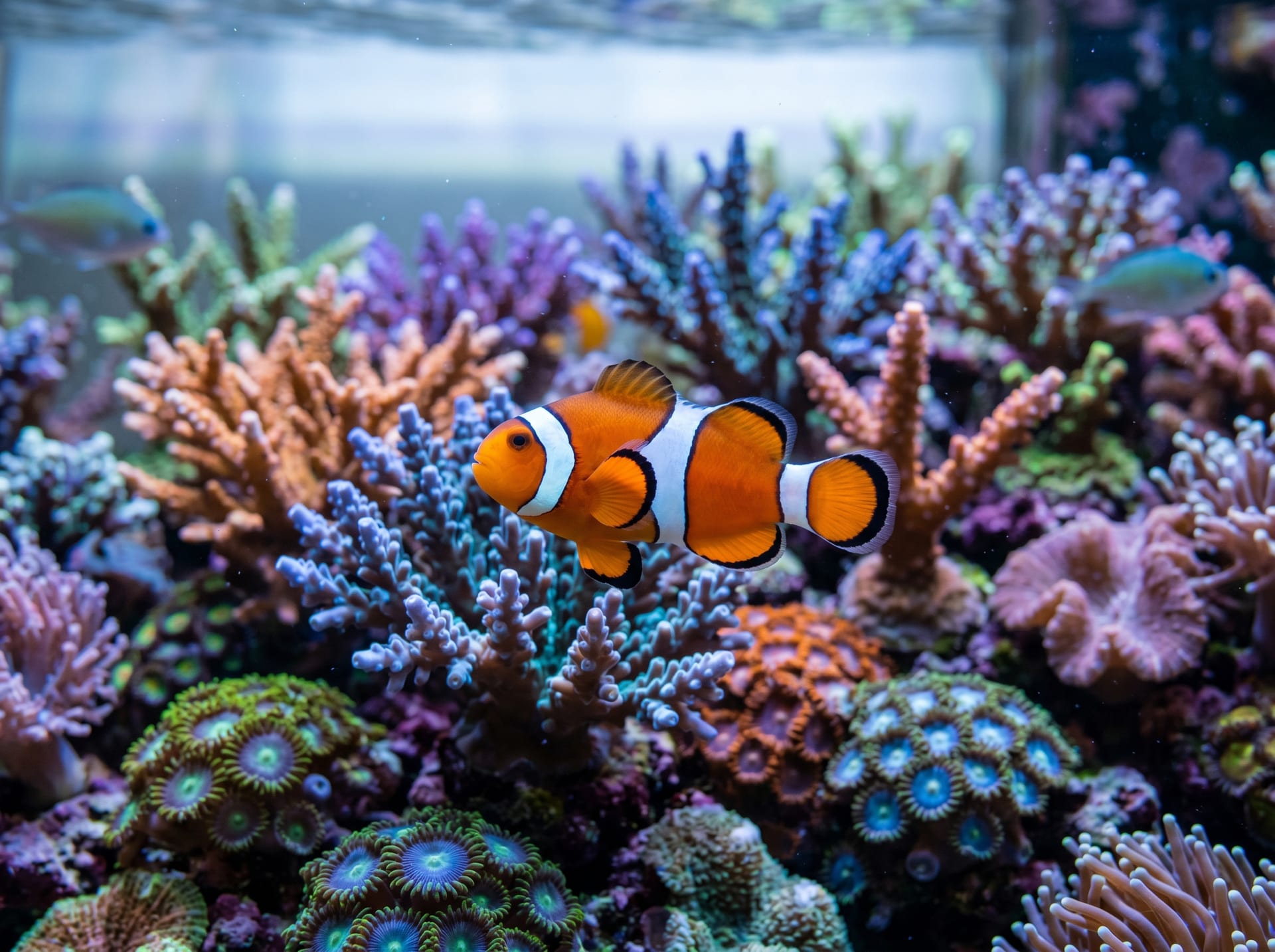
Ocellaris Clownfish (Percula Clownfish): Mainly from Philippines and Indonesia. Most abundant in the trade.
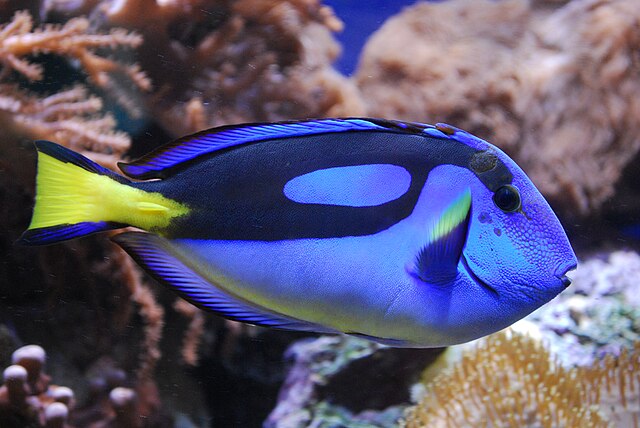
Blue Tang (Pacific Blue Tang): Found throughout the Pacific. Known to be susceptible to white spot disease.
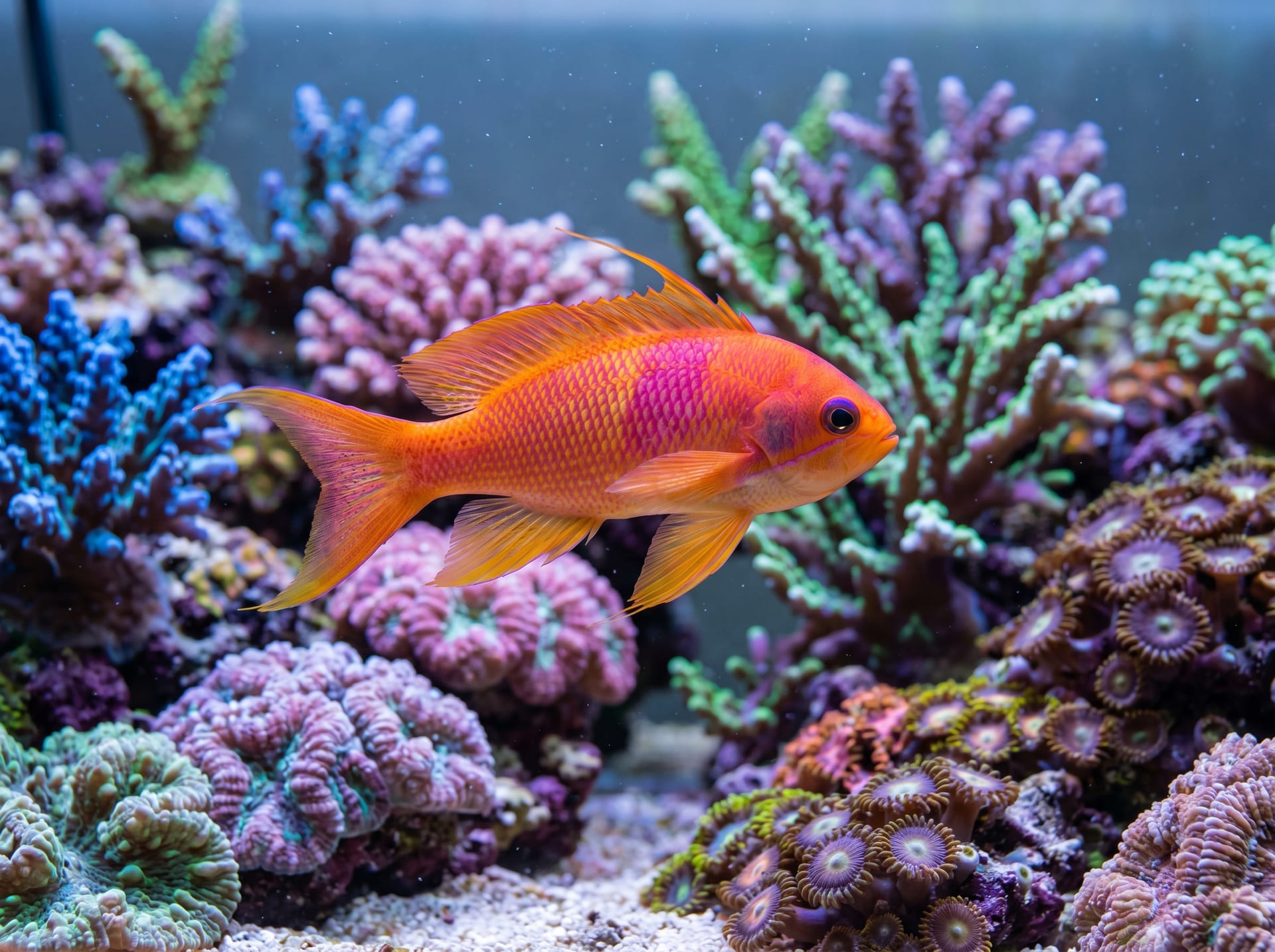
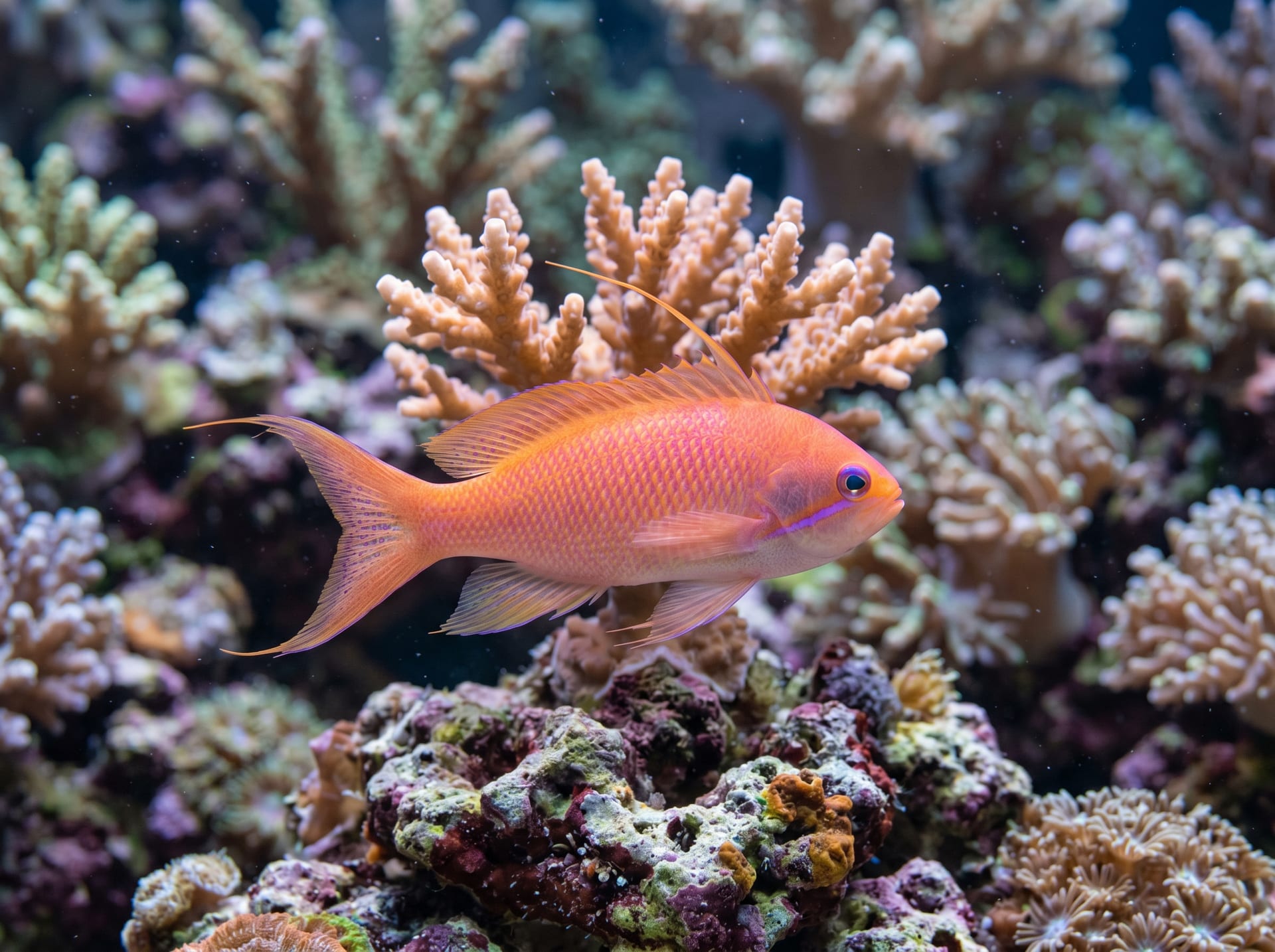
Anthias species (Squamis, Sakura Anthias, etc.): From Japan, Taiwan, and Philippines.
Mandarin Dragonet: From Philippines and Indonesia. Depends on live food and is difficult to keep.
Purple Queen Anthias: From Okinawa and Indonesia. Beautiful when schooling.
Care Points
Specific Gravity: 1.023–1.025 (Australian specimens slightly lower at 1.022–1.024)
Water Temperature: 26–28°C for Philippines/Indonesia specimens; 22–26°C for Australian specimens
Caution: One of the highest-risk origins for introducing white spot disease (Philippines, Indonesia). Always perform quarantine in a treatment tank.
Feeding: Starting in an environment rich with live rock-derived copepods will establish feeding more quickly.
Caribbean Marine Fish
Water Quality and Environmental Characteristics
The Caribbean is completely isolated from the Pacific and Indian Oceans, resulting in a high proportion of endemic species. Water temperatures are slightly lower (24–27°C), and specific gravity typically ranges from 1.023–1.025. It is also a relatively low-nutrient clear water environment.
Representative Fish Species
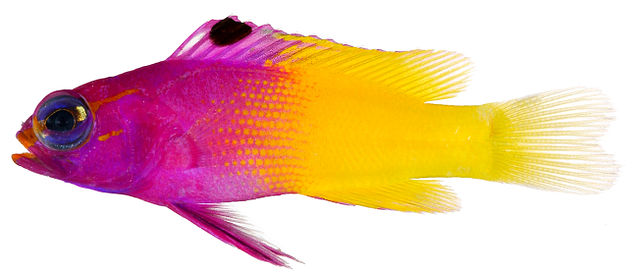
Royal Gramma (Fairy Basslet): Caribbean endemic. Striking two-tone coloration of yellow and purple.
French Angelfish and Gray Angelfish: Large Caribbean endemic angelfish. Adults reach 30–40 cm in length.
Queen Angelfish: The most popular angelfish in the Caribbean. Jewel-like coloration.
Green Chromis (Dascyllus species): Technically Indo-Pacific species, but Caribbean-origin chromis are also available.
Neon Goby: Caribbean endemic. Functions as a cleaner fish and is hardy.
Care Points
Specific Gravity: 1.023–1.025
Water Temperature: 24–27°C (slightly lower than Pacific-origin species)
Although endemic species have no ecological issues when kept with Pacific-origin fish, territory management is necessary.
Due to long transport distances (via the US), careful selection of healthy specimens and quarantine are important.
Summary of Origin-Specific Characteristics Comparison
Item
Indian Ocean
Western Pacific
Caribbean
Specific Gravity
1.025–1.027
1.022–1.025
1.023–1.025
Water Temperature
27–29°C
24–28°C
24–27°C
White Spot Disease Risk
Moderate
High (Philippines)
Low–Moderate
Endemic Species Ratio
High
High (Pacific)
Very High
Availability
Moderate
High
Low–Moderate
Acquisition Cost
Moderate–High
Low–Moderate
Moderate–High
Summary
Understanding origin is the first step in grasping a fish's proper environment and achieving long-term care. In particular, water temperature, specific gravity, and quarantine requirements differ by origin. By confirming the origin at purchase and adjusting your tank setup accordingly, you can maintain healthy fish long-term with fewer losses.