Flounder and Flatfish Saltwater Fish Care Guide | Charm and Care Tips for Bottom-Dwelling Fish
Explains how to care for bottom-dwelling saltwater fish such as flounder and flatfish. We clearly introduce unique care points that differ from other saltwater fish, including burrowing behavior in sand, feeding tips, water quality management, and compatibility with tankmates.
Key Takeaways
Explains how to care for bottom-dwelling saltwater fish such as flounder and flatfish. We clearly introduce unique care points that differ from other saltwater fish, including burrowing behavior in sand, feeding tips, water quality management, and compatibility with tankmates.
Related Species
Charm of Flounder and Flatfish and Their Features as Aquarium Fish
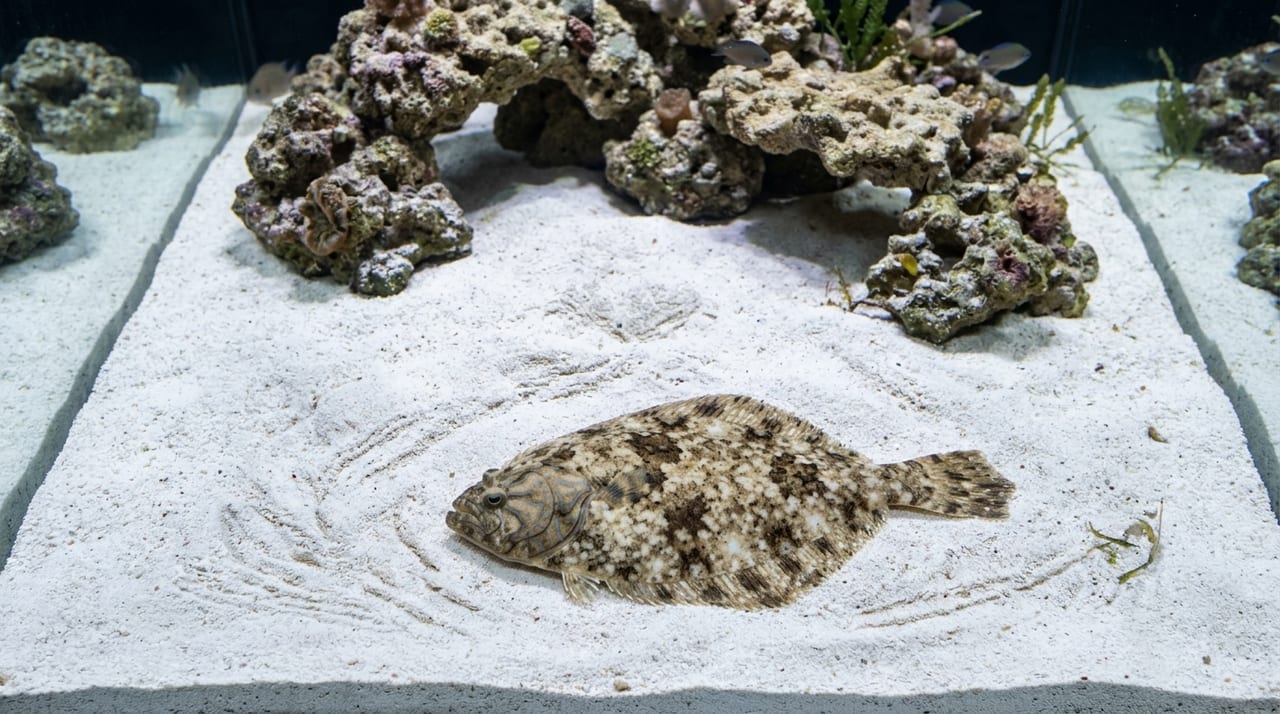
Flounder and flatfish are bottom-dwelling fish belonging to the order Pleuronectiformes, characterized by a unique body shape with both eyes concentrated on one side of the body. Their camouflage ability to lie flush against the sand bottom while blending their body color with their surroundings is one of the most captivating features to observe in an aquarium.
Major species available in the aquarium trade include Japanese flounder (Paralichthys olivaceus) and Japanese plaice (Pleuronectes yokohamae) from Japan, as well as imported species like the Peacock Flounder (Bothus lunatus). Body size varies by species, but most specimens suitable for aquarium care are typically 20-40 cm, requiring a large tank.
These fish are popular among enthusiasts for their unique camouflage ability and bottom-dwelling lifestyle, earning them a place as a representative of "subtly captivating" bottom-dwelling fish.
Required Tank Equipment and Setup Environment
Tank Size and Bottom Substrate
Flounder and flatfish live resting on the bottom substrate rather than swimming. A fine sand bottom with sufficient depth (approximately 5-10 cm) for the entire body to burrow into is essential.
- Tank Size: The floor area should be at least 3 times the fish's body length. For a 30 cm fish, a tank of 90 cm or larger is recommended
- Bottom Substrate: Lay fine sand with a particle size of approximately 0.5-1 mm (marine-grade coral sand or silica sand) to a depth of 5-10 cm
- Filtration: Use external or top-mounted filters that won't disturb the sand bottom. Under-gravel filters are unsuitable as they clog with sand
Water Quality Management
| Parameter | Recommended Value |
|---|---|
| Specific Gravity | 1.022-1.025 |
| Water Temperature | 18-24°C (varies by species) |
| pH | 8.1-8.3 |
| Ammonia/Nitrite | 0 mg/L |
| Nitrate | 20 mg/L or below |
Japanese flounder and flatfish prefer relatively cool water temperatures (18-22°C). In summer, a cooling system may be essential. Conversely, tropical flounders prefer around 25°C. Always confirm the origin and appropriate temperature range before purchasing.
Lighting
Strong lighting is not essential for flounder and flatfish that spend much time resting on the sand bottom. Overly bright conditions can actually cause stress, so avoid high-intensity lights like those used in coral tanks. Standard LED lighting (approximately 1W/L) is sufficient.
Feeding Tips and Techniques
Bottom-dwelling flounder and flatfish often have poor response to dried food floating on the surface. Use the following techniques to stimulate their appetite.
Recommended Food Types
- Live Food (gobies, killifish, ghost shrimp): Stimulates predatory instinct and is most effective during the initial acclimation period
- Frozen squid or mackerel chunks: Works better when offered in larger pieces that sink slowly to the bottom
- Frozen krill: Highly nutritious and easy to use with acclimated fish
- Artificial pellets (bottom-feeder formulas): Takes longer to acclimate to but optimal for long-term care
Feeding Tips
- Feeding in darkness or dim light increases appetite (many species are nocturnal or crepuscular)
- Drop food directly onto the sand bottom and let it sink naturally
- Always remove uneaten food the next morning to prevent water quality degradation
- Feed 2-3 times per week (underfeeding is better than overfeeding for maintaining health)
Tankmate Compatibility and Precautions
Flounder and flatfish will predate on any fish small enough to fit in their mouths. Therefore, careful consideration of tankmates is essential.
Suitable Tankmates:
- Bottom-dwelling gobies of equal or larger size (be mindful of territorial disputes)
- Relatively large saltwater fish swimming in mid-water to upper regions (such as large surgeonfish and large angelfish species)
Unsuitable Tankmates:
- Small damselfish or gobies (risk of predation)
- Corals and anemones (burrowing behavior damages them)
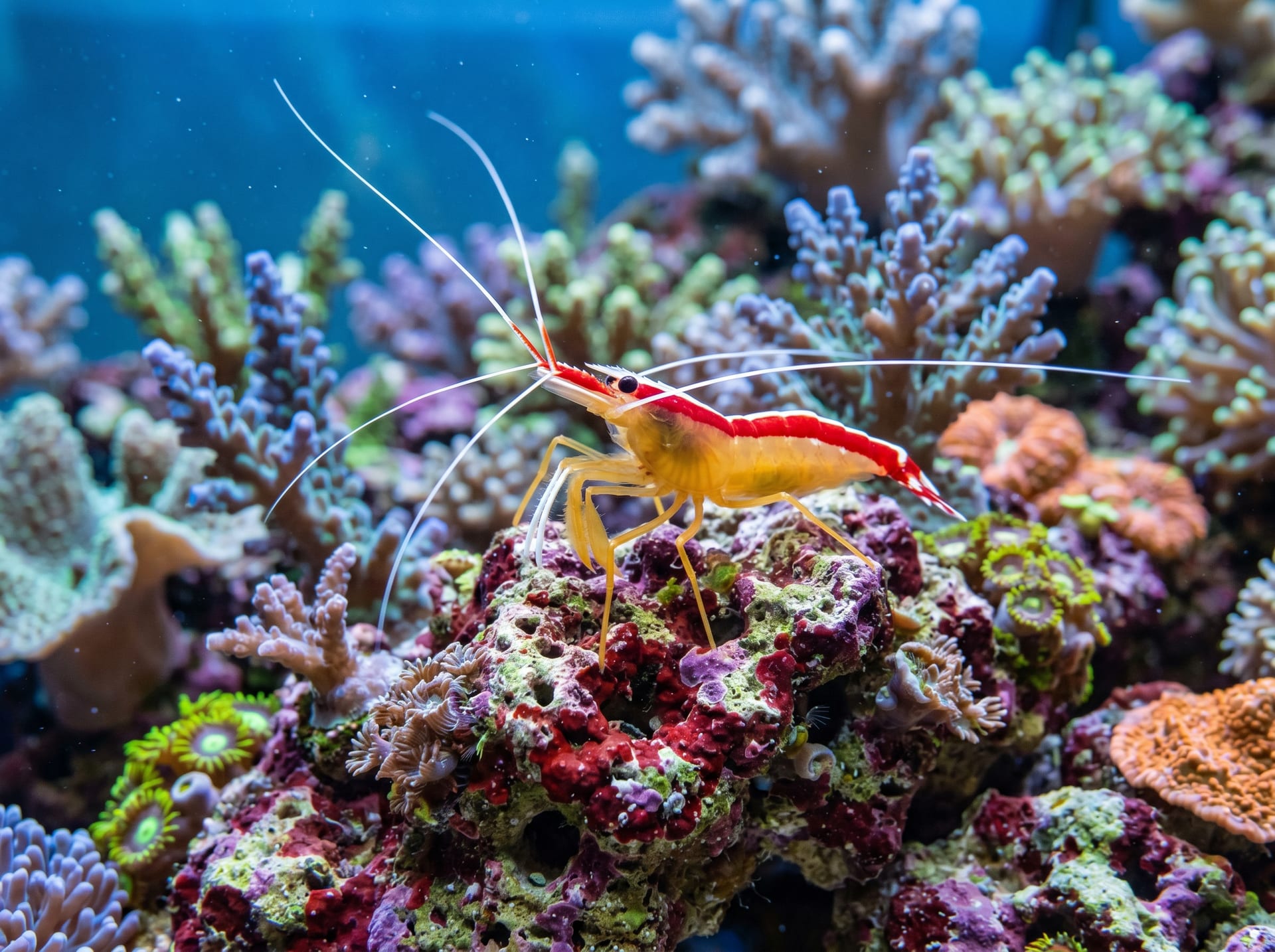
- Skunk shrimp or cleaner shrimp (high predation risk)
Keeping multiple individuals of the same species is possible in large tanks (120 cm or larger), but territorial disputes may occur, so observation is necessary.
Health Management and Common Diseases
While flounder and flatfish are relatively hardy compared to coral tank fish, pay attention to the following points.
White Spot Disease (Cryptocaryonosis) Often occurs during initial introduction or when water temperature changes. Upon discovery, immediately isolate and treat with either low specific gravity therapy or medication.
Body Surface Abrasions and Scrapes Abrasions can occur from burrowing or contact with coarse sand particles. If the sand is too large, replace it with finer sand.
Loss of Appetite Often results from environmental changes or water quality issues. "Feeding training" to gradually switch from live to artificial food may be necessary.
Feeding Note: Difference from Food and Game Fish While flounder and flatfish are commonly used as food and game fish, specimens sold as aquarium fish are "ornamental" varieties acclimated to artificial environments. Raising them for food purposes may create legal and sanitation issues. Commit to keeping them as ornamental fish.
Summary
Caring for flounder and flatfish requires special attention to sand bottom preparation, cool water temperature management, and feeding techniques compared to typical saltwater fish. However, their unique ecology and remarkable camouflage ability offer a captivating experience unavailable with other aquarium fish. With proper large tank setup and a well-prepared sand bottom environment, long-term care is entirely feasible. Gather the necessary equipment before introduction and enjoy exploring the fascinating world of bottom-dwelling fish.