A Guide to Keeping Marine Wrasses | Characteristics and Care Tips for Popular Species
Learn about the characteristics and care methods for popular wrasses such as Ornate Wrasse, Six-Line Wrasse, and Harlequin Tuskfish. Detailed introduction to sand-dwelling habits, feeding methods, and tank compatibility precautions.

Key Takeaways
Learn about the characteristics and care methods for popular wrasses such as Ornate Wrasse, Six-Line Wrasse, and Harlequin Tuskfish. Detailed introduction to sand-dwelling habits, feeding methods, and tank compatibility precautions.
Related Species
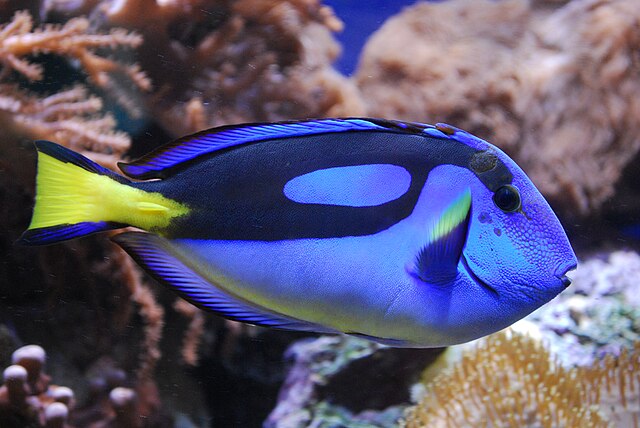
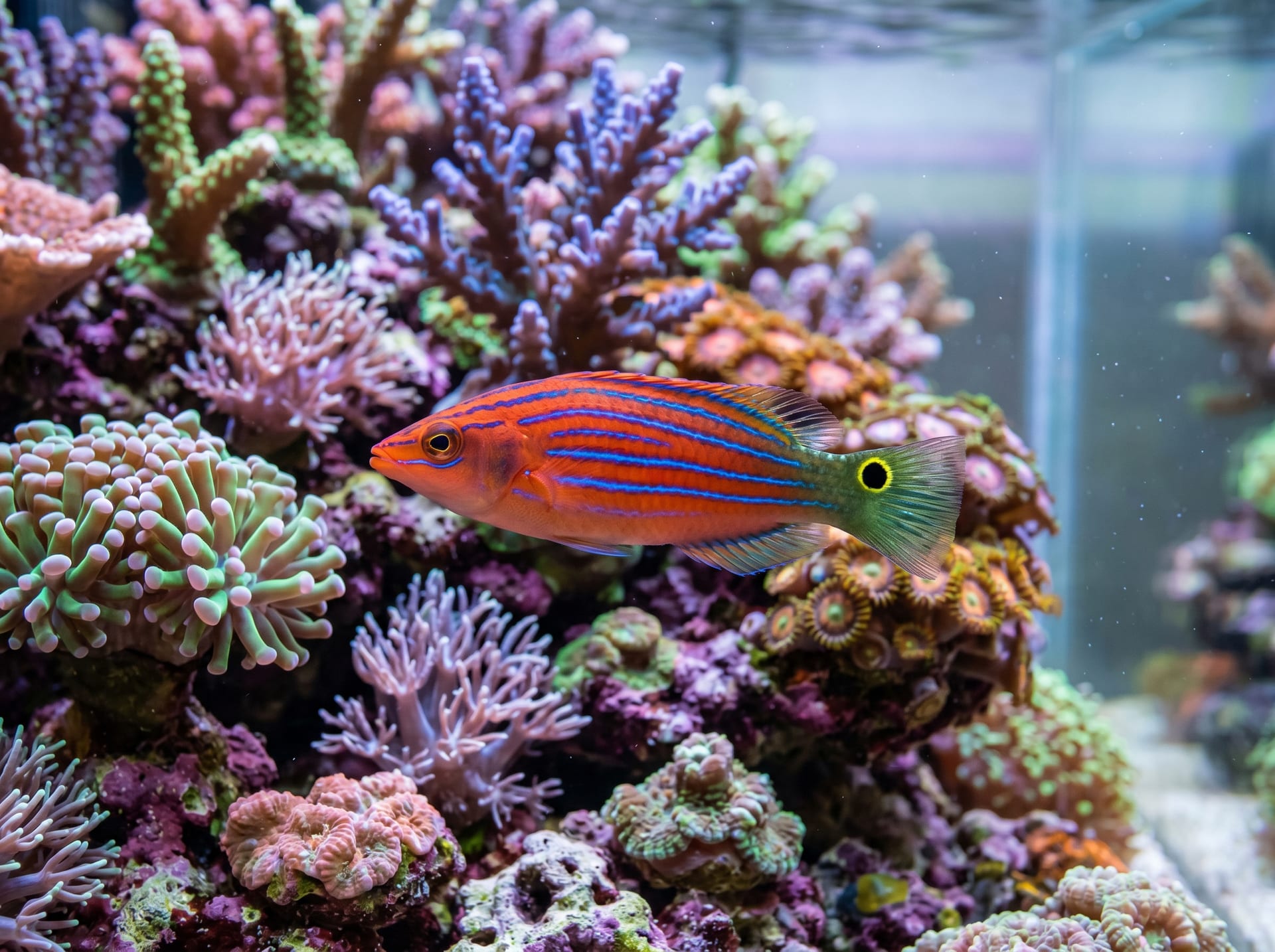
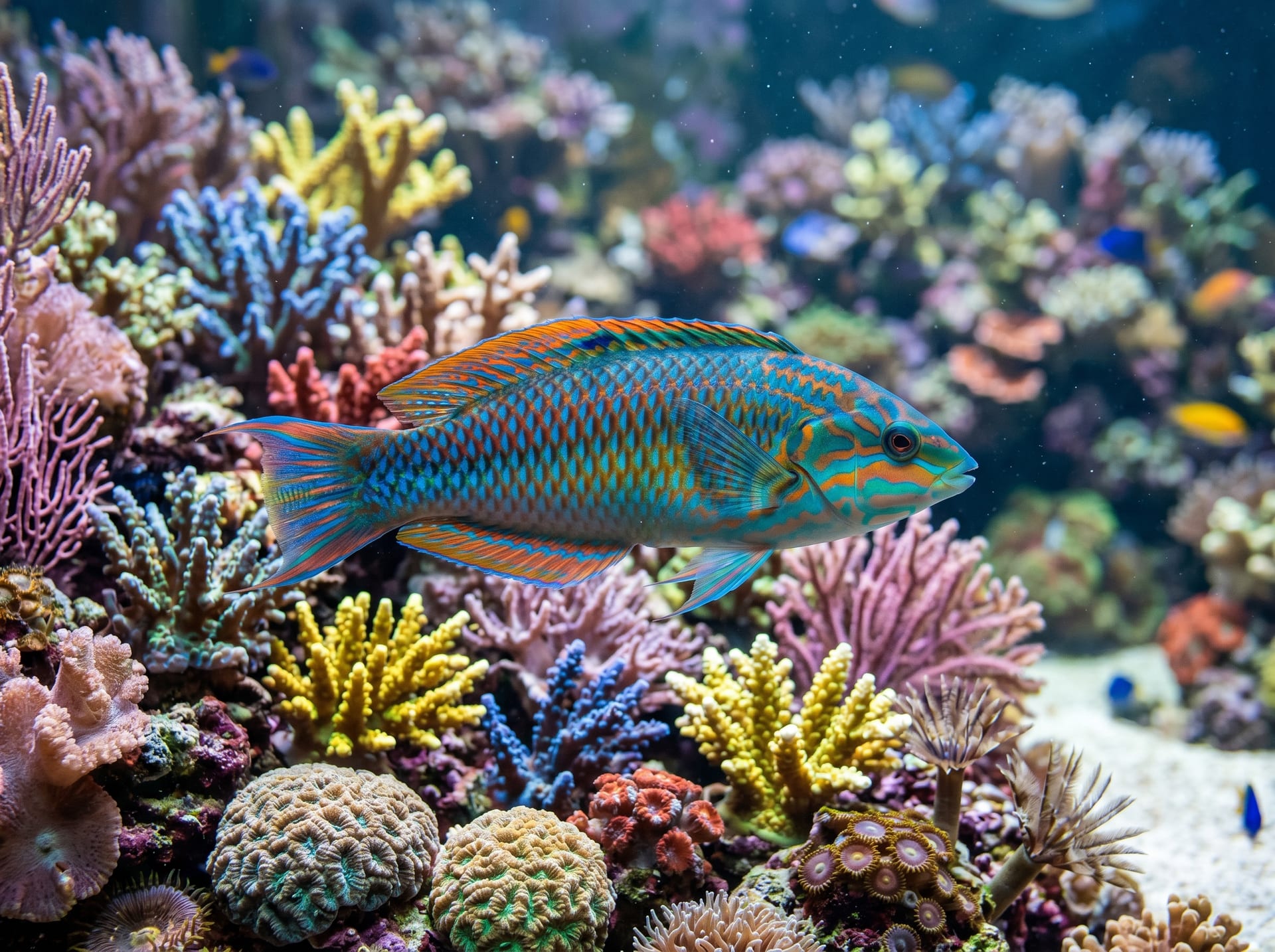
Wrasses (Labridae) are a popular group of fish in saltwater aquariums. They are known for their vibrant coloration and active swimming behavior, with some species having the fascinating habit of burrowing into sand. This article explains the characteristics, care methods, and important considerations for popular wrasse species.
Common Characteristics of Wrasses
The Labridae family is one of the largest fish families in the world, with over 600 known species. In saltwater aquariums, many species are available as ornamental fish.
Common Features of Wrasses
- Color Changes: Many species undergo dramatic color and pattern changes between juvenile, adult, and male/female forms
- Hermaphroditism: Many species are protogynous hermaphrodites, naturally changing from female to male
- Sand-Burrowing Habit: Many species bury themselves in sand when sleeping or sensing danger
- Active Swimming: Always active, adding dynamic movement to the aquarium
- Digestive Characteristics: Feed frequently on small amounts (multiple feedings per day is ideal)
5 Popular Wrasse Species
1. Ornate Wrasse (Colorful Wrasse)
Scientific Name: Halichoeres ornatissimus Size: 15–18 cm Difficulty Level: ★★★ (Intermediate)
Characterized by vibrant red, green, and orange coloration. Juveniles undergo such dramatic color changes that they appear to be a different species.
Care Tips:
- Requires sand depth of at least 5 cm due to strong burrowing behavior
- Highly active with quick movements and evasive behavior
- Generally compatible with other tank mates
2. Six-Line Wrasse
Scientific Name: Pseudocheilinus hexataenia Size: 7–10 cm Difficulty Level: ★★★ (Intermediate)
A small wrasse with six distinctive stripes on its body. The coloration is beautiful red-orange.
Characteristics:
- Relatively small, well-suited for aquariums
- Prefers crevices in live rock
- Some individuals can be aggressive
- Can help control flatworms (small parasitic flatworms)
Care Tips:
- Provide plenty of live rock for hiding places
- Use caution when keeping with same or similar species
3. Comet Wrasse (Koala Wrasse)
Scientific Name: Coris gaimard Size: Juvenile 10 cm → Adult 40+ cm Difficulty Level: ★★★★ (Advanced)
Juveniles are exceptionally beautiful with red coloration and white spots, but adults transform into a completely different color. Important to note that adults reach large sizes, eventually requiring a large aquarium.
Important Considerations:
- Adults become very large (exceeding typical home aquarium capacity)
- Highly active and may jump out of the tank (lid essential)
4. Harlequin Tuskfish
Scientific Name: Lienardella fasciata Size: 15–20 cm Difficulty Level: ★★ (Beginner to Intermediate)
A medium-sized wrasse with beautiful white, red, and black stripes. Relatively easy to care for, suitable for beginners.
Care Tips:
- Requires sand depth of 5–10 cm or more due to burrowing behavior
- Peaceful temperament with good compatibility for community tanks
- Active feeding behavior is easy to observe and enjoyable
5. Bluehead Wrasse (Rainbow Wrasse)
Scientific Name: Thalassoma bifasciatum Size: 10–15 cm Difficulty Level: ★★ (Beginner to Intermediate)
A wrasse with vibrant blue, green, and yellow coloration. Hardy and easy to care for.
Important Considerations:
- Temperament tends to become more aggressive as they mature
- May chase other fish in the tank
Common Care Tips for Wrasses
Required Sand Depth
Sand-dwelling wrasses require adequate sand depth.
| Fish Size | Required Sand Depth |
|---|---|
| Small (10 cm or less) | 5+ cm |
| Medium (10–20 cm) | 7–10+ cm |
| Large (20+ cm) | 10–15+ cm |
Recommended Substrate:
- Fine coral sand (approximately #2–#4 grain size)
- Very fine powder-type sand is easy to burrow in
Tank Cover/Lid
Many wrasses may jump out of the tank when startled or at night. A cover (or top net) is essential.
Feeding Management
Wrasses have hearty appetites, but frequent small feedings help maintain health.
Recommended Foods:
- Frozen brine shrimp
- Frozen Mysis shrimp (marine-quality)
- Frozen copepods
- Saltwater fish pellets (carnivorous to omnivorous formulas)
- Crustaceans (shrimp, crabs): preferred by most wrasses
Feeding Frequency: 2–3 times daily (small amounts)
Tank Compatibility Considerations
Most wrasse species can be kept with other fish, but compatibility varies by species and individual.
Compatible Fish:
- Tangs (Surgeonfish)
- Angelfish (peaceful species)
- Gobies
Incompatible Combinations:
- Shrimp: Most wrasses will prey on shrimp
- Small crustaceans: May be eaten similarly
- Related wrasse species: Territory disputes may occur
Common Diseases and Prevention
White Spot Disease (Cryptocaryon)
While not as susceptible as Yellow Tangs, wrasses are still prone to white spot disease.
Prevention and Treatment:
- Quarantine new fish (1–2 weeks)
- Maintain stable water conditions
- Isolate and treat immediately if infection is detected
Mucus Coating Issues
Wrasses secrete abundant mucus, and sand-dwelling types sleep covered in sand. A decline in mucus production is a sign of weakening health.
Summary
Wrasses are a fascinating group that bring vibrant colors and dynamic movement to saltwater aquariums. Their sand-burrowing behavior, voracious feeding habits, and color transformations due to sex change make them endlessly fascinating to observe.
Proper care requires adequate sand depth, a secure cover, and careful selection of tank mates. Many species are relatively hardy, and long-term success is achievable with appropriate conditions.