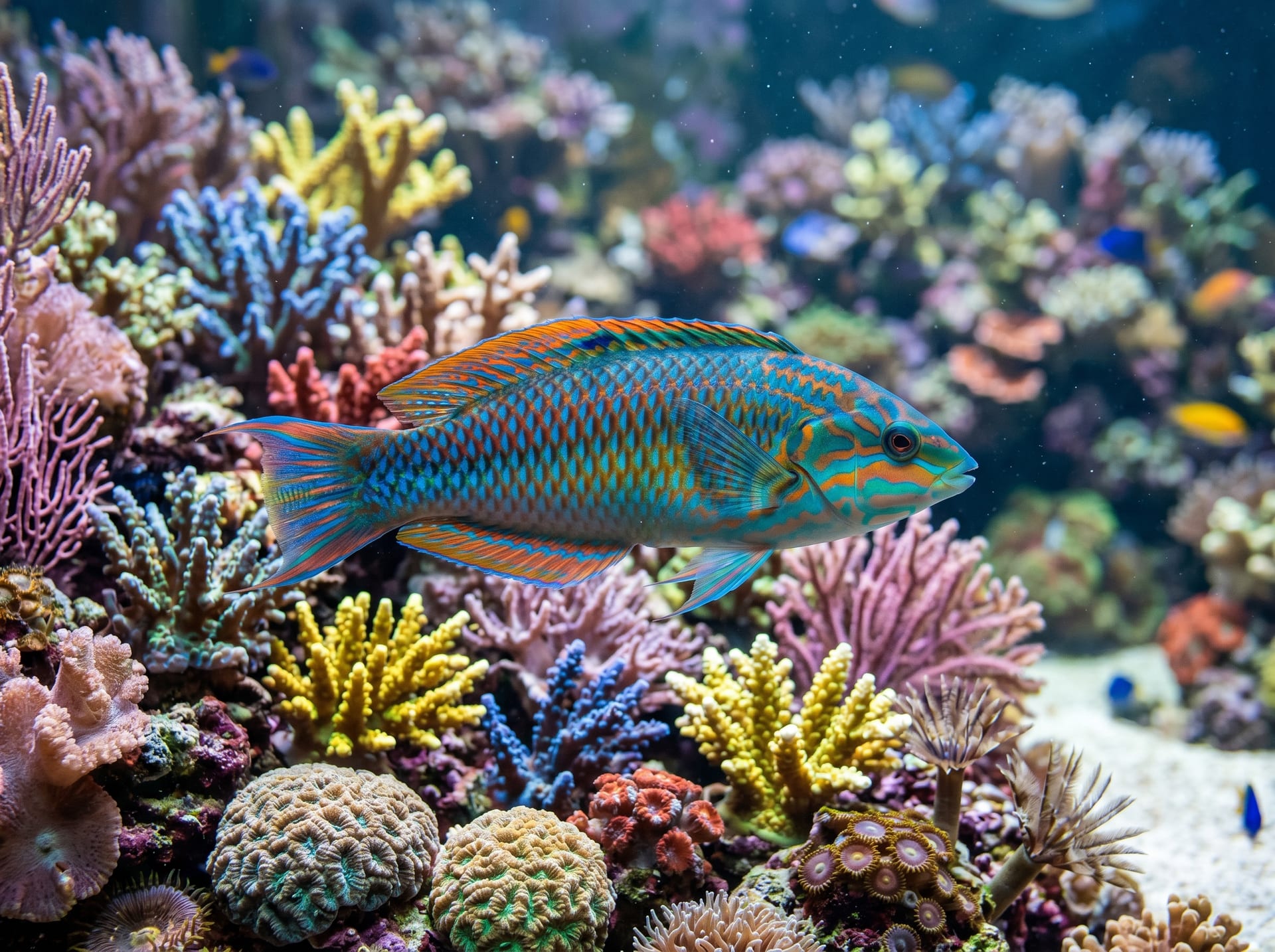
Fairy Wrasse (Cirrhilabrus spp.) Care Guide | Colorful Saltwater Fish Husbandry and Tankmate Compatibility
A guide to Fairy Wrasse (Cirrhilabrus spp.) species, characteristics, and care methods. Detailed coverage of male display behavior, feeding, tankmate compatibility, breeding, and harem management.
Key Takeaways
A guide to Fairy Wrasse (Cirrhilabrus spp.) species, characteristics, and care methods. Detailed coverage of male display behavior, feeding, tankmate compatibility, breeding, and harem management.
What is a Fairy Wrasse?
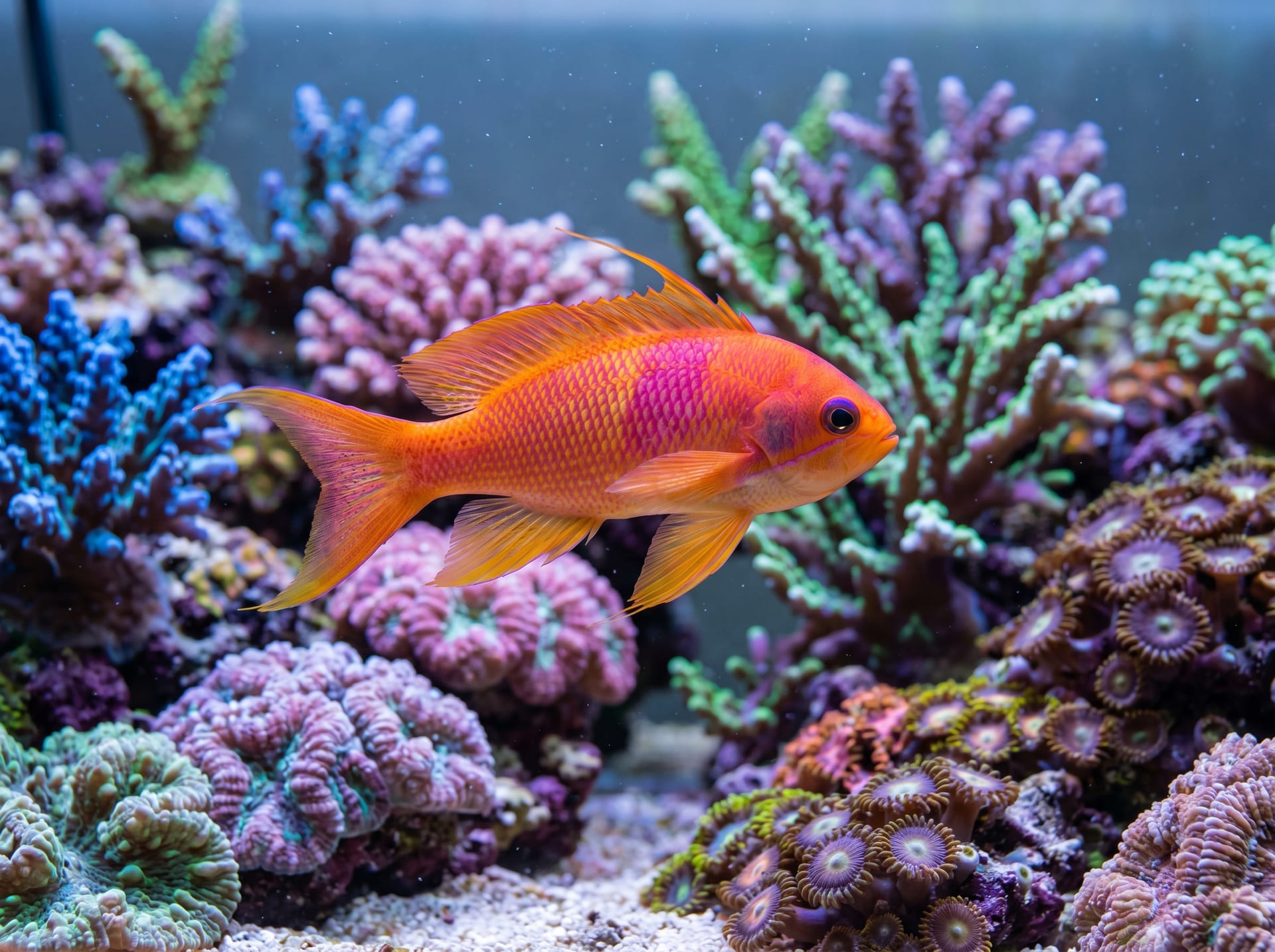
Fairy Wrasses are small to medium-sized saltwater fish belonging to the wrasse family, genus Cirrhilabrus spp. Depending on the species, body length ranges from approximately 5 to 15 cm. Males display complex coloration in vibrant reds, blues, oranges, and purples, making them beloved by saltwater aquarium enthusiasts worldwide as some of the most beautiful fish in the aquarium.
✍️
BreederDirect Editorial
The BreederDirect editorial team specializes in care information for animals, covering veterinary care and breeding to deliver beginner-friendly guides.
Find Marine Fish on BreederDirect
Buy directly from verified breeders
Browse Related Listings
Find Marine Fish listings related to this article on BreederDirect. Buy directly from verified breeders.
In nature, they inhabit coral reefs throughout the Indo-Pacific region and form harems with multiple females. A single male manages multiple females, and a dominant female will undergo sex change (protogynous hermaphroditism) to become a new male in the male's absence.
Popular Species:
Cyan Tail Fairy Wrasse (C. cyanopleura) — An Indian Ocean species with beautiful blue-purple and red coloration
Rubriventralis (C. rubriventralis) — A rare African species with a distinctive red belly
Flasher Wrasse (Paracheilinus spp.) — A related genus famous for flashing display behavior
Solorensis (C. solorensis) — Vibrant red and orange coloration from the Solor region
Luteovittatus (C. luteovittatus) — A subdued species with cream-colored bands
Required Tank Environment
Tank Size
A single male can be kept in a 60cm or larger tank, but a 90cm or larger tank is recommended for multiple fish or harem groups. Swimming space is important, so a tank with good depth and width is ideal.
A sand substrate (live sand) provides hiding places and reduces stress. They have the habit of burrowing into the sand to sleep at night, so a sand bed at least 3–5 cm deep is essential. Always use a cover—Fairy Wrasses are known to frequently jump out when startled.
Water Parameters
Salinity: 1.023–1.026 SG
Temperature: 24–27°C
pH: 8.1–8.3
Nitrate: Keep as low as possible (below 10 ppm recommended)
Ammonia and Nitrite: Should not be detectable
Fairy Wrasses are relatively sensitive to deteriorating water quality. Provide a protein skimmer and adequate biological filtration, and maintain water quality through regular water changes.
Feeding and Food
Fairy Wrasses are active predators and feed primarily on animal-based foods.
Recommended Foods:
Frozen brine shrimp (staple food)
Frozen mysis shrimp
High-quality marine fish flakes and pellets
Copepods (live or frozen)
Newly introduced Fairy Wrasses may not eat for the first few days. In such cases, live food (live brine shrimp) will improve feeding response. Once acclimated, gradually switch to pellets and frozen foods.
Feed 2–3 times daily in small amounts. Males are highly active swimmers with high energy expenditure, and adequate nutrition directly affects their coloration.
Male Display Behavior and Harem Management
Male Fairy Wrasses perform a color display called "flashing" as breeding behavior. They spread their dorsal and pelvic fins and momentarily flash colors several times more vibrant than usual to appeal to females. This display can be observed in aquariums and is one of the highlights of saltwater fish keeping.
Harem Setup Considerations:
Multiple males of the same species in one tank will result in fierce fighting (only one male per tank is recommended)
Multiple females can be housed together, but in cramped tanks, dominant females may chase subordinates
Females will undergo sex change to become males some time after the male's absence or death
When keeping different species of Fairy Wrasses (different Cirrhilabrus species) together, conflict tends to be minimal if the species have distinctly different colors. Similar-colored species may be mistaken for the same species and fight fiercely, so caution is needed.
Tankmate Compatibility
Fairy Wrasses have relatively peaceful temperaments, but care should be taken with small, reclusive fish (gobies, dottybacks). They may become territorial within the tank.
Compatible Fish:
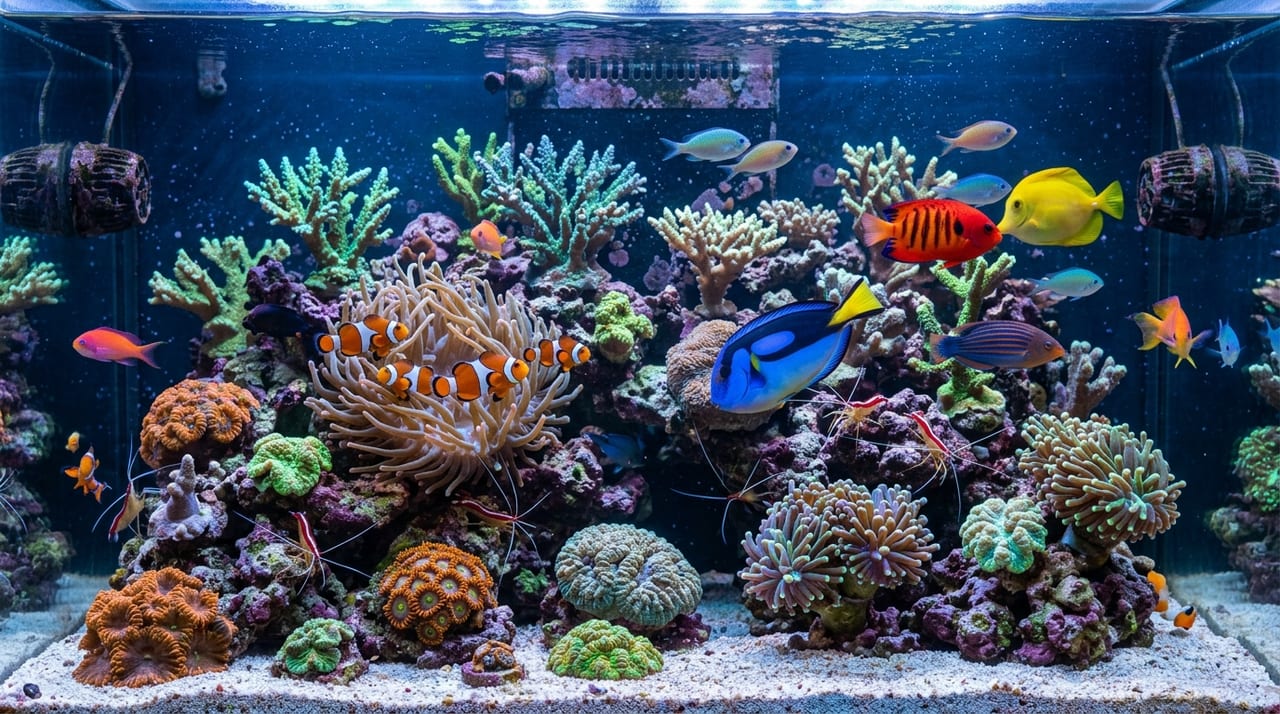
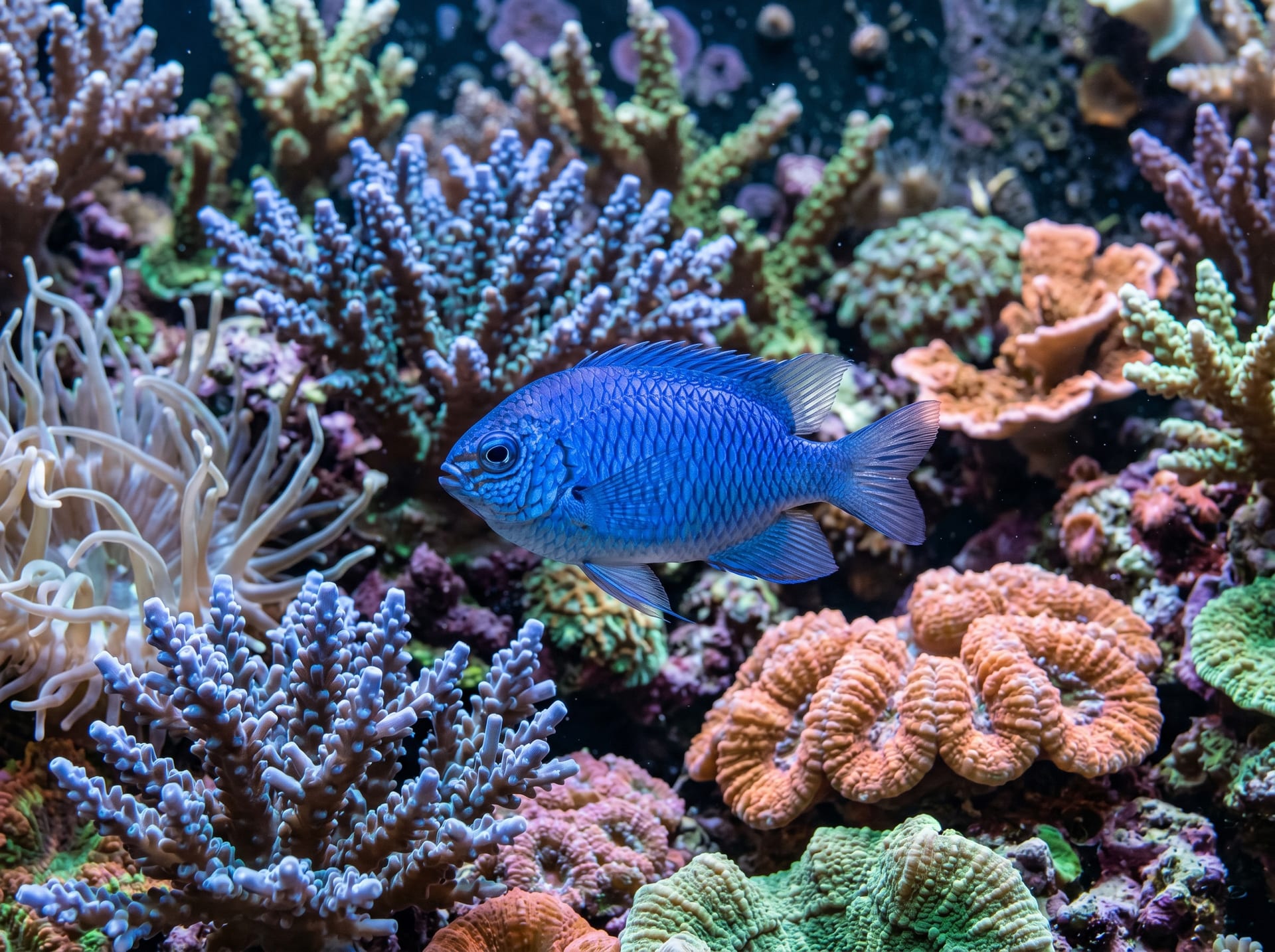
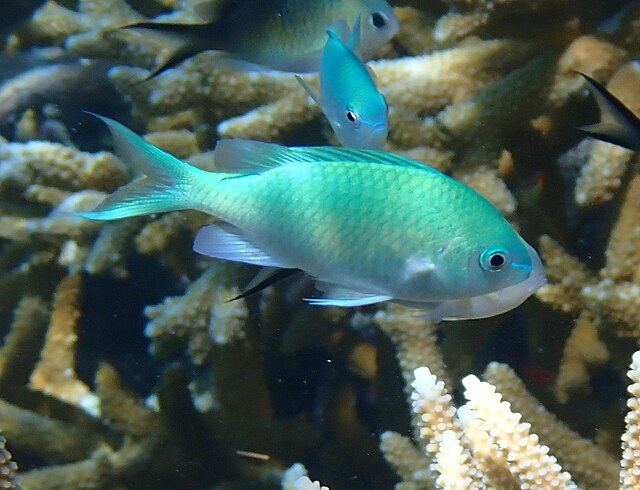
Clownfish and damsels (particularly peaceful species)
Anthias
Medium-sized peaceful angelfish
Certain blennies
Incompatible Combinations:
Males of the same or related species
Large wrasses (such as leopard wrasses)—may chase Fairy Wrasses
Aggressive dottybacks should be monitored for individual temperament
They coexist well with corals and are suitable for reef tanks. Crustaceans (shrimp and hermit crabs) are generally harmless.
Breeding
Breeding in aquariums has been reported, but the difficulty level is high. Maintaining a harem group with one male and multiple females in a 60–90cm or larger tank and providing high-quality nutrition increases the likelihood of spawning.
Spawning occurs in the evening to night, releasing pelagic eggs into the water. Rearing larvae requires rotating hatchery containers and culturing rotifers and copepods, so home breeding requires a highly specialized environment.
Purchasing and Quarantine
Fairy Wrasses are relatively sensitive to transport stress. Check the following when purchasing:
Whether they are eating (confirm at the shop)
Whether fins are intact
Whether there are no signs of ich or velvet disease
Whether eyes are clear
We strongly recommend quarantining new fish in a separate tank for 2–4 weeks before introducing them to the main tank. Copper-based treatments (such as Cupramine) can effectively prevent ich and velvet disease.
Conclusion
Fairy Wrasses are among the finest centerpiece fish for reef tanks. The vibrant coloration and flashing displays of males captivate observers and transform the aquarium into a lively space. By mastering the basics of care, even beginners to intermediate aquarists can maintain them long-term, and there are endless ways to enjoy them—from harem management to mixing multiple species. They are a fascinating saltwater fish with broad appeal.