Saltwater Fish Senior Care Guide | Recognizing Signs of Aging and Husbandry to Support Longevity | ブリちょく
Marine Fish| ✍️ BreederDirect Editorial
Saltwater Fish Senior Care Guide | Recognizing Signs of Aging and Husbandry to Support Longevity
This guide explains the aging signs of long-term saltwater fish (faded coloration, cloudy eyes, decreased appetite) and how to adjust water quality management, feeding methods, and tank companions for senior fish. We also introduce terminal care (end-of-life care).
Key Takeaways
This guide explains the aging signs of long-term saltwater fish (faded coloration, cloudy eyes, decreased appetite) and how to adjust water quality management, feeding methods, and tank companions for senior fish. We also introduce terminal care (end-of-life care).
✍️
BreederDirect Editorial
The BreederDirect editorial team specializes in care information for animals, covering veterinary care and breeding to deliver beginner-friendly guides.
Find Marine Fish on BreederDirect
Buy directly from verified breeders
Browse Related Listings
Find Marine Fish listings related to this article on BreederDirect. Buy directly from verified breeders.
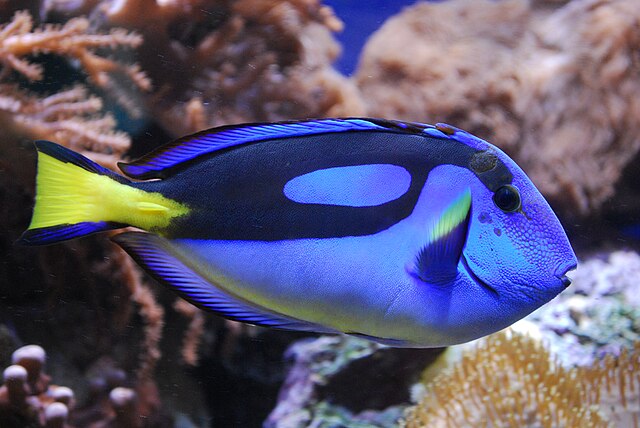
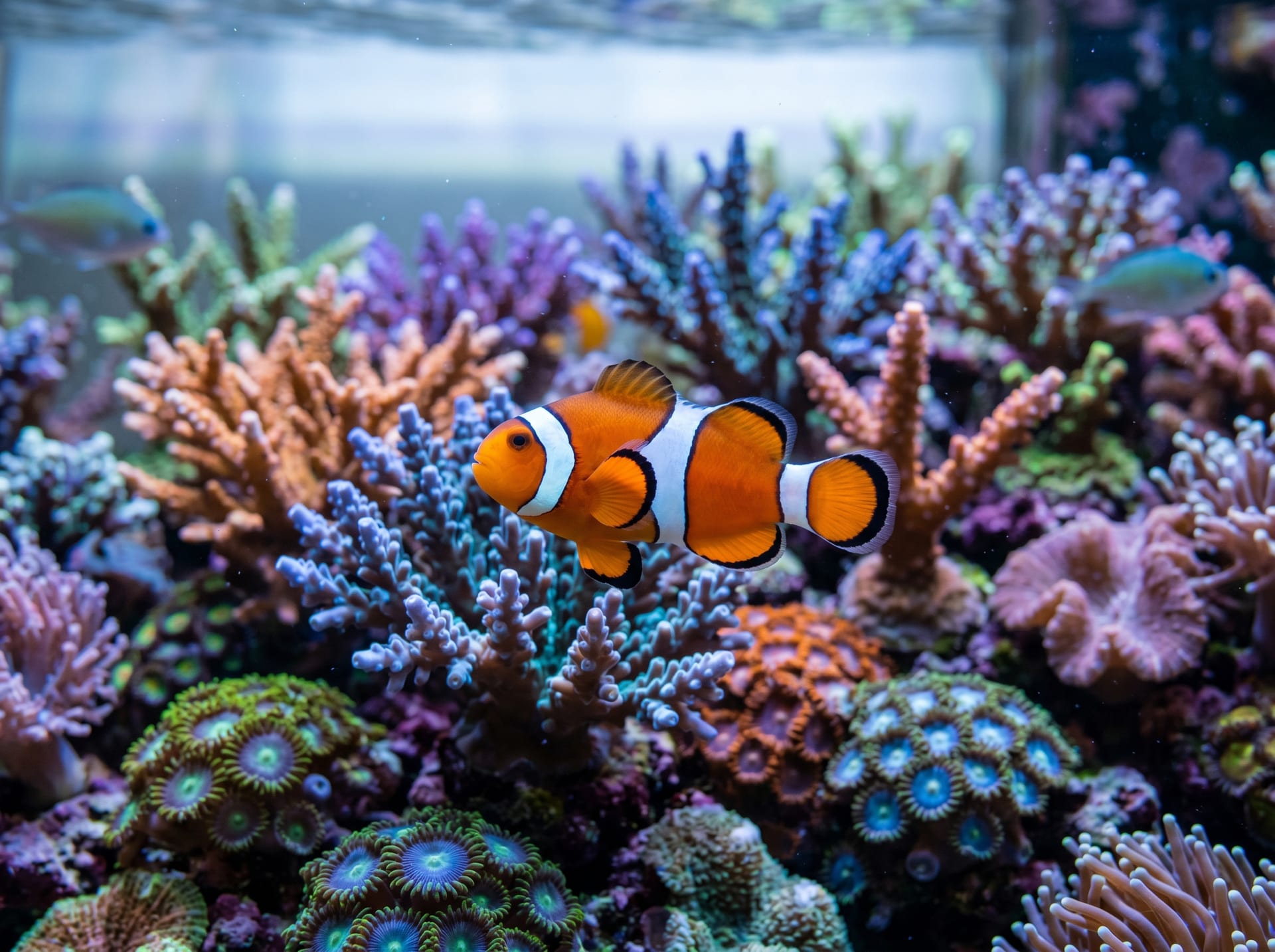
While the term "senior fish" may sound ambiguous, saltwater fish kept long-term certainly show signs of aging. Fish lifespans vary greatly by species. Ocellaris clownfish live 6–10 years, surgeonfish 10–15+ years, and groupers can live 20–30+ years. The better the care provided, the more important senior fish management becomes.
Signs Your Fish is Aging
Aging in fish doesn't happen suddenly—changes appear gradually. Regular observation is key to catching signs early.
Physical Changes
Faded or Dull Coloration: The vibrant colors of youth fade. In ocellaris clownfish, the orange and white stripe edges may become less distinct
Worn Fin Edges: Years of friction and minor damage cause fin margins to become rounded
Cloudy Eyes: Age-related cataracts occur in fish too. Vision loss dulls feeding behavior
Scale Density Changes: Some scales may thin or begin to lift slightly
Body Shape Changes: Muscle loss can lead to visible thinning, sometimes called "age-related wasting"
Behavioral Changes
Reduced Activity: Swimming distance decreases and fish spend more time in preferred spots
Sluggish Feeding Response: Response to food slows. Vision loss and declining sense of smell are common causes
Increased Rest Time: Nighttime sleep lengthens and fish hide more during the day
Territorial Behavior Changes: Fish may lose interest in defending their longtime territory, or paradoxically show excessive defensive responses
Feeding Preference Changes: Preferences for food size and form may shift
Water Quality Management for Senior Fish
Aging fish tolerate water parameter fluctuations less than younger fish and have compromised immune function. Parameters that posed no problem when young can cause health issues in their senior years.
Water Stability is the Priority
Stable water quality is even more critical for senior fish than for young ones.
Frequent Small Water Changes: Two 5–7% changes per week are better than one 10–15% change—smaller fluctuations are gentler on seniors
Premium Artificial Seawater: Use high-quality sea salt rich in calcium, magnesium, and trace elements
Minimize Temperature Swings: Keep daily fluctuations within ±1°C—aging fish recover poorly from temperature shock
Parameters to Monitor and Maintain
Parameter
Target Range for Senior Fish
Key Points
Water Temperature
24–26°C (species-dependent)
Avoid sudden changes; keep within ±1°C daily
Specific Gravity
1.023–1.026
Watch for rising SG from evaporation
pH
8.1–8.3
Dangerous below 7.9; manage KH for stability
Ammonia
0 ppm
Must be zero; seniors are highly sensitive
Nitrite
0 ppm
Must be zero
Nitrate
≤10 ppm
Stricter than young fish standard (≤20 ppm)
Feeding Management for Senior Fish
Adjusting Feeding Amounts
Aging fish with slowed metabolism can't digest the same amount fed when young, leading to water quality problems.
More Frequent, Smaller Meals: Increase from twice to three times daily in smaller portions
Choose Easy-to-Digest Foods: Flake, powder, or finely chopped frozen foods
Prefer Moist Foods: Frozen or live foods are gentler than dry pellets
Feeding Vision-Impaired Fish
"Target feeding" works well: use tongs or a pipette to place food directly near the mouth. Ensure the senior gets food before active tankmates steal it.
Nutritional Supplements
Supplements supporting immunity and cell renewal are effective for aging fish.
HUFAs (Highly Unsaturated Fatty Acids): Frozen foods rich in EPA and DHA—copepods, daphnia, amphipods, etc.
Vitamin C: Antioxidant support for immunity. Add liquid vitamin supplements to food
Garlic Supplements: Reported to boost appetite and immunity
Reviewing Tank Companions
Tankmates that were fine when young can become threats in old age.
Increased Risk of Aggression and Competition
Weakening seniors lose out in territory disputes and feeding competition. Watch for these scenarios:
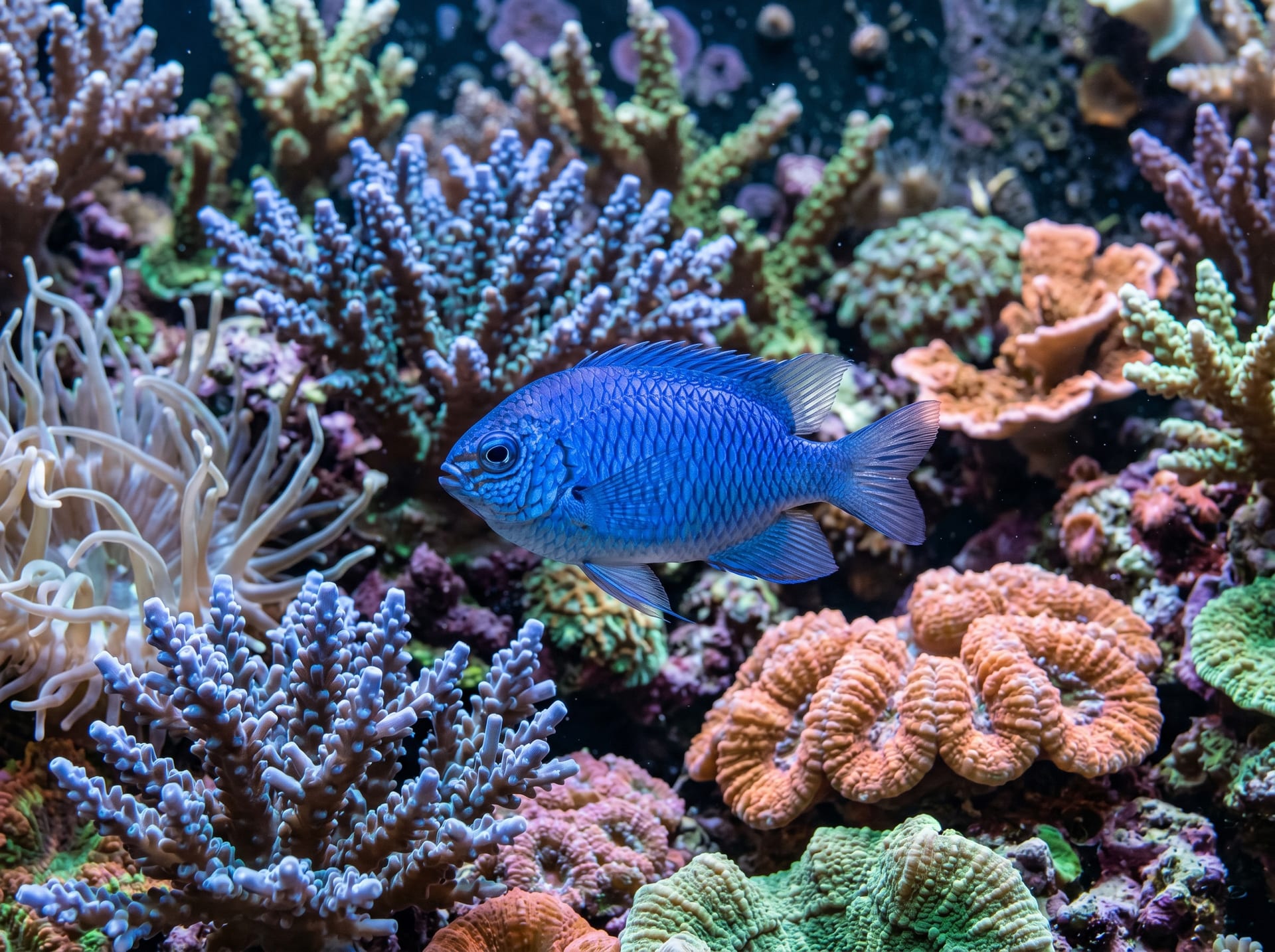
Damselfish (aggressive species): Ongoing attacks on seniors
Large Fish: Tankmates that ignored small seniors when young may now prey on them
Food Hoarding: Active younger fish monopolize food, starving the senior
Solutions: move aggressive fish to another tank, use dividers, or feed the senior first.
Disease Management in Senior Fish
Immune-compromised seniors are vulnerable to infections and parasites.
Prevention is Key
Prevention matters more than treatment for aging fish.
Ich spreads faster in seniors; early detection and isolation are critical. However, copper is toxic even to older fish—start at half-dose or use low specific gravity therapy (1.010–1.012) instead.
Bacterial Infections and Ulcers
If you see wounds, ulcers, or white cotton-like growth, use methylene blue or antibacterial baths (Green F Gold, etc.) in a separate tank. Since seniors metabolize medications slowly, start at 70–80% of standard dose and monitor.
Terminal Care (End-of-Life Care)
Caring for a fish with poor recovery prospects is an important responsibility.
Move to Isolation: Remove all competition and stress completely
Dim Lighting, Quiet Environment: Reduce excessive light and vibration
Small High-Quality Meals: If eating, offer highly nutritious food in small amounts
Pristine Water Quality: Change water immediately if any ammonia or nitrite is detected
Saying goodbye to a fish you've kept for years is heartbreaking, but providing a peaceful, pain-free end is your final act of care.
Summary
The key to senior fish care is observant attention to change. Daily observation helps you catch aging signs early and adjust feeding, water quality, and tankmates accordingly. By providing care tailored to the unique needs of aging fish, you can help them enjoy health and vitality throughout their final years.