Comprehensive nutrition and feeding guide for saltwater fish, covering artificial, frozen, and live foods, species-specific diets, and color-enhancing nutrition.
Key Takeaways
Comprehensive nutrition and feeding guide for saltwater fish, covering artificial, frozen, and live foods, species-specific diets, and color-enhancing nutrition.
Proper nutrition management is essential for maintaining the beautiful coloration and health of marine fish. Marine fish have more diverse feeding habits compared to freshwater fish, and the nutrients they require and the preferred food forms vary greatly depending on the species. By selecting appropriate food and providing balanced nutrition, the coloration of fish will become remarkably vivid.
Marine fish are divided into four major groups based on their feeding habits.
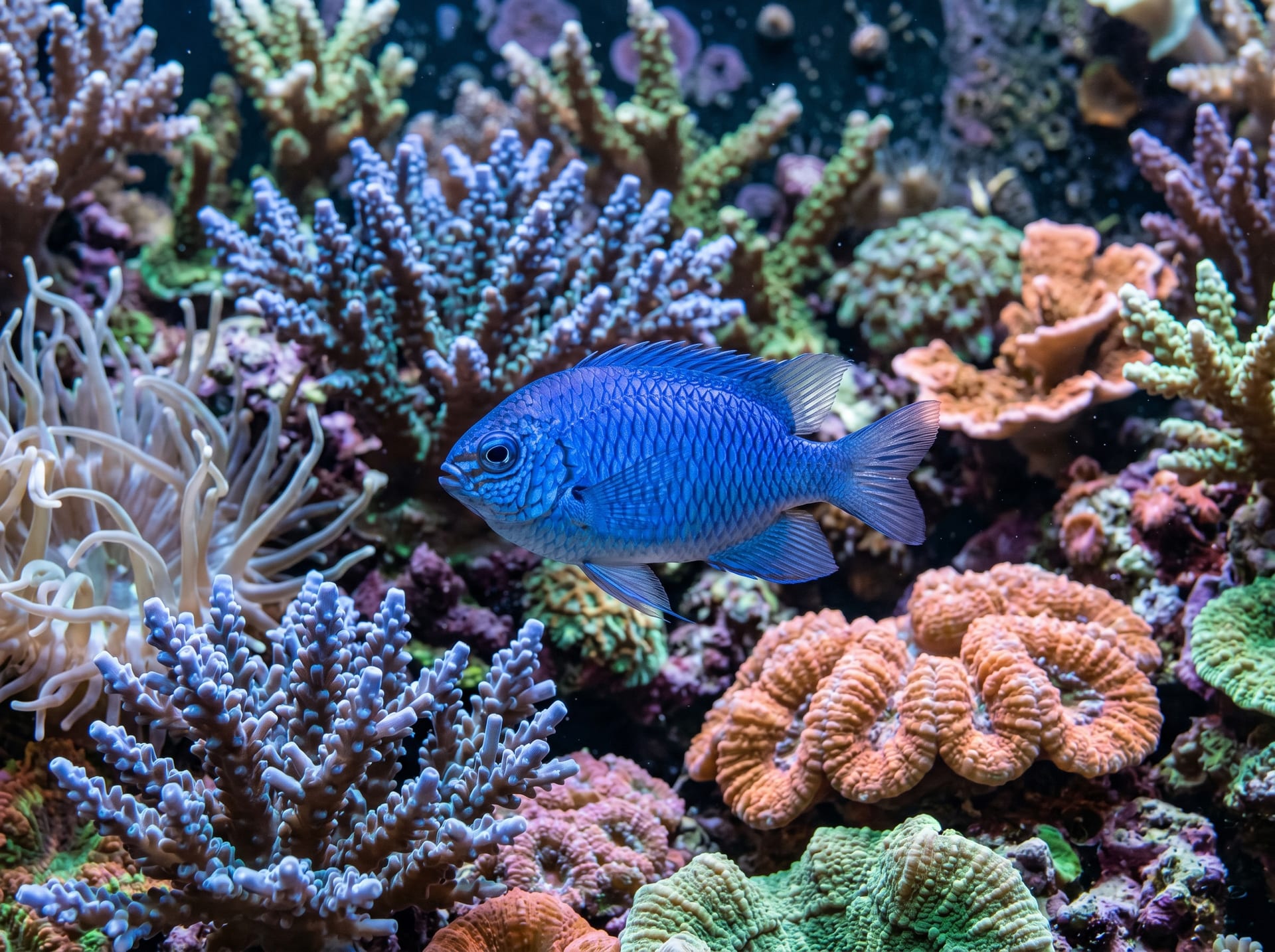
Omnivorous: This includes clownfish, damselfish, goby species, and many other common marine fish. They eat both animal-based and plant-based foods in a balanced manner. They are relatively easy to keep and take well to artificial feeds.
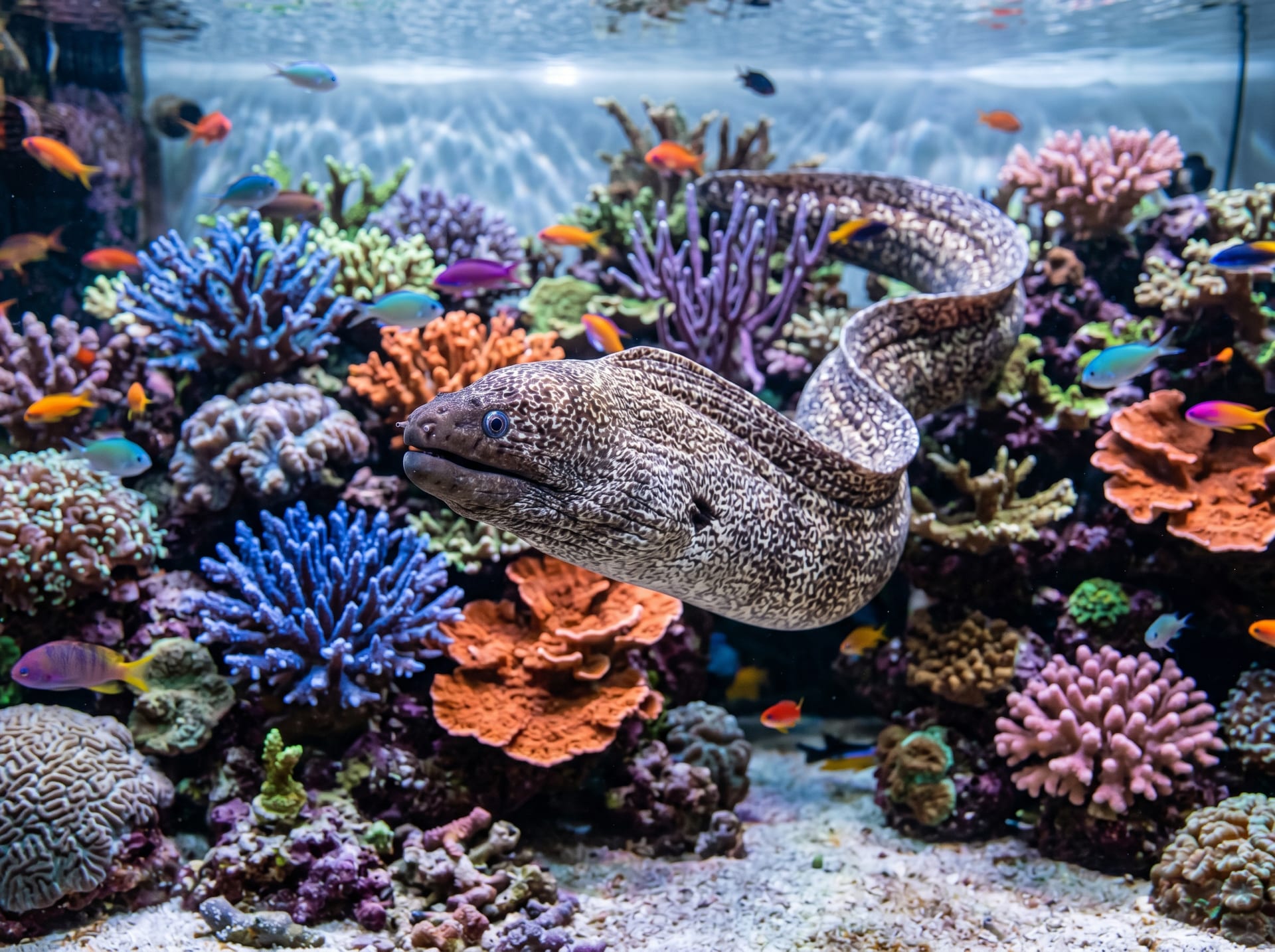
Carnivorous: Representative examples include groupers, scorpionfish, and moray eels. They primarily feed on small fish and shrimp, and tend to prefer frozen or live foods over artificial feeds.
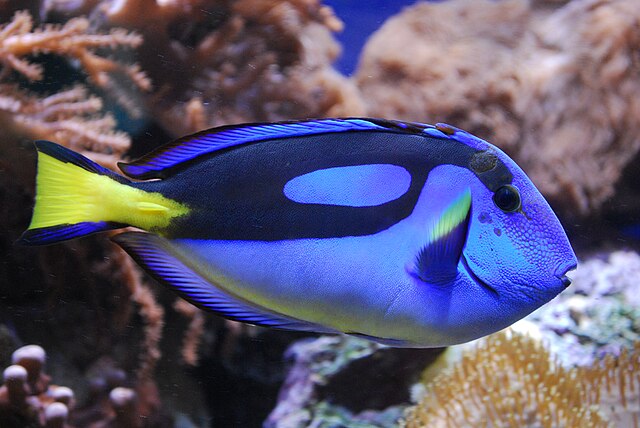
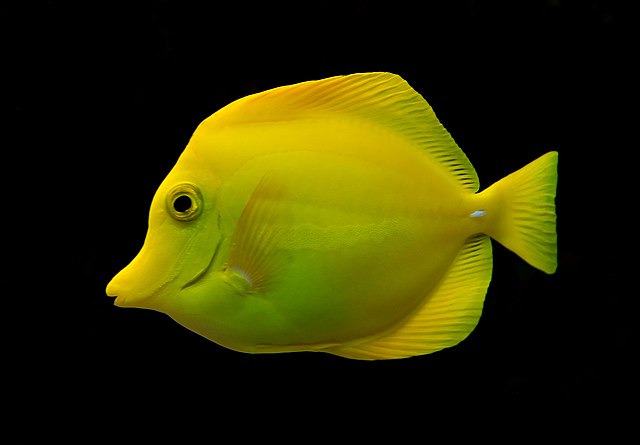
Herbivorous: This includes surgeonfish (yellow tangs, blue tangs, etc.) and rabbitfish. They primarily feed on seaweed and algae, and inadequate plant-based nutrition increases the risk of HLLE (head and lateral line erosion).
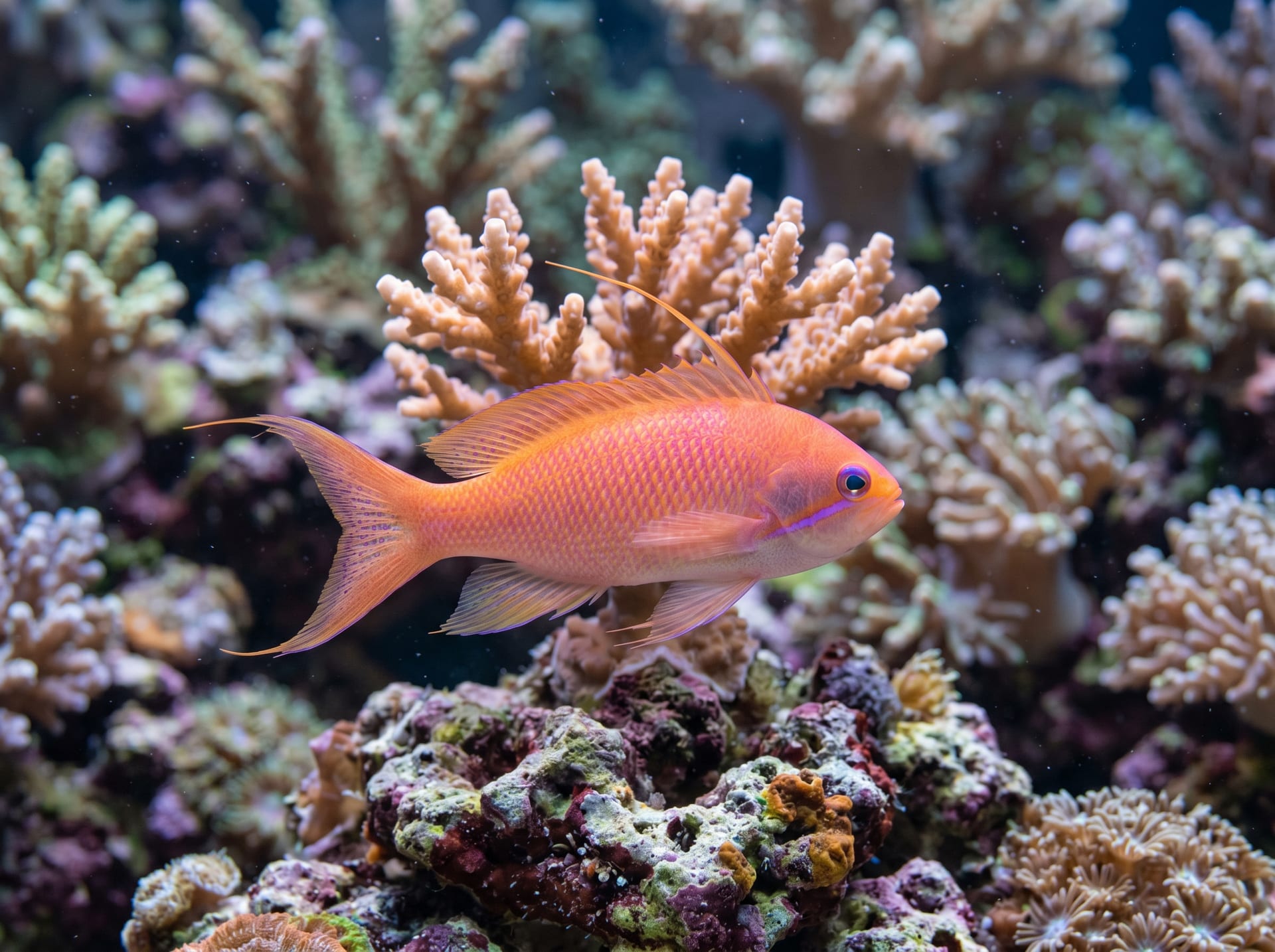
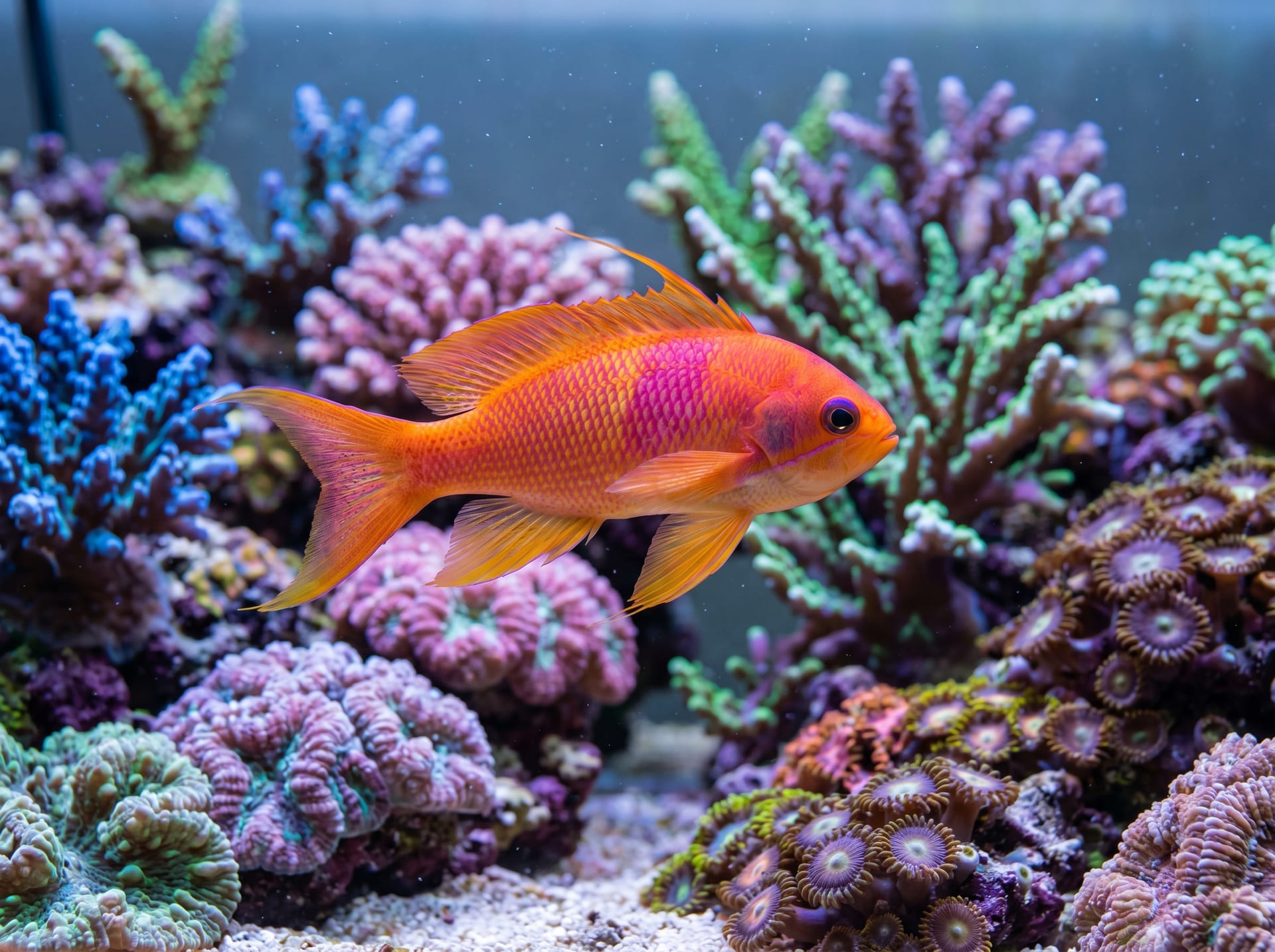
Planktivorous: Representative examples include anthias and mandarin fish. In their natural habitat, they feed on zooplankton, and some species are difficult to acclimate to artificial feeds.
Food for marine fish is broadly divided into three types: artificial feeds, frozen foods, and live foods.
Artificial feeds (dry foods) are the most convenient and have balanced nutrition calculated. Flake-type feeds are suitable for small fish that feed near the water surface, while pellet-type feeds are suitable for medium to large fish. Major manufacturers include TLF (Two Little Fishies), New Life Spectrum, Hikari marine fish series, and Ocean Nutrition. New Life Spectrum's THERA+A series is enriched with garlic and has high palatability, with expected immune-boosting effects.
Frozen foods have high nutritional value and excellent palatability. Representative examples include frozen brine shrimp (Artemia), frozen mysis shrimp, frozen copepods, frozen sand eels, and frozen clams. After thawing, rinse lightly with tank water to reduce phosphate introduction.
Live foods are effective for initial acclimation of difficult-to-feed fish. Fresh nauplii of brine shrimp, gammarid amphipods, and other small crustaceans are commonly used. For planktivorous fish like mandarin fish, establishing a refugium within the tank to cultivate copepod populations is also effective.
Understand the main nutrients required by marine fish.
Protein: A structural component of muscle and tissue. Marine fish generally require 40-55% protein in their feed. Animal-based protein (fish meal, shrimp, squid, etc.) has high digestibility and excellent essential amino acid balance.
Lipids: An energy source and structural component of cell membranes. Omega-3 fatty acids (DHA and EPA) are essential fatty acids for marine fish, playing important roles in maintaining immune function and achieving vibrant coloration. Feeds containing marine ingredients provide sufficient amounts.
Vitamins: Vitamins A, C, and E have antioxidant properties and maintain immunity. Vitamin D is necessary for calcium metabolism. Since frozen foods lose vitamins during processing, soaking them in vitamin-enriched solutions (such as Selcon) before feeding is effective.
Color-enhancing ingredients: Carotenoid pigments such as astaxanthin, canthaxanthin, and spirulina enhance red, orange, and yellow coloration. Color-enhancing feeds have these pigments strongly supplemented.
Dietary fiber and seaweed components: Essential for herbivorous fish. Regularly provide dried seaweed sheets (affixed with algae clips) or spirulina-enriched flakes.
Here is the optimal food and feeding method for representative marine fish species.
Clownfish: Omnivorous with excellent feed acceptance. Use artificial feed as the main diet, supplemented with frozen brine shrimp or mysis shrimp 2-3 times per week. Feed twice daily in amounts that will be consumed in 2-3 minutes.
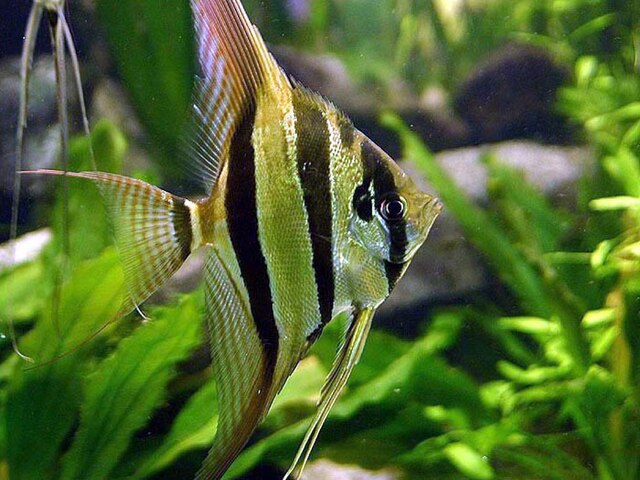
Angelfish (Pomacanthidae): Omnivorous but many species feed on sponges and sea squirts, making nutrition one-sided with artificial feed alone. Provide a balanced combination of seaweed-based frozen food, spirulina flakes, and dried seaweed. Large angelfish may take time to acclimate, so starting with frozen foods initially is advisable.
Surgeonfish (Yellow tangs, blue tangs, etc.): Have strong herbivorous tendencies, so plant-based feed must be included. Provide dried seaweed sheets daily, combined with spirulina-enriched artificial feed. Insufficient plant-based nutrition increases the risk of HLLE.
Butterflyfish: Many species have specialized feeding habits and are known for difficulty in acclimation. Threadfin butterflyfish and coronet butterflyfish are relatively easy to acclimate, but coral-feeding species are unsuitable for reef tanks. Finely chopped frozen clams or garlic-enriched frozen food can be the key to successful acclimation.
Anthias and fairy basslets: Planktivorous species requiring multiple small feedings daily. Use an auto-feeder to provide small amounts of artificial feed 3-4 times daily, and regularly supplement with frozen copepods.
The basic rule for appropriate feeding amount is "an amount that will be consumed in 2-3 minutes." Overfeeding is the leading cause of water quality deterioration, causing elevated phosphates and nitrates. Conversely, underfeeding leads to malnutrition, weight loss, and poor coloration.
Utilizing a feeding mode that pauses the pump before feeding is also effective. Strong water flow can waste food by drawing it into the overflow box.
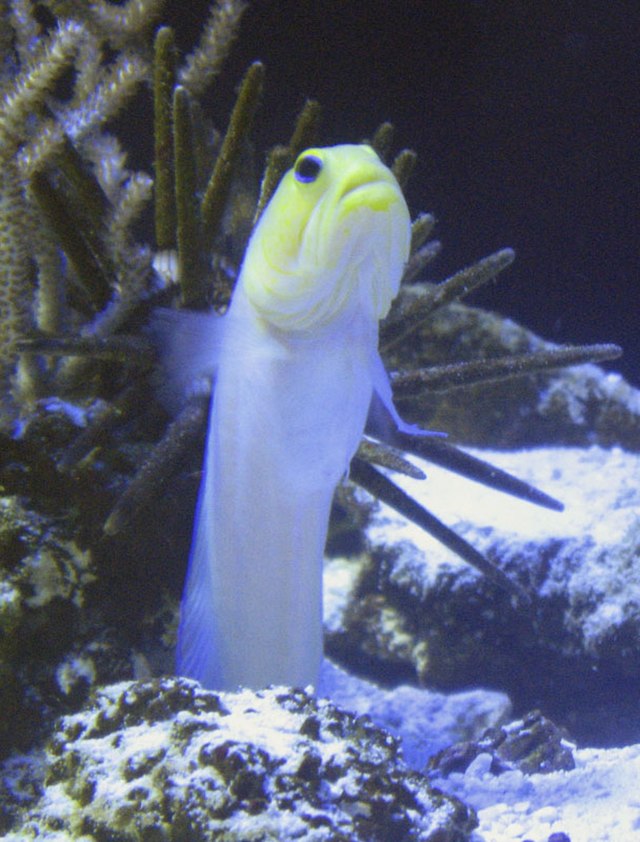
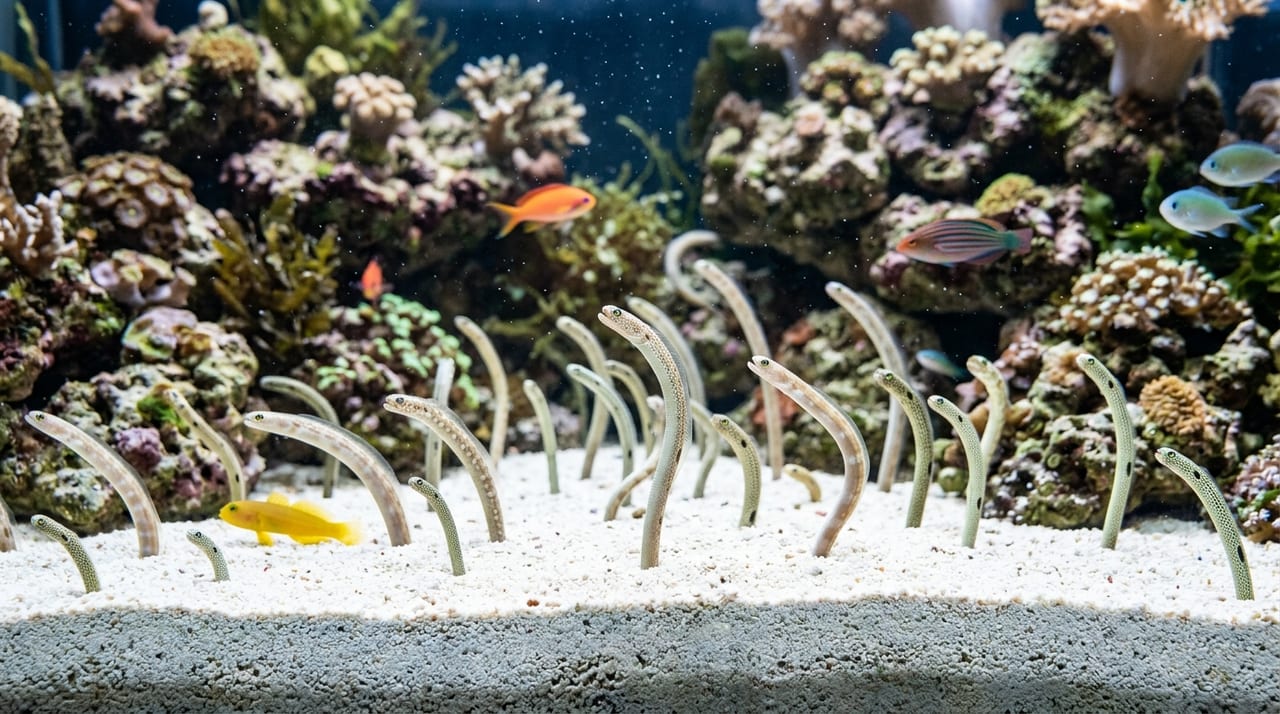
When keeping multiple species together, distribute food to multiple areas of the tank to prevent faster fish from monopolizing it. For bottom-dwelling gobies and jawfish, drop sinking pellets directly near them.
In marine fish keeping, obtaining well-acclimated individuals is a major factor in success. On Br-choku, you can directly purchase individuals that breeders have carefully acclimated to artificial feeds, and you'll also receive specific information such as "what they eat" and "how many times per day they are fed." If you're interested in raising species that are difficult to acclimate, please consult with breeders.
Find Marine Fish listings related to this article on BreederDirect. Buy directly from verified breeders.
Aquarium Volume Calculator
Calculate water volume, weight, and heater wattage from tank dimensions
Water Quality Checker
Find compatible fish, shrimp, plants & corals based on pH, temperature & hardness
Feeding Guide
Check feeding frequency, portion sizes & supplements by species and growth stage
Compatibility Checker
Check compatibility between two species on a 5-level scale