How to Create a Marine Biotope Aquarium | Layout Techniques to Recreate Nature
This guide explains how to set up a biotope aquarium that recreates natural marine environments in a tank. We provide detailed instructions on layout techniques themed to specific ocean regions, how to select livestock, and methods for building ecosystems close to nature.
Key Takeaways
This guide explains how to set up a biotope aquarium that recreates natural marine environments in a tank. We provide detailed instructions on layout techniques themed to specific ocean regions, how to select livestock, and methods for building ecosystems close to nature.
Related Species
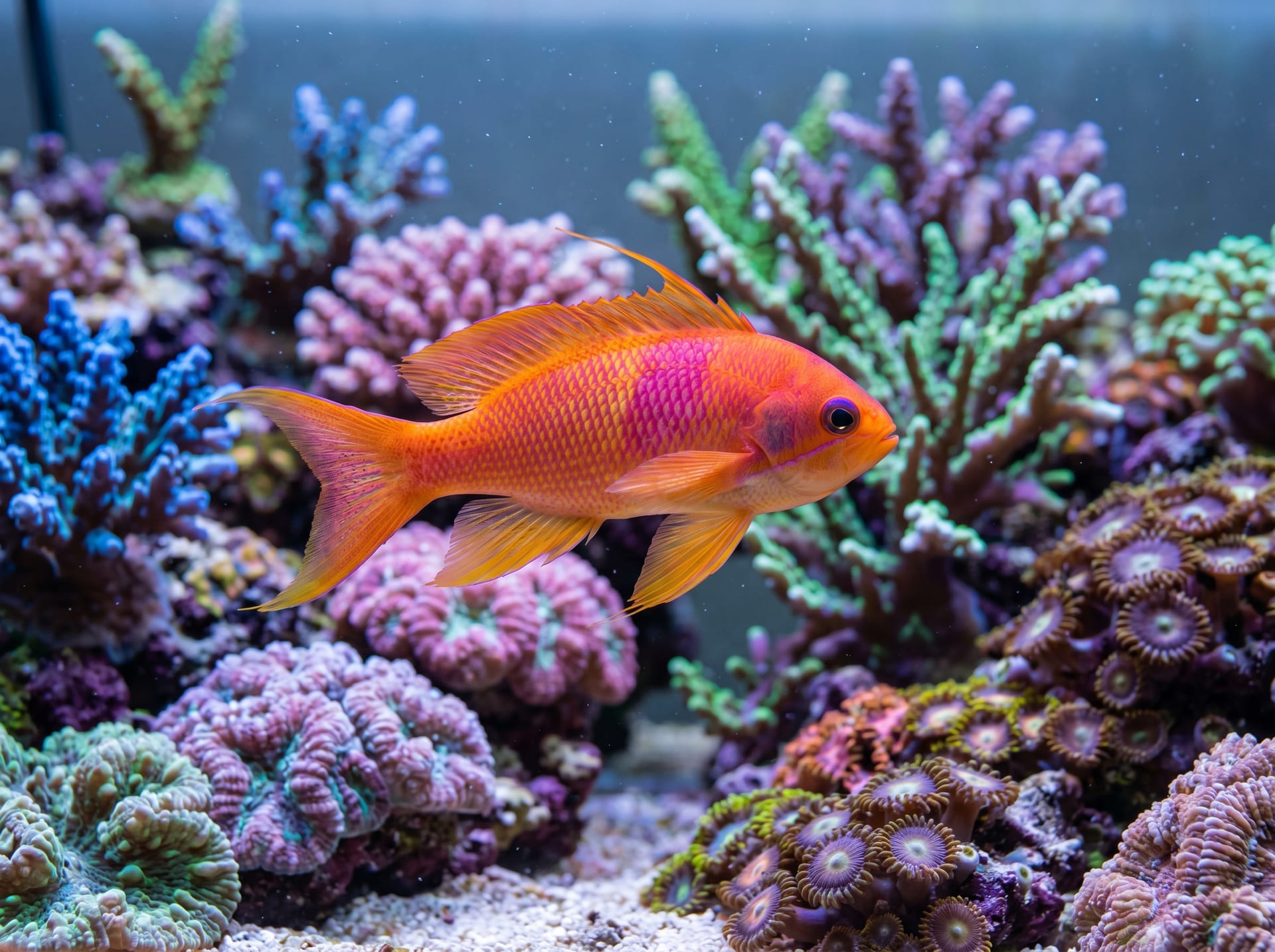
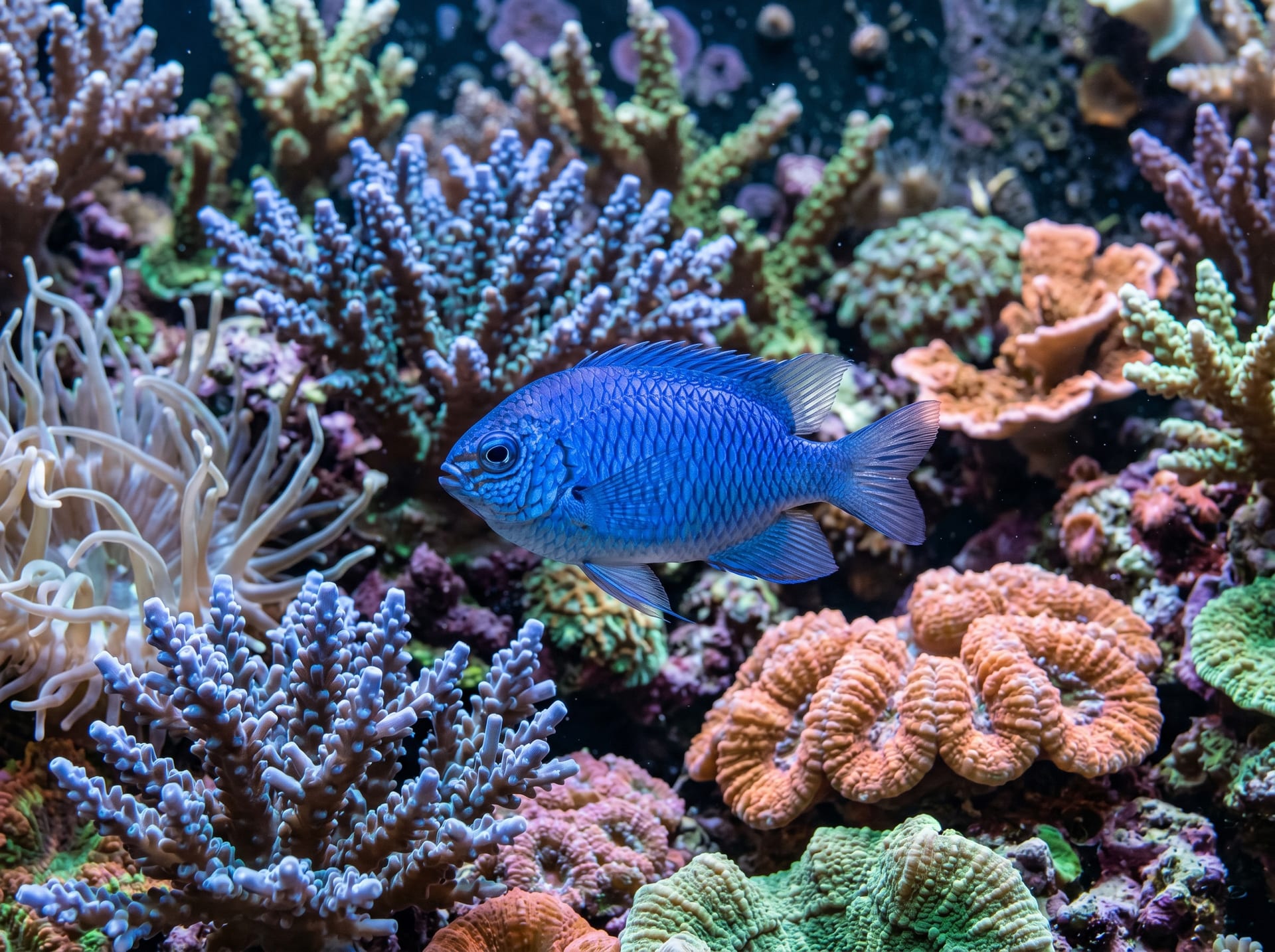
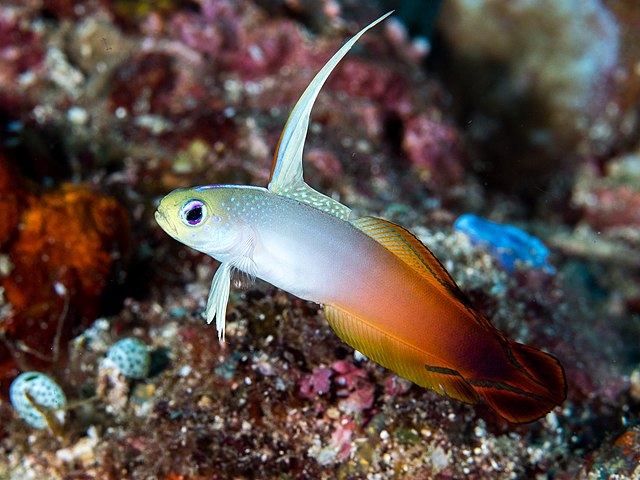
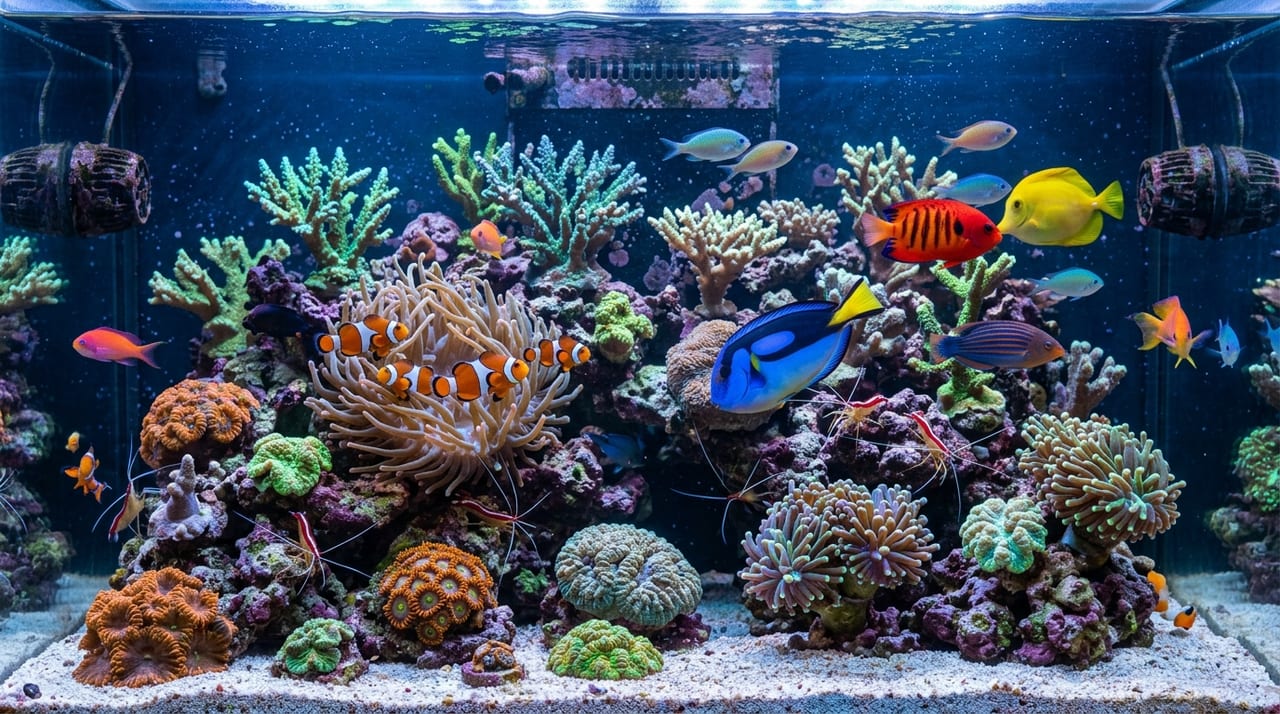
A biotope aquarium is an approach to recreating a specific natural environment as faithfully as possible within a tank. In a marine fish biotope aquarium, you build a natural ecosystem within the tank, as if you've extracted a corner of a specific ocean region or coral reef. The greatest appeal lies not only in its visual beauty, but also in how the livestock develop relationships close to nature and the tank functions as a unified ecosystem.
Biotope Aquarium Concepts
Traditionally, marine aquariums have commonly mixed fish from different ocean regions, driven by the desire to "keep many beautiful fish." However, in biotope aquariums, you carefully select only organisms that inhabit a specific ocean region and focus on recreating that environment.
The biotope approach offers numerous benefits.
- Since you're keeping organisms adapted to the same environment, managing water quality parameters becomes simpler.
- Because you're combining species that coexist in nature, compatibility issues are minimized.
- Food chains and symbiotic relationships function naturally, increasing tank stability.
Theme-Based Biotope Design
Here are several representative biotope themes.
| Theme | Environmental Characteristics | Representative Livestock Composition |
|---|---|---|
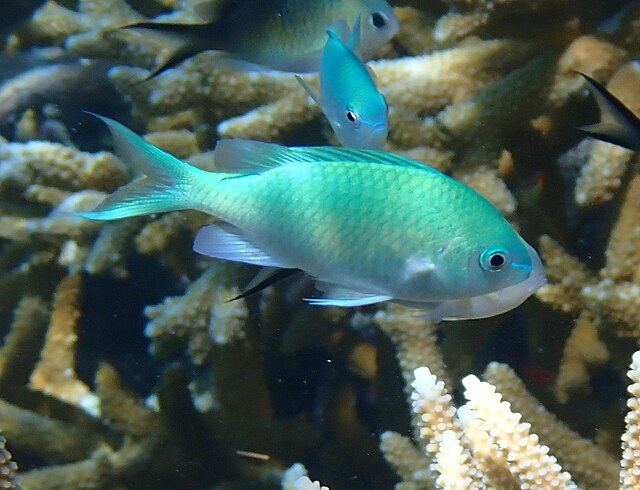
| Shallow Coral Reef Biotope | This recreates the shallow reefs where sunlight pours down. Strong lighting and active water flow are characteristics, with layouts centered on branching Acropora. Set lighting intensity high and ensure PAR values exceed 200. | Schools of Blue-green Chromis, symbiotic pairs of Clownfish and Sea Anemones, Pictichthys hawkfish, Cleaner Shrimp |
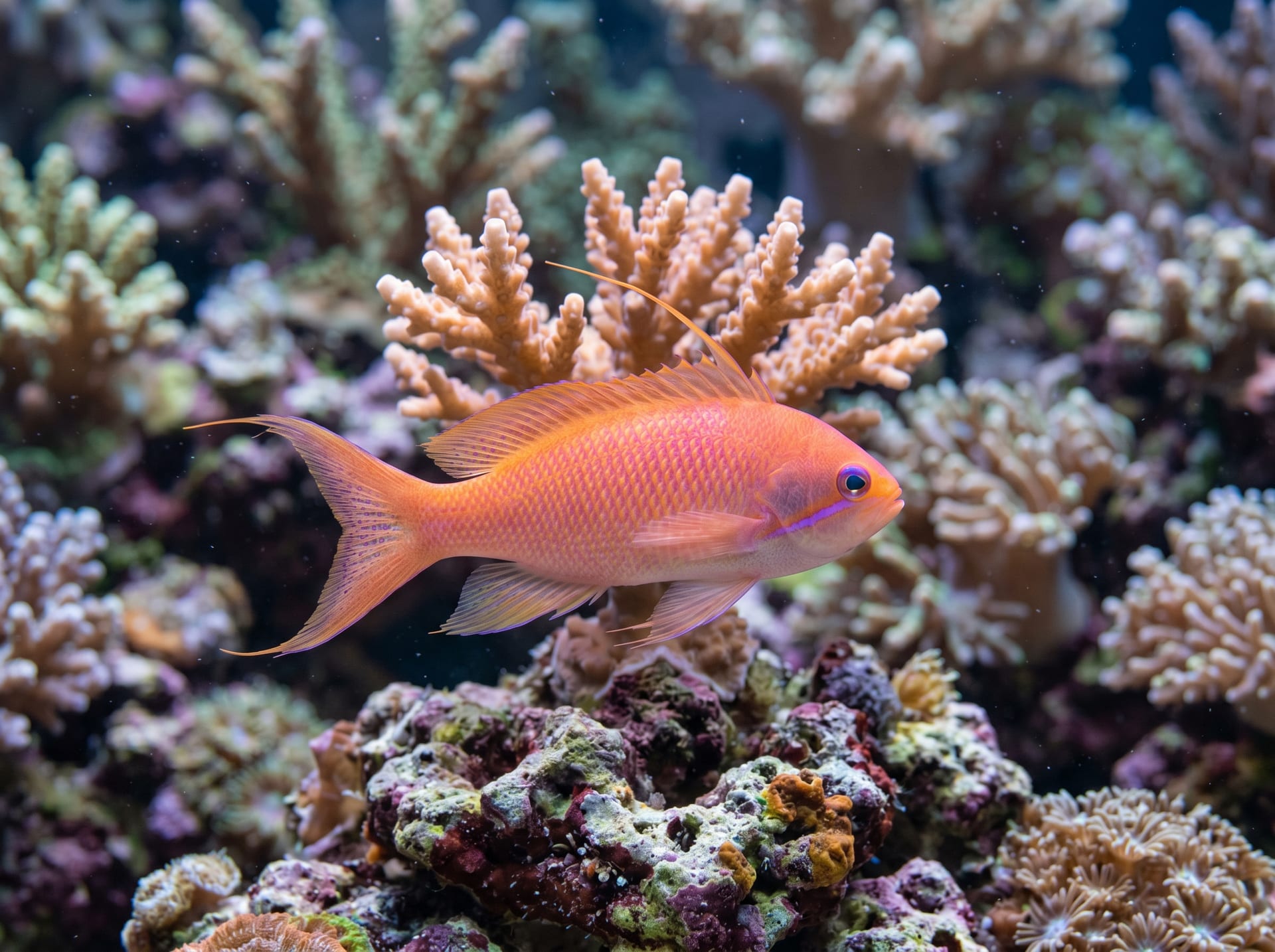
| Rocky Reef Biotope | This recreates a rocky reef at depths of approximately 5–15 meters. Stack large live rocks to create caves and intricate terrain, and position macro algae as well. Lighting is somewhat subdued, with conscious contrast between shadowed and bright areas. | Schools of Anthias, Cardinalfish species, Ponyfish species, Shrimp species |
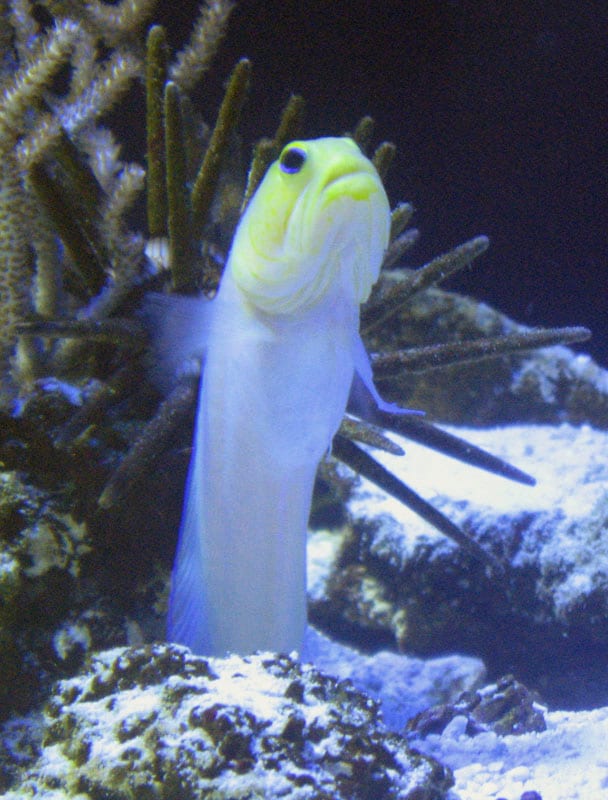
| Sandy Bottom Biotope | This recreates a sandy environment with coral sand substrate. Lay substrate to a depth of 5 cm or more, minimize live rocks to preserve open sandy areas, and introduce substrate-turning animals to prevent anaerobic conditions in the bottom sand. | Jawfish, symbiotic pairs of Gobies and Pistol Shrimp, Wrasses, substrate-turning animals (Sea cucumbers, sand-diving gobies, etc.) |
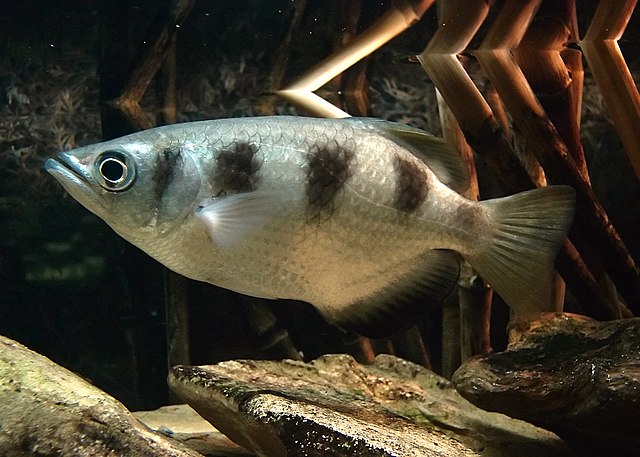
| Mangrove Zone Biotope | This is a unique style recreating the brackish waters where mangrove roots extend underwater. Plant mangrove seedlings in the upper part of the tank and set them up so roots extend into the water. Specific gravity is sometimes set to a slightly lower range around 1.018–1.022. | Archerfish, Mudskippers, organisms that attach to mangroves |
Live Rock and Layout Techniques
In biotope aquarium layouts, you aim for a natural aesthetic by eliminating artificial impressions and creating a landscape as if you've extracted a natural seafloor.
Live Rock Selection and Placement: Select live rocks with shapes that are as natural as possible. Combining rocks of different shapes—flat, branching, and bulky—creates a natural layout. Fix rocks together with epoxy putty or aquascaping adhesive to prevent collapse from earthquakes or impact from fish.
Using Negative Space: It's important not to pack in too many rocks and to consciously preserve open space. Empty areas—spaces for fish to swim, stretches of sand, gaps between rocks—give the layout depth and realism. In natural seas, rocks are never stacked uniformly; there is a rhythm of sparse and dense areas.
Creating Depth: A "hillside" layout with large rocks positioned at the back of the tank and graduating lower toward the front can recreate the natural slope of a coral reef. An asymmetrical layout with the center of gravity shifted to one side also creates a natural impression.
Livestock Selection and Ecosystem Building
In biotope aquariums, selecting livestock with consideration for their relationships is important.
Using Symbiotic Relationships: Actively incorporate symbiotic relationships such as Clownfish and Sea Anemones, Gobies and Pistol Shrimp, and Cleaner Shrimp with other fish. These symbiotic relationships provide an ecological narrative to the tank and double the pleasure of observation.
Building Food Chains: Breed copepods and amphipods in a refugium (isolation breeding tank) to create a natural food source within the tank. Macro algae serves as habitat for plankton, populations of small crustaceans increase, and a food chain is established where Mandarin fish and Dragonets prey on them.
Importance of Cleanup Crews: Animals like Hermit Crabs, Snails, Sea Urchins, and Sea Cucumbers are more than just cleaners in a biotope aquarium. They fulfill the roles that these organisms perform in natural seas—detritus decomposition and algae removal—helping to maintain ecological balance in the tank.
Using Macro Algae
In biotope aquariums, macro algae are important for both aesthetics and function. Species such as Caulerpa, Halimeda, Codium, and Gracilaria are used as aquarium macro algae.
Macro algae contribute to water quality by absorbing nitrates and phosphates, serve as habitat for small organisms, and provide natural food for herbivorous fish. However, fast-growing species require regular trimming, and if neglected can cover the entire tank, so be careful.
Naturally Recreating Water Flow and Lighting
In biotope aquariums, water flow and lighting should also emulate nature. Set gentle water flow changes that mimic tidal movements using a controller, and program lighting to follow natural light intensity changes from sunrise to sunset. Setting a moonlight mode (dim blue LED lighting) at night allows you to observe nocturnal organism activity and recreates a day-night rhythm closer to nature.
Maintenance and Long-Term Care
Once a biotope aquarium's ecosystem is balanced, it can require less maintenance than conventional tanks. This is because cleanup animals control algae, algae absorb nutrients, and bacteria decompose organic matter in a functioning cycle. Still, regular water changes (approximately twice per month) and parameter testing are necessary. Adding new livestock must be done carefully as it can disrupt ecological balance, and avoid introducing large numbers of animals at once.
In biotope aquariums, there is the enjoyment of faithfully recreating natural ecosystems by combining fish, corals, and invertebrates that inhabit a specific ocean region.
Consult with Breeders with Knowledge of Natural Environments on BreederDirect
Biotope aquarium success requires deep knowledge of organism ecology in nature. On BreederDirect, you can connect directly with breeders who are knowledgeable about the ecosystems of specific ocean regions and breeders who practice biotope approaches. Ask about livestock compatibility and behavior patterns in natural environments, and realize your ideal biotope aquarium.