Blenny Care Guide | Rock Layout and Territorial Behavior Management
This article explains blenny care methods and how to create rock-based aquarium layouts. It covers mixed-species management for territorial types, how to build preferred hiding places, how to utilize their algae-eating abilities, and tips for multi-blenny tanks.
Key Takeaways
This article explains blenny care methods and how to create rock-based aquarium layouts. It covers mixed-species management for territorial types, how to build preferred hiding places, how to utilize their algae-eating abilities, and tips for multi-blenny tanks.
Related Species
With an endearing face, unique movements, and the behavior of poking their head out from holes in rocks—blennies are personable saltwater fish that delight aquarists just by watching them. Moreover, as algae eaters they contribute to the tank, making them popular in practical terms as well. This article provides a detailed explanation of blenny characteristics and care methods, how to create rock-based layouts, and management of territorial behavior.
What Are Blennies
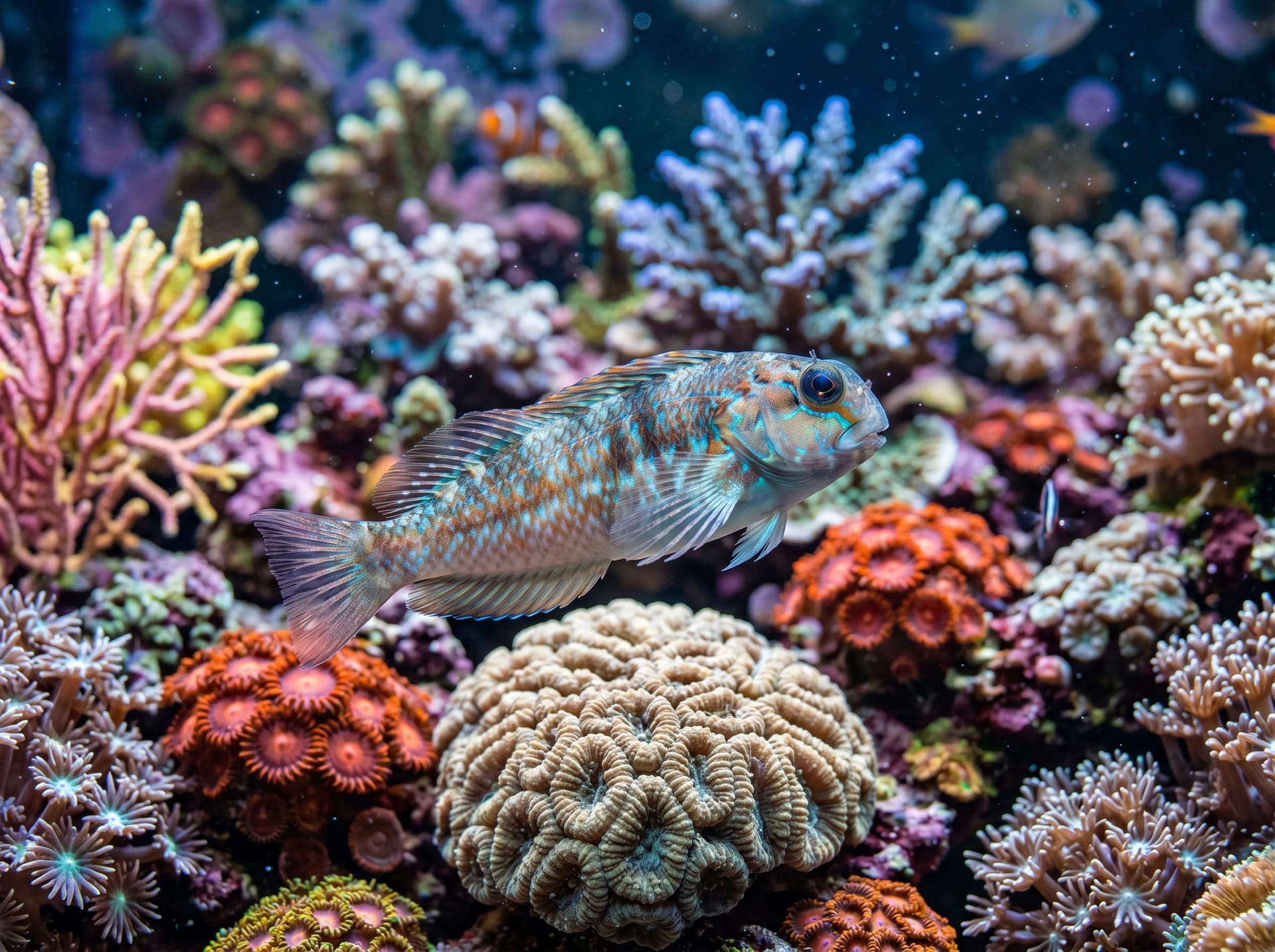
Blenny (Blenny) is a general term for fish belonging to the family Blenniidae within the order Perciformes, inhabiting rocky reef zones in tropical and subtropical regions worldwide. The species popular in aquariums are mainly divided into the following groups.
Combtooth Blenny Group
They have a strong habit of hiding in holes and cracks in rocks, and many species scrape and eat algae.
Fang Blenny Group
Characterized by teeth with venom glands. Beautiful body coloration, but caution is needed when mixing species.
Gobies are also frequently compared as small bottom-dwelling fish similar to blennies. The differences between the two and how to choose between them are detailed in Goby and Blenny Care Guide, so reading and comparing before adding to your tank will make selection easier.
Popular Blenny Species in Aquariums
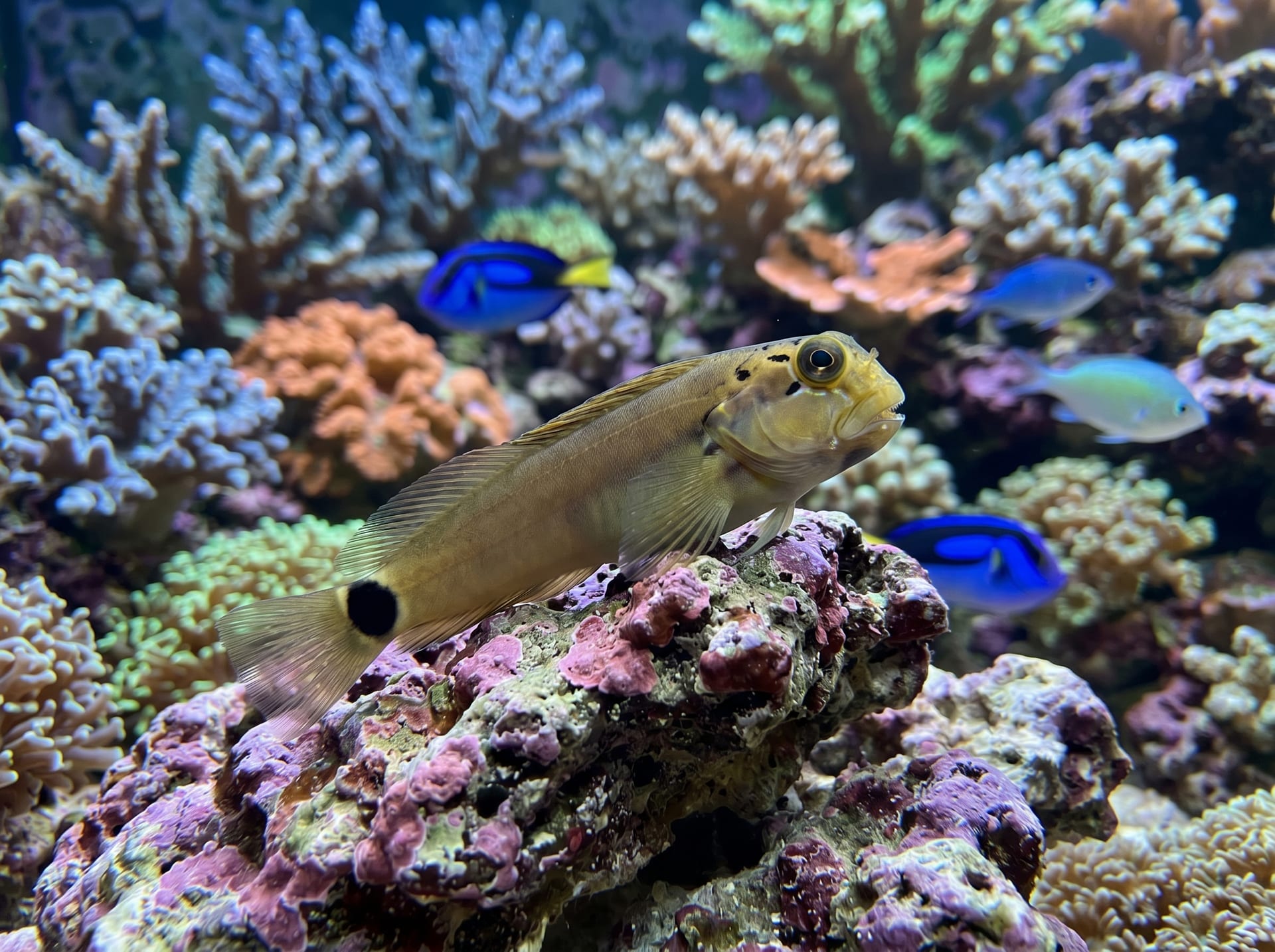
Tailspot Blenny
Scientific Name: Ecsenius stigmatura
Gentle and easy to care for, this standard species is popular with beginners. Overall yellowish-orange with a black spot at the base of the tail fin (tail spot). It readily eats algae and serves well as a tank cleaner.
Ideal Temperature: 24–27°C
Tank Size: 60cm or larger
Bicolor Blenny
Scientific Name: Ecsenius bicolor
✍️
BreederDirect Editorial
The BreederDirect editorial team specializes in care information for animals, covering veterinary care and breeding to deliver beginner-friendly guides.
Find Marine Fish on BreederDirect
Buy directly from verified breeders
Browse Related Listings
Find Marine Fish listings related to this article on BreederDirect. Buy directly from verified breeders.
A popular species with striking two-tone coloring—the front half is blue to purple, and the rear half is orange. They display hiding behavior in rock holes and never get boring to watch. Relatively gentle, but they may attack similarly-looking small fish (like Collins' Dwarf Dottyback).
Ideal Temperature: 24–27°C
Tank Size: 60cm or larger
Canary Blenny
Scientific Name: Meiacanthus oualanensis
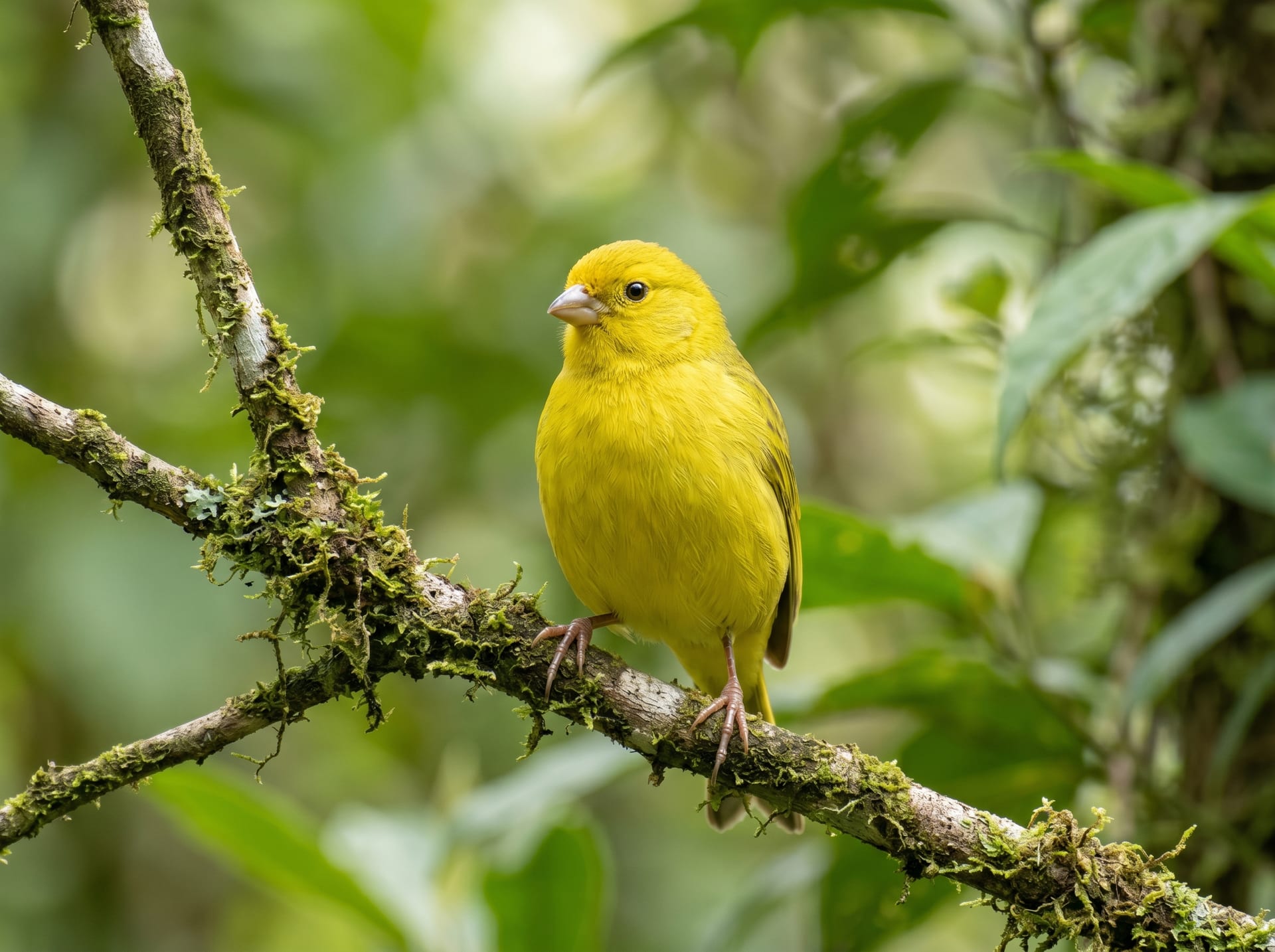
Characterized by beautiful, vibrant solid yellow coloring. A member of the fang blenny group with venom glands in their teeth, but they have a docile temperament and rarely become aggressive. They have strong swimming ability and actively move around on live rock.
Ideal Temperature: 24–27°C
Tank Size: 60cm or larger
Striped Blenny / Blue-Striped Fang Blenny
Scientific Name: Meiacanthus grammistes
A representative fang blenny species with beautiful vertical stripe patterns. Often sold under the name Grammistes. They have venomous teeth, so caution is needed when mixing with the same species or related species.
Sailfin Blenny / Algae Blenny
Scientific Name: Salarias fasciatus
One of the most powerful algae-eating species. It actively eats algae from glass surfaces and live rock surfaces. Extremely useful for combating algae in tanks, but it can become emaciated if algae is insufficient, so supplemental feeding with vegetable-based foods or seaweed is necessary. Regarding role-sharing in algae control, the Goby, Hermit Crab, and Snail Roles | Cleanup Crew and Algae Control is also helpful to reference.
Layouts Suitable for Blennies: The Importance of Rock Arrangement
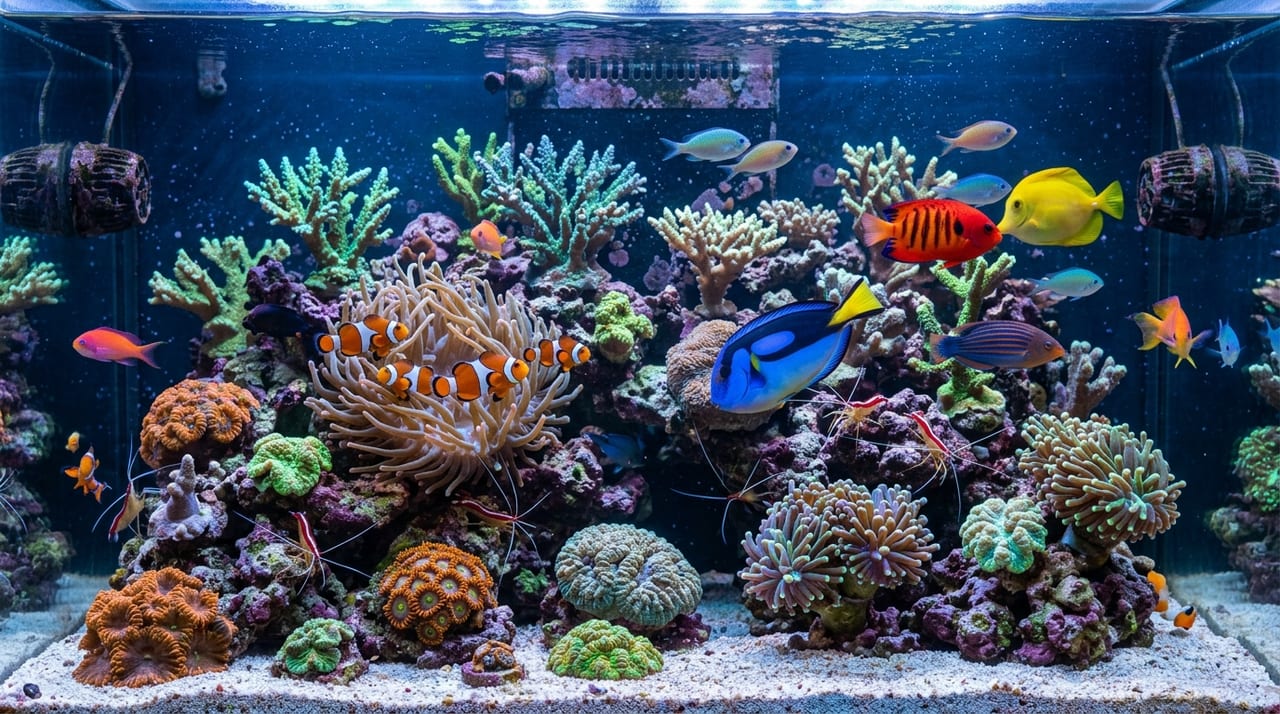
The most important aspect of blenny care is arranging rocks (live rock placement) to match the species' natural habits.
Securing "Holes" and "Climbing Spots"
Blennies prefer holes, cracks, and crevices in rocks. Creating an environment where each fish can have its own "territory" reduces stress and allows natural behaviors to be observed.
When stacking live rock, intentionally create small "horizontal holes" or "arches"
With several 1–2cm small holes, you can observe the fish choosing which hole to use
If holes look artificial, hiding them with small rocks or sand creates a more natural appearance
Tips for Live Rock Placement
Arrange live rock densely from the bottom to mid-level, creating a "rock wall"
Line live rock along the back and sides of the tank, leaving open swimming space at the front
The tops of rocks become flat "basking spots" (blennies often sit on top of rocks)
Substrate Selection
Blennies that burrow in sand (mainly dragon blenny types) need fine sand substrate. Rock-dwelling blennies have fewer sand type restrictions, but fine to medium-grain sand creates a natural appearance.
Understanding and Managing Territorial Behavior
Most blennies have strong territorial instincts, and mixing species requires caution.
Mixing the Same Species or Related Species
Multiple individuals of the same species are basically difficult (especially males)
Even different species with similar appearance (similar body color pattern or size) are likely to become attack targets
Multiple species can coexist in some cases with sufficiently large tanks (120cm or larger) and abundant live rock, though it depends on individual temperament
Mixing with Other Fish
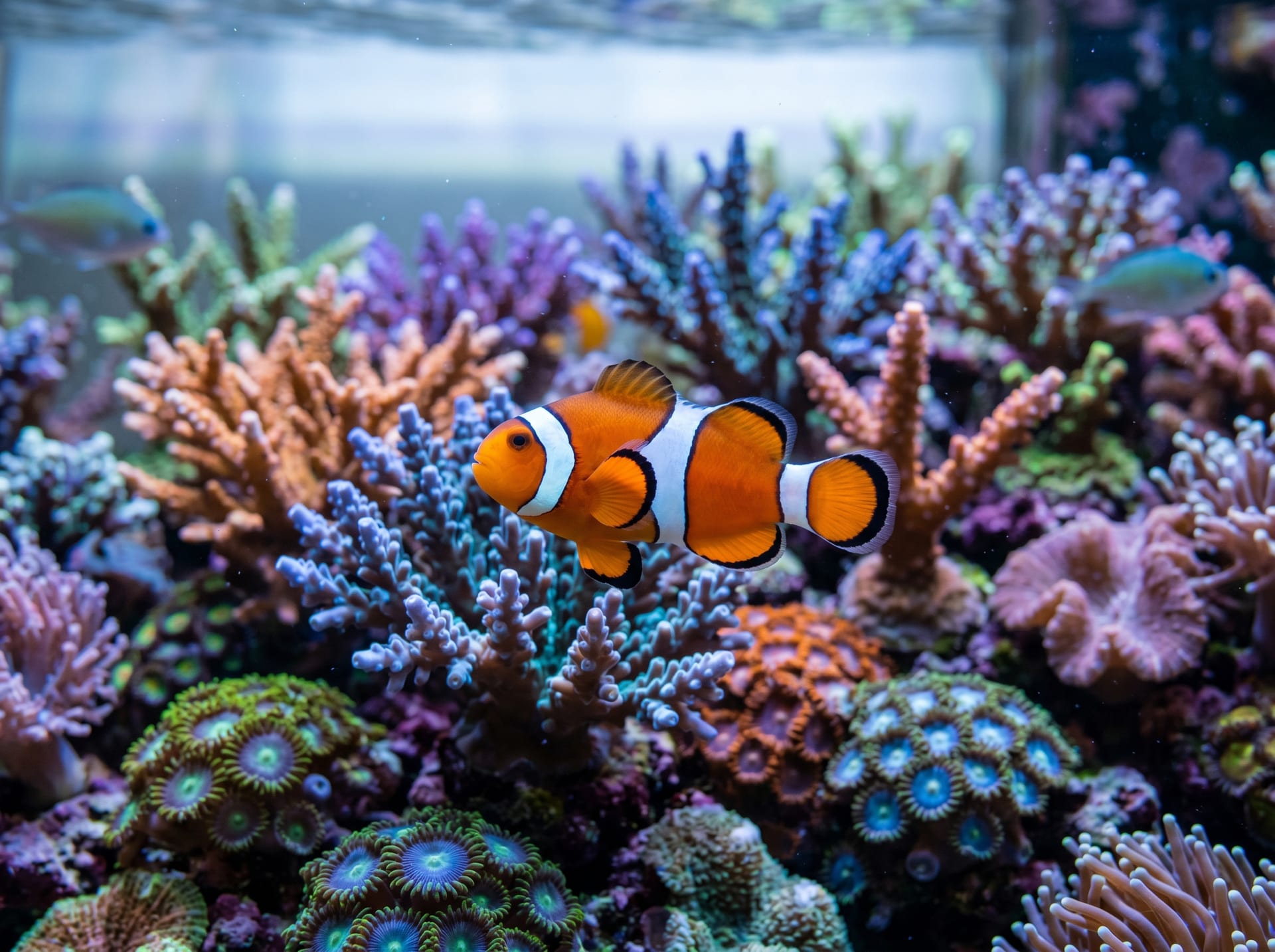
Good compatibility with peaceful mid-sized to large fish (clownfish, gobies, small tangs, etc.)
Competition with small bottom-dwelling fish (dottybacks, certain gobies): Trouble often occurs when territorial ranges overlap
Caution regarding fang blenny venom teeth: Venom teeth are usually used defensively, but there is a non-zero possibility that tankmates could accidentally be bitten
Caution When Adding New Individuals
Adding a new blenny to a tank where one already has an established territory can result in fierce attacks. When adding individuals, the following methods are effective.
Temporarily change the live rock layout to reset the tank
Place the new individual in a large isolation net (or transparent container) in the tank and observe while the resident fish adapts
Feeding Tips
Nutritional Management of Algae-Eating Species
Strong algae-eating species like sailfin blennies may become undernourished from tank algae alone.
Add dried seaweed (products without artificial dyes) to the tank
Supplement with flake foods high in vegetable content or algae-eating specialist pellets
If introduced to a newly established tank with little algae, there is a risk of starvation
Feeding Carnivorous-Tendency Species
Fang blenny types and omnivorous blennies are fed small frozen foods (brine shrimp, daphnia) or pellet foods. Since individual feeding response to artificial food varies considerably, it is common practice to initially acclimate them to frozen foods.
Blennies and Coral Coexistence
Most blenny species do not directly harm corals (reef-safe). However, some blennies have been reported to peck at and eat polyps, so caution is needed if similar behavior is observed near LPS or soft corals in particular.
Finding Blennies on BreederDirect
BreederDirect features healthy blenny species raised by saltwater fish specialists. Unlike long-term store stock, individuals managed in a breeder's tank and accustomed to artificial foods will feed smoothly after bringing home. By confirming "current feeding" and "whether kept alone or with other fish" before purchase, you can select an individual suited to your tank environment. Try realizing an aquarium with blennies poking their heads out from rock arrangements on BreederDirect.