Goby and Blenny Care Guide | The Appeal of Small Saltwater Fish That Bring Color to the Substrate
This guide explains how to care for the popular goby and blenny species in saltwater aquariums. It covers how to enjoy symbiotic gobies, species-specific characteristics, substrate selection, and precautions for mixed-species tanks.
Key Takeaways
This guide explains how to care for the popular goby and blenny species in saltwater aquariums. It covers how to enjoy symbiotic gobies, species-specific characteristics, substrate selection, and precautions for mixed-species tanks.
Related Species
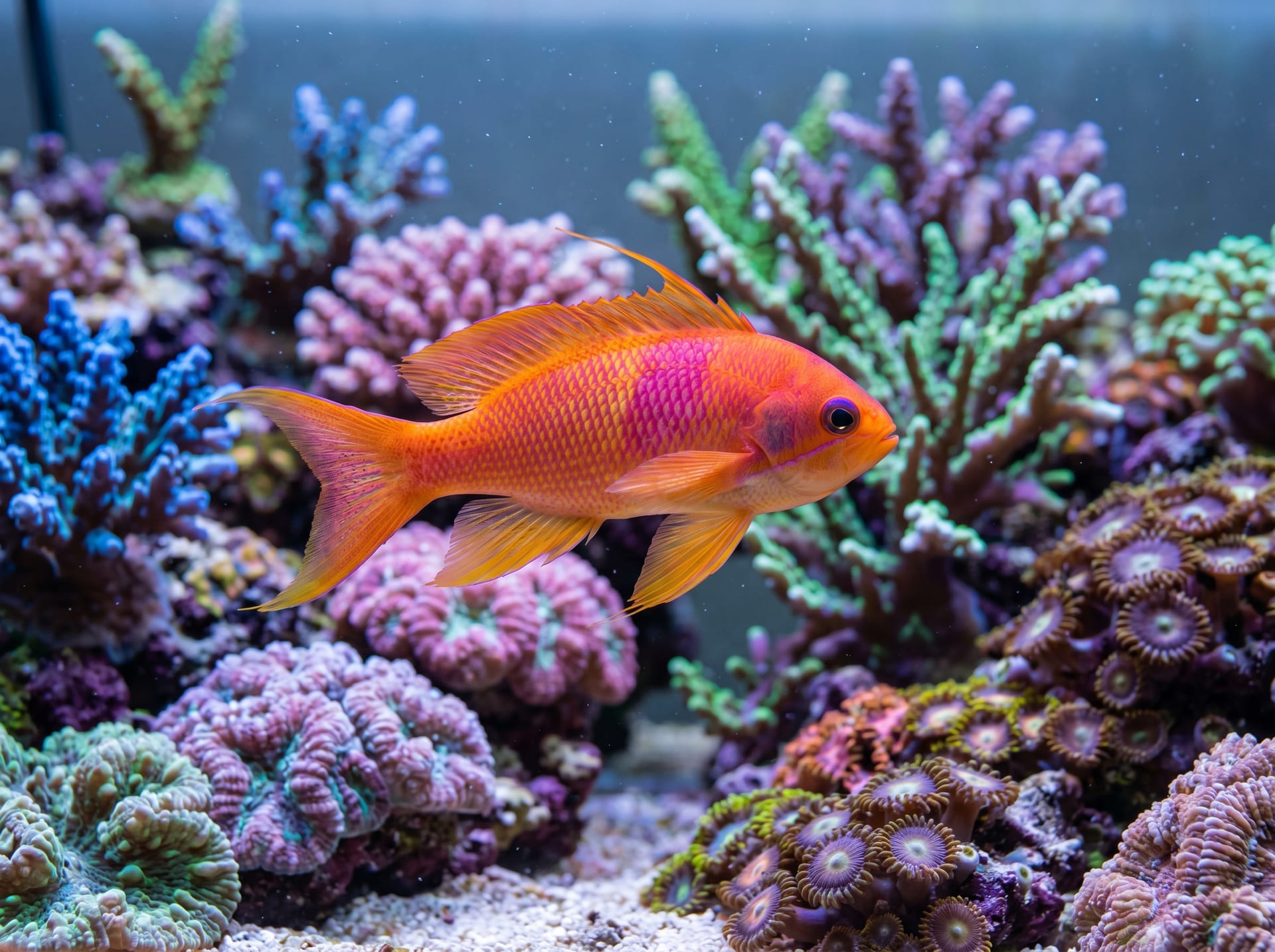
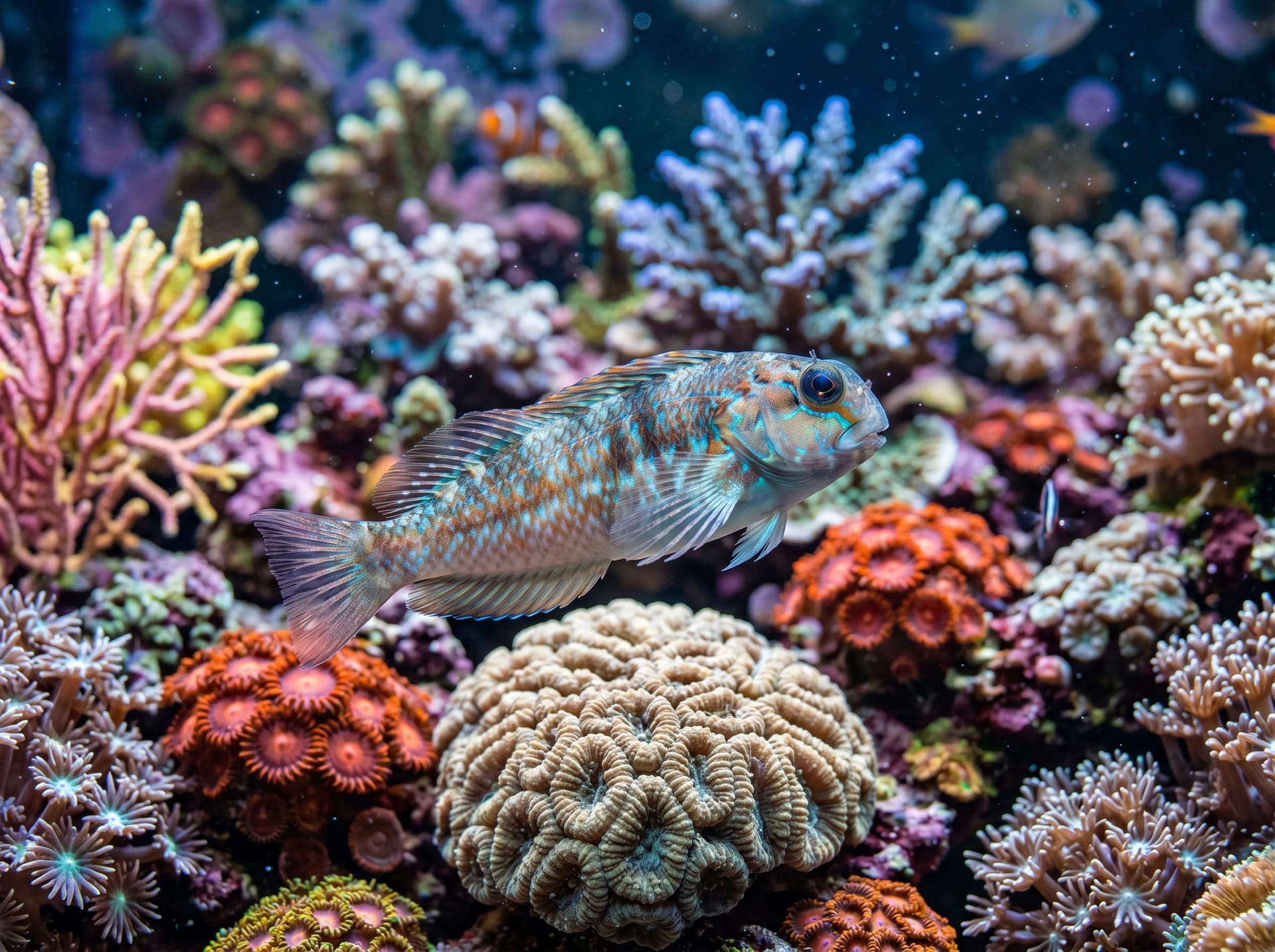
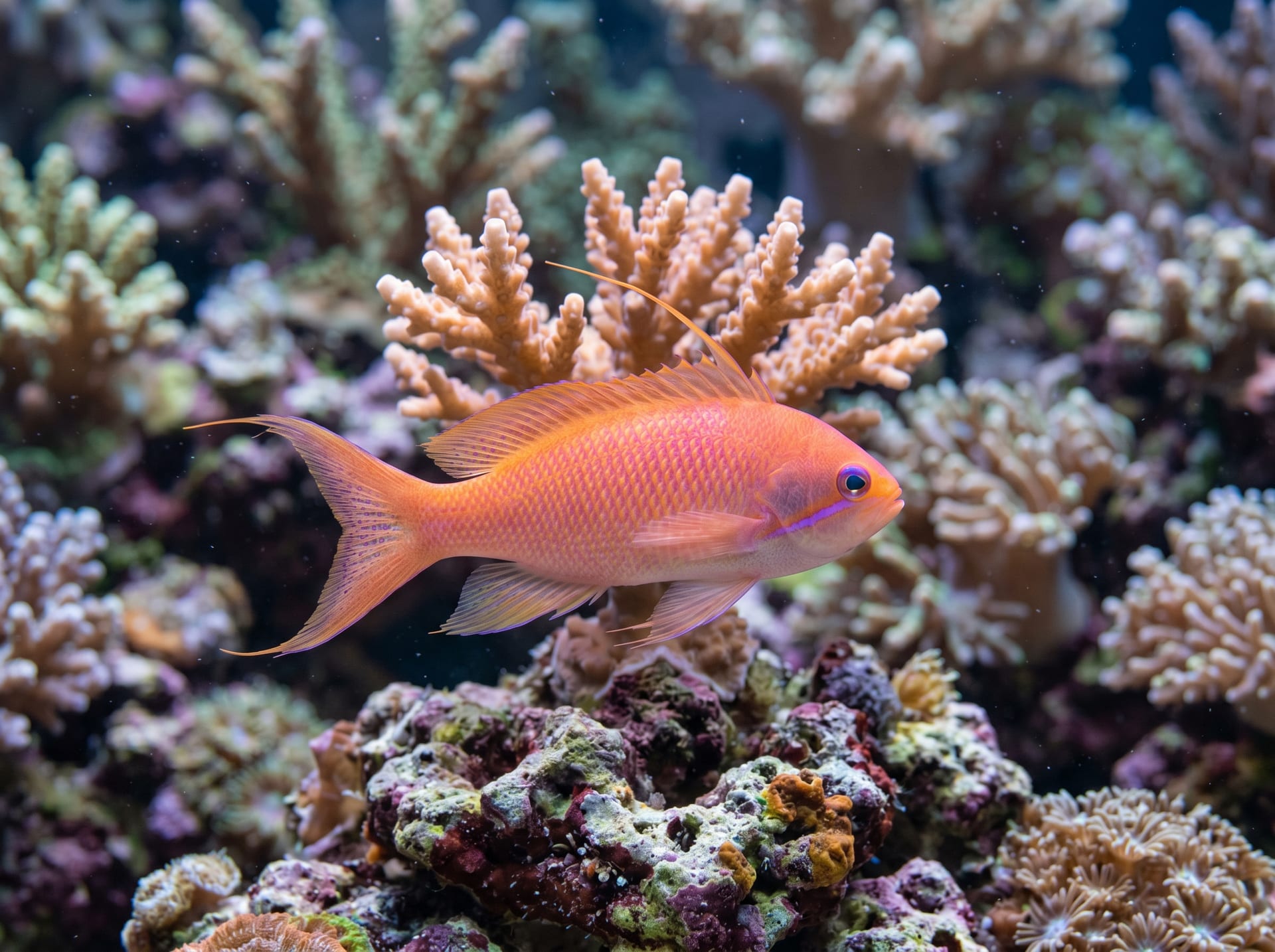
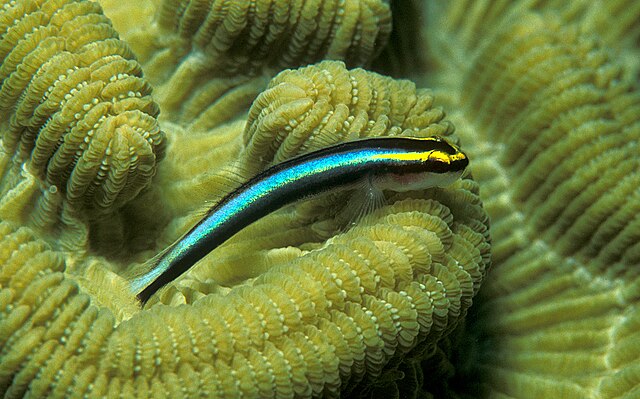
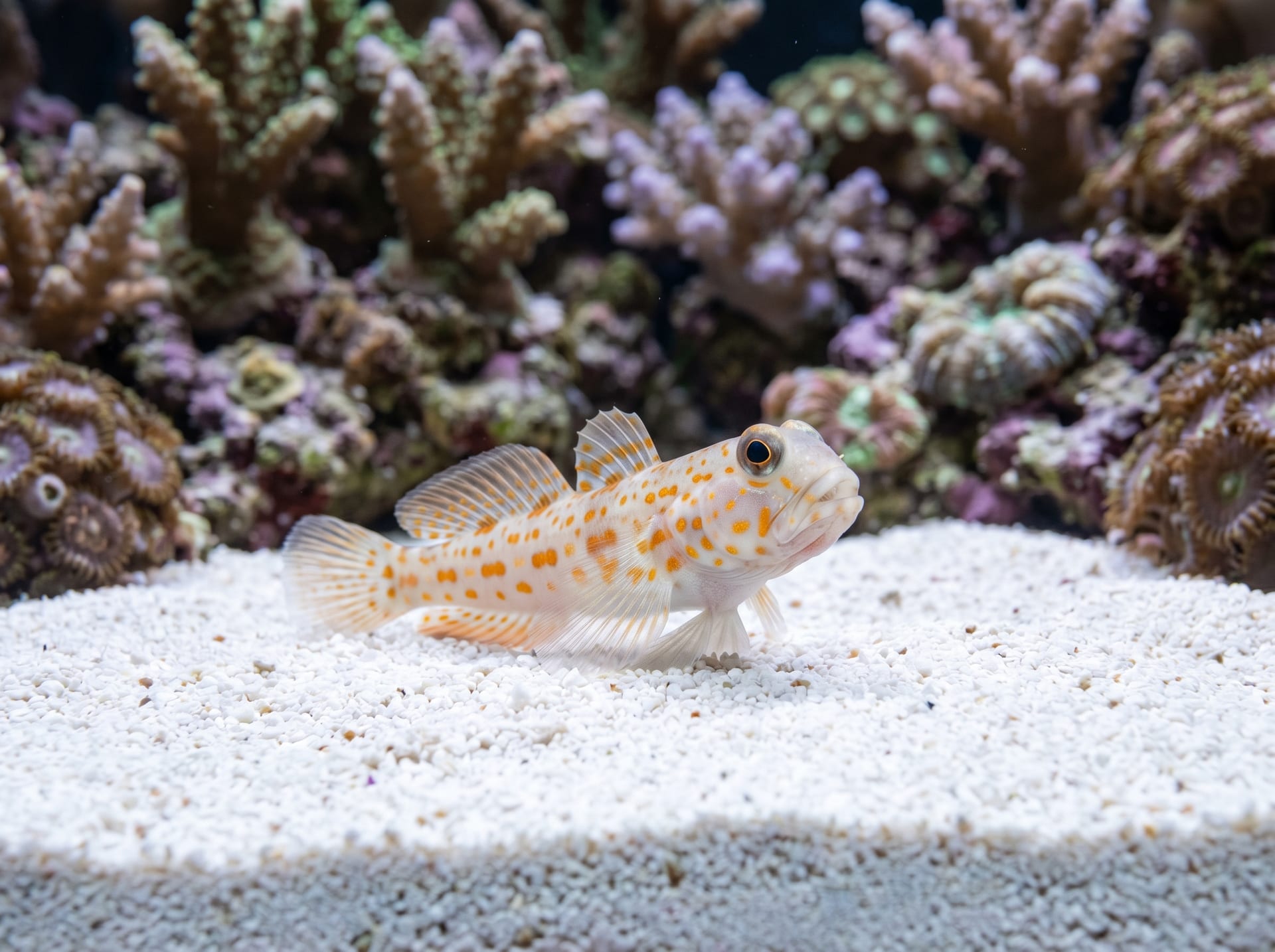
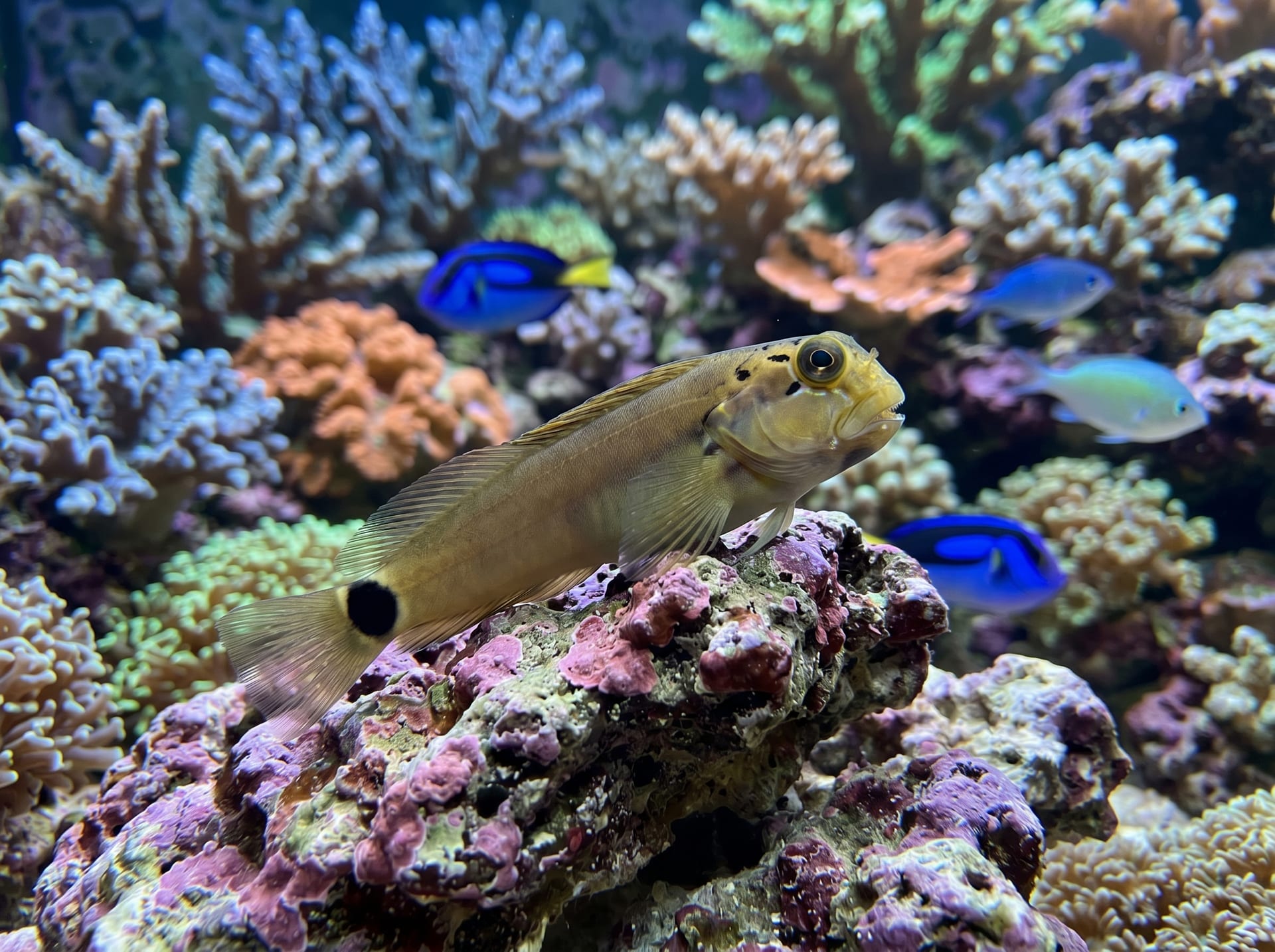
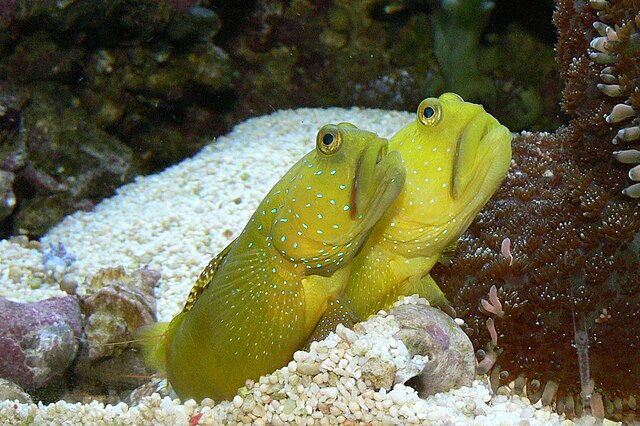
Gobies and blennies are small, charming fish that add color to the bottom layer of saltwater aquariums. They possess practical appeal as well, such as gobies that form symbiotic relationships with pistol shrimp and blennies that feed on algae. This article explains the popular species of gobies and blennies and key points for their care.
Classification and Popular Species of Gobies
Saltwater gobies are extremely diverse, with dozens of species available as pets. They can be broadly classified into three types: "sand-dwelling gobies," "rock-dwelling gobies," and "symbiotic gobies."
| Classification | Representative Species | Characteristics |
|---|---|---|
| Sand-dwelling gobies | Yellowhead jawfish (Valenciennea puellaris) | Through "sand-sifting" behavior—taking sand into their mouths and expelling it through their gills—they keep the substrate clean and aerated. However, in tanks with thin substrate, the base of corals may become exposed, so care is needed. |
| Rock-dwelling gobies | Neon goby (Elacatinus oceanops) | They act as cleaners by eating parasites from the bodies of other fish. Their small size and beautiful blue lines are appealing. |
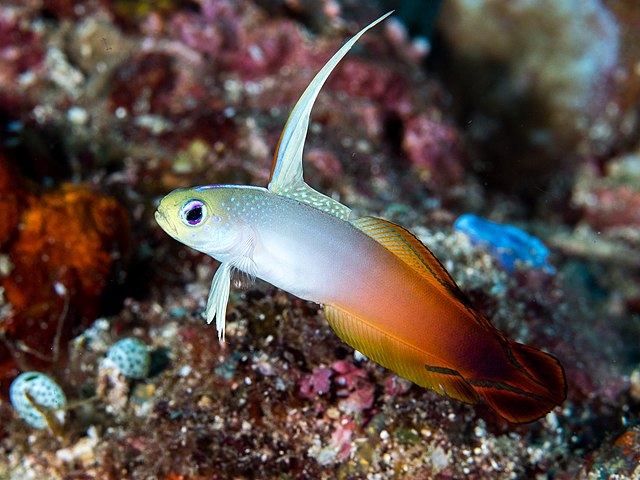
The firefish (Nemateleotris magnifica) is technically not in the goby family but rather the flameback family; however, it is a popular standard species due to its goby-like behavior.
Symbiotic Gobies with Pistol Shrimp
Symbiotic gobies are species that form symbiotic relationships with pistol shrimp. Recreating this symbiosis in a saltwater aquarium is a particularly rewarding experience. The shrimp digs and maintains a burrow, while the goby, with better vision, acts as a lookout for the shrimp with weaker vision—a true mutualism. Popular symbiotic gobies include the following species.
- Spotted shrimp goby (Cryptocentrus cinctus)
- Yasha shrimp goby (Stonogobiops yasha)
- Spotted-fin shrimp goby (Stonogobiops nematodes)
To establish symbiosis, follow these key points.
- Introduce the goby and shrimp as a pair
- Provide fine sand substrate at least 8 cm deep
- Ensure open space near live rock for burrowing
- Arrange live rock so that sand doesn't collapse underneath
It can take several days to a week for the pair to establish their symbiosis, but once established, you can observe the shrimp diligently digging the burrow and the goby standing guard at the entrance every day.
Characteristics and Popular Species of Blennies
Blennies are characterized by their stocky builds and endearing faces, and fans are captivated by the sight of them perched on rocks.
- Lawnmower blenny (Salarias fasciatus) is the most popular blenny and an excellent algae-eating fish that consumes algae (microalgae) attached to the tank glass and live rock. A single fish can significantly reduce algae in a 60 cm tank, but there is a risk of starvation once the algae is depleted; supplement with seaweed-based foods or algae-based pellets containing spirulina.
- Tail-spot blenny (Ecsenius stigmatura) is a small, docile species ideal for coral tanks.
- Bicolor blenny (Ecsenius bicolor) is appealing for its striking coloration—blue-purple in the front half and orange in the rear.
Blennies nest in holes and crevices in rocks, so arrange live rock with appropriately sized holes.
Substrate Selection and Tank Environment
Substrate selection is particularly important when caring for gobies and blennies.
| Target | Guidelines and Considerations |
|---|---|
| Sand-sifting gobies | Coral sand with a grain size of 0.5–2 mm is optimal, with a depth of 5–8 cm. Sand that is too fine risks clogging their gills, while sand that is too coarse cannot be taken into their mouths and won't function properly. |
| Symbiotic gobies | Substrate for symbiotic gobies should be even deeper, with a depth of 8–10 cm being ideal for burrow digging. |
| Blennies | For blennies, live rock arrangement is more important than substrate, and they prefer complex structures with multiple holes and crevices. |
Small species can be kept in 30 cm tanks, but sand-sifting gobies are easier to manage in tanks with greater floor area. Aim for gentle water flow that doesn't stir up the substrate.
Precautions for Mixed-Species Tanks and Aggression Prevention
While gobies and blennies are generally docile, territorial disputes can occur between individuals of the same or closely related species.
- Males of the same species will fight fiercely, so the standard is to keep one individual or a pair (male and female) per species.
- Since bottom-dwelling gobies share overlapping living spaces, keep them to 1–2 individuals in tanks 60 cm or smaller.
- The same applies to blennies; lawnmower blennies in particular have strong territorial instincts, so one per tank is the rule.
- They often coexist without issue with fish that swim in upper water levels (such as anthias, dottybacks, and clownfish) since they occupy different living spaces.
- Avoid housing them with large predatory species such as wrasses and triggerfishes that feed on small bottom-dwelling fish.
- Gobies may jump out when startled, so a tank cover is essential.
Complete Care Guide for Gobies and Blennies
Gobies and blennies are extremely popular groups in saltwater aquarium keeping. They are characterized by their small size, ease of care, and the unique behaviors many species exhibit.
Popular Gobies
- Firefish (Nemateleotris magnifica) is a popular species with beautiful flame-red dorsal fins. When kept as a pair, they share a burrow harmoniously, which is heartwarming to observe. They are shy and will hide in rock crevices when startled. Be careful to cover the tank, as they may jump out.
- Yasha shrimp goby (Stonogobiops yasha) is famous for its symbiotic relationship with shrimp (pistol shrimp). The symbiosis—where the shrimp digs the burrow and the goby stands guard—can be observed in the tank and is one of the great pleasures of aquarium keeping. Provide at least 3–5 cm of coral sand substrate.
- Zebra goby (Ptereleotris zebra) is a beautiful small goby that swims in schools. When kept in groups of 5–10, they add dynamic movement and visual interest to the tank. They are peaceful and well-suited to mixed-species tanks.
Popular Blennies
- Tail-spot blenny (Ecsenius stigmatura) is popular for its small size (around 5 cm) and endearing expression. The sight of its face peering out from live rock holes is adorable and photogenic. It also serves as an algae-eating cleaner.
- Star Cleaner blenny (Salarias fasciatus) is an effective cleaner that aggressively consumes brown diatom algae. However, it may become malnourished if algae is insufficient, so train it to accept prepared foods (spirulina-containing flakes).
Common Precautions for Gobies and Blennies
Gobies and blennies commonly show strong aggression toward members of the same species, so limit each species to one individual or one pair. Additionally, since many are bottom-dwellers, maintaining clean substrate is important for their health.
Welcome Gobies and Blennies with BreederDirect
Gobies and blennies are supporting characters that add movement and personality to the bottom layer of saltwater tanks. With BreederDirect, you can purchase healthy individuals directly from breeders, and you can also find pair sales of symbiotic gobies and pistol shrimp, as well as information on feeding habits for algae-eating blennies. Be sure to welcome these small but impressively present gobies and blennies to your tank.