Cobalt Damselfish Care Guide | How to Keep Beginner-Friendly Saltwater Fish, Tank Mates, and Tank Management
A guide explaining how to care for Cobalt Damselfish. Covering tank equipment, water quality management, feeding, tank mate compatibility, and white spot disease prevention—a comprehensive guide summarizing the key points for long-term care of beginner-friendly saltwater fish.
Key Takeaways
A guide explaining how to care for Cobalt Damselfish. Covering tank equipment, water quality management, feeding, tank mate compatibility, and white spot disease prevention—a comprehensive guide summarizing the key points for long-term care of beginner-friendly saltwater fish.
Related Species
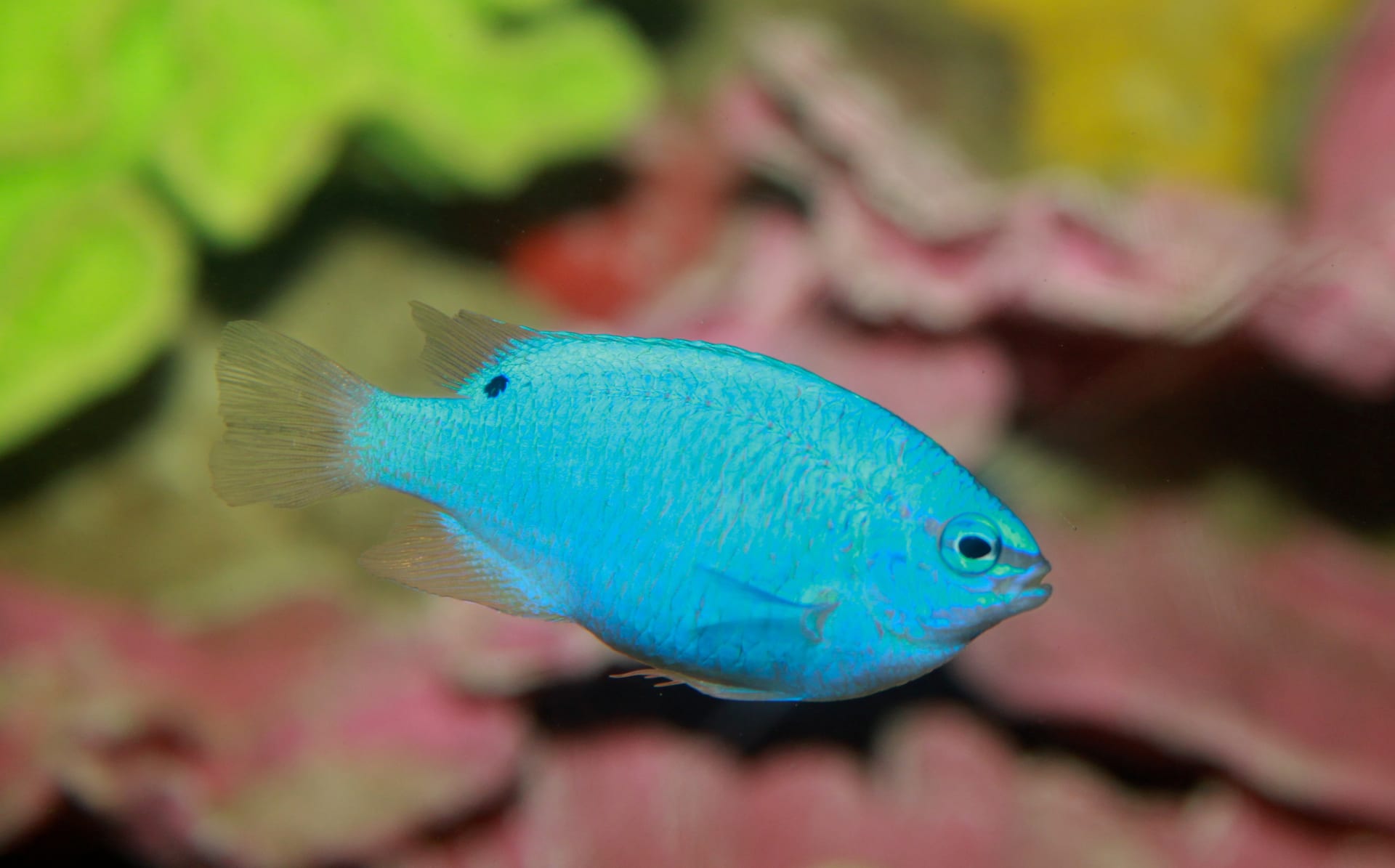
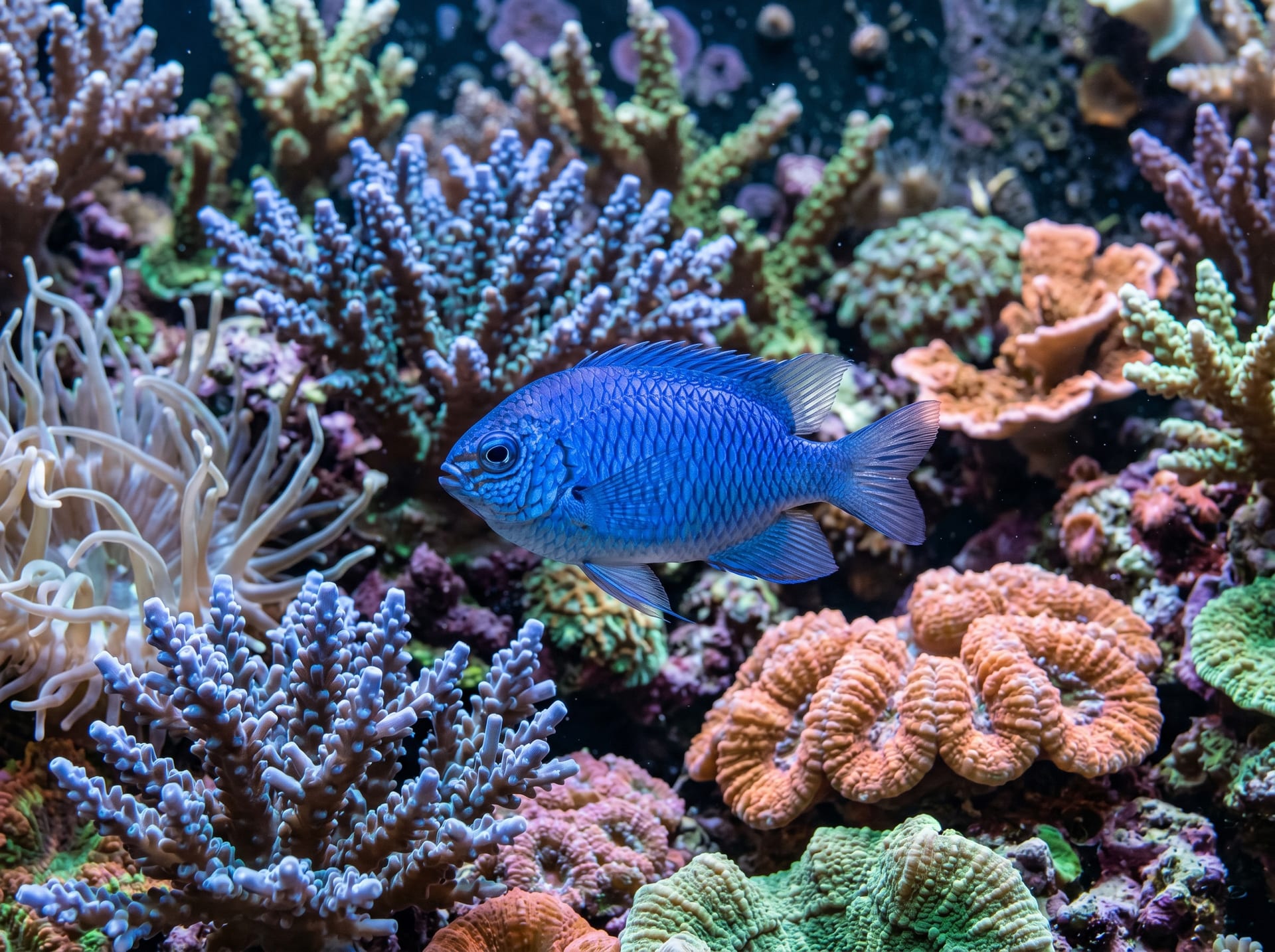
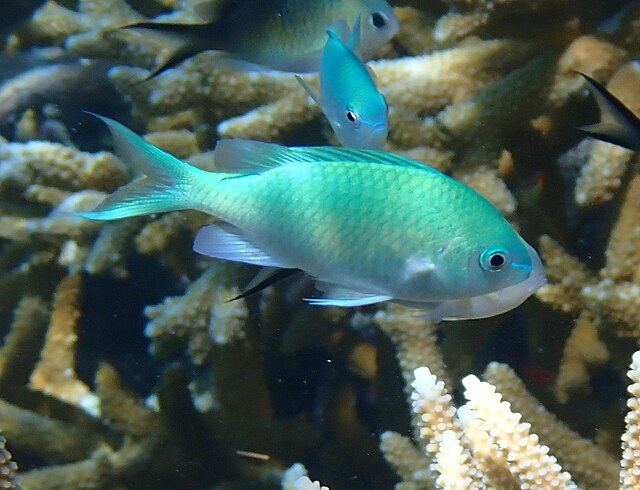
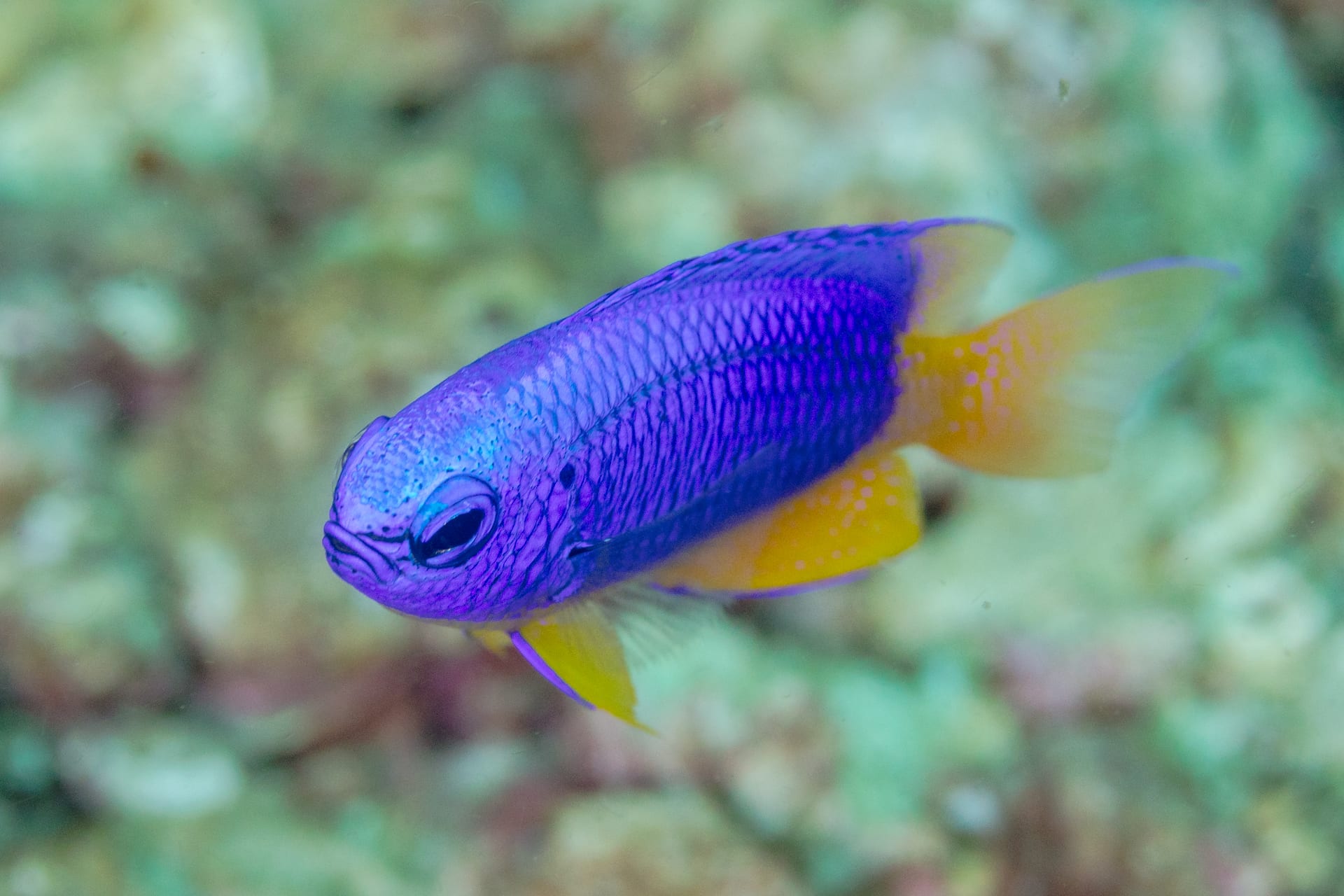
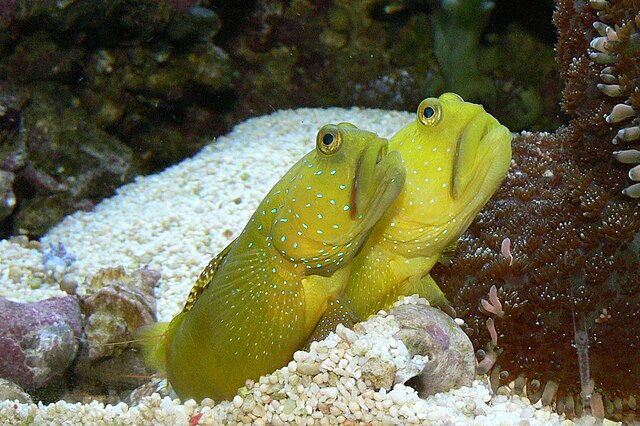
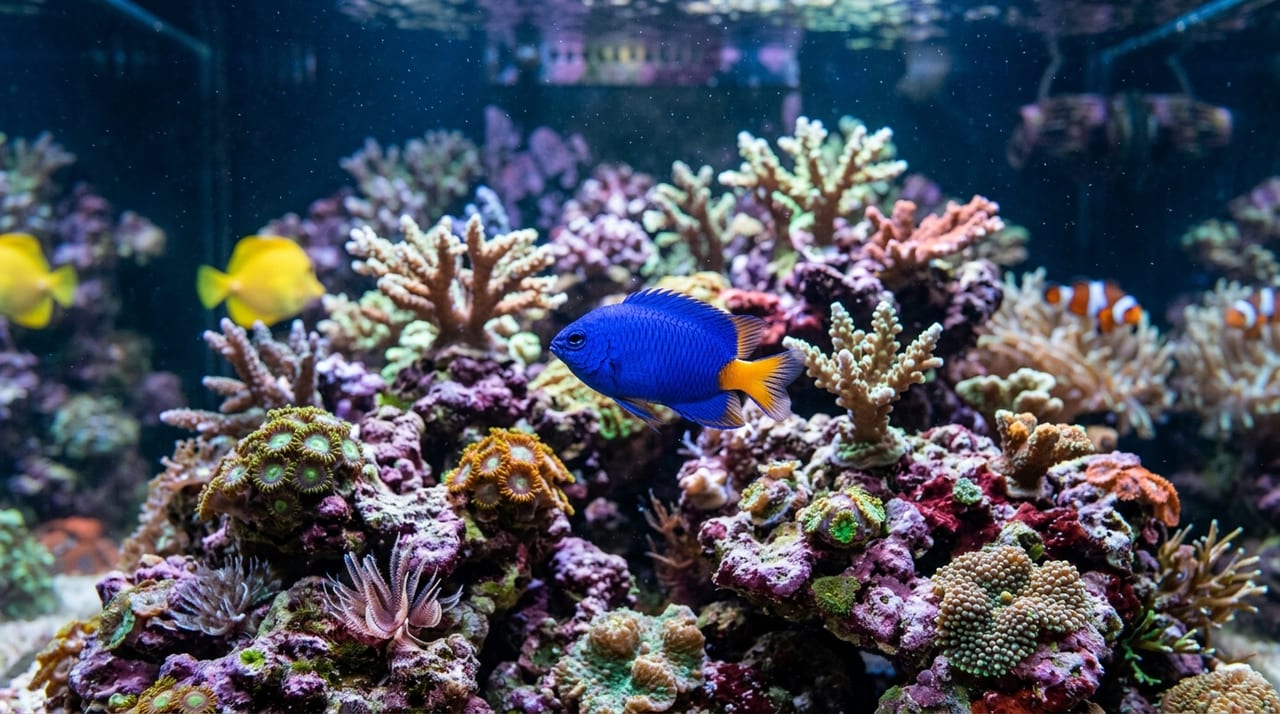
Cobalt Damselfish (scientific name: Chrysiptera cyanea) is a saltwater fish known for its vibrant cobalt blue coloration and hardy nature, making it a popular species among marine aquarium beginners and advanced enthusiasts alike. A member of the damselfish family inhabiting tropical coral reefs in the Indian and Pacific Oceans, this species has a maximum body length of only 7-8 cm and is relatively easy to keep in smaller tanks, making it one of the best choices for those keeping saltwater fish for the first time. It also has relatively good disease resistance, stable pricing, and is a beloved species for beginners to marine aquarium keeping worldwide.
Characteristics and Appeal of Cobalt Damselfish
The greatest appeal of Cobalt Damselfish is its deep blue coloration. With its entire body shimmering in cobalt blue, and the edge of the male's tail fin tinged with yellow to orange, it is relatively easy to distinguish between males and females. The body shape is characteristically elongated-oval with a slight roundness common to damselfish family members, and its movement is active. In their natural habitat, they establish territories in rocky crevices and actively chase away intruders—a behavior reflecting their survival strategy in the wild. Despite their small size, they have a commanding presence, and keeping multiple individuals simultaneously adds movement and color to the tank.
When purchasing, it is important to select individuals that are brightly colored and in good condition. The following types of individuals should be avoided:
- Those with extremely sunken abdomens
- Those with missing fins
- Individuals with white spots or wounds on the body surface
Cobalt Damselfish are available both as wild-caught individuals (WC) and captive-bred individuals (CB). However, CB individuals tend to adapt to environmental changes more quickly and have a lower mortality risk during the initial stages of keeping, so prioritizing CB individuals when possible is advisable.
Required Tank and Equipment
For keeping only 1-2 Cobalt Damselfish, you can start with a 45 cm standard tank (approximately 60 liters). However, if you plan to add more tank mates or wish to keep multiple individuals, providing a 60 cm or larger tank will reduce territorial disputes and contribute to long-term stability.
Basic equipment needed for saltwater fish keeping includes the following:
- Filter (external filter or overflow system)
- Protein skimmer (essential, especially if considering keeping corals)
- Heater and thermostat for temperature control
- Hydrometer or refractometer
- Adequate amount of live rock
Live rock not only promotes biological filtration but also plays an important role in providing rocky crevices that Cobalt Damselfish use as territories.
Target water parameters are as follows:
| Item | Target |
|---|---|
| Temperature | 25-27°C |
| Specific gravity | 1.020-1.025 |
| pH | 8.1-8.4 |
| Ammonia and nitrite | Undetectable (zero) |
| Nitrate | Ideally below 50 mg/L |
While Cobalt Damselfish are relatively tolerant of water quality fluctuations among saltwater fish, they are sensitive to sudden changes. Continuing regular water changes (once a week to every two weeks, approximately 10-20% of total tank volume) is fundamental to long-term care. Additionally, use high-quality commercial artificial sea salt, and treat tap water with an RO water filter or commercial dechlorinator for saltwater fish before use.
Feeding and Nutritional Management
Cobalt Damselfish are omnivorous and feed primarily on algae (particularly filamentous algae) and zooplankton in their natural habitat. In the aquarium, they readily consume various types of commercial artificial feeds, so feeding is rarely problematic. Recommended feeds include marine fish pellet or flake artificial feed as the staple diet, supplemented with frozen brine shrimp or frozen copepods as treats 2-3 times per week to ensure balanced nutrition and maintain vibrant body coloration.
Feed twice daily, with each feeding consisting of an amount the fish can consume in 2-3 minutes. Uneaten food causes water quality deterioration, so it should be removed promptly using a dropper or small siphon. Particularly after introduction, fish may not eat due to stress from environmental changes—observe for a few days without rushing. When using frozen feeds, always thaw and rinse them before feeding to prevent defrosting liquid from entering the tank and degrading water quality.
Precautions for Tank Mates and Compatible Species
Despite their small size, Cobalt Damselfish have strong territorial instincts and may become aggressive toward same-species individuals or fish with similar body shape and coloration. Suitable tank mates include:
- Goby species that establish in the substrate (Jawfish, Watchman Goby, etc.)
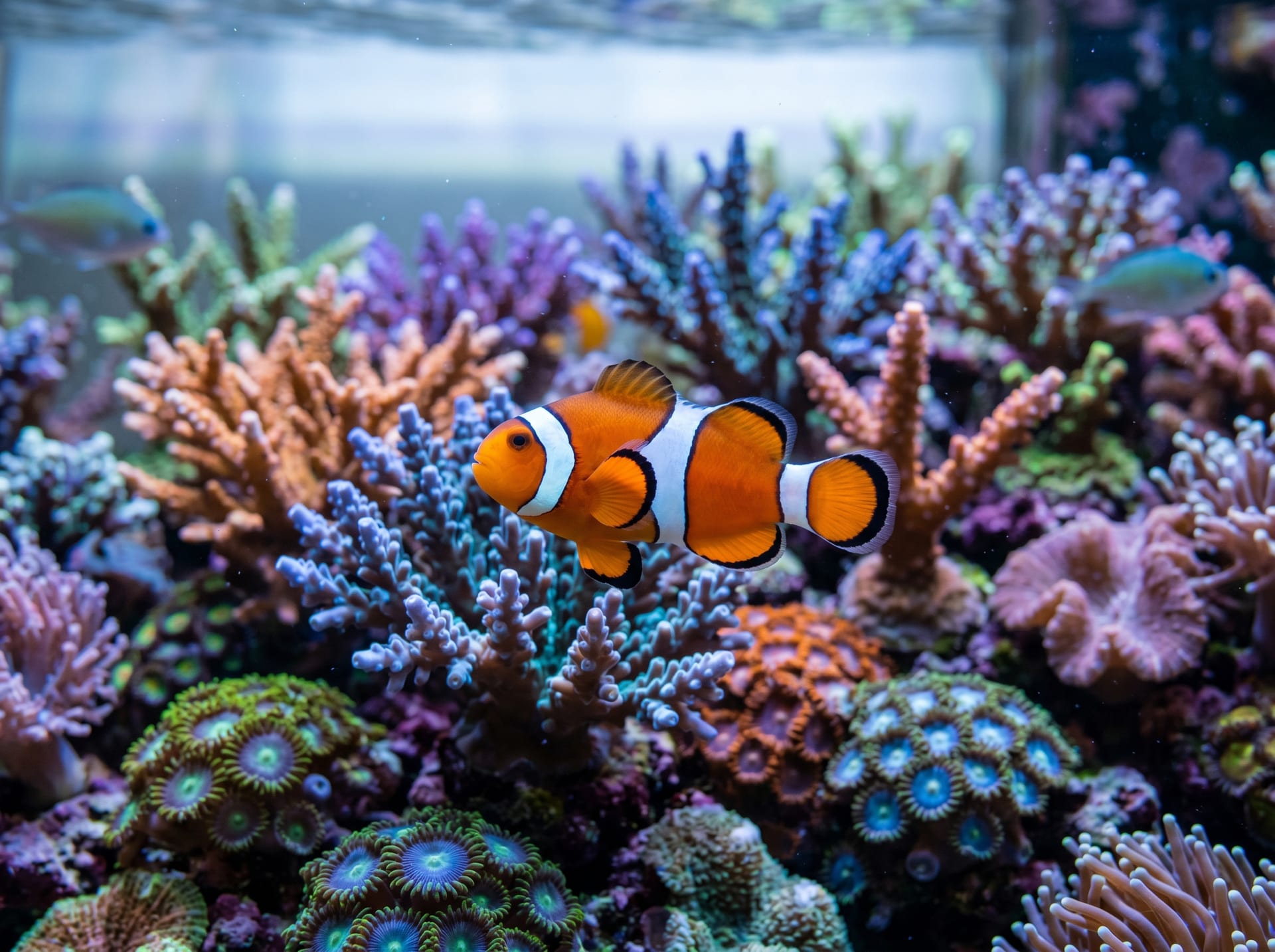
- Gentle Ocellaris Clownfish
- Sergeant Major Damselfish that form large schools (simultaneous introduction is recommended)
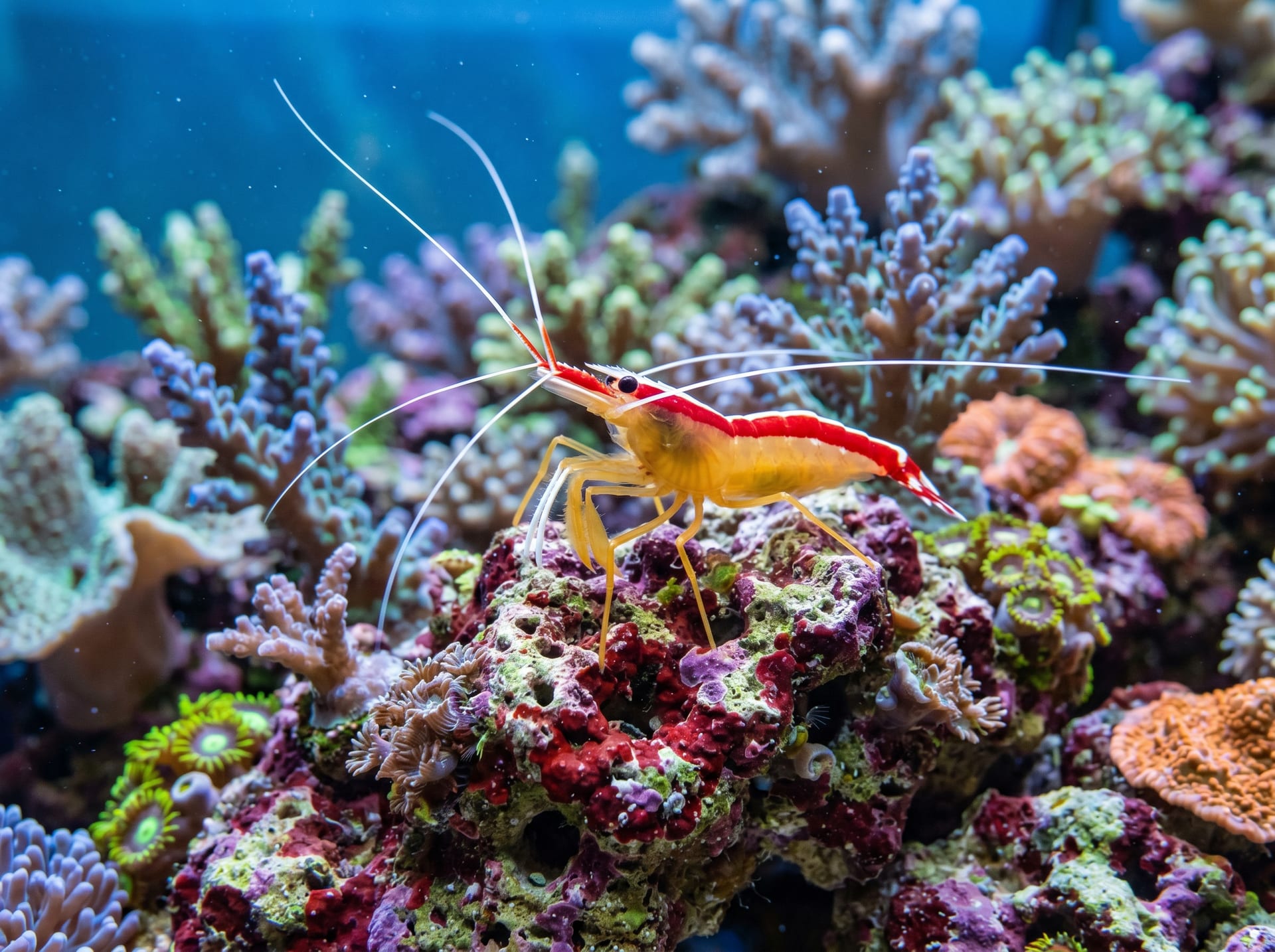
- Gentle shrimp species (Cleaner Shrimp, etc.)
On the other hand, caution is necessary when mixing multiple males of the same species or similar-colored damselfish such as Sapphire Damselfish and Sky Blue Damselfish, as aggression tends to intensify. Regarding compatibility with coral tanks, Cobalt Damselfish are generally considered to have little negative impact on soft corals and LPS corals, placing them among the better choices for reef tanks.
Common Diseases and Prevention/Treatment
The most important diseases to watch for in saltwater fish keeping are white spot disease (cryptocaryon infection) and velvet disease (amyloodinium infection). The symptoms of each are as follows:
| Disease | Symptoms |
|---|---|
| White spot disease (cryptocaryon infection) | Numerous white powder-like spots appear on the body surface |
| Velvet disease (amyloodinium infection) | Fine golden to dark-colored deposits and fish rubbing against rocks |
While Cobalt Damselfish tend to show somewhat greater resistance to white spot disease compared to other saltwater fish, they become more susceptible when stressed during introduction or in degraded water quality. The principle is to use a quarantine/treatment tank separate from the main tank for treatment. When corals or invertebrates are cohabiting in the main tank, copper-based medications cannot be used, so affected fish must always be isolated before treatment. Quarantining and observing newly introduced fish in a quarantine tank for a minimum of 2-4 weeks before transferring them to the main tank is the most effective preventive measure.
Summary of Key Points for Long-Term Care
The lifespan of Cobalt Damselfish is said to be 3-5 years or more under appropriate conditions. The following are essential for successful long-term care:
- Continuous maintenance of stable water quality
- Balanced feeding
- Avoidance of overstocking
- Regular water changes and equipment maintenance
When adding fish to an established tank community, reorganizing the existing live rock arrangement before introduction often reduces territorial disputes. Cobalt Damselfish are reasonably priced and readily available; their vibrant blue coloration and active movements add character to the aquarium. Whether as the first fish when starting a marine aquarium or as an accent species for experienced hobbyists, they remain a classic species beloved by enthusiasts worldwide for many years.