Papua New Guinea Rare Saltwater Fish Care Guide | Endemic Species Characteristics and Tank Management Tips
Explains the ecology and care methods for rare saltwater fish endemic to Papua New Guinea (such as Papuan Butterfly Fish and Cherub Pygmy Angel). Also introduces how to obtain stock information and tips for feeding.
Key Takeaways
Explains the ecology and care methods for rare saltwater fish endemic to Papua New Guinea (such as Papuan Butterfly Fish and Cherub Pygmy Angel). Also introduces how to obtain stock information and tips for feeding.
Related Species
Why Papua New Guinea Saltwater Fish Are Gaining Attention
Papua New Guinea (PNG) and its surrounding waters are located at the center of the Coral Triangle, which boasts world-class coral reef diversity. This region has geological and historical isolation from the Eastern Indian Ocean and other Pacific areas, resulting in a notably high proportion of endemic and semi-endemic species. In recent years, even among Japanese saltwater fish enthusiasts, there has been increased attention to specimens labeled with origin regions such as "PNG-origin," "Solomon-origin," and "West Papua-origin."
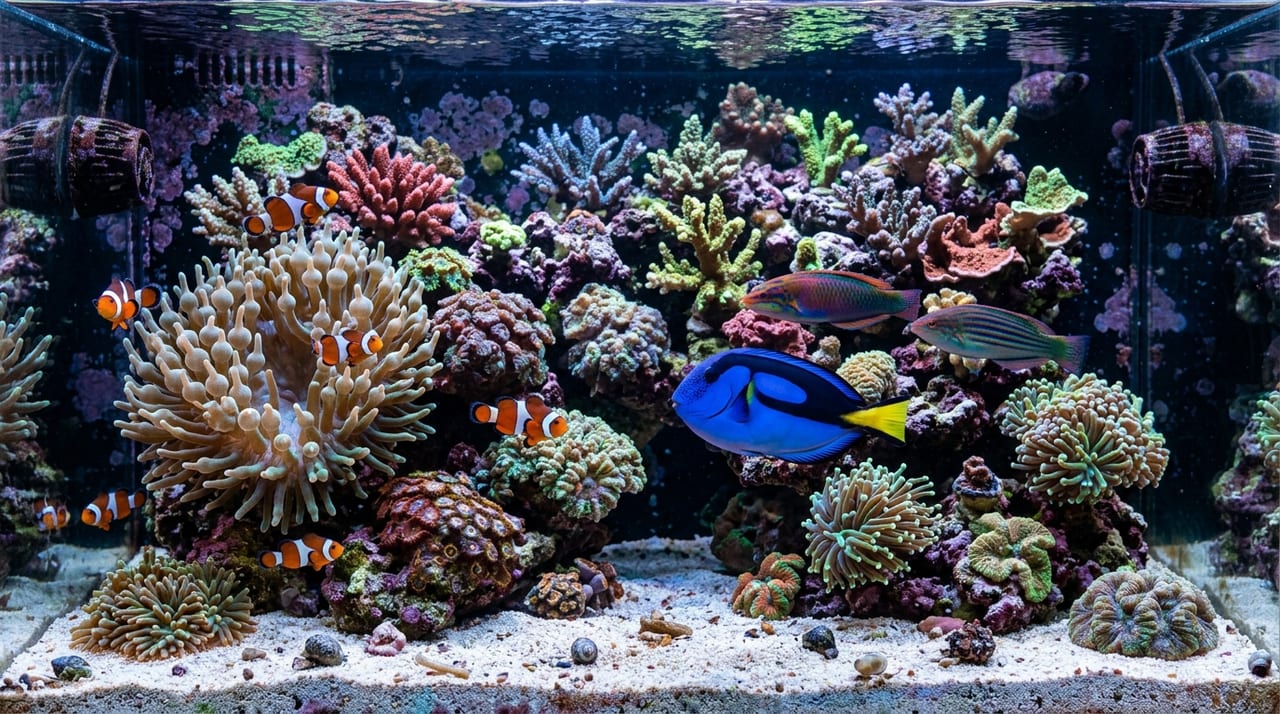
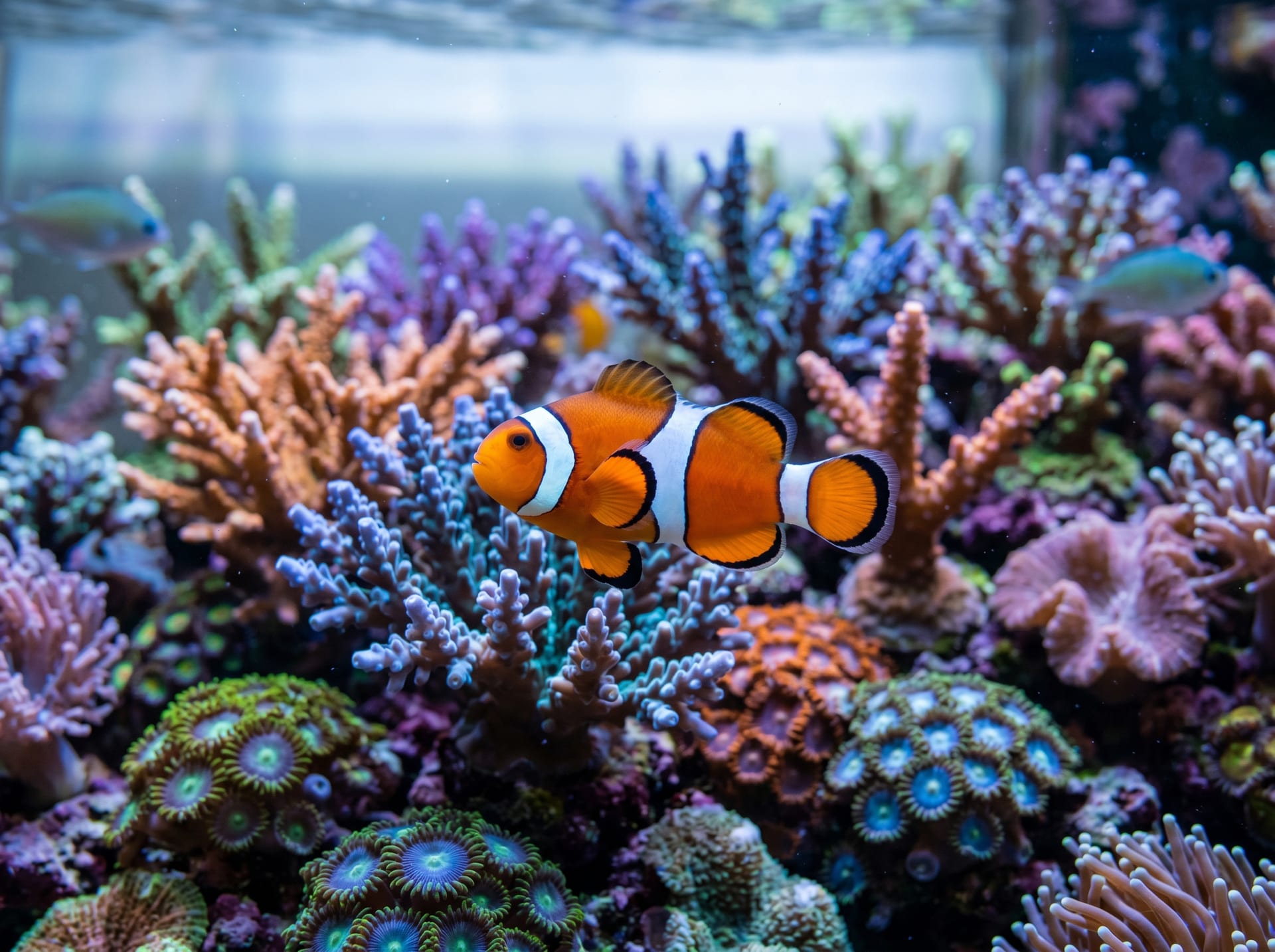
One reason is the unique coloration. Even among damselfish species, exemplified by Ocellaris Clownfish, PNG-origin specimens often display stronger body color contrast, and their breeding colors manifest differently compared to other origins. The appeal also lies in the sporadic import of species not normally available from other sources, such as Collins' Dottyback (Pseudochromis collinsi) and Papua Ruby-head Fairy Wrasse (Cirrhilabrus rubriventralis relatives).
However, rarity directly impacts price. The limited supply increases the risk of receiving specimens in poor condition. Selecting a sourcing route where you can verify origin, collector, and transport duration before purchase is the first essential step.
Representative Endemic and Rare Species and Their Basic Characteristics
Paperback Angelfish (Chaetodontoplus meredithi)
A medium-sized member of the Pomacanthidae family that reaches about 20 cm in length. It features vibrant yellow and black two-tone coloring and is considered endemic to PNG through northern Australia. Adult fish have strong territorial instincts, requiring ample space for community tanks. Feeding adaptation varies by individual, requiring a gradual transition from frozen brine shrimp to artificial pellets.
Papua Dartfish
Dartfish in the genera Eviota and Fishelson of the goby family include many PNG-endemic species. Despite their small maximum size of 3-4 cm, they require ample shelter during group housing as they establish territories among rocks. They are also suitable for specialized care in nano reef tanks (40-60L).
Rolland's Damselfish (Amblyglyphidodon rolandi)
A damselfish endemic to West Papua through PNG, with adults displaying a beautiful gradient from yellow-green to white. Supply is limited compared to sergeant major damselfish, and specimens with origin certification are rare. Relatively hardy, but become aggressively territorial during breeding season.
Rhomboid Fairy Wrasse (Cirrhilabrus rhomboidalis)
A wrasse species characterized by lavender-tinted coloration. Males and females display different colors, with males showing distinct breeding colors. Small wrasses are sensitive to transport stress; immediately upon arrival, live food should be offered to stimulate appetite.
Tank Size and Water Parameter Setup
Long-term care of PNG-origin saltwater fish requires a tank suited to the size and ecology of the species. For small species (under 15 cm), a 90 cm tank (approximately 200L) is recommended; for medium species (15-25 cm), 120 cm or larger.
The basic water parameter targets are as follows:
- Temperature: 25-27°C (keep seasonal fluctuation within 2°C)
- Salinity (specific gravity): 1.020-1.025 (gradually return to normal levels after hyposalinity treatment)
- pH: 8.1-8.3
- Ammonia/Nitrite: Below detection limit
- Nitrate: 20 mg/L or below (10 mg/L or below preferred for sensitive species)
- Phosphate: 0.05 mg/L or below (to prevent algae overgrowth and coral impact)
PNG waters are clear with low nutrient levels, and many species are particularly sensitive to nitrate and phosphate accumulation. A protein skimmer should be considered essential equipment.
Importance of Treatment and Quarantine
Specimens from rare origins undergo long-distance transport. Multiple handling points along the shipping route increase the risk of body/fin damage and external parasites (such as velvet disease and ich). Prepare a 30-40L quarantine tank (simple aeration plus sponge filter) and observe in isolation for a minimum of 2 weeks.
Key observations during this period are as follows:
- Appetite: Offer small amounts of frozen brine shrimp or mysis shrimp and confirm feeding within 2-3 days
- Body surface: Check for white powder-like deposits (ich/velvet), sores, or excessive mucus secretion
- Swimming: Abnormal circling near the surface or staying at the bottom
- Feces: Color and shape (indicator of digestive health)
If poor appetite persists for more than 5 days, suspect internal parasites or transport damage and consult a specialist.
Feeding Management and Nutritional Balance
Most PNG-origin fish are omnivorous or carnivorous, feeding on diverse foods including plankton, small crustaceans, and algae in their natural environment. Dietary mismatch in captivity is a common cause of long-term decline.
Basic Feeding Protocol
- Initial introduction: Frozen brine shrimp or frozen copepods (small amounts, twice daily)
- Acclimation period (2-4 weeks): Mix frozen mysis and chopped clams with high-quality pellets
- Stable period: Pellet-based diet plus frozen food 2-3 times weekly
For herbivorous-leaning angelfish and some damselfish, add plant-based foods containing algae several times weekly. Dissolving cobalt-based vitamin supplements in water and soaking feed is also effective for color enhancement and health maintenance.
Feeding guideline: "Quantity consumed in 3-5 minutes, twice daily." Remove uneaten food promptly with a turkey baster to prevent water quality deterioration.
How to Find PNG-Origin Saltwater Fish on BreederDirect
On BreederDirect, sellers (breeders and importers) list specimens with information on origin, collection date, and care history. To find specific origins like PNG or West Papua, efficiently combine the "Saltwater Fish" category filter with origin keywords in search.
Listing pages often include information about the breeder's care environment (temperature, salinity, feeding). To minimize stress from relocation, strongly recommend checking the seller's water parameters before purchase and adjusting your tank environment to match as closely as possible.
Rare species may receive many inquiries shortly after listing; bookmark interesting specimens and send questions to the seller simultaneously with expressing purchase interest for smoother communication.