Lyretail Anthias (Sea Goldie) Care Guide | Harem Structure, Feeding, and Tankmate Compatibility
An explanation of Lyretail Anthias (Sea Goldie) care methods. This article covers how to establish a harem structure (1 male + multiple females), the mechanism of sex change from female to male, practical high-frequency feeding protocols (2-3 times daily), a list of compatible and incompatible tankmates, and detailed prevention strategies for white spot disease and velvet disease.
Key Takeaways
An explanation of Lyretail Anthias (Sea Goldie) care methods. This article covers how to establish a harem structure (1 male + multiple females), the mechanism of sex change from female to male, practical high-frequency feeding protocols (2-3 times daily), a list of compatible and incompatible tankmates, and detailed prevention strategies for white spot disease and velvet disease.
Related Species
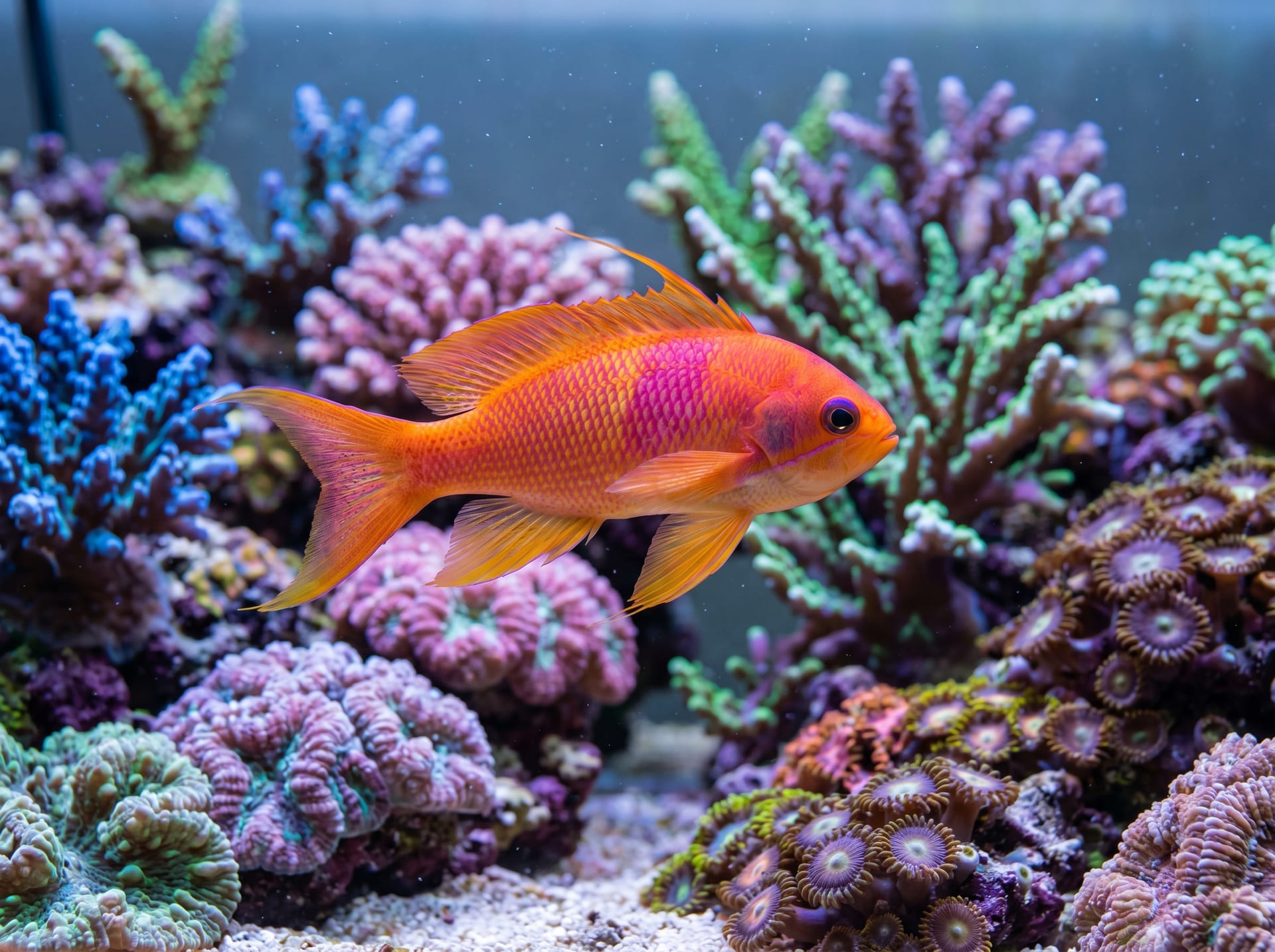
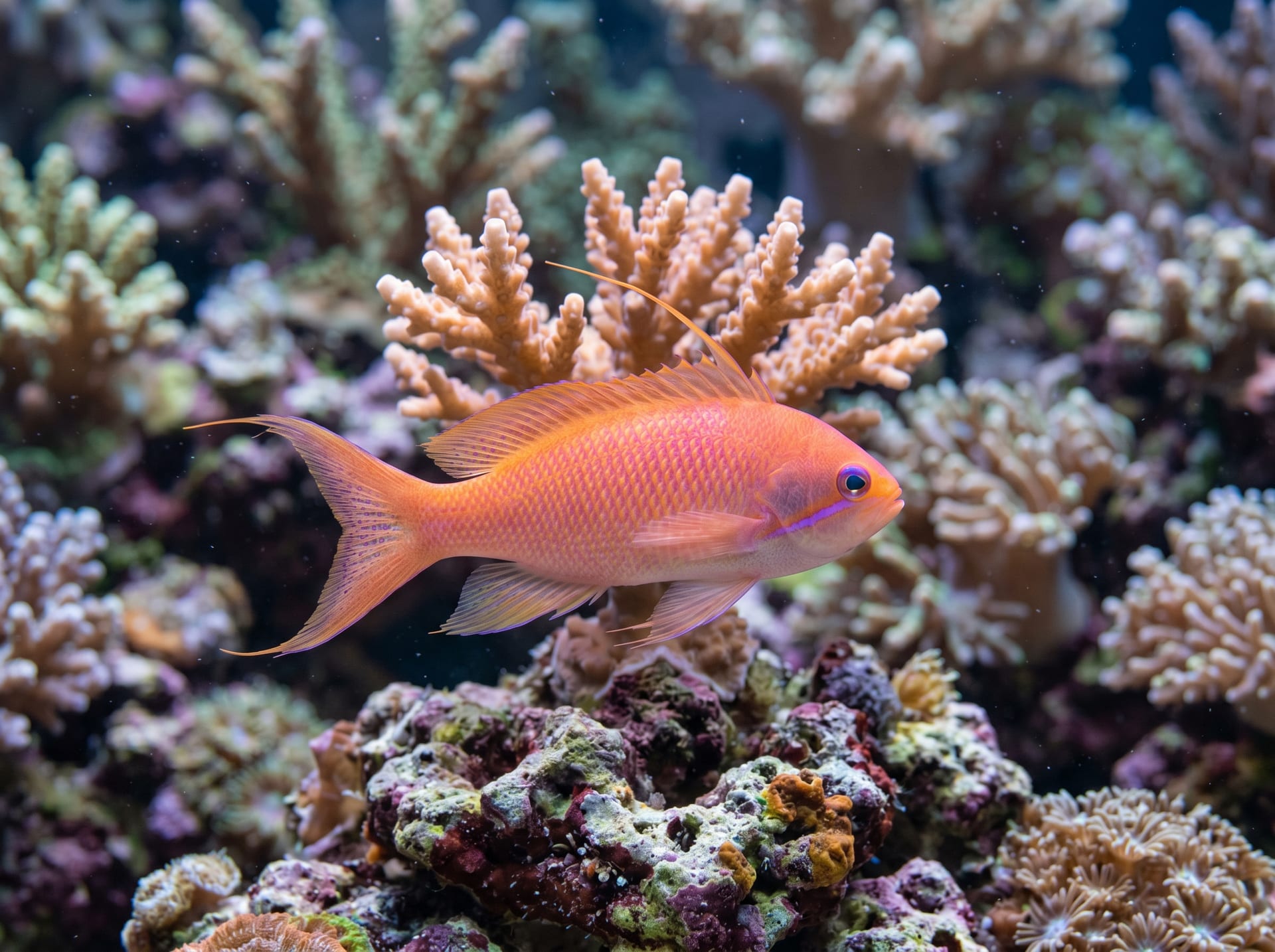
The Lyretail Anthias (Pseudanthias squamipinnis) is a saltwater fish of the Serranidae family widely distributed throughout the Indian and Pacific Oceans. The striking contrast between the vibrant orange-to-pink coloration of males and the yellow-green hue of females is beautiful, and they are highly popular as mid-water swimming fish in reef aquariums. This article provides detailed information on Lyretail Anthias care through breeding.
Basic Information on Lyretail Anthias
The Lyretail Anthias is called "Sea Goldie" or "Lyretail Anthias" in English. Males reach a maximum body length of approximately 15 cm, while females are typically 8-10 cm. In nature, they live in large groups of 50-100 or more individuals, forming a harem structure where a single male manages multiple females.
Males and females differ significantly in coloration. Males display vibrant orange-to-pink body coloring with purple spots on the dorsal fin, and the upper and lower edges of the tail fin extend into thread-like filaments. Females are yellow to greenish-orange in color. Due to their social structure, they are known as a protogynous species—when the male dies or is removed, the largest female undergoes sex change to become the new male.
In captivity with proper care, their lifespan is approximately 3-5 years.
Tank Size and Equipment Requirements
Lyretail Anthias are active swimmers and require tanks of adequate size.
Minimum Tank Sizes:
- Solo or pair: 180L or larger (a standard 60cm tank is too small)
- Harem (1 male + 3-5 females): 300L or larger
- Multiple groups: 500L or larger recommended
When keeping groups, hiding places in the form of live rock crevices and overhangs are important. Although they are mid-water swimmers, having hiding spots where they can retreat during stress is beneficial.
Required Equipment:
- Protein skimmer
- Powerful filtration (external filter or submersible pump + skimmer combination)
- Heater/cooler (for temperature control)
- Appropriate lighting (LED reef lights if keeping coral)
- Circulation pump (for adequate water flow)
Water Quality Parameters
The water quality parameters preferred by Lyretail Anthias are as follows:
- Temperature: 24-27°C
- Specific gravity (salinity): 1.022-1.025
- pH: 8.1-8.3
- Alkalinity (carbonate hardness): 8-11 dKH
- Ammonia/nitrite: 0 ppm (essential)
- Nitrate (NO₃⁻): 20 ppm or lower
- Phosphate (PO₄³⁻): 0.1 ppm or lower
As with most saltwater fish, sudden changes in water quality can cause stress and trigger white spot disease. Make weekly water changes (10-15%) and regular water quality testing a habit.
Feeding and Nutrition
In nature, Lyretail Anthias are planktivores, feeding on copepods, krill, and small crustaceans. In the aquarium, high-frequency feeding 2-3 times daily is ideal, offering small portions at each feeding.
Recommended Foods:
- Frozen mysis (young krill)
- Frozen copepods
- Frozen krill (small mysid shrimp)
- High-quality pellet foods (NLS, Cyclop-eeze, etc.)
- Frozen enriched brine shrimp
After initial acquisition, live foods (such as live brine shrimp) are effective for stimulating appetite. Once acclimated, gradually transition to frozen and prepared foods.
Important Notes:
- These are voracious eaters—ensure adequate food portions
- Insufficient feeding at each session can lead to weaker individuals in the group becoming malnourished
- Females in particular may be displaced during feeding, so distribute food at multiple locations
If weight loss is a concern, increase the proportion of fatty frozen krill or use nutritionally enriched brine shrimp to accelerate recovery.
Tankmate Compatibility
Lyretail Anthias have peaceful temperaments and can coexist with coral, making them well-suited for reef aquariums. However, there are some considerations for tankmate selection.
Compatible Tankmates:
- Gobies (e.g., Paired Dottyback Goby)
- Clownfish, damselfish (when kept in small numbers)
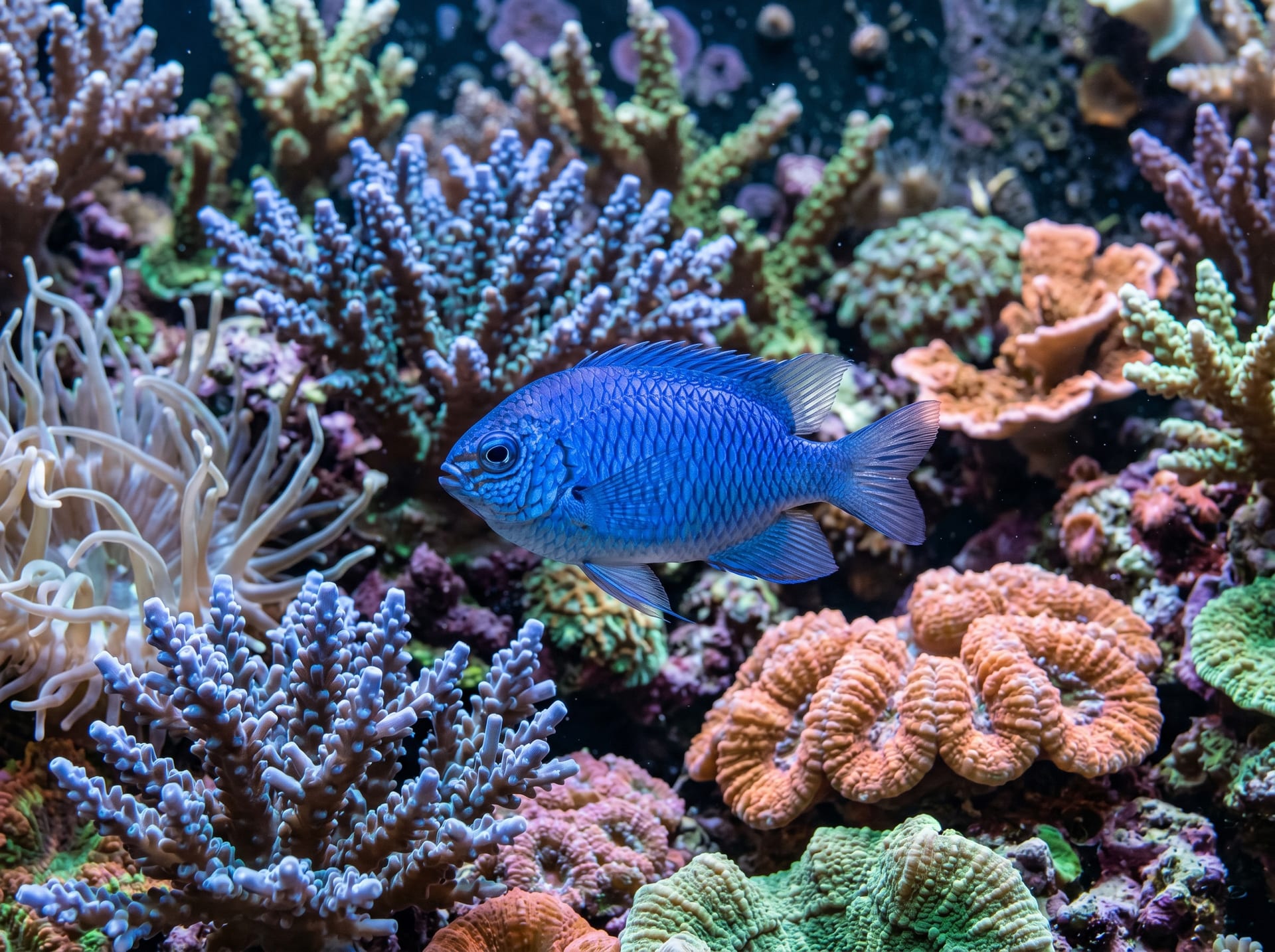
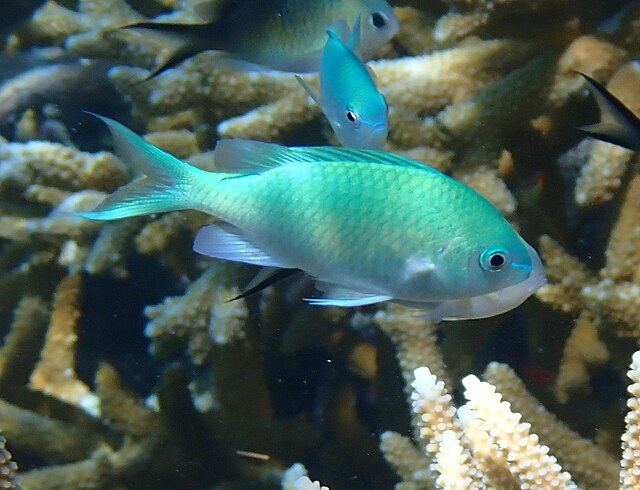
- Blue-green Chromis (as they school, they're compatible with Lyretail Anthias)
- Angelfish (though watch for territorial disputes with males and larger individuals)
- Wrasses (small species)
Incompatible or Risky Tankmates:
- Large predatory fish such as groupers and monodactyls (which will predate on Anthias)
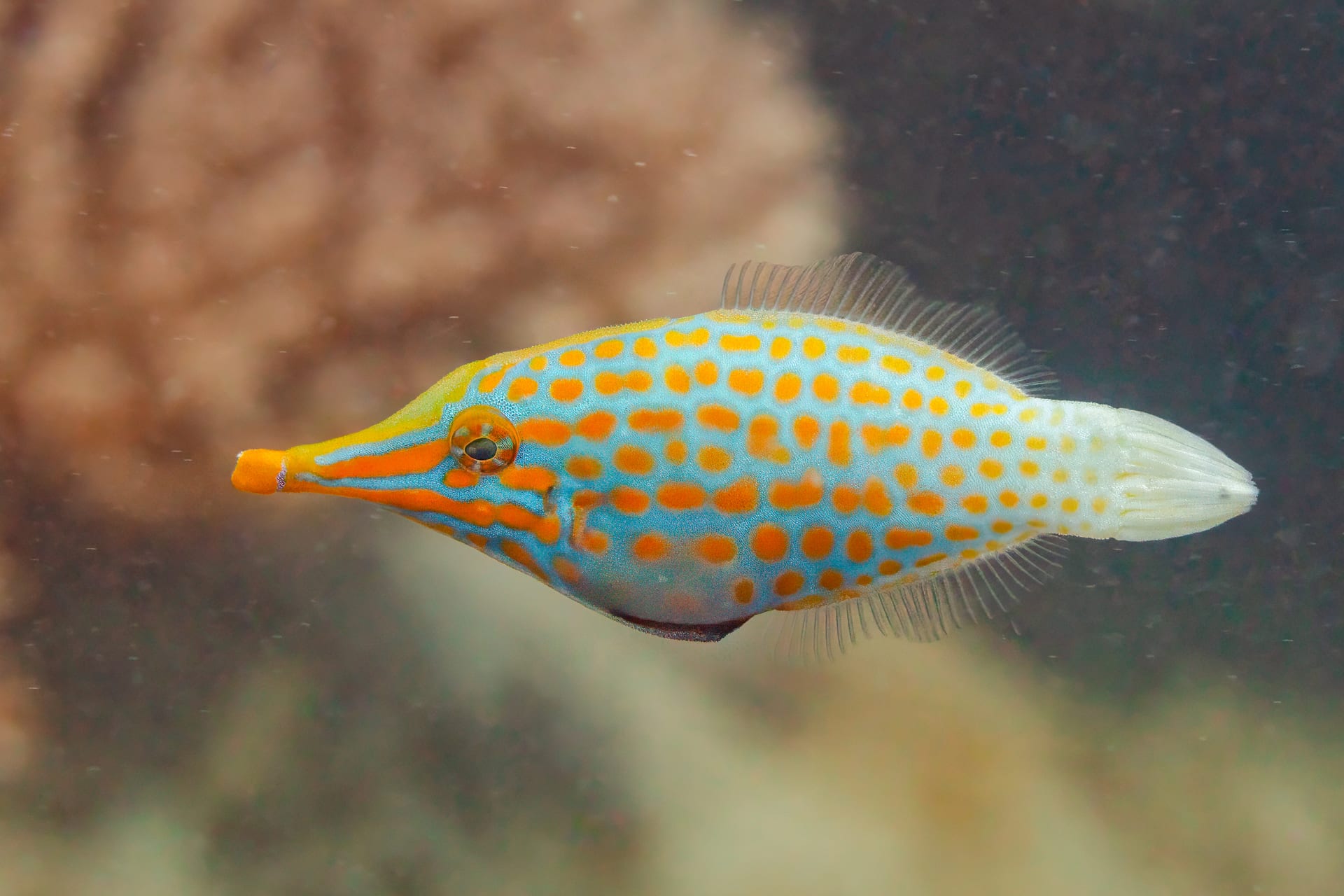
- Filefish (which nip at Anthias fins)
- Highly aggressive angelfish (which cause stress)
- Conspecific males (which will fight intensely)
When keeping multiple individuals of the same species, maintain either an all-female group or a harem structure (1 male + multiple females). Two males will fight so intensely that one will eventually die, so limit males to a single individual.
Group Structure and Social Behavior
Lyretail Anthias are highly social fish, and they are calmer and maintain better appetite when kept in groups rather than singly. The following ratios are generally recommended:
- Small tanks (150-200L): 3-4 females
- Medium tanks (250-350L): 1 male + 4-6 females
- Large tanks (500L+): Multiple harem groups (15-20 individuals total)
When establishing a new group, introduce all individuals simultaneously or add the male last. If some individuals are already established, territorial aggression and bullying are more likely to occur.
When the male dies or is removed, the largest female undergoes sex change to become the new male. This process occurs over several weeks, with both appearance and behavior changing, making it a fascinating transformation to observe.
Common Diseases and Prevention
While Lyretail Anthias are relatively hardy, the following diseases warrant attention.
Velvet Disease (Oodinium): Tiny white spots resembling gold dust cover the entire body. The spots are finer than those of white spot disease. Copper treatment is effective, but since it is toxic to coral and invertebrates, treatment should be performed in an isolation tank.
Marine White Spot Disease (Cryptocaryon): Larger white spots appear on the body. Treatment involves raising water temperature to 27-28°C, slightly lowering specific gravity (hyposalinity treatment), or treating in an isolation tank.
Prevention:
- Always quarantine new additions for 2-4 weeks in a separate tank
- Maintain stable water conditions and avoid sudden changes
- Provide nutritionally balanced foods to strengthen immunity
Conclusion
The Lyretail Anthias is an ideal reef aquarium inhabitant, combining beautiful coloration, active swimming behavior, and excellent compatibility with coral. When kept in groups, you can observe their natural schooling behavior and recreate the atmosphere of a natural coral reef in your tank. As a species exhibiting the biologically fascinating trait of male sex change, they offer an enriching experience for saltwater aquarium hobbyists. With proper maintenance of tank volume, water quality, and feeding protocols, even intermediate-level hobbyists can maintain them long-term.