Tarantula Enclosure Setup Guide | Different Layouts for Arboreal vs. Terrestrial Species
A guide to setting up tarantula enclosures. Explains the differences between arboreal and terrestrial species, humidity management, and feeding methods.
Key Takeaways
A guide to setting up tarantula enclosures. Explains the differences between arboreal and terrestrial species, humidity management, and feeding methods.
Related Species
Tarantulas are among the largest of all spiders, boasting an impressive and beautiful appearance as pets. With no vocalizations, minimal space requirements, and infrequent care needs, they have quietly gained popularity as "exotic pets" alongside reptiles and amphibians. In recent years, domestic breeding has flourished, making it easier to acquire unique species.
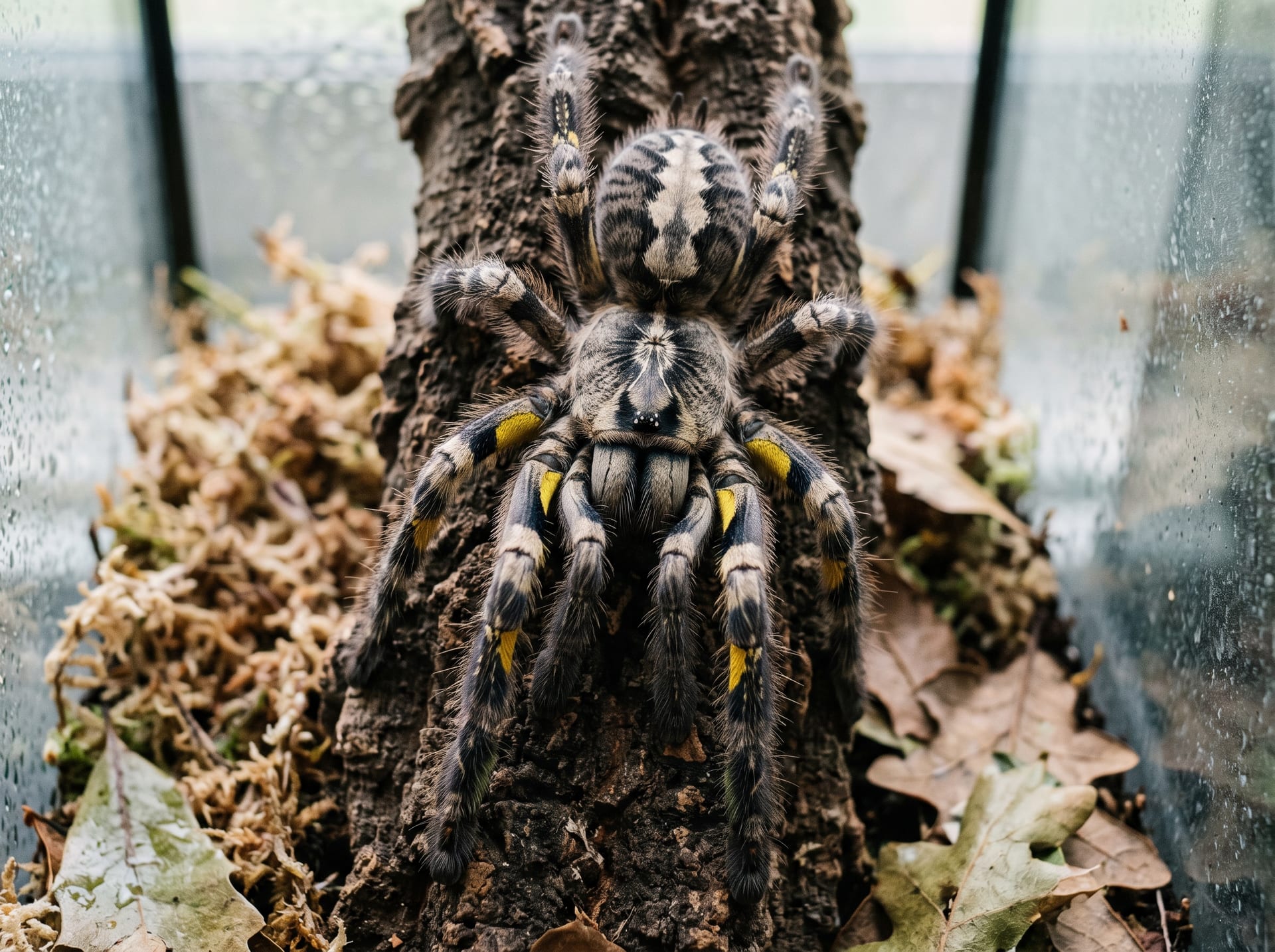
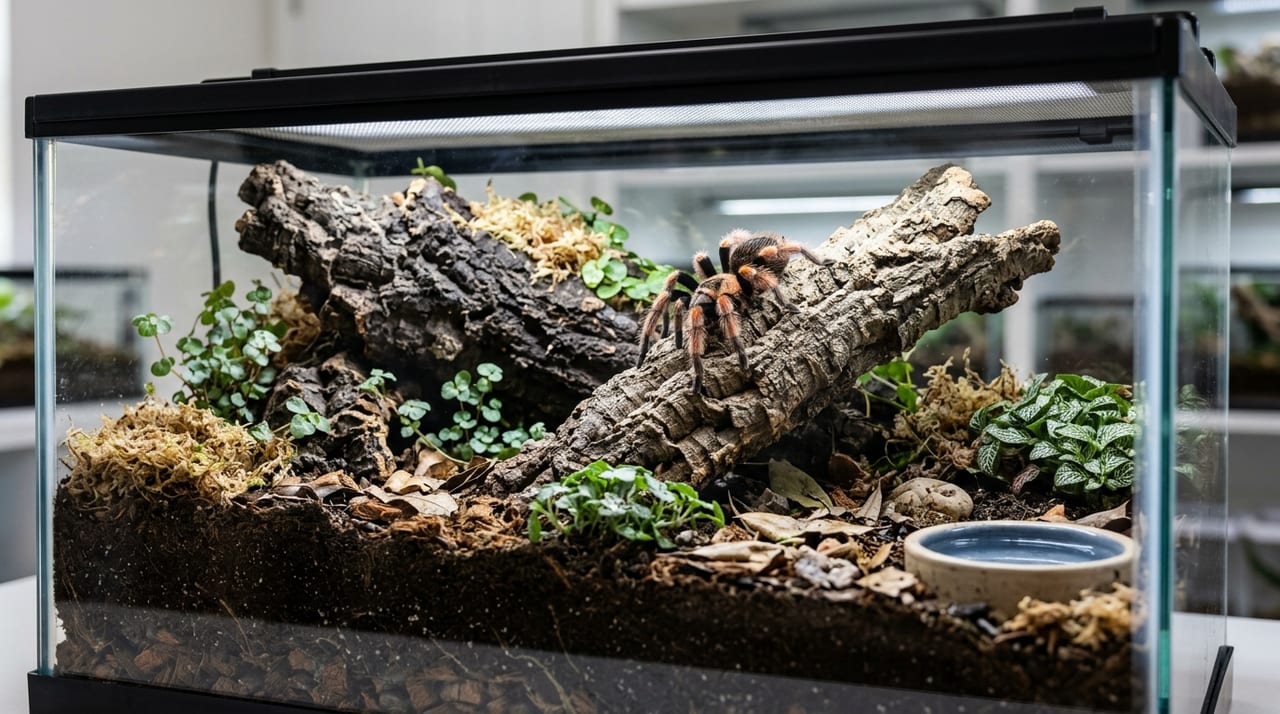
The most critical step in starting tarantula keeping is setting up an appropriate cage environment. Tarantulas are broadly divided into two types: "terrestrial" and "arboreal," and each requires a layout suited to its natural behavior. Failure to provide the right setup can lead to stress and molting failure. This article covers enclosure design by type, temperature and humidity management, and the basics of feeding—all explained in an easy-to-understand way for beginners.
Terrestrial Tarantula Enclosure Design
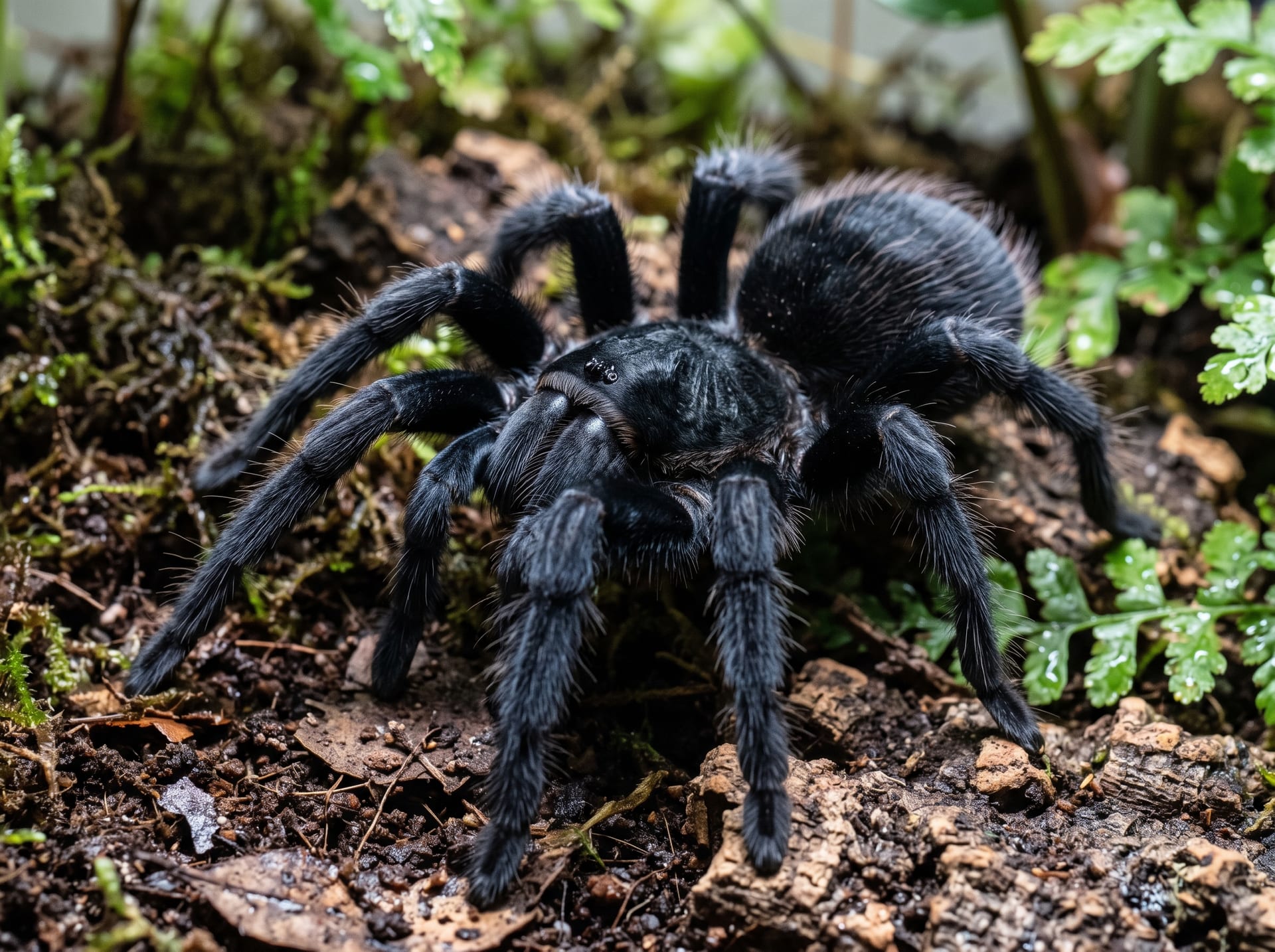
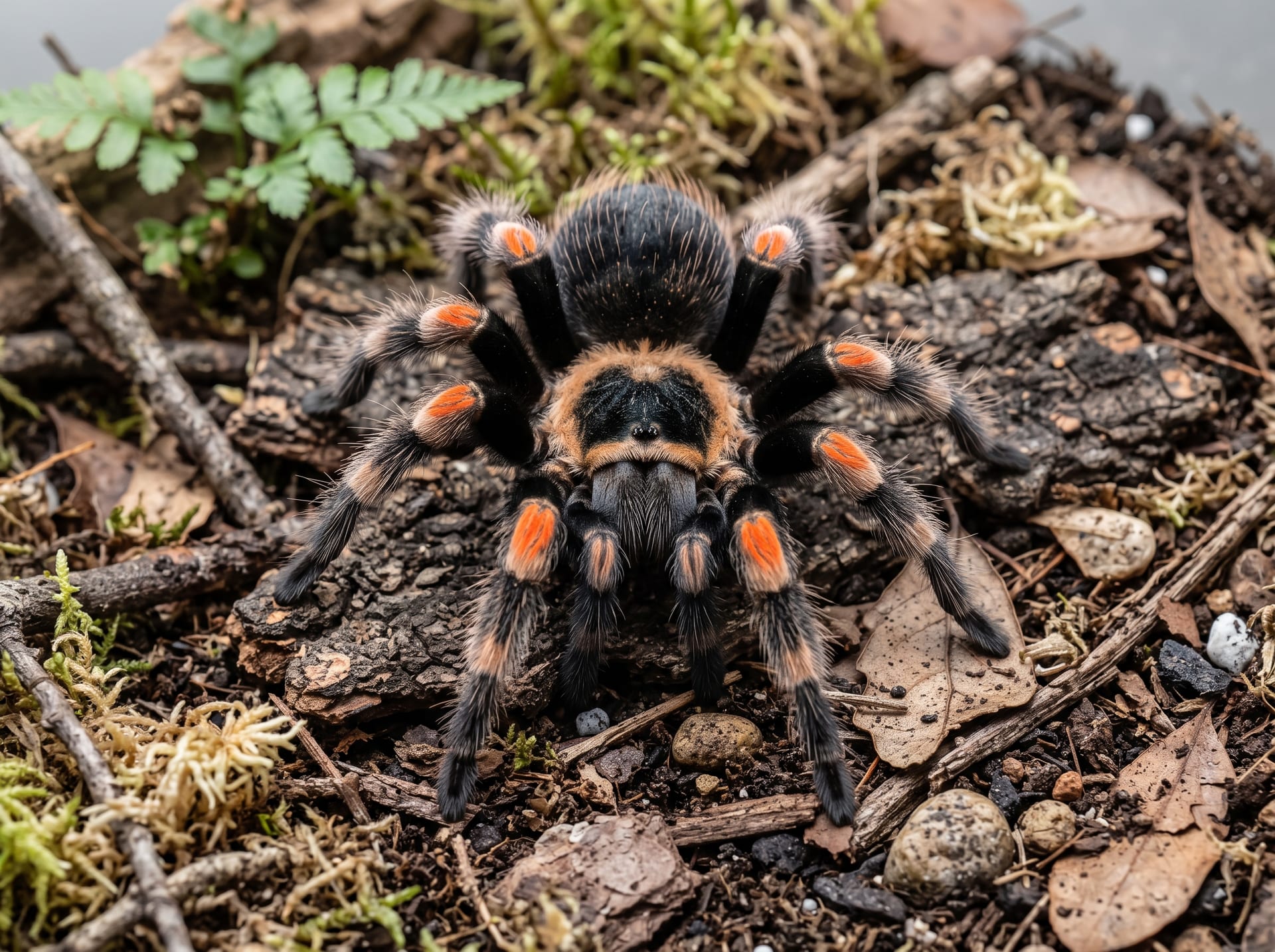
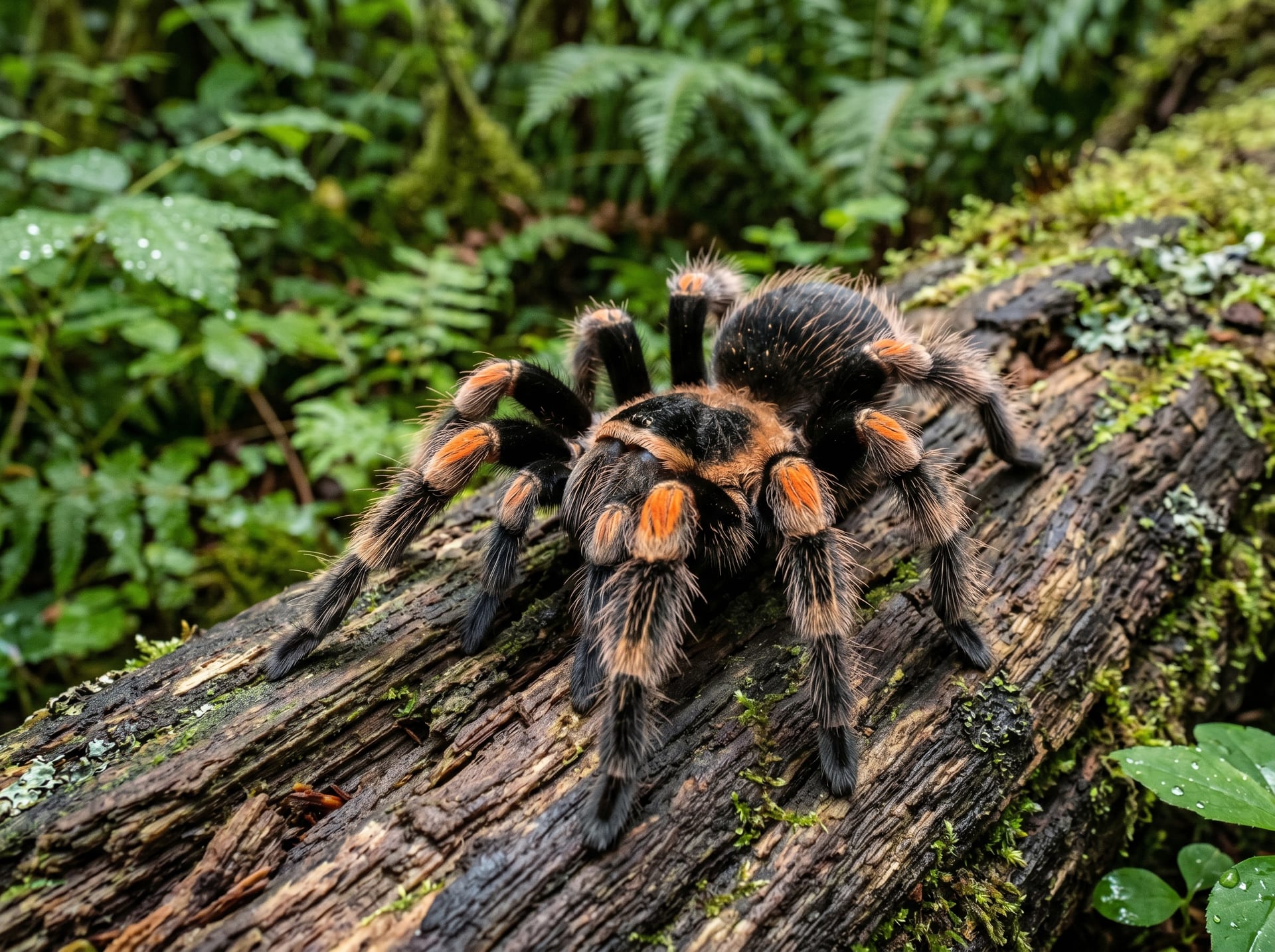
In the wild, terrestrial tarantulas roam the ground of arid savannas, deserts, and grasslands, hiding under rocks or in burrows they dig. Representative species include the Chilean Rose Hair (native to Chile), Mexican Red Knee (native to Mexico), and Brazilian Black (native to Brazil)—all relatively docile and popular with beginners.
Choosing an Enclosure
A horizontal plastic container is ideal, emphasizing floor space. For adults, aim for a floor area of 3 to 5 times the spider's body length. Height is less critical; a low-profile design of 20–30 cm from floor to ceiling is safer to minimize injury from falls.
Substrate (Bedding) Preparation
Most terrestrial species have a burrowing habit, and providing appropriate substrate thickness and texture helps reduce stress.
- Recommended mix: Coconut husk, peat moss, and vermiculite at roughly a 2:2:1 ratio
- Depth: Minimum 5 cm; species that love to burrow (such as Chaco Giants) should have 10 cm or more
- Moisture level: Should clump when squeezed but not ooze water (for drier species, keep just the surface dry)