What is "Post-Emergence Feeding"—The Significance of the First Meal After Adult Emergence
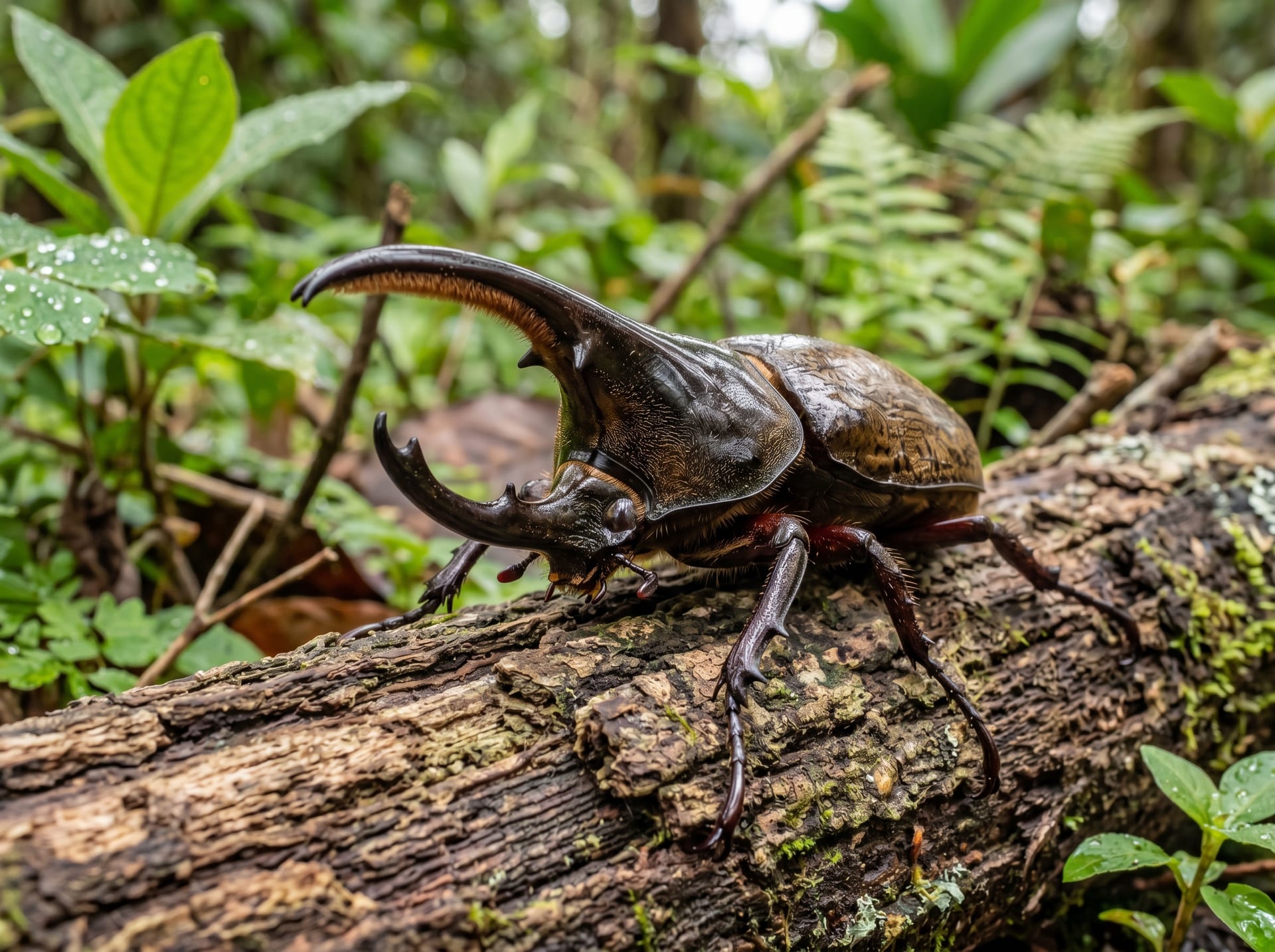
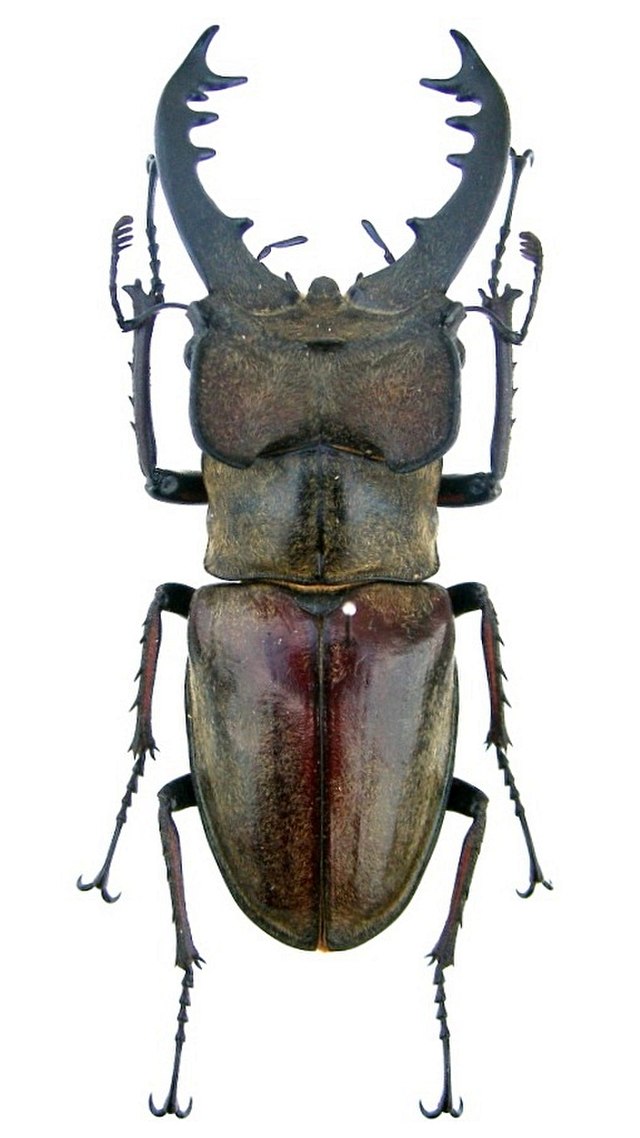
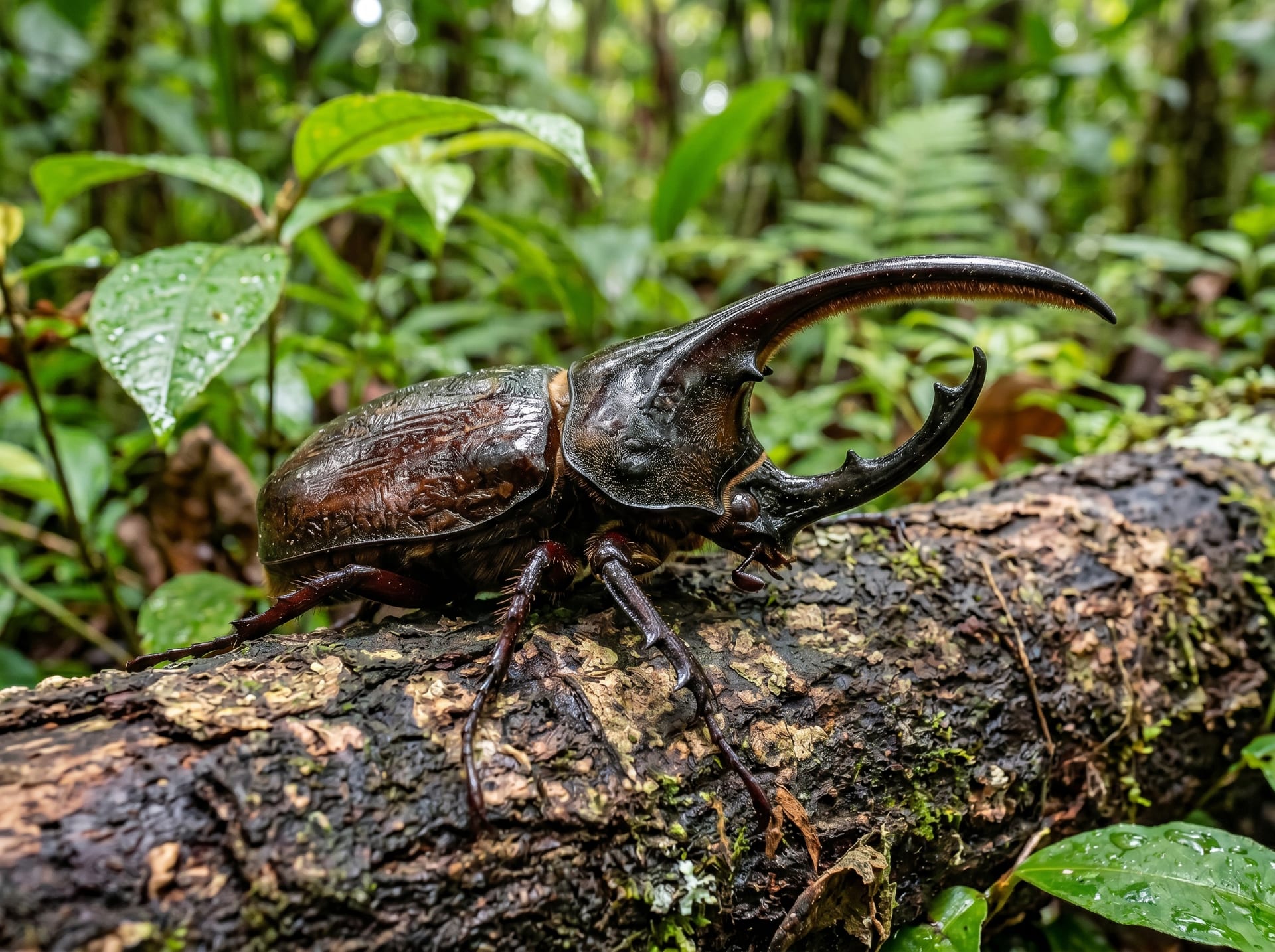
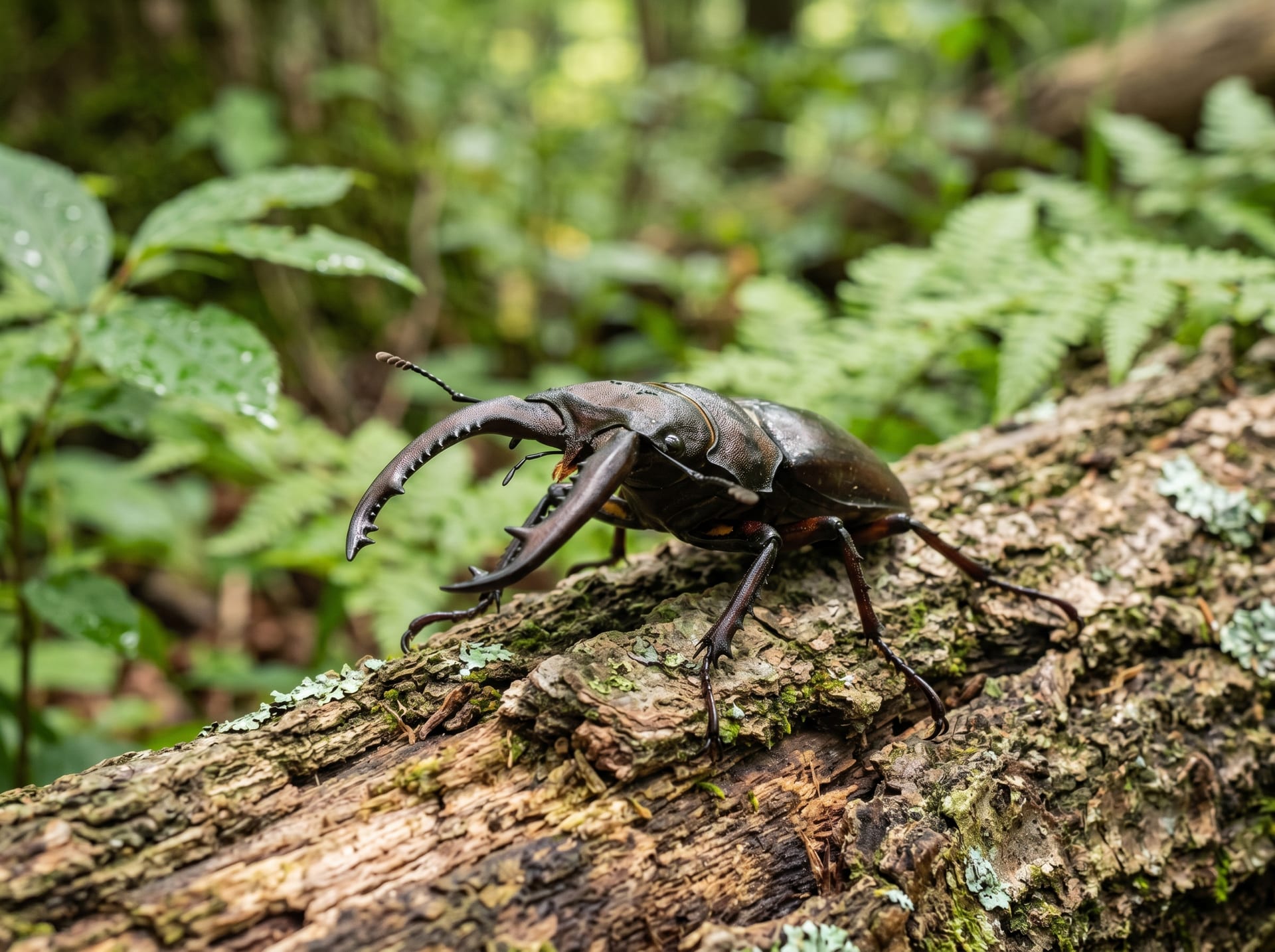
When breeding rhinoceros beetles or stag beetles, an important concept that is often overlooked is "post-emergence feeding (koshoku)." This refers to when a newly emerged adult begins to eat for the first time (primarily jelly), and it is the most critical external sign that confirms the adult's maturity.
Immediately after emergence, even though the exterior of the adult (exoskeleton and wings) has hardened, the internal organs and reproductive organs are still incomplete. The initiation of post-emergence feeding means that the digestive system has begun to function and the reproductive glands are entering their main growth phase toward maturity.
Attempting to pair (mate) before post-emergence feeding occurs results in low fertilization rates and places significant stress on the body, risking shortened lifespan. Understand that post-emergence feeding initiation = the minimum prerequisite for pairing.
Timeline for Post-Emergence Feeding Onset by Species
The period before post-emergence feeding begins varies greatly by species. Additionally, low-temperature management after emergence (hibernation induction) can delay the onset of post-emergence feeding. The following are approximate guidelines.
Rhinoceros Beetles
| Species | Post-Emergence Feeding Timeline | Notes |
|---|
| Japanese Rhinoceros Beetle | 2–4 weeks after emergence | Often begins shortly after summer emergence |
| Hercules Beetle | 3–6 months | Large species take particularly long |
| Chalcosoma caucasus | 3–5 months | — |
| Neptune Beetle | 4–7 months | — |
| Atlas Beetle | 2–4 months | — |
Stag Beetles
| Species | Post-Emergence Feeding Timeline | Notes |
|---|
| Japanese Giant Stag Beetle | 3–6 months after emergence | Late-autumn emergence overwinters; feeding resumes in spring |
| Flat Stag Beetle | 2–4 months | High individual variation |
| Saw Stag Beetle | 8–10 months | Typically begins in summer the following year (long wait) |
| Japanese Mountain Stag Beetle | 8–10 months | Similar to saw stag beetle; the following year |
| Parwanicus Stag Beetle | 3–6 months | — |
| Giraffa Stag Beetle | 4–8 months | — |
| Rainbow Stag Beetle | 1–3 months | Relatively early |
Note: The above are only approximate guidelines and will vary significantly depending on individual variation, rearing temperature, and emergence timing.
How to Identify Signs of Post-Emergence Feeding Onset
How do you determine whether an adult sitting quietly in its container has begun to feed after emergence?
Observable Visual Signs
- Jelly has holes in it: The most obvious sign. If the jelly appears slightly reduced when checked the next morning, it is evidence of post-emergence feeding.
- Moving actively and frequently: The beetle transitions from the sluggish state immediately after emergence to moving actively at night.
- Emerging onto the substrate surface: An individual that remained buried for some time after emergence begins to surface.
- Actively moving antennae: Foraging behavior using the sense of smell becomes apparent.
Method for Confirming Post-Emergence Feeding Has Occurred
Place jelly in the container and check it each morning. If the jelly is reduced, post-emergence feeding has begun. While some forcibly move the jelly closer to the beetle's mouth to check, this is not recommended as it stresses the individual.
Determining the Degree of Maturity—Post-Emergence Feeding is Still Early
Just because a beetle has begun post-emergence feeding does not mean pairing should commence immediately. Particularly for females, ovarian development requires additional time even after post-emergence feeding has started.
Key Points for Assessing Maturity
Body Hardening:
Immediately after emergence, the wings and abdomen may still be soft. A guideline is to wait 1–2 months after the exoskeleton has fully hardened and developed its final coloration. Confirm that the wings are fully closed and the body color has stabilized to a deep, rich shade.
Elapsed Time Since Post-Emergence Feeding Began:
Generally, waiting at least 1–2 months after post-emergence feeding begins before pairing will increase both egg-laying numbers and fertilization rates. Particularly with large foreign rhinoceros beetles and stag beetles, many breeders wait 3–4 months or more after post-emergence feeding begins before pairing.
Body Weight Progression:
Body weight increases immediately after post-emergence feeding begins. Around the time body weight stabilizes (plateaus), maturity can be considered a milestone.
Post-Emergence Feeding Resumption in Overwintering Individuals—Spring Management
Species such as the Japanese Giant Stag Beetle and Saw Stag Beetle, which overwinter, resume activity in spring as temperatures rise.
Post-Winter Management Steps:
- Gradually raise temperature from March–April (avoid sudden temperature changes)
- Replenish jelly and confirm appetite recovery
- Confirm post-emergence feeding (the first meal after winter) before beginning mating preparations
- Post-winter individuals have depleted energy reserves; provide abundant jelly for 1–2 months before preparing the breeding chamber
- Provide adequate nutrition as post-winter individuals have reduced physical reserves.
Pre-Pairing Checklist
Confirming all of the following before pairing will significantly increase breeding success rates.
- Post-emergence feeding has been confirmed (visual confirmation of jelly consumption)
- At least one month has elapsed since post-emergence feeding began
- Body color has stabilized to its final coloration (no longer pale as immediately after emergence)
- The body is completely hardened (abdomen does not feel soft when touched)
- The beetle is moving actively and in good health
- (For overwintering species) Adequate feeding has been provided after winter emergence
Summary
Post-emergence feeding is a critical milestone in rhinoceros beetle and stag beetle breeding that cannot be overlooked. By recording the emergence date, post-emergence feeding initiation date, and pairing start date, you can plan the next generation with greater precision. Patience and waiting for the individual to mature is the shortcut to producing large-bodied individuals and achieving high egg-laying rates. As a breeder, make "confirm post-emergence feeding → await maturity → pair" your routine practice.