Ant Keeping Guide for Beginners | How to Choose Keeping Kits, Obtaining a Queen Ant, and Colony Management
A beginner's guide to ant keeping. Introduces types and selection of keeping kits, methods for obtaining a queen ant, how to feed, and the growth process of colonies.
Key Takeaways
A beginner's guide to ant keeping. Introduces types and selection of keeping kits, methods for obtaining a queen ant, how to feed, and the growth process of colonies.
Related Species
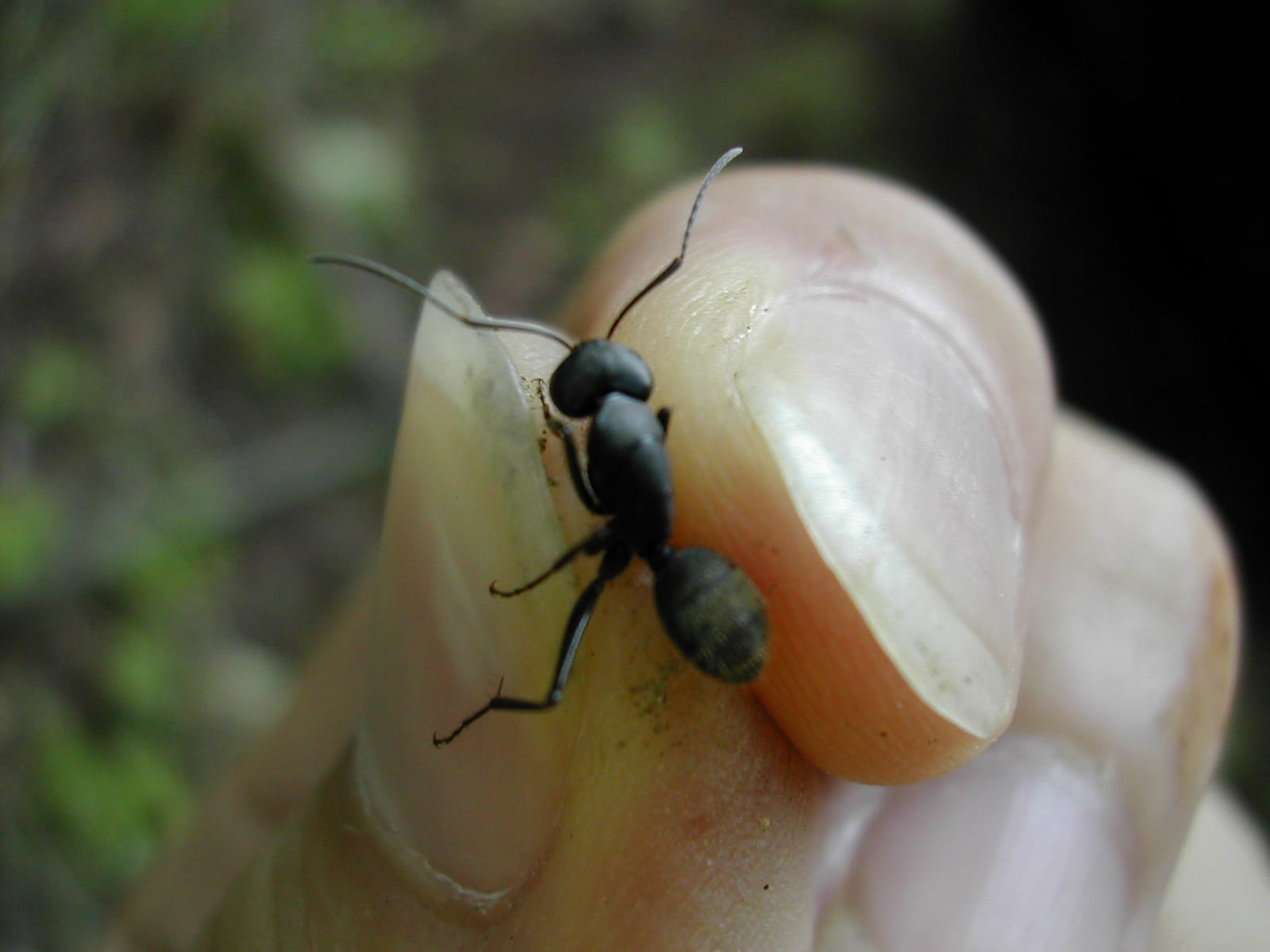
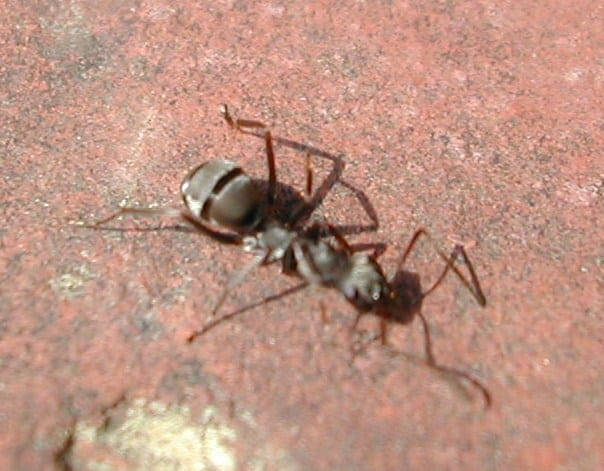
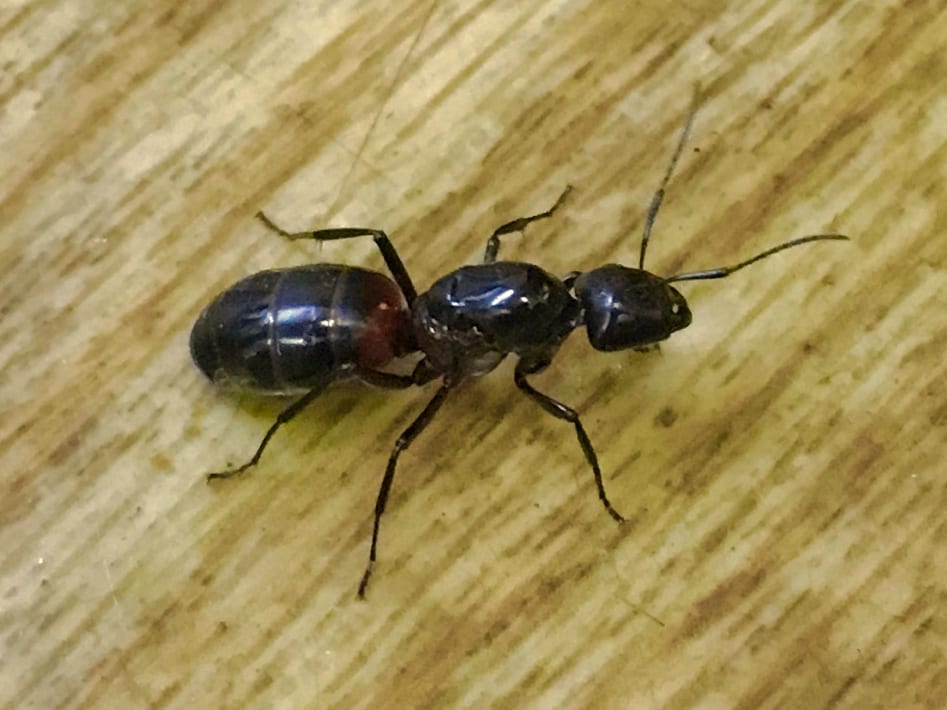
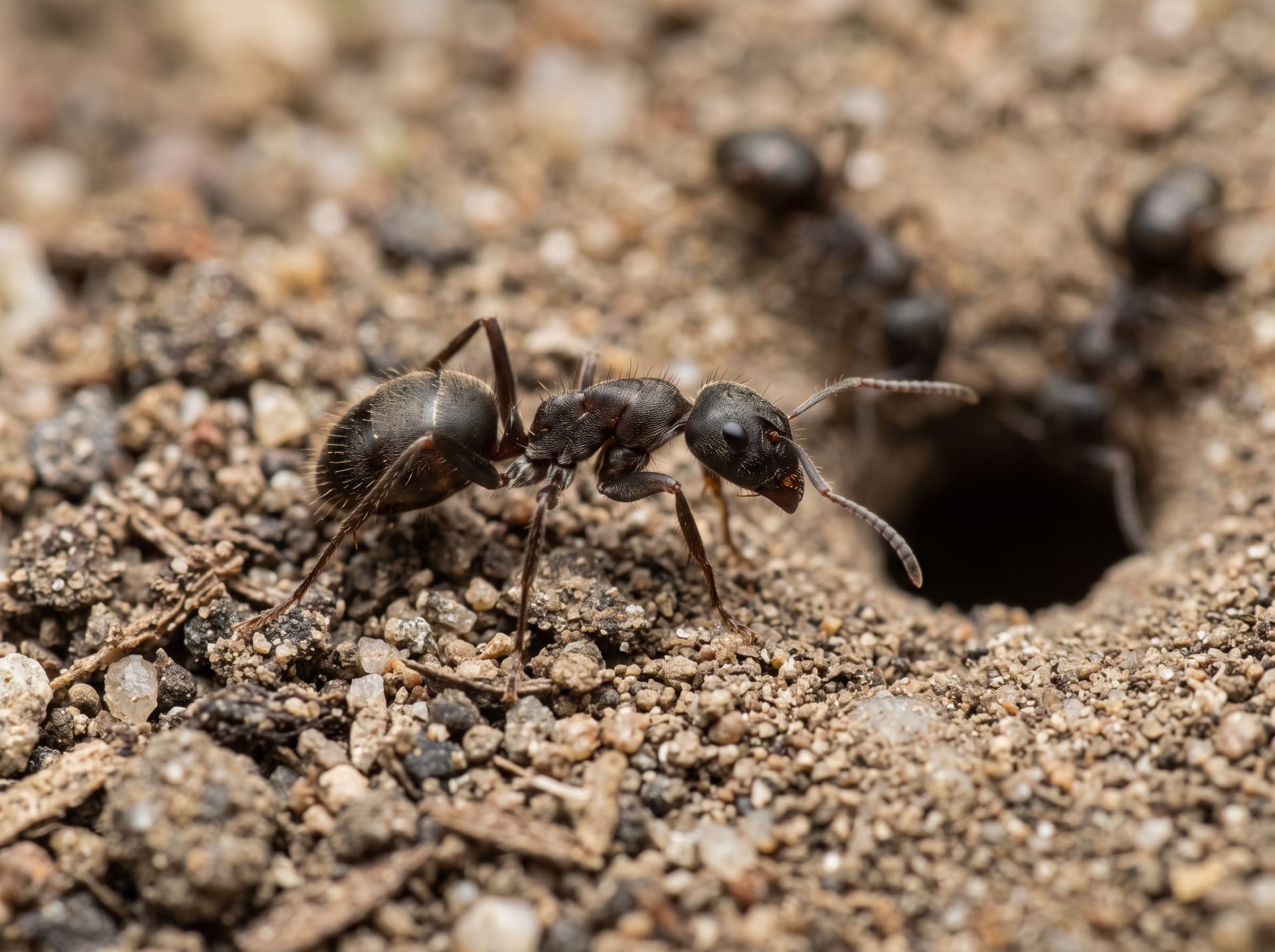
Ant keeping, called "ant husbandry" or "ant keeping," is a hobby growing in popularity around the world. Being able to observe ants building nests, laying eggs, raising larvae, and watching colonies grow inside transparent containers is a unique appeal that other pets cannot offer. It requires minimal space and almost no feeding costs, making it a recommended insect-rearing hobby that anyone can start easily.
The Appeal of Ant Keeping
Ant keeping has the following appeals:
- Observing Social Behavior: Observe the society with role divisions among queen ants, worker ants, and soldier ants
- Colony Growth: Fascinating to watch a colony grow from a single queen ant to hundreds and thousands of ants
- Space-Saving: No space required, as they can be kept in small cases
- Low Cost: Feeding costs around a few hundred yen per month. Initial investment starts from around a few thousand yen
- Low Maintenance: Daily care consists mainly of checking water and food. Can be left alone for several days even during travel
- Long-Term Keeping Possible: Queen ants have a lifespan of 10–20 years or more, depending on the species
Recommended Ant Species for Beginners
Japan has many ant species, but the following are recommended for beginners.
Black Carpenter Ant
- Japan's largest ant species (7–12 mm in body length), easy to observe
- Docile temperament, easy to keep
- Moderate colony growth rate, easy to manage
- Queen ants are relatively easy to obtain
Red-Thoraxed Carpenter Ant
- A large species comparable to the Black Carpenter Ant, characterized by a red thorax
- Husbandry methods are nearly the same as the Black Carpenter Ant
- Prefers environments with slightly higher humidity
Black Garden Ant
- Medium-sized and active; entertaining to watch and rewarding to observe
- Growth rate is slightly faster
- Breeding is easy to start because the initial queen can raise offspring alone
Pharaoh Ant
- Small but fast colony growth, capable of creating large colonies
- Robust and easy to keep
How to Obtain a Queen Ant
A queen ant is essential for ant keeping. Without a queen ant, no eggs can be laid and the colony will decline.
Collecting New Queen Ants (After Nuptial Flight)
- After the nuptial flight that occurs around April to July (depending on species), collect new queen ants walking on the ground
- New queens are large ants with wings or those that have just dropped their wings
- After collection, place them in a plastic case and bring them home
- The most common and cost-free method of obtaining a queen
Purchasing
- Can be purchased from ant-keeping specialty shops and online stores
- Has the advantage of being able to specify the species for certain acquisition
- Also sold as colonies (queen + a few to several dozen worker ants)
- Prices range from around ¥500 to ¥5,000 depending on species and colony size
How to Choose Breeding Kits (Types of Nests)
There are several types of ant nests.
Gypsum Nests
- The most common type, using a nest layout made of gypsum
- Gypsum retains moisture, making humidity management easy
- Can be hand-made, allowing for creative layouts
- Can be remade if it becomes dirty
Acrylic Nests
- Pre-made product made from transparent acrylic with excellent observation visibility
- Divided into rooms, allowing observation of how ants use different areas
- Somewhat pricey but can be used for extended periods
Test Tube Nests (Starter Kit)
- Used when starting with a single queen ant
- Cotton defatted with water is packed into a test tube, with ants placed beyond it
- The dark, narrow space is suitable for the queen ant to raise offspring
- Can be used until the colony reaches 10–20 ants
Gel Nests
- Allows observation of ants tunneling through gel-like medium
- Visually appealing but many products lack sufficient nutrition
- Not suitable for long-term keeping; treat it as a short-term observation tool
How to Feed
Ants are omnivores and eat a variety of foods.
Main Foods
- Insects (protein source): Small crickets, mealworms, frozen bloodworms, etc. Necessary for larval growth
- Honey Water (carbohydrate source): Honey diluted with water, maple syrup, insect jelly. Energy source for worker ants
- Seeds: Some ants (especially larger species) also eat seeds
More and more keepers are breeding live food insects such as crickets themselves to reduce costs. Detailed information on home breeding of live foods can be found in Cricket Care and Live Food Cost Reduction Guide.
Feeding Frequency
- Carbohydrates: Once every 2–3 days
- Protein: 1–2 times per week
- Increase food quantity as the colony grows
- Remove leftover food the next day (it can cause mold)
Colony Growth Process
Watching a colony grow from a single queen ant is the greatest pleasure of ant keeping.
Early Stage (Queen Alone Period)
- The queen lays eggs and raises larvae alone
- During this period, keep in a dark, quiet place and minimize disturbance
- No food needed (the queen uses her internal reserves to raise the first worker ants)
- The first worker ants emerge after approximately 1–2 months
Development Stage
- As worker ants increase, the queen focuses on laying eggs
- Connect feeding chambers and begin providing food
- Expand the nest as the colony grows
- Grows to a colony of 50–100 ants within several months to a year
Maturity Stage
- When exceeding several hundred ants, expansion or relocation of the nest becomes necessary
- Managing large colonies is a pleasure for experienced keepers
- As the colony stabilizes, keeping growth records and observing them together with children is also recommended. The educational significance of raising ants and insects with children is also explained in Educational Benefits of Raising Insects with Your Children.
On BreederDirect, you can receive rearing advice from insect breeders. Since ant keeping shares much knowledge with other insect keeping, connections with breeders knowledgeable about insect keeping in general are invaluable.