Jikin & Tosakin Goldfish Guide — Raising Traditional Japanese Varieties | ブリちょく
Goldfish| ✍️ BreederDirect Editorial
Jikin & Tosakin Goldfish Guide — Raising Traditional Japanese Varieties
Guide to keeping Jikin and Tosakin goldfish: history, round bowl keeping, tail finishing techniques, and sourcing rare varieties.
Key Takeaways
Guide to keeping Jikin and Tosakin goldfish: history, round bowl keeping, tail finishing techniques, and sourcing rare varieties.
Jikin and Tosakin are traditional Japanese goldfish varieties that Japan takes great pride in. Both are valued for their distinctive tail shapes and coloration, and keeping them demands higher skill and knowledge than typical goldfish. This article explains the characteristics and care essentials for these two heritage varieties.
Jikin: History and Characteristics
✍️
BreederDirect Editorial
The BreederDirect editorial team specializes in care information for animals, covering veterinary care and breeding to deliver beginner-friendly guides.
Find Goldfish on BreederDirect
Buy directly from verified breeders
Browse Related Listings
Find Goldfish listings related to this article on BreederDirect. Buy directly from verified breeders.
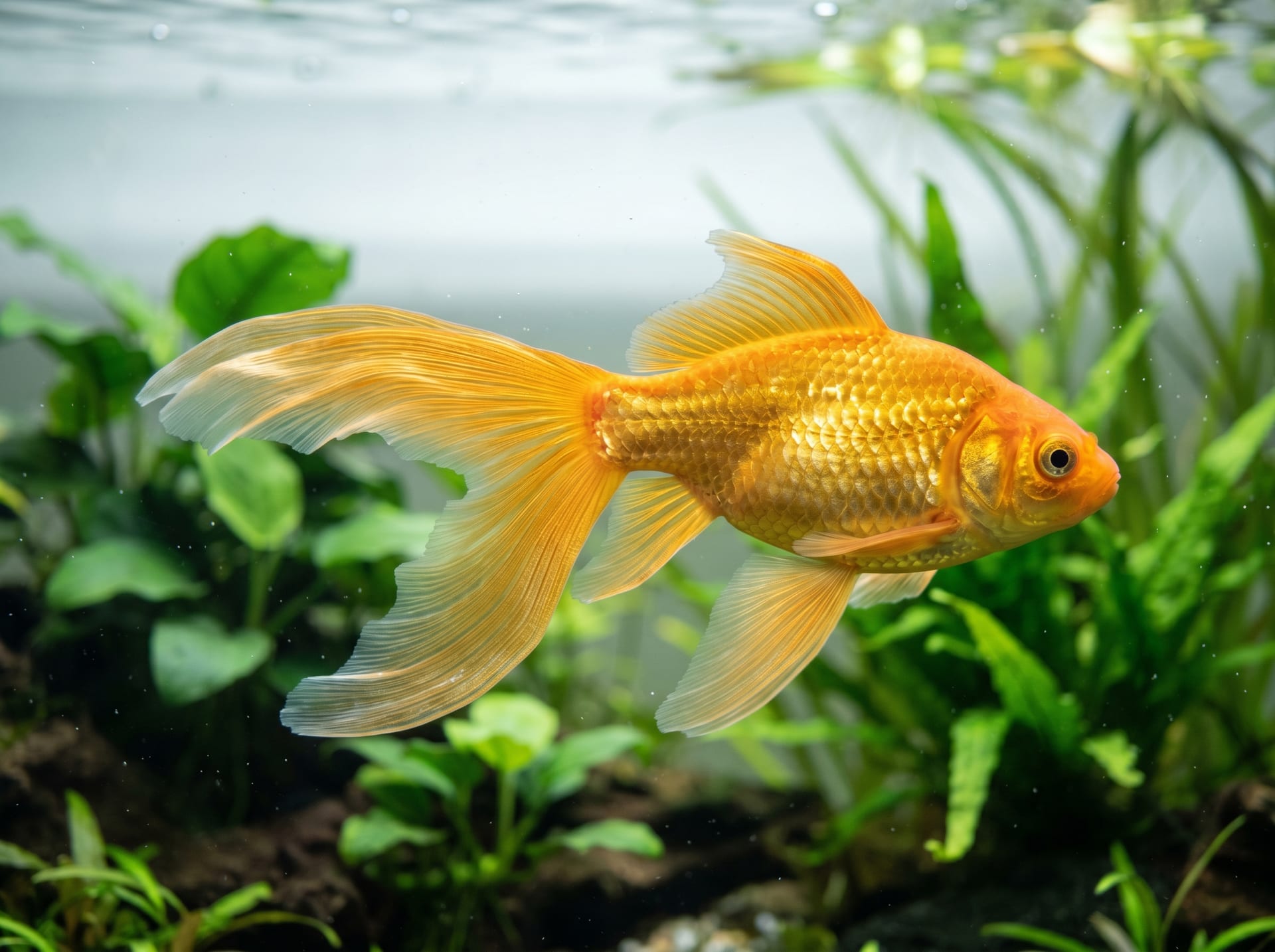
Jikin has been primarily bred in Aichi Prefecture and boasts approximately 200 years of history. Its most distinctive feature is the unique color pattern called "rokurin" (six scales). The body is predominantly white, with only six areas—the lips (lipstick marking), both pectoral fins, both ventral fins, and the tail fin—colored red in ideal specimens. This rokurin pattern rarely occurs naturally and is achieved through "choshoku," a manual color-removal process. The body type is slim like a wakin (common goldfish), with a tail in the peacock tail form. Jikin are active swimmers requiring ample swimming space. Maintain water temperature at 20-28 degrees Celsius, and since they're sensitive to sudden water quality changes, perform frequent small water changes.
Tosakin: History and Characteristics
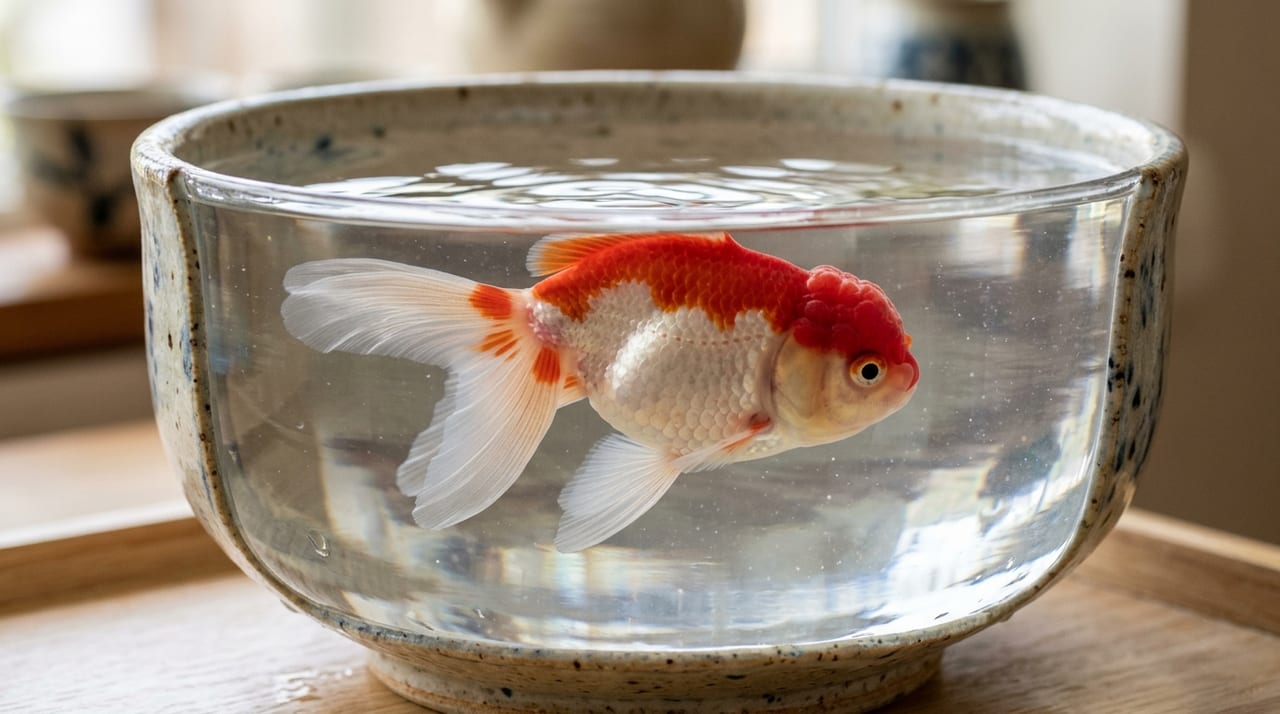
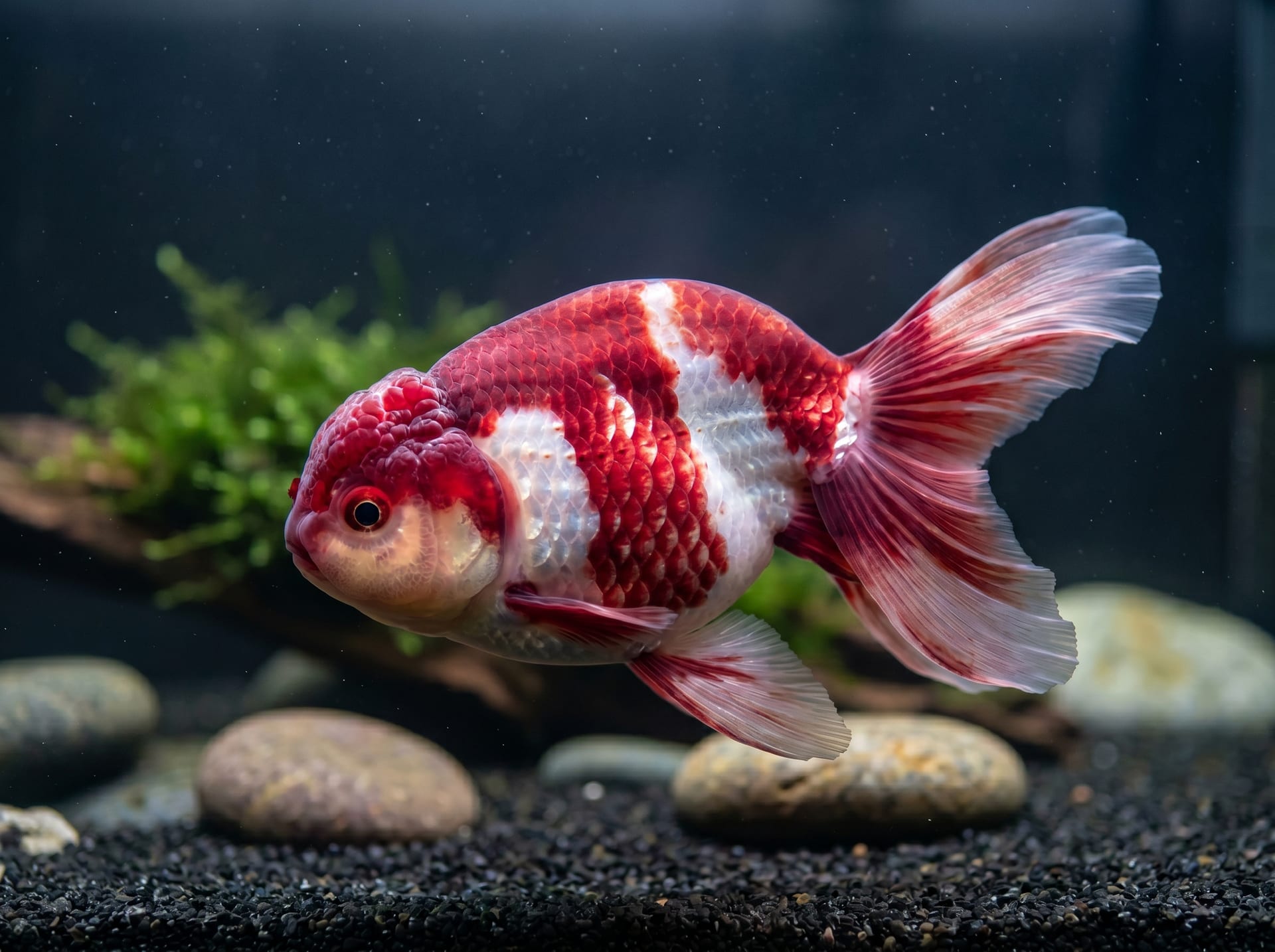
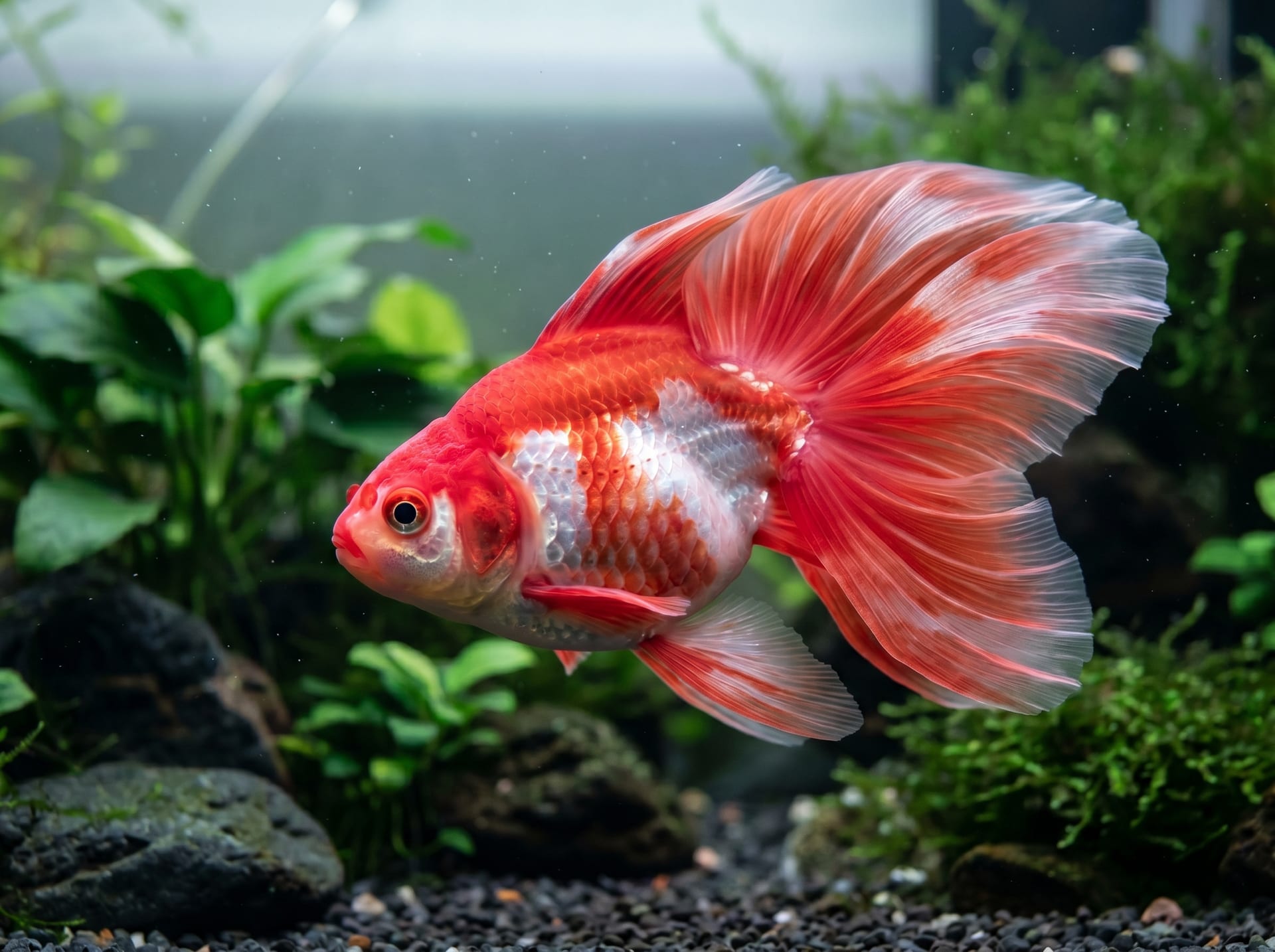
Tosakin originated in Kochi Prefecture, distinguished by its round body and reversed tail (sori-bire). The reversed tail has a unique shape where the tail fin curls forward, looking like a blooming flower when viewed from above. Called the "Queen of Goldfish," Tosakin are rigorously judged at shows for tail reversal, bilateral symmetry, and body balance. Traditional Tosakin keeping uses round bowls (marubachi)—shallow ceramic containers. Swimming in shallow water within round containers is believed to promote beautiful tail reversal development. Appropriate water depth is 15-20cm; too deep and the tail tends to droop, weakening the reversal. Ideal water temperature is around 25 degrees Celsius, with fish becoming susceptible to health issues above 30 degrees.
Practical Techniques for Round Bowl Keeping
Round bowl keeping is a traditional method for achieving beautiful tails on Tosakin and Jikin. Bowls are typically plastic tubs or ceramic vessels, 45-60cm in diameter and 15-25cm deep. Since water volume is only about 20-30 liters, water quality management becomes the primary challenge. The traditional approach uses no filter, maintaining water quality through daily or every-other-day complete water changes. Prepare replacement water by leaving it out overnight for dechlorination and matching the temperature. In summer, place bowls in sunny spots, exposing them to morning direct sunlight to enhance the fish's coloration. However, midsummer direct sun can cause rapid temperature spikes, so use reed screens or shade cloth to block afternoon sun. In winter, bring bowls indoors or wrap them with insulation.
Tail Finishing and Color Adjustment Basics
Jikin color adjustment (choshoku) is a technique of removing red pigment from juvenile fish using chemicals or manual methods to create the rokurin pattern. Typically, a potassium permanganate solution is used, protecting the areas where red should remain while bleaching the body's red coloring. This process is extremely delicate—mistakes in timing, concentration, or duration can harm the fish, so it should be performed under the guidance of experienced keepers. For Tosakin, tail finishing is inherent to the round bowl keeping process itself. Swimming in shallow, currentless water naturally develops the tail fin's forward curl. Young fish may show weak reversal, but it develops with growth, so there's no need to rush. However, genetic potential is most important—selecting fry from quality bloodlines is the first step to achieving beautiful tails.
Disease Prevention and Daily Care
Jikin and Tosakin are more delicate than common varieties and tend to be more disease-prone. Particularly in round bowl keeping without filters, water quality deteriorates quickly, increasing the risk of ich and fin rot. The foundation of prevention is daily water changes and feeding management. Feed 1 to 2 times daily in amounts the fish can consume within 5 minutes, and remove uneaten food promptly. Overfeeding high-protein food can cause swim bladder disorder, so choose easily digestible feeds. The rainy season and seasonal transitions are particularly disease-prone periods. Preventive salt baths at 0.3-0.5% concentration can suppress pathogen activity. At the first sign of abnormality, isolate and begin treatment promptly—early intervention is key to recovery.
Find Heritage Varieties on BriChoku
Jikin and Tosakin have limited availability and are rarely found at regular pet shops. On BriChoku, you can purchase directly from breeders specializing in heritage varieties, obtaining bloodline information and care advice. Learn the keeping expertise that brings out the best in these varieties from the breeders themselves, and experience the depth of Japan's goldfish culture.