Chocolate Gourami Care Guide | Soft Water, Low pH, and the Mystery of Mouthbrooding
Explains how to care for Chocolate Gouramis. Covers practical guidance on creating soft water and low pH environments, blackwater tank design, and observation tips for the mouthbrooding reproductive behavior.
Key Takeaways
Explains how to care for Chocolate Gouramis. Covers practical guidance on creating soft water and low pH environments, blackwater tank design, and observation tips for the mouthbrooding reproductive behavior.
Related Species
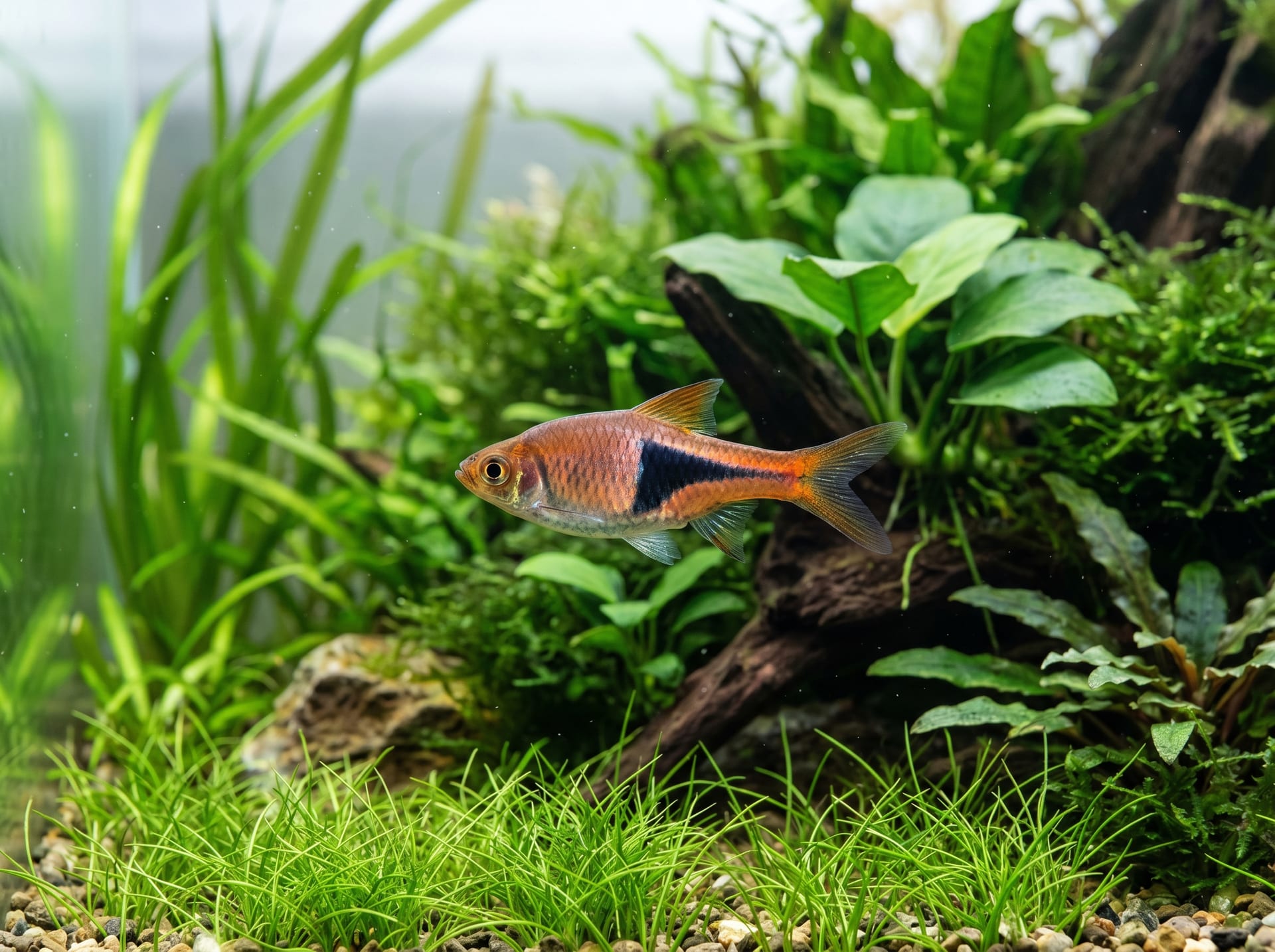
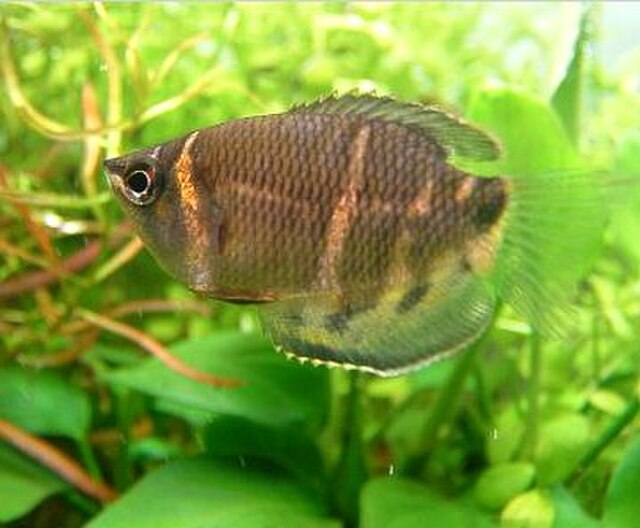
The Chocolate Gourami (Sphaerichthys osphromenoides) is a beautiful yet challenging tropical fish that inhabits blackwater (dark water) streams flowing through the tropical rainforests of Malaysia, Sumatra, and Borneo. It is prized for its attractive appearance with a chocolate-brown body marked by white and yellow stripes, as well as its unique breeding behavior where males brood eggs inside their mouths.
Basic Characteristics of the Chocolate Gourami
The Chocolate Gourami reaches a compact size of approximately 5–6 cm in length. The body is predominantly dark brown with white or cream-colored horizontal stripes running from the back to the tail. This stripe pattern resembles cocoa chocolate, which is how the species got its name.
Like other members of the gourami family, it possesses a labyrinth organ, allowing it to breathe air directly from the surface. This adaptation enables the fish to survive in environments with low dissolved oxygen.
While relatively peaceful in temperament, they are somewhat shy around other fish, making compatible tank mate selection important. Males especially may quarrel over territory when kept together. Providing plenty of hiding places in the tank helps reduce stress.
Chocolate Gouramis are suitable for intermediate to advanced aquarists. They have strict requirements regarding water quality, particularly soft water and low pH. Using standard tap water directly often causes health issues, making the establishment of a proper blackwater environment the key to success.
Water Quality Management: Creating a Blackwater Environment
Water quality management is the biggest challenge in keeping Chocolate Gouramis. In nature, they inhabit what is called "blackwater," extremely soft and acidic water where tannins and humic acids dissolve from decaying leaf litter.
Target water parameters are as follows:
- pH: 4.5–6.0 (ideally 5.0–5.5)
- Hardness (GH): 1–5 dGH (very soft water)
- Temperature: 24–28°C
- TDS (Total Dissolved Solids): approximately 50–100 ppm
There are several methods to achieve this environment. To obtain soft water, using a reverse osmosis (RO) water filter or commercial distilled water is the most reliable approach. Standard tap water in Japan, depending on the region, often has excessive hardness.
To create blackwater conditions, use Indian almond leaves (magic leaves) or peat moss (placed in the filter in a dedicated net). These release tannins and humic acids, coloring the water tea-brown while lowering pH. They also promote bacterial activity and create water quality closer to natural conditions.
Perform weekly water changes of approximately 20–30% of the total water volume. It is crucial that replacement water matches the tank water in temperature and pH before adding it. Sudden water quality changes can cause health problems.
Tank Design, Substrate, and Layout
A tank of at least 60 cm (60 L or larger) is recommended for Chocolate Gouramis. For group keeping, 90 cm or larger is ideal.
Choose a substrate suitable for blackwater environments. Aquatic soil (aquatic plant soil) is appropriate as it acidifies the water. Dark sand also creates a natural appearance.
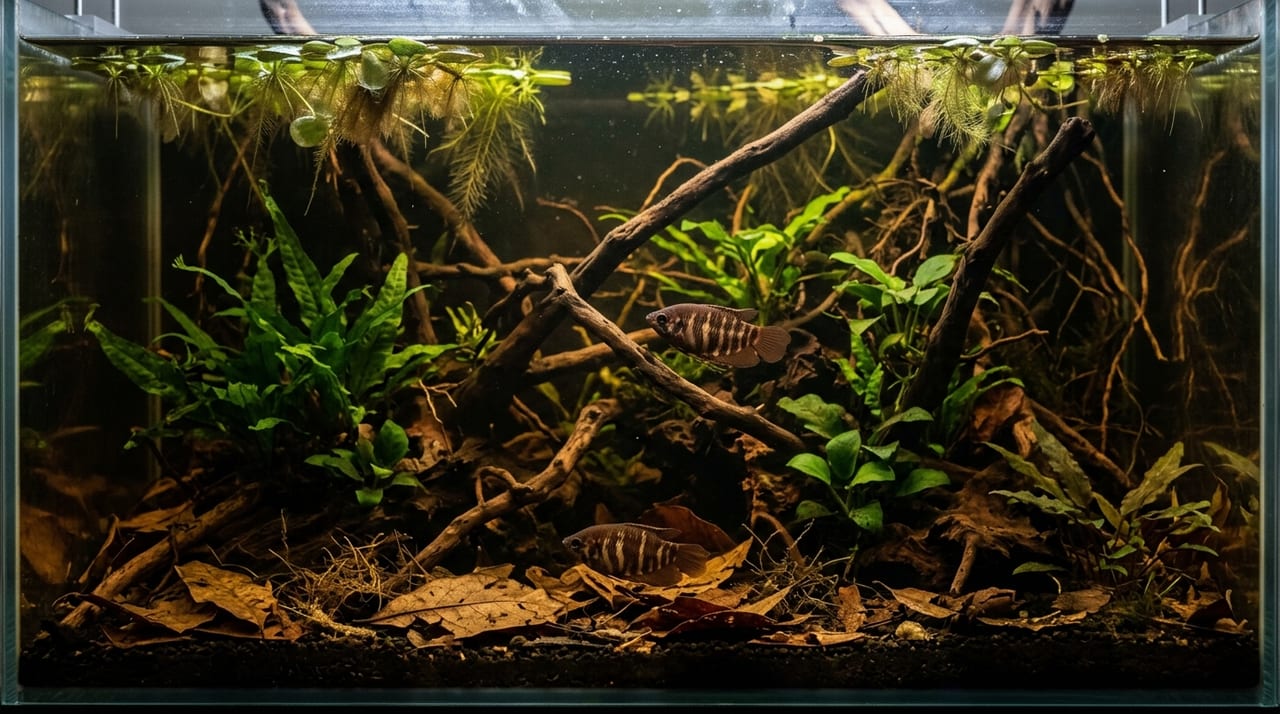
The ideal layout combines driftwood and leaf litter (with abundant Indian almond leaves) in a blackwater style. Floating plants like frogbit or water sprite on the surface help dim lighting and calm the fish. Aquatic plants that prefer slightly acidic conditions, such as Anubias or Bolbitis, are suitable.
Keep lighting dim to avoid stressing the fish. Aim for 8–10 hours of light per day.
It is important to set the filter to produce minimal water flow. Natural blackwater environments have almost no current. Sponge filters are ideal due to their gentle flow. If using an external filter, use a shower pipe at the outlet to disperse the water flow.
Tank Mates and Feeding
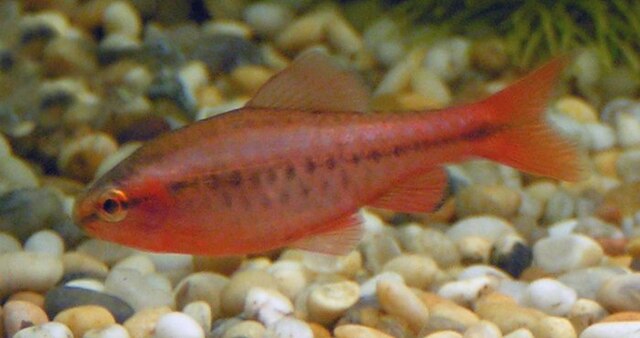
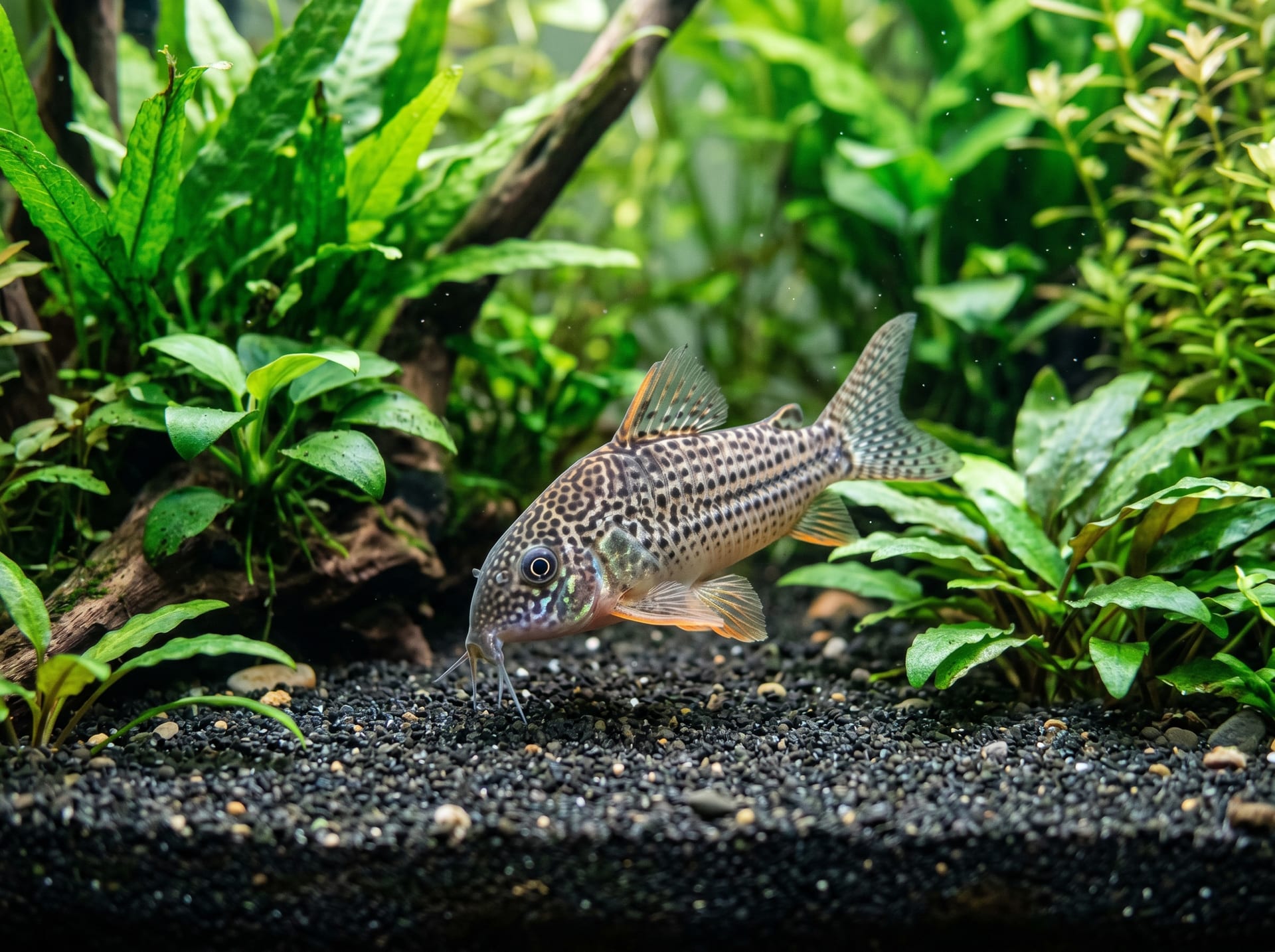
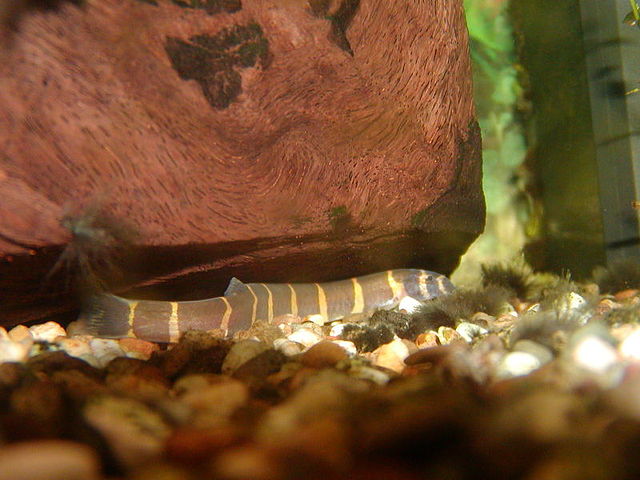
Suitable tank mates are peaceful fish that also prefer blackwater environments. Good options include Blue-eye Rasbora, Cherry Barbs, Kuhli Loaches, and certain Corydoras species.
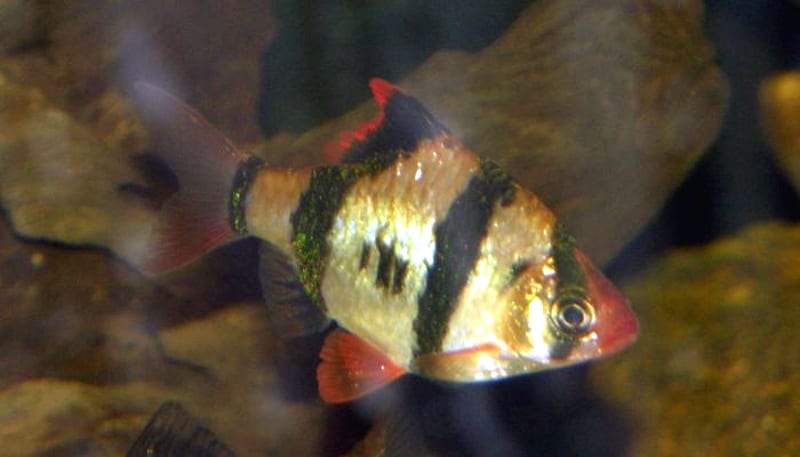
Avoid fish that prefer strong currents or fin-nipping species like Tiger Barbs. Large fish also pose a predation risk due to size difference.
They prefer live or frozen foods such as bloodworms, brine shrimp, and daphnia. They can be conditioned to accept prepared foods, but they are selective eaters, so try multiple types. Fine flake or micro pellet foods are easiest to consume. Feed twice daily, providing only what can be consumed in 3–5 minutes.
Breeding Behavior: The Mystery of Mouthbrooding
One of the most fascinating aspects of Chocolate Gouramis is their breeding behavior where males (or in some cases females) brood fertilized eggs in their mouths—a process called mouthbrooding.
To encourage breeding, provide high-quality live food to condition the fish, slightly raise the temperature (26–28°C), and increase the frequency of water changes.
The female spawns under floating plants or in crevices of driftwood, after which the male fertilizes the eggs and broods them in his mouth until they hatch. During this period (approximately 10–14 days), brooding parents eat almost nothing. When fry first emerge from the male's mouth, he may return them if he senses danger.
Fry are extremely small and initially require infusoria (microorganisms) or commercial fry food. Growth accelerates around day 5 when newly hatched brine shrimp nauplii can be offered. Fry are highly sensitive to water quality changes, requiring especially stable conditions in the rearing tank.
Successfully breeding Chocolate Gouramis is a rewarding experience in tropical fishkeeping. If you aspire to be an intermediate to advanced breeder with good water quality management skills, we encourage you to try it.