Introduction to Chameleon Care
Why chameleons are considered difficult to keep, and keys to success. Covers humidity, ventilation, hydration, and care basics for veiled and panther chameleons.
Key Takeaways
Why chameleons are considered difficult to keep, and keys to success. Covers humidity, ventilation, hydration, and care basics for veiled and panther chameleons.
Related Species
Chameleon Care for Beginners | Why They're Difficult to Keep and Secrets to Success
Chameleons are reptiles that captivate people with their unique biology, including color-changing abilities, independently moving eyes, and long tongues. However, they're often said to be "difficult to keep," and without proper knowledge, they frequently have short lifespans. This article explains why chameleons are difficult to keep and provides specific tips for success.
Why Chameleons Are Difficult to Keep
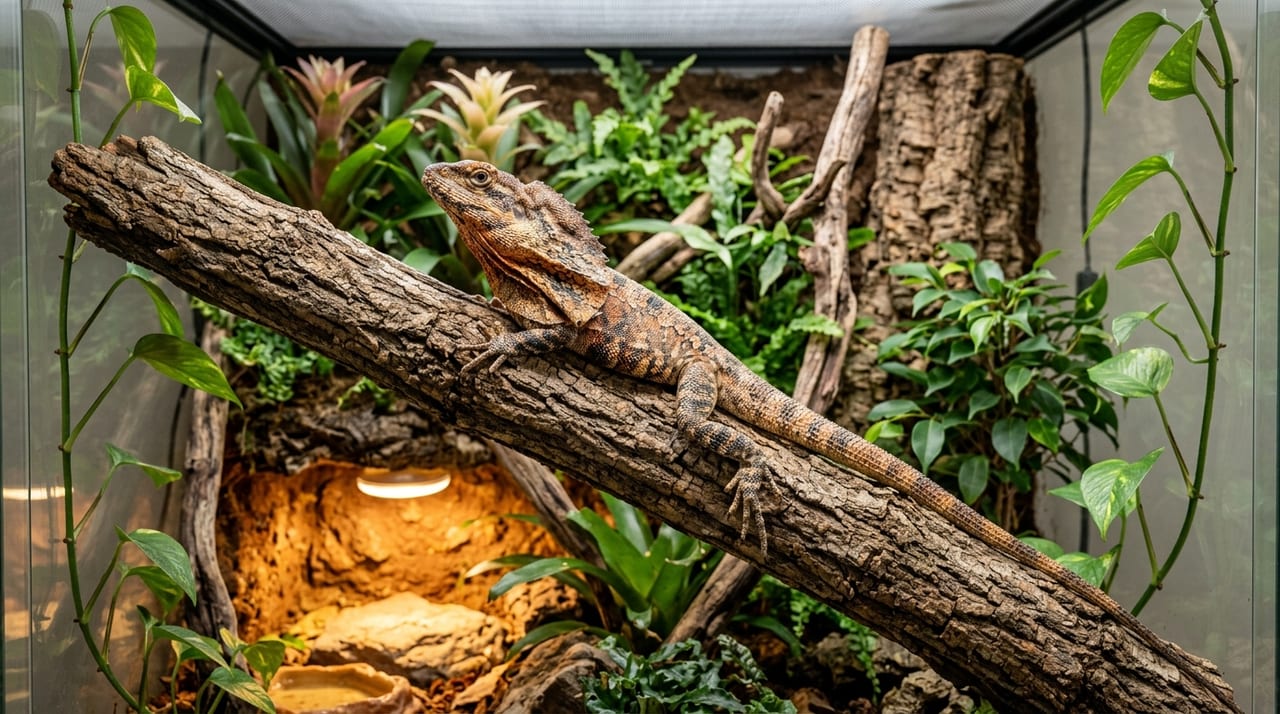
Unique Environmental Requirements Chameleons require a paradoxical combination of high humidity and good ventilation. A humid, poorly ventilated environment can cause respiratory infections, while excessive dryness leads to dehydration.
Extreme Stress Sensitivity Chameleons are extremely stress-sensitive, and stress triggers immune suppression, loss of appetite, and color fading. Many individuals dislike being handled, so while daily observation is necessary, handling should be kept to a minimum.
Difficulty with Hydration Most chameleons only drink moving water. They won't drink from standing water, so special hydration methods like misting or drip systems are essential.
Risk of Dehydration Dehydration is a very common problem due to the difficulty in providing water. Sunken eyes, yellowing skin, and sluggish movement are signs of dehydration.
Popular Pet Chameleon Species
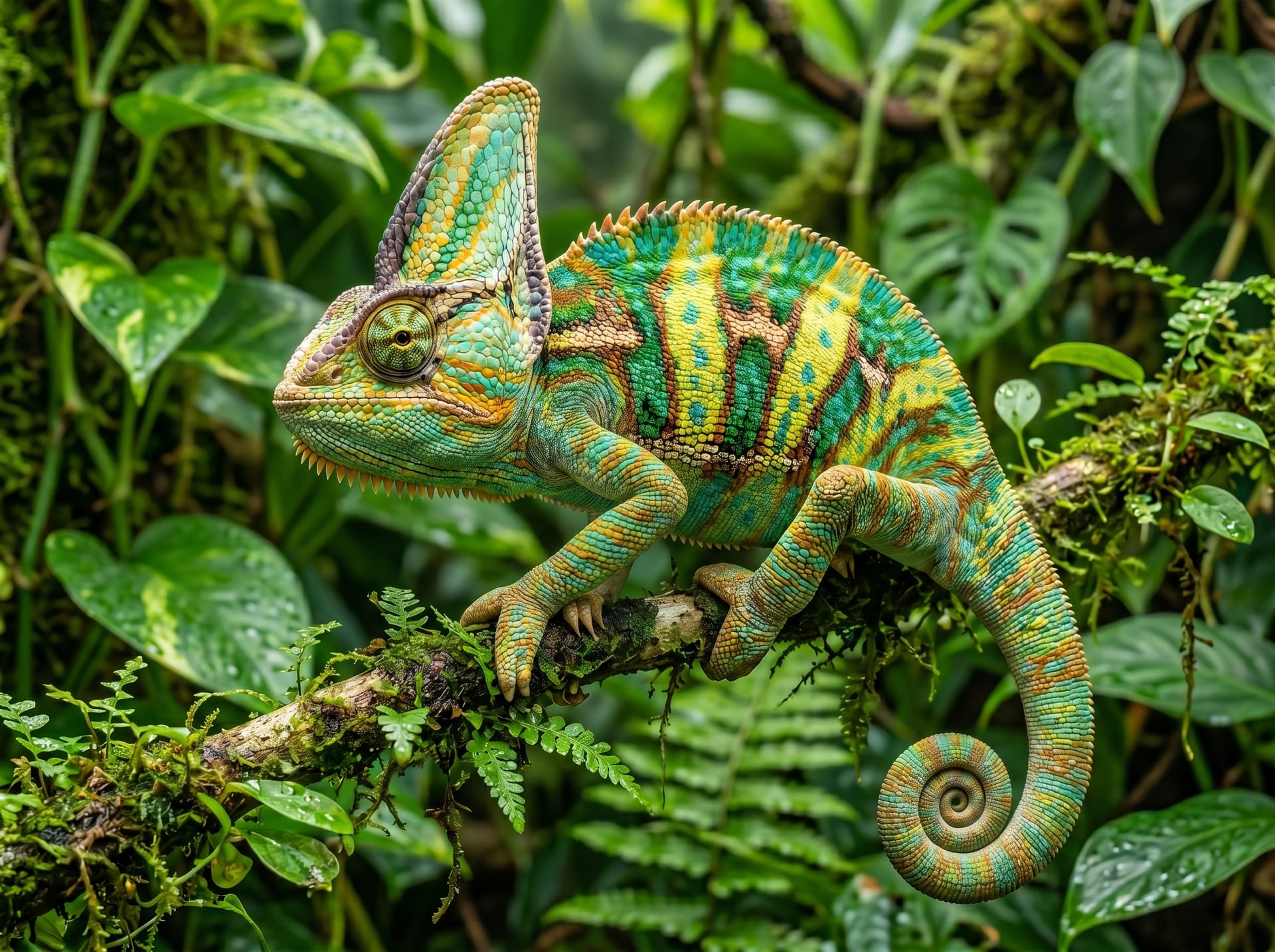
Veiled Chameleon (Chamaeleo calyptratus) The best chameleon for beginners. Characterized by a distinctive large helmet-shaped crest on the head. They're relatively hardy and adapt well to artificial feeders.
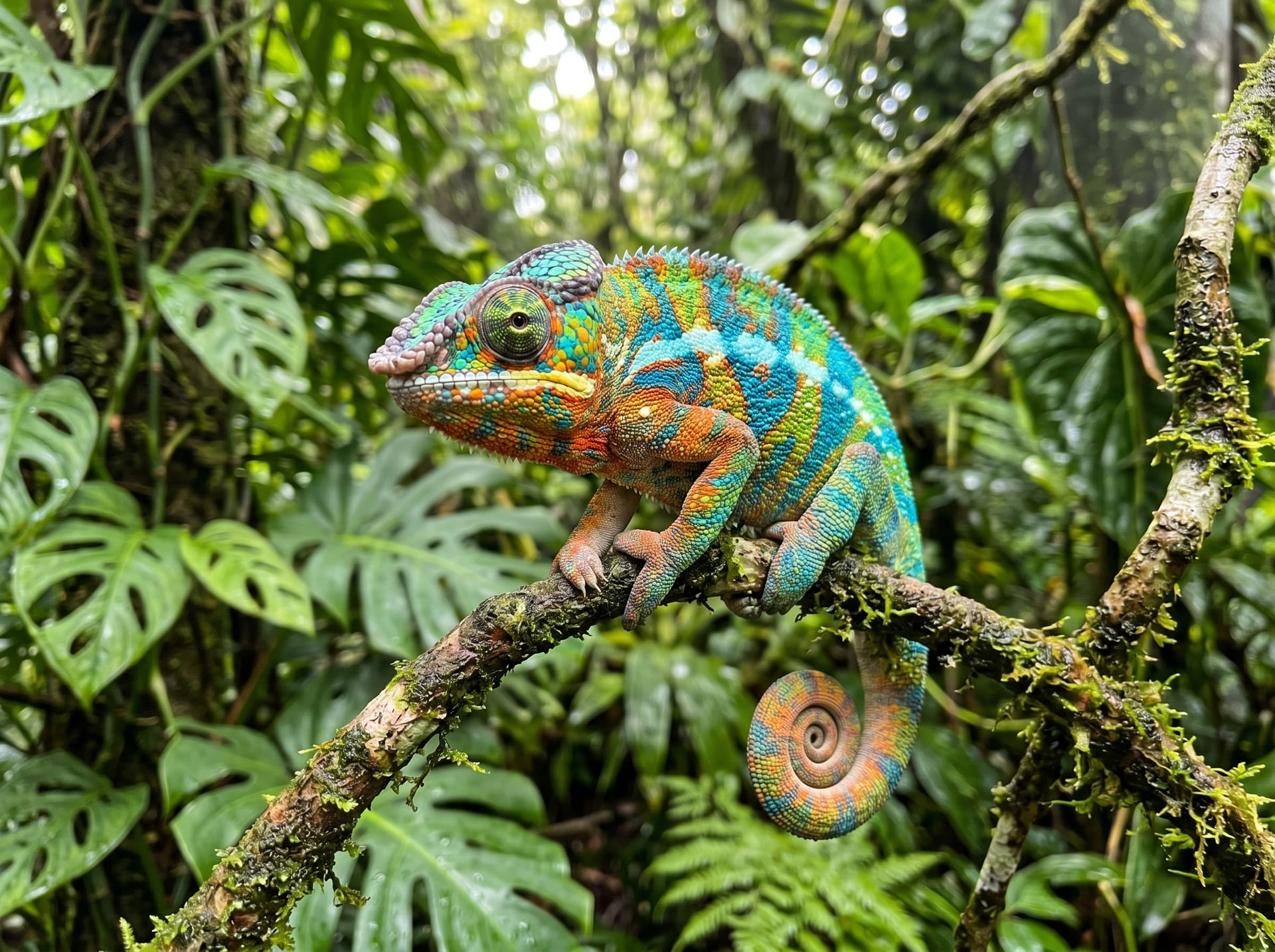
Panther Chameleon (Furcifer pardalis) Native to Madagascar. Males have strikingly vibrant and beautiful colors, making them highly popular with collectors. Their color varies by locality, with many different morphs available. They're more delicate than Veiled Chameleons and require more advanced care.
Bearded Chameleon An alternative name for the Veiled Chameleon. It's the same species.