Ethical Cat Breeding Guide | Protecting Feline Health and the Sustainable Future of Breeds
What cat breeders and prospective cat owners should know about ethical breeding practices. This article explains the fundamentals of responsible breeding, including prevention of overbreeding, inbreeding, and breed-specific health issues.
Key Takeaways
What cat breeders and prospective cat owners should know about ethical breeding practices. This article explains the fundamentals of responsible breeding, including prevention of overbreeding, inbreeding, and breed-specific health issues.
In recent years, the pet industry has seen a rapid surge in interest toward "animal welfare." Cat breeding in particular is shifting away from viewing breeds as mere "products," toward "ethical breeding" that holistically considers individual health, quality of life, and the long-term sustainability of the breed. This article explores the ethical breeding practices that responsible breeders should implement.
✍️
BreederDirect Editorial
The BreederDirect editorial team specializes in care information for animals, covering veterinary care and breeding to deliver beginner-friendly guides.
Find Cats on BreederDirect
Buy directly from verified breeders
Browse Related Listings
Find Cats listings related to this article on BreederDirect. Buy directly from verified breeders.
Ethical breeding is an approach to reproduction that prioritizes three core pillars, rather than chasing maximum profit or aesthetic beauty alone:
Prioritizing individual health: Physical and mental health of both parent and offspring cats must come first. To maximize the chances that kittens are born and develop healthily, breeders must conduct genetic disease screening, manage health proactively, and maintain appropriate breeding intervals.
Maintaining genetic diversity in the breed: Purebred cats that undergo repeated inbreeding lose genetic diversity, leading to weakened immune systems and the spread of specific diseases. Ethical breeders leverage pedigree databases to pair genetically distant individuals whenever possible.
Responsible adoption placement: Finding appropriate permanent homes for kittens is equally an important responsibility of the breeder. It does not end at handover—breeders should verify the adopter's living environment beforehand and provide ongoing support should issues arise.
Understanding Breed-Specific Health Issues
Many purebred cat breeds face specific health risks in exchange for their distinctive appearance. Understanding these risks and breeding responsibly is part of an ethical obligation.
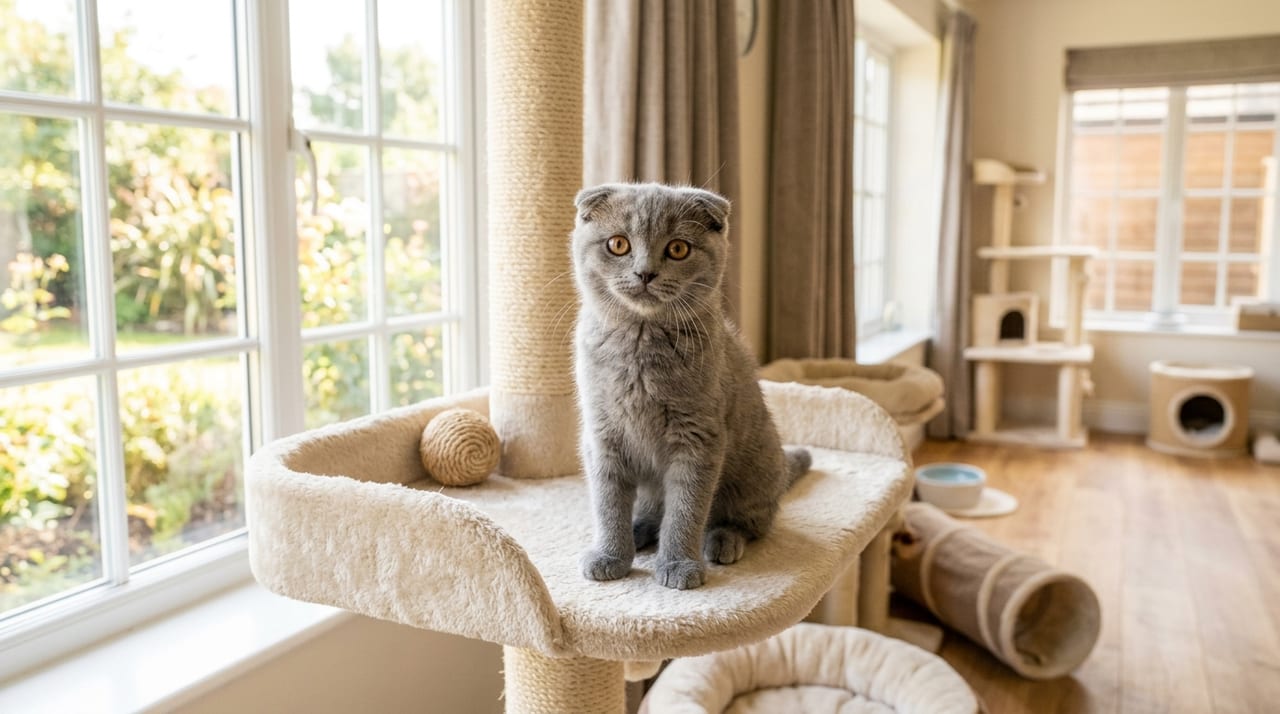
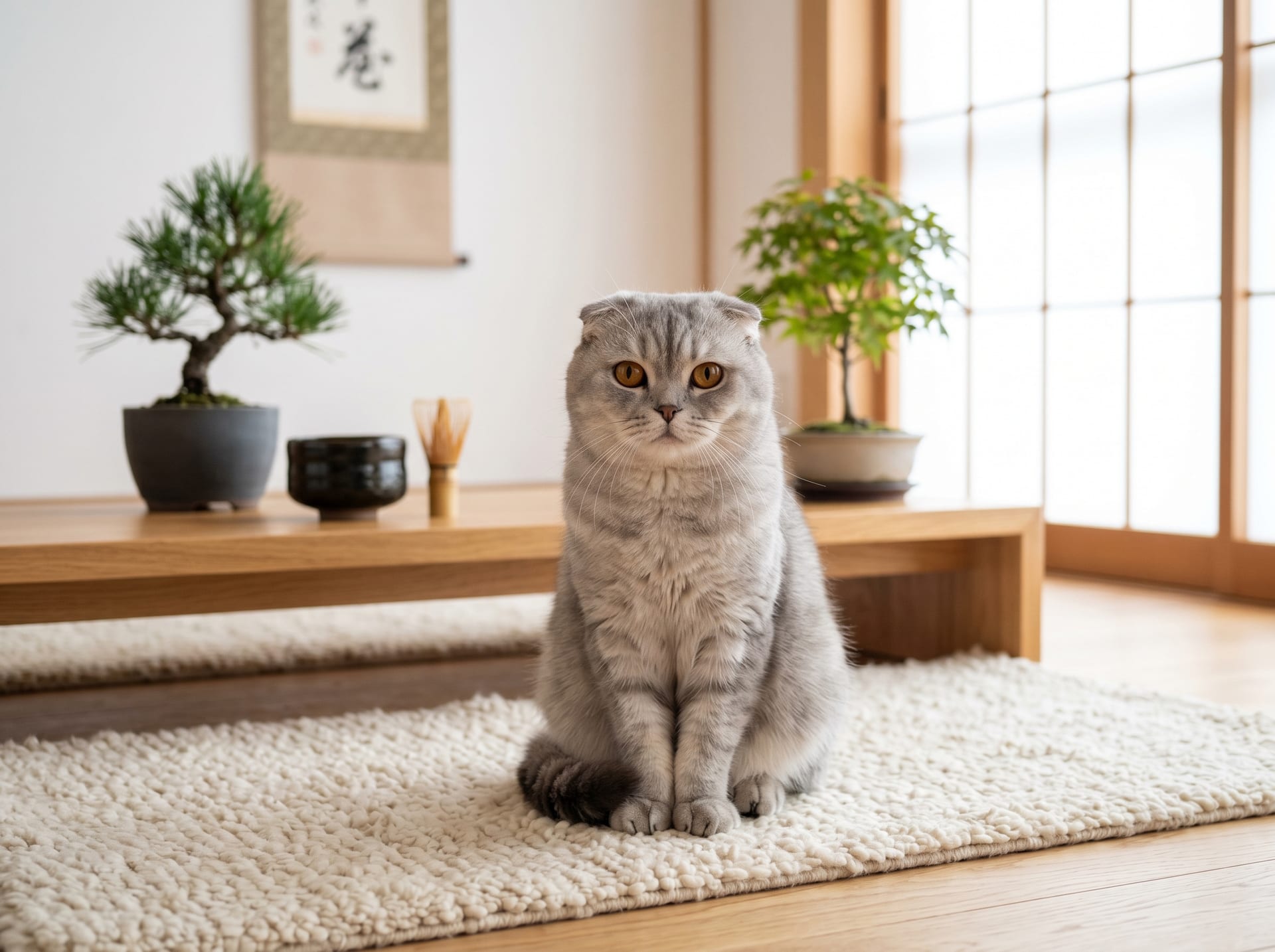
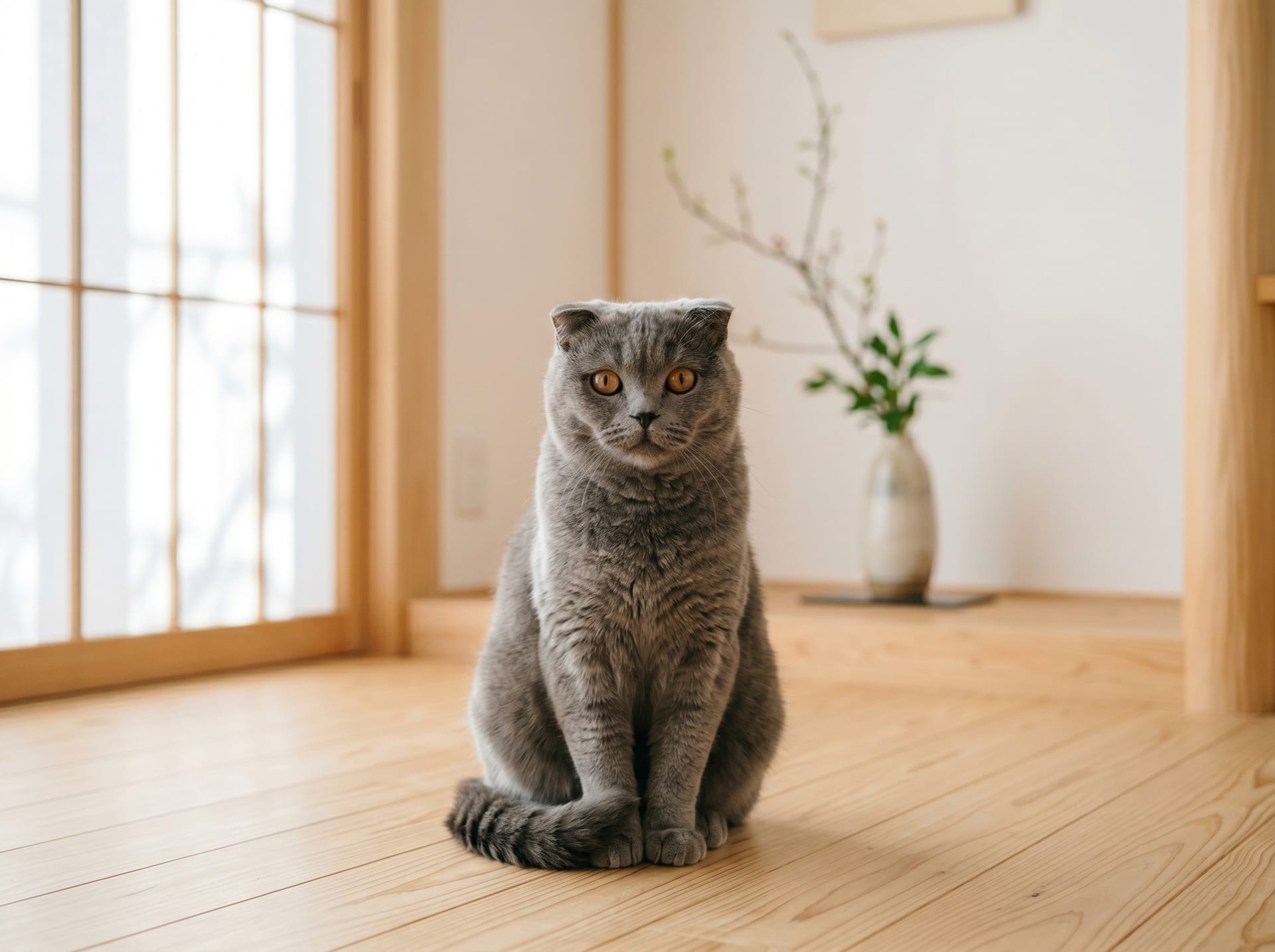
Scottish Fold joint disease: The folded ear trait is genetically linked to cartilage abnormalities (osteochondrodysplasia), and breeding two folded-ear cats significantly increases the risk of severe joint disease. In many countries, fold-to-fold breeding is considered ethically problematic, and breeding to straight-eared individuals (Scottish Straight) is recommended instead.
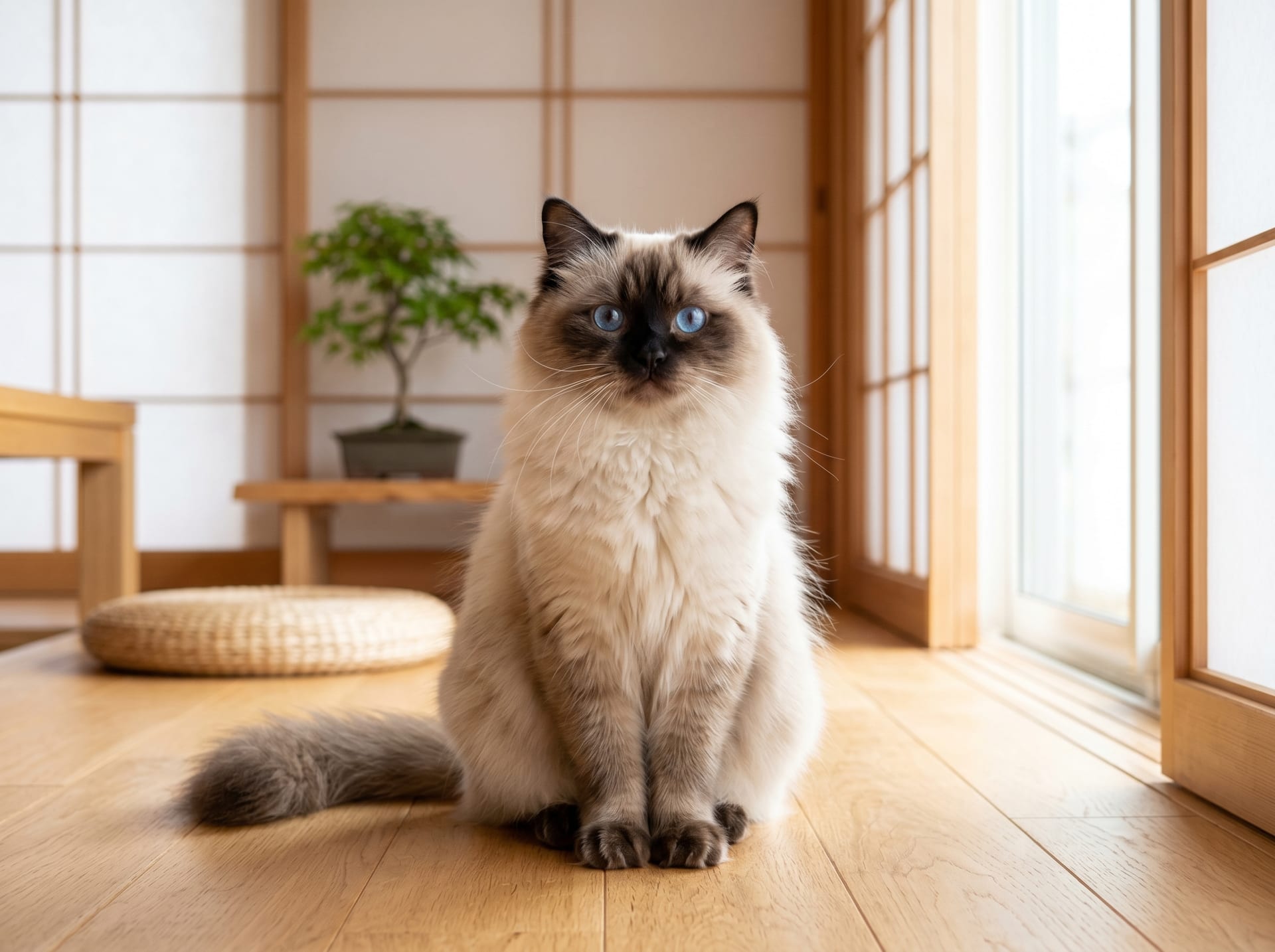
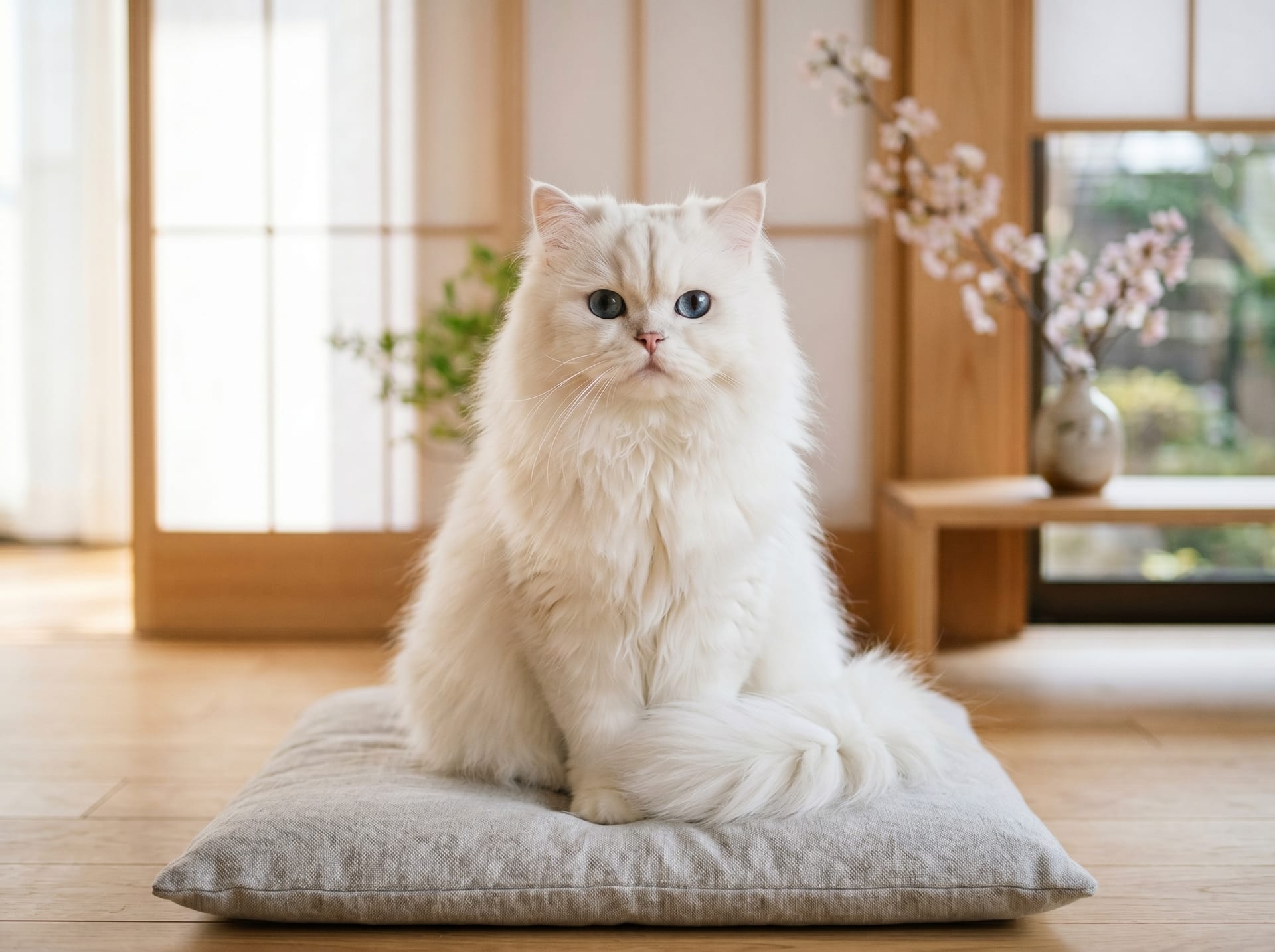
Persian and Himalayan respiratory issues: Extremely flattened faces (brachycephalic type) cause breathing difficulties (brachycephalic airway syndrome) and excessive tearing. Prioritizing appearance and breeding excessively short-nosed cats risks worsening symptoms across generations.
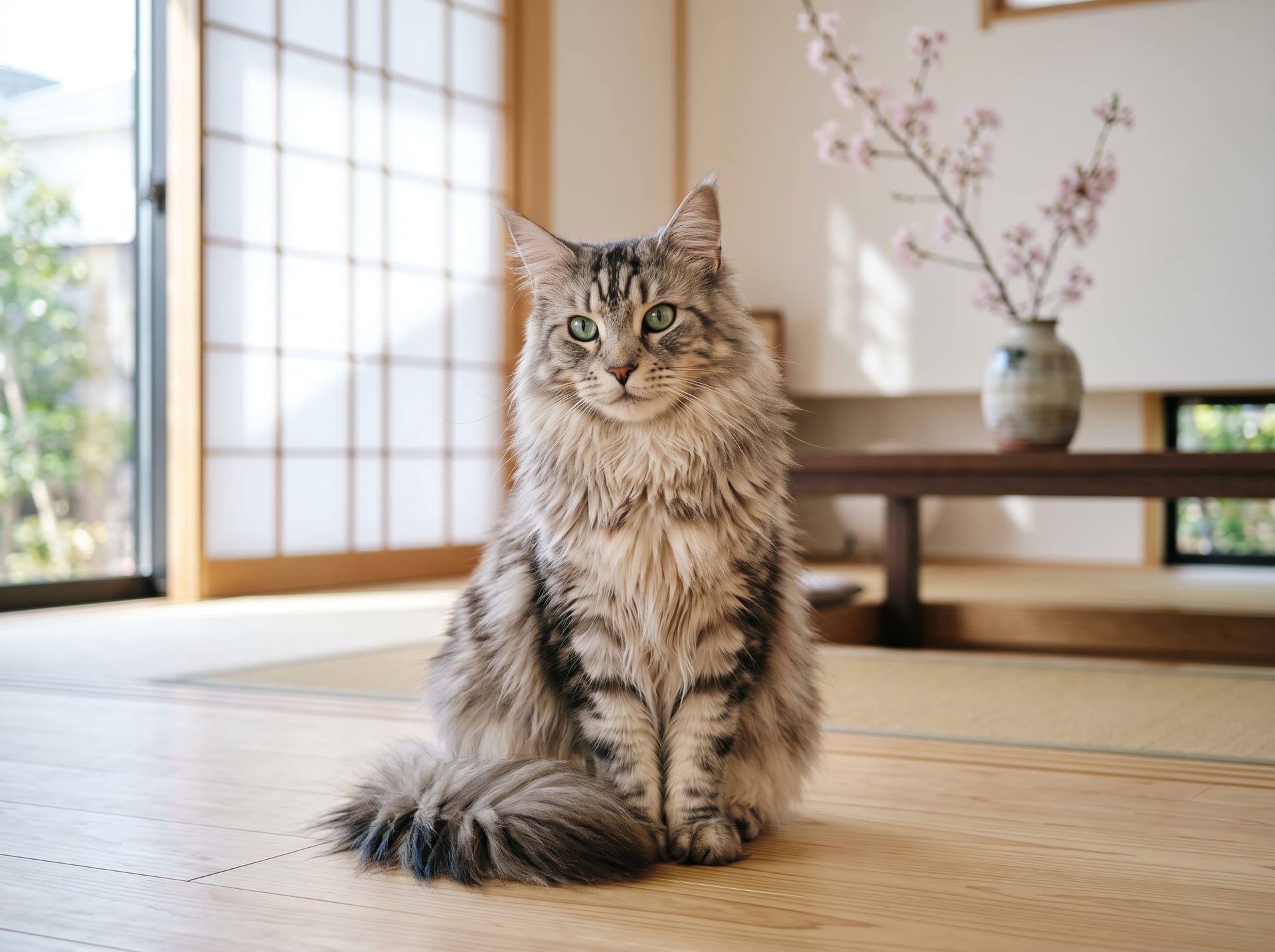
Maine Coon heart disease (HCM): Hypertrophic cardiomyopathy (HCM) is a genetic heart condition commonly seen in Maine Coons. Responsible breeders conduct HCM genetic screening (MYBPC3 mutation testing) and either remove carrier individuals from breeding or manage them with great care.
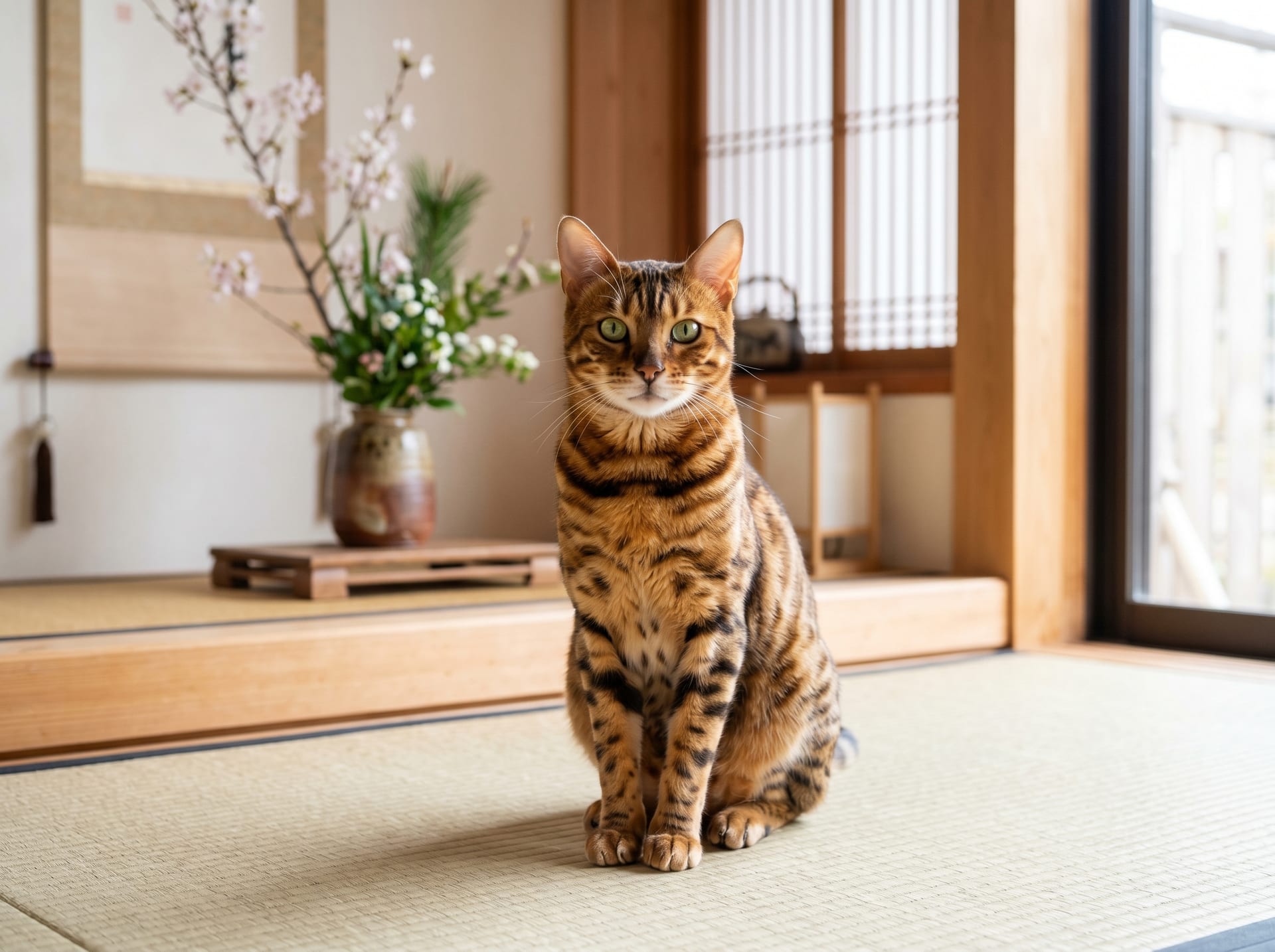
Bengal progressive retinal atrophy (PRA): An inherited eye disease found in Bengals that can lead to blindness. Genetic screening is fundamental to ethical breeding.
Appropriate Breeding Intervals and Dam Health Management
Imposing excessive reproductive burden on female cats causes significant harm to their health.
Breeding interval guidelines: Generally, female cats are considered healthy when producing litters once to twice per year at most. Consecutive pregnancies and excessively frequent births lead to nutritional decline, weakened immunity, and reduced bone density in the mother. Note that this one to two litters per year is a practical industry standard for protecting maternal health, not a legal requirement. The Animal Husbandry Management Standards Ordinance sets requirements only for breeding age (6 years or younger) in cats; no upper limit on litter frequency is legally mandated (dogs do have a lifetime limit of six litters). Because cats are polyestrous and can produce roughly three litters annually, the environment ministry adopted age-based standards. Precisely because no legal cap exists on litter frequency, management of breeding intervals remains largely a matter of breeder ethics.
Appropriate breeding age: Initial breeding for females is recommended after 10–12 months of age. Earlier breeding forces pregnant or nursing demands on cats whose skeletal and muscular development is incomplete. Once breeding is complete, spaying at an appropriate time ensures the individual enjoys a healthy subsequent life.
Post-birth nutrition: During lactation, caloric needs are typically 1.5 to 2 times normal. Providing high-quality kitten food (formulated for pregnant and nursing cats) in sufficient quantity ensures the mother does not become depleted.
Genetic and Health Screening That Breeders Should Conduct
Ethical breeders implement appropriate testing on breeding stock.
Genetic testing panels: Recommended genetic tests vary by breed. Testing through specialized providers such as Optimal Selection (Genoscoper) and UC Davis is widely used.
Cardiac screening (echocardiography): Breeds at risk for HCM should receive regular cardiac echocardiograms performed by a veterinary specialist.
FeLV and FIV testing: Feline Leukemia Virus (FeLV) and Feline Immunodeficiency Virus (FIV) can spread to kittens through infected cats. Breeding cats should be tested regularly for these viruses.
Standards for Responsible Adoption Placement
Carefully selecting adoptive homes rather than casually selling or surrendering kittens is also crucial to ethical breeding.
Can the adopter commit to lifetime care?
Is the living environment adequate (space, safety)?
Can the adopter afford veterinary care (routine checkups, emergencies)?
Has feline allergy been ruled out for all family members?
Additionally, maintaining contact with adoptive families by regularly sharing updates on the kitten's growth and offering support if problems arise creates a foundation for long-term trust.
Cat breeding is an act of bringing small lives into the world. BreederDirect is committed to being a platform where people can connect with trustworthy breeders who prioritize animal welfare. Adopting a healthy cat from an ethical breeder is a first step toward realizing a better pet culture.