Introduction to Outdoor Bird Keeping (Aviary) | Designing and Managing Large Bird Cages in Your Garden | ブリちょく
Birds| ✍️ BreederDirect Editorial
Introduction to Outdoor Bird Keeping (Aviary) | Designing and Managing Large Bird Cages in Your Garden
Explains the design and management methods for outdoor aviaries (large bird houses) installed in gardens. We've compiled information for starting outdoor bird keeping, from material selection, weather protection, predator prevention, to suitable bird species.
Key Takeaways
Explains the design and management methods for outdoor aviaries (large bird houses) installed in gardens. We've compiled information for starting outdoor bird keeping, from material selection, weather protection, predator prevention, to suitable bird species.
Related Species
Introduction to Outdoor Bird Keeping (Aviary) | Designing and Managing Large Bird Cages in Your Garden
An aviary is a large bird house where birds can flap freely and fly around. By installing one in your garden or spacious balcony, you can provide birds with ample space, natural light, and fresh air. The greatest appeal of an aviary is that you can observe birds in their naturally vibrant state—something that's impossible with indoor cage keeping.
On the other hand, because it's installed outdoors, you must contend with risks distinct from indoor keeping—weather, predators, and sanitation. This article systematically explains the key points for those considering installing an aviary for the first time, from design and material selection to daily management.
---
Aviary Design and Material Selection
The basic structure of an aviary consists of a frame as the skeleton and mesh (wire netting) that forms the walls. The choice of materials directly affects bird safety and the effort required by the keeper.
Frame Options
Material
Advantages
Disadvantages
Aluminum
Lightweight, rust-resistant
High cost
Stainless Steel
Highly durable
Heavy and expensive
Pressure-treated Wood
Affordable, easy to work with
✍️
BreederDirect Editorial
The BreederDirect editorial team specializes in care information for animals, covering veterinary care and breeding to deliver beginner-friendly guides.
Find Birds on BreederDirect
Buy directly from verified breeders
Browse Related Listings
Find Birds listings related to this article on BreederDirect. Buy directly from verified breeders.
If using wood, it's essential to use pet-safe paint. Zinc-based paints and preservatives pose a toxicity risk to birds and must be avoided.
Choosing Mesh
Choose stainless steel mesh or PVC-coated welded wire mesh. Inexpensive galvanized wire mesh is unsuitable for aviaries because birds can develop zinc toxicity from chewing on it.
Mesh size depends on the species you're keeping.
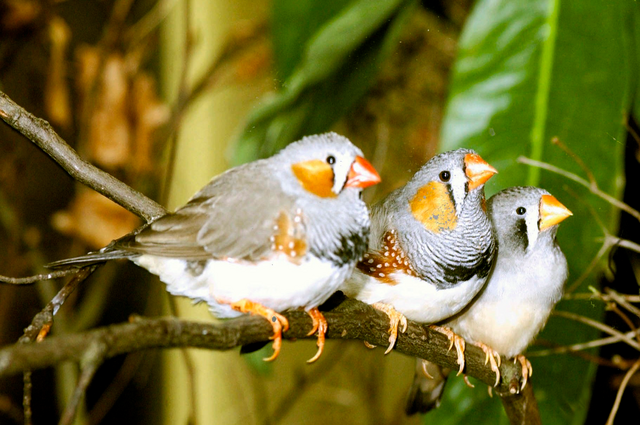
Small finches, Java sparrows: 12mm or smaller
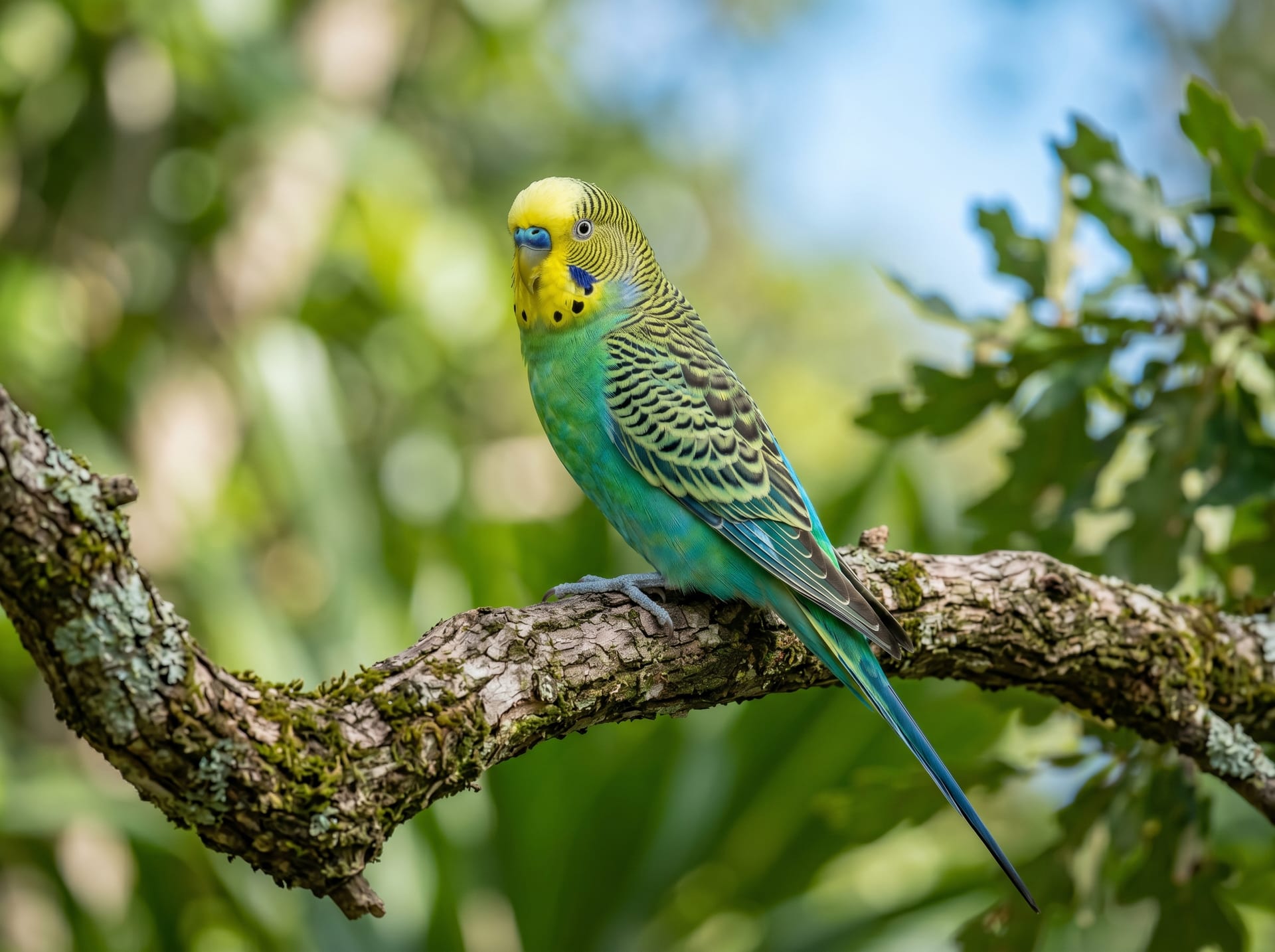
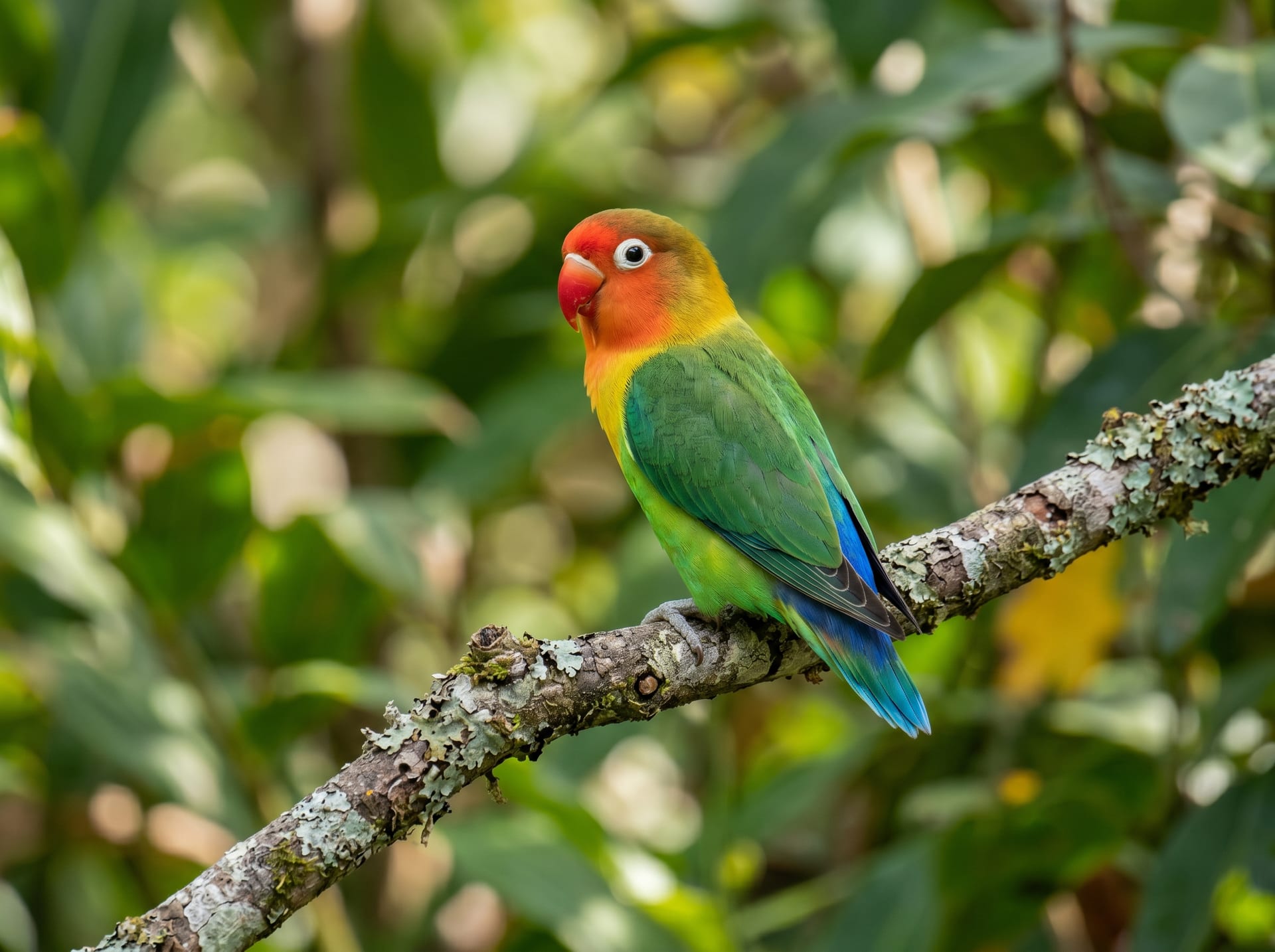
Budgies, rosy-faced lovebirds: 20-25mm or smaller
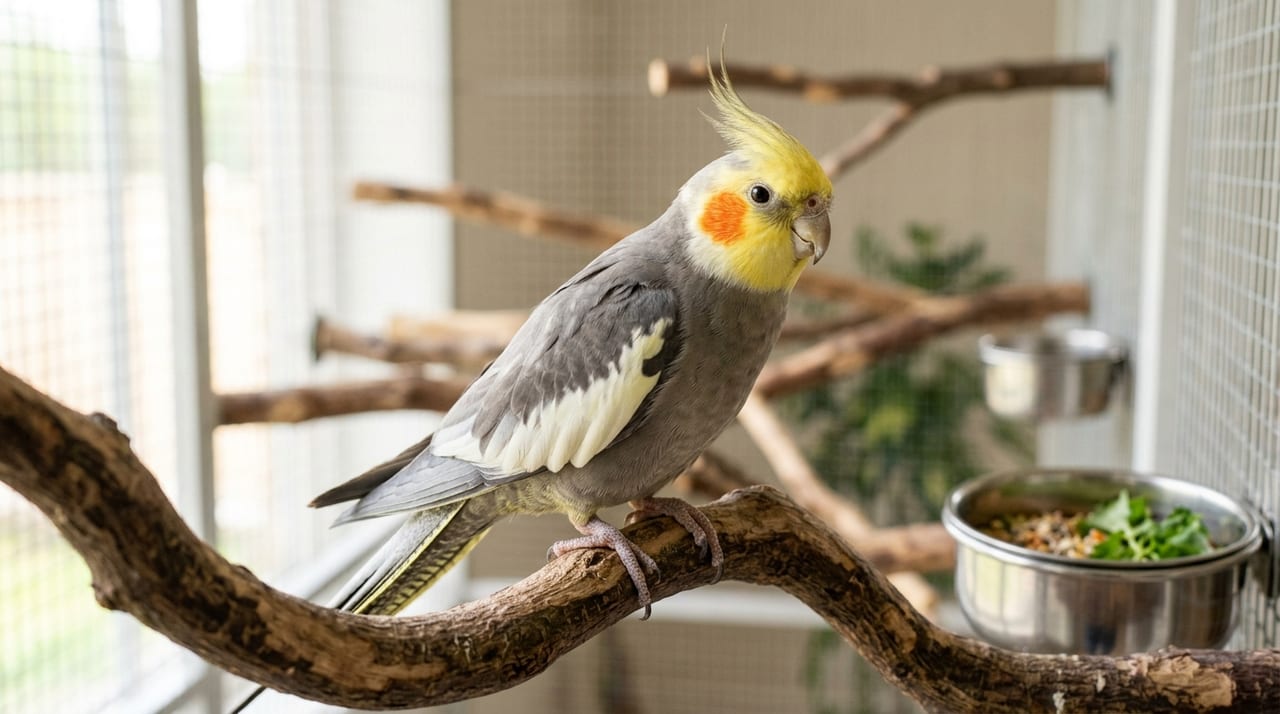
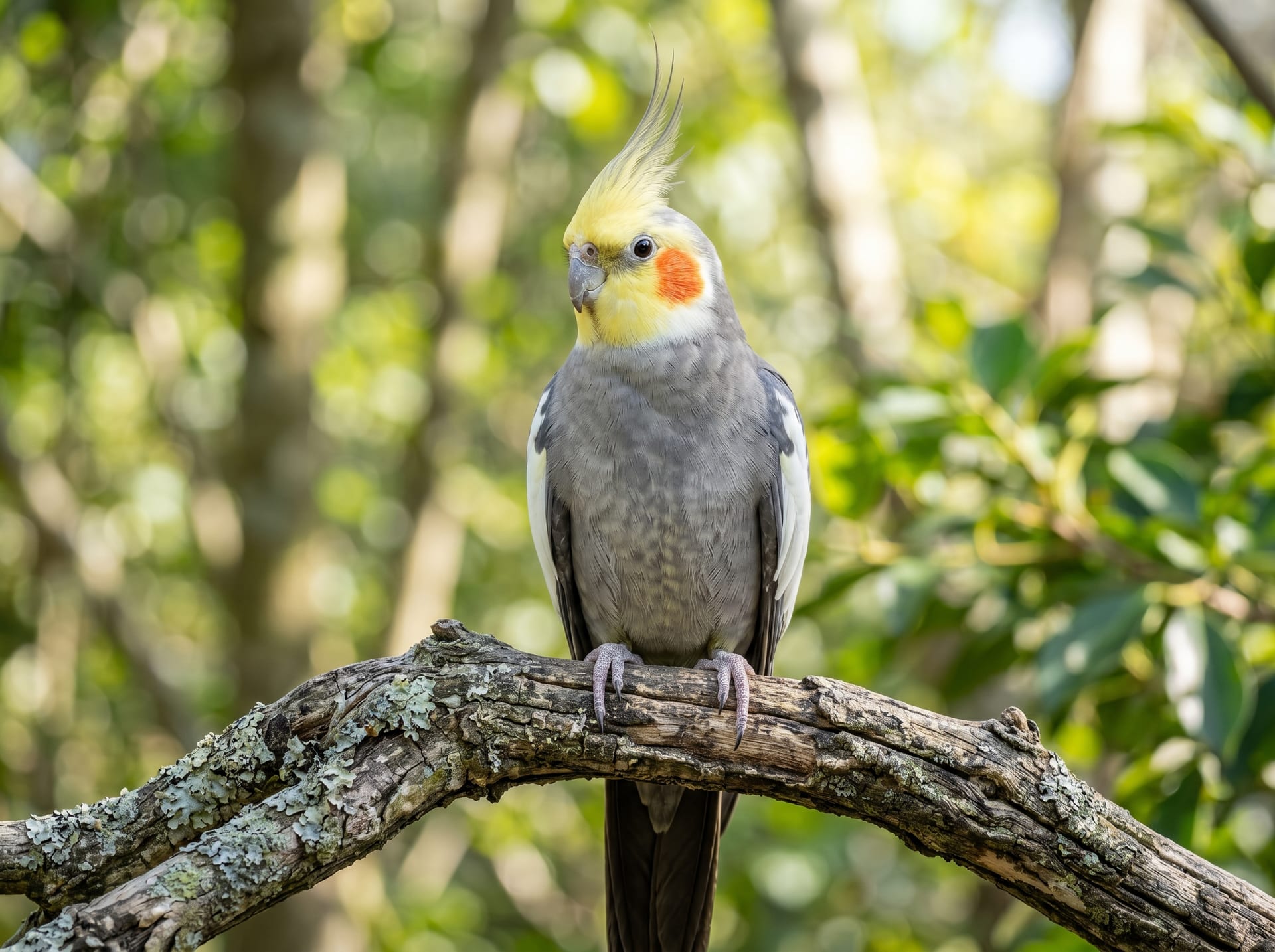
Cockatiels, medium-sized parakeets: 25mm or smaller
Choosing a finer mesh is important to prevent wild birds and mice from entering.
Recommended Size
Ensure a minimum of approximately 2m wide × 1m deep × 2m high. For multiple birds or medium-sized parakeets and larger species, additional space is necessary. Having adequate space for birds to fly is key to reducing stress and maintaining health.
---
Weather Protection and Creating a Comfortable Environment
Without design that accounts for Japan's four seasons, various risks arise—summer heatstroke, winter freezing, and mold and humidity during the rainy season. Here are tips for maintaining a comfortable aviary environment.
Balancing Roof Coverage and Lighting
Cover approximately one-third to one-half of the entire aviary with corrugated panels or polycarbonate sheets to provide shelter from rain and direct sunlight. Leave the remaining area with only mesh to ensure adequate light and ventilation.
Seasonal Measures
Summer: Use shade cloth to block direct sunlight. Installing mist nozzles is also effective. Ensure frequent ventilation to prevent heat buildup.
Winter: Install windbreak panels or agricultural vinyl sheeting on the north and west sides to block cold wind. For cold-sensitive species, create a "shelter area" equipped with an electric infrared heater for peace of mind.
Internal Environment Setup
Rather than a monotonous space, design the interior with a natural environment in mind.
Perches: Install multiple perches of varying thickness to allow even muscle use of the feet
Plants: Place non-toxic plants such as mock orange, plum, or bamboo (toxic plants are strictly prohibited)
Bathing area: Install shallow trays or a small water basin. A daily bathing environment is essential for bird health
Floor: Concrete or gravel is more hygienic than soil. A slope of 1-2% for drainage makes cleaning easier
---
Predator and Pest Control
The most serious risk in outdoor keeping is attack by predators. Many animals—cats, crows, weasels, snakes, and mice—can pose threats to an aviary.
Basic Predator Prevention
Double mesh structure: Add an outer layer of wire mesh to significantly increase strength
Underground embedding: To prevent ground-level entry, bury the mesh at least 30cm underground or install a concrete foundation
Double-door structure (airlock): Prevents birds from escaping when the door opens while also blocking predators. Secure locking with padlocks is essential
Wild Bird and Pest Prevention
Contact with wild birds poses risks of transmitting influenza virus, mycoplasma, and external parasites (mites and lice). Install fine bird netting on the outside to prevent wild birds from touching the mesh directly.
Motion-sensor lights and security cameras are also effective at night. Make it a habit to regularly inspect the mesh for damage and gaps, and repair even small holes immediately.
---
Bird Species Suitable for Aviaries
Selecting species that can withstand Japan's climate, especially winter cold, is essential for successful outdoor aviary keeping.
Species Relatively Suited to Outdoor Keeping
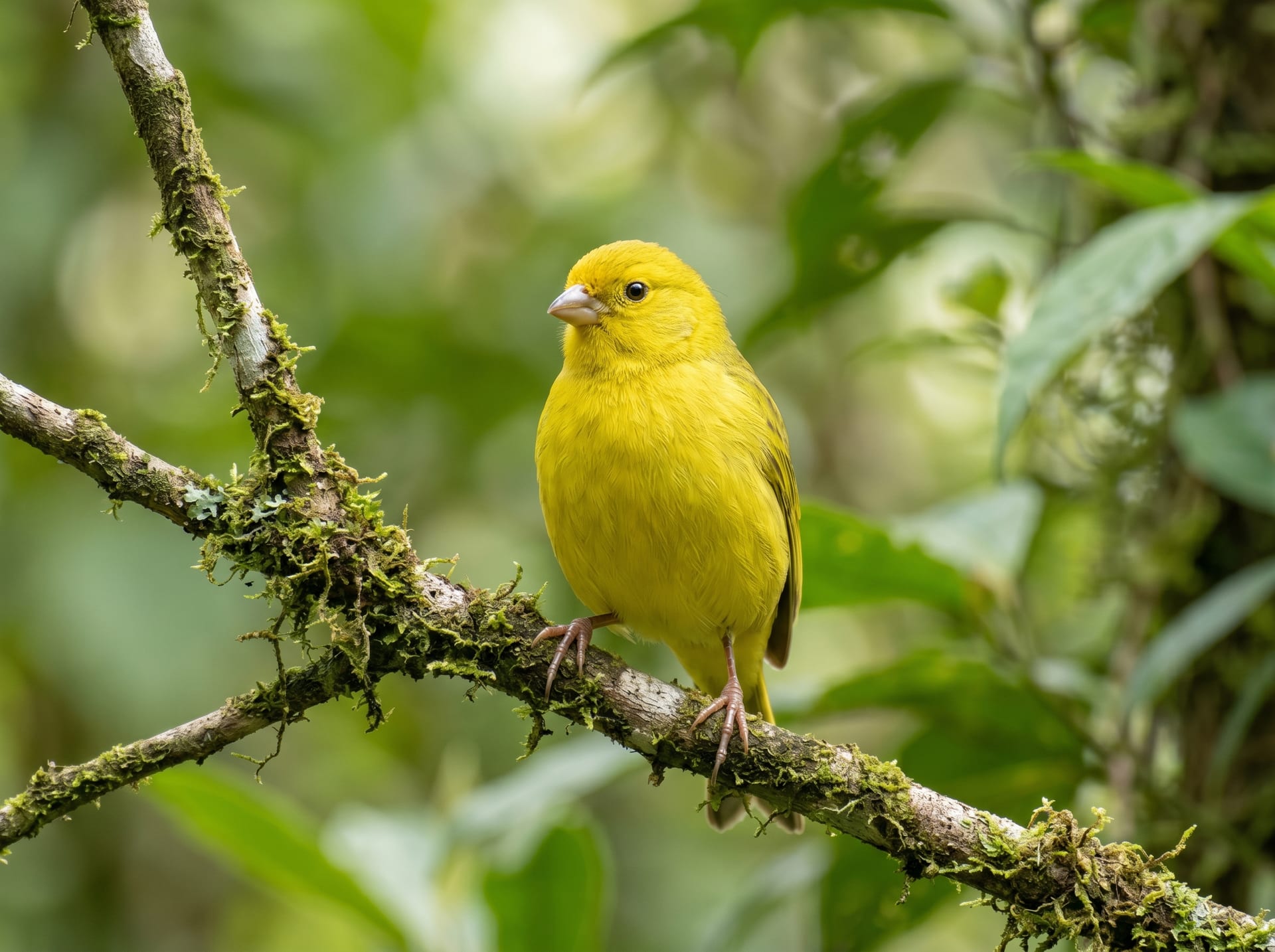
Finches: Java sparrows, bengal finches, zebra finches, canaries, etc. Many are small and flock-oriented, making them suitable for group keeping
Parakeets: Budgies, cockatiels, rosy-faced lovebirds. Year-round outdoor keeping is possible with proper temperature control
Ground-dwelling birds: Quail and dwarf chicken breeds. They pair well with aviary environments where they can roam on the ground
Species Requiring Caution
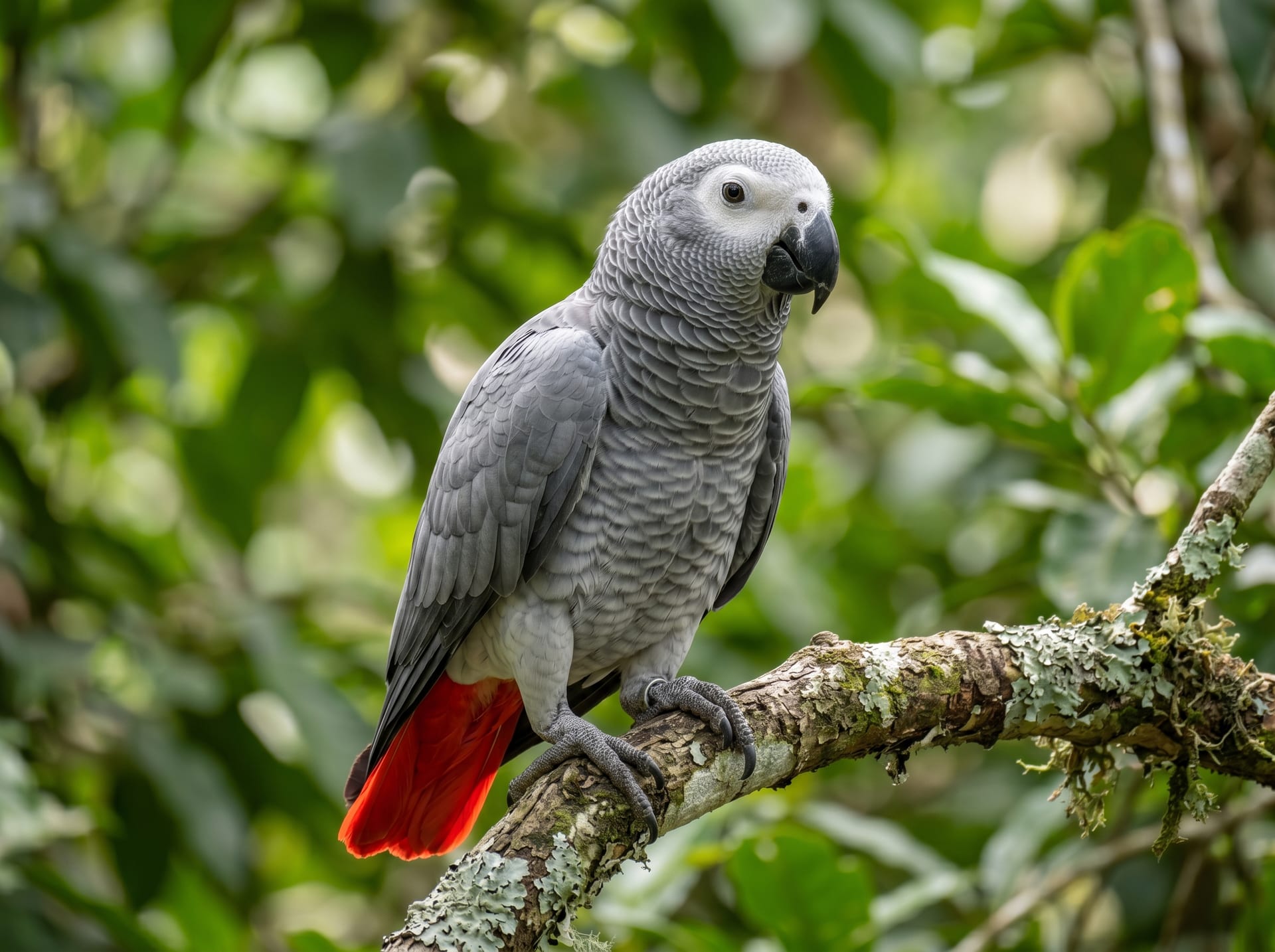
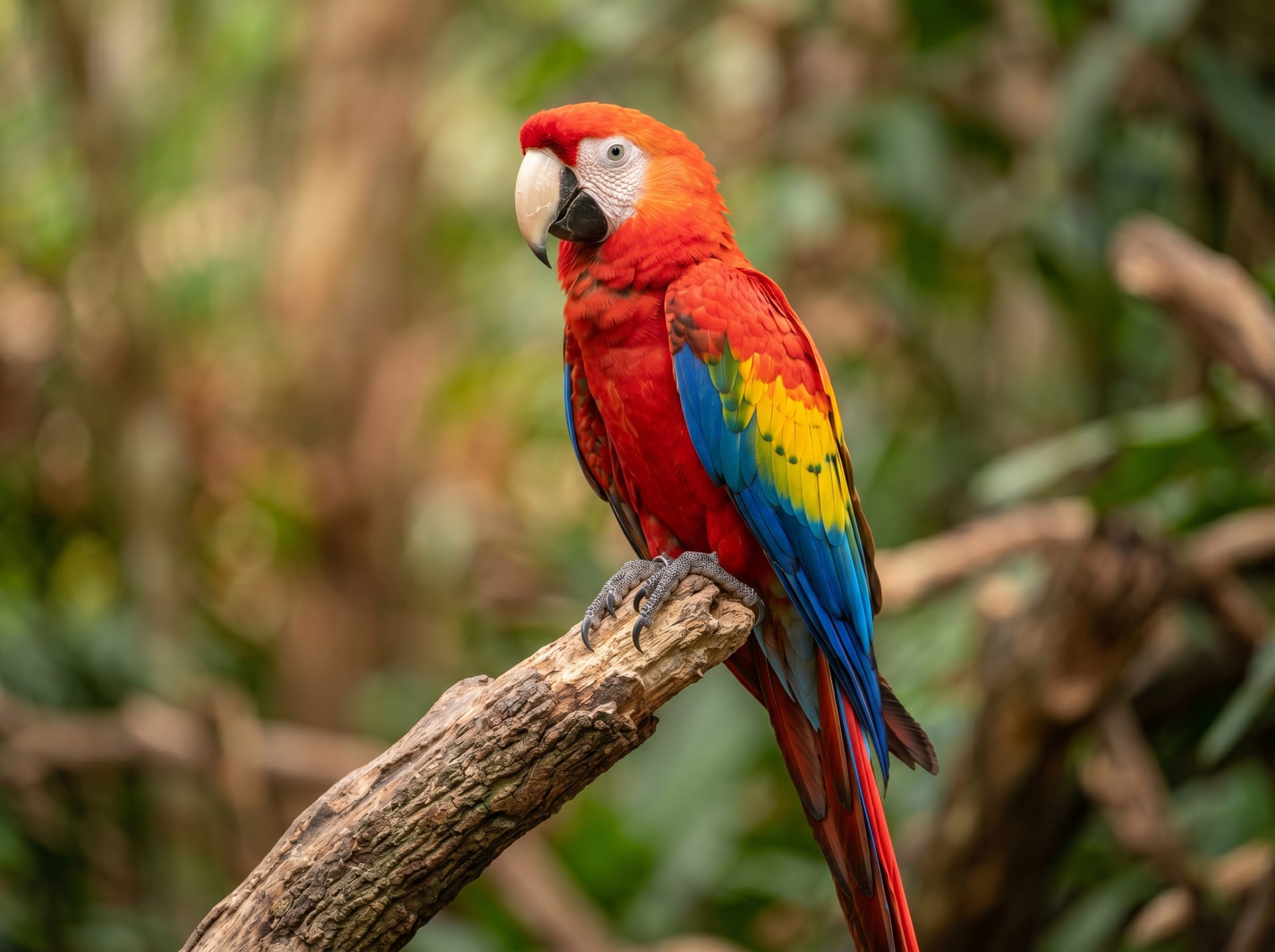
Large parrots from tropical and subtropical regions (such as African grey parrots and macaws) often cannot tolerate Japan's winters, making year-round outdoor keeping difficult. Ensure you have a system to move them indoors during winter.
Mixed-Species Keeping
Mixed-species keeping in the same aviary is possible, but compatibility must be verified. Avoid pairing species with large size differences, and select gentle, non-aggressive species. For beginners, it's safest to start with birds of the same species and size, then attempt mixed keeping once experienced.
---
Br-Choku's Safety and Assurance System
Successful aviary keeping hinges on the initial "bird selection." Choosing based on information unavailable in pet shops—an individual's cold tolerance, flock compatibility, and prior keeping environment—means purchasing directly from a breeder is the best option.
Br-Choku is a platform that directly connects breeders and buyers. Many breeders with outdoor aviary experience are registered, and you can consult before purchase—from selecting birds suited to your region's climate to receiving advice on aviary design.
Transparent breeder information: You can confidently inquire after reviewing sales history and reviews
Direct messaging support: Get answers to specific questions like "What species can be kept in aviaries in cold regions?"
Pre-purchase health verification: Through photos, videos, and health certificates, you can purchase with confidence
Because you're creating such a special space as an aviary, treasure your first encounter with a bird. A connection with a trustworthy breeder will support a long and rewarding life with birds.