Complete Guide to Bird Feather Condition Management and Molting Care | ブリちょく
Birds| ✍️ BreederDirect Editorial
Complete Guide to Bird Feather Condition Management and Molting Care
Detailed explanation of the mechanisms and management of bird molting periods (feather shedding/molt), nutritional, humidity, and bathing tips to keep feathers beautiful, and how to address feather-related problems (feather plucking, broken blood feathers, and delayed molting).
Key Takeaways
Detailed explanation of the mechanisms and management of bird molting periods (feather shedding/molt), nutritional, humidity, and bathing tips to keep feathers beautiful, and how to address feather-related problems (feather plucking, broken blood feathers, and delayed molting).
The Mechanism of Bird Feathers and Molt
Bird feathers (plumage) are important organs used for flight, thermoregulation, communication, and species identification. Feathers periodically shed and are replaced with new feathers in a cycle called molting (tonya/moutou).
✍️
BreederDirect Editorial
The BreederDirect editorial team specializes in care information for animals, covering veterinary care and breeding to deliver beginner-friendly guides.
Find Birds on BreederDirect
Buy directly from verified breeders
Browse Related Listings
Find Birds listings related to this article on BreederDirect. Buy directly from verified breeders.
Molting occurs one to two times per year depending on the species, or intermittently year-round. In parakeets and parrots, it commonly occurs twice per year, primarily in spring and autumn. In finches (Java sparrows, canaries, etc.), molting tends to be triggered by changes in daylight hours.
Molting Period Reference
Species
Molt Frequency
Molt Duration
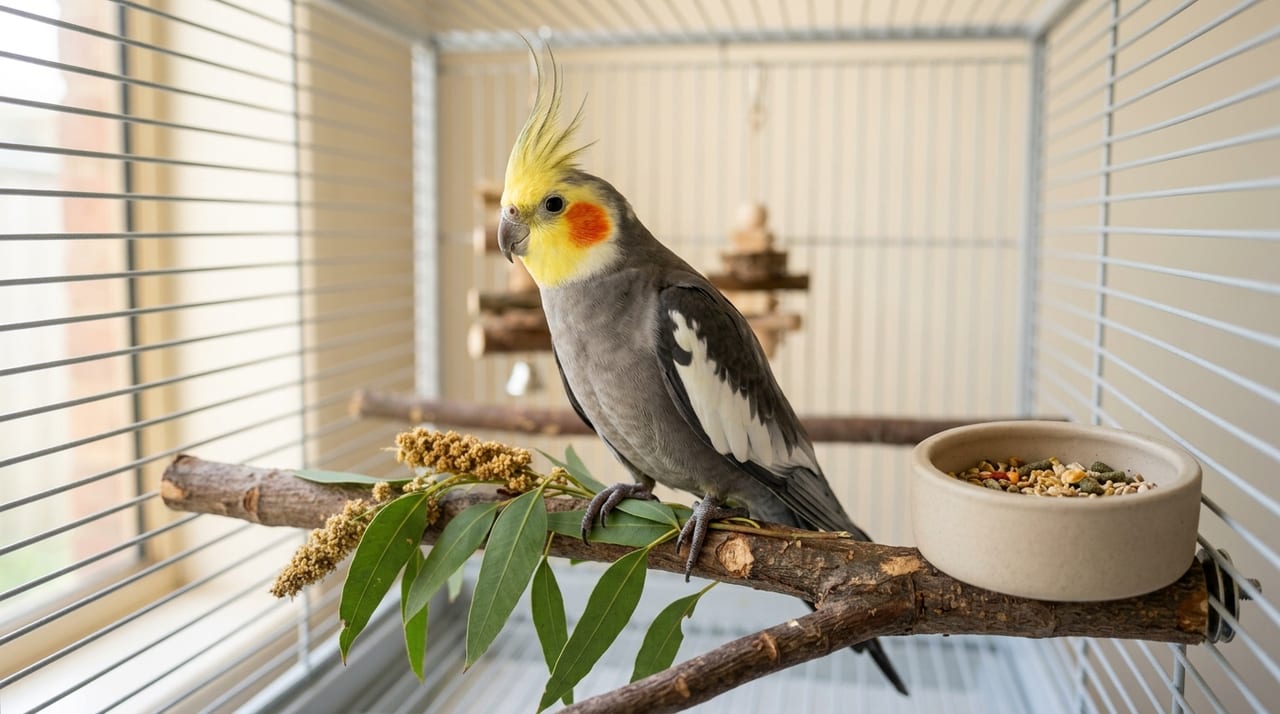
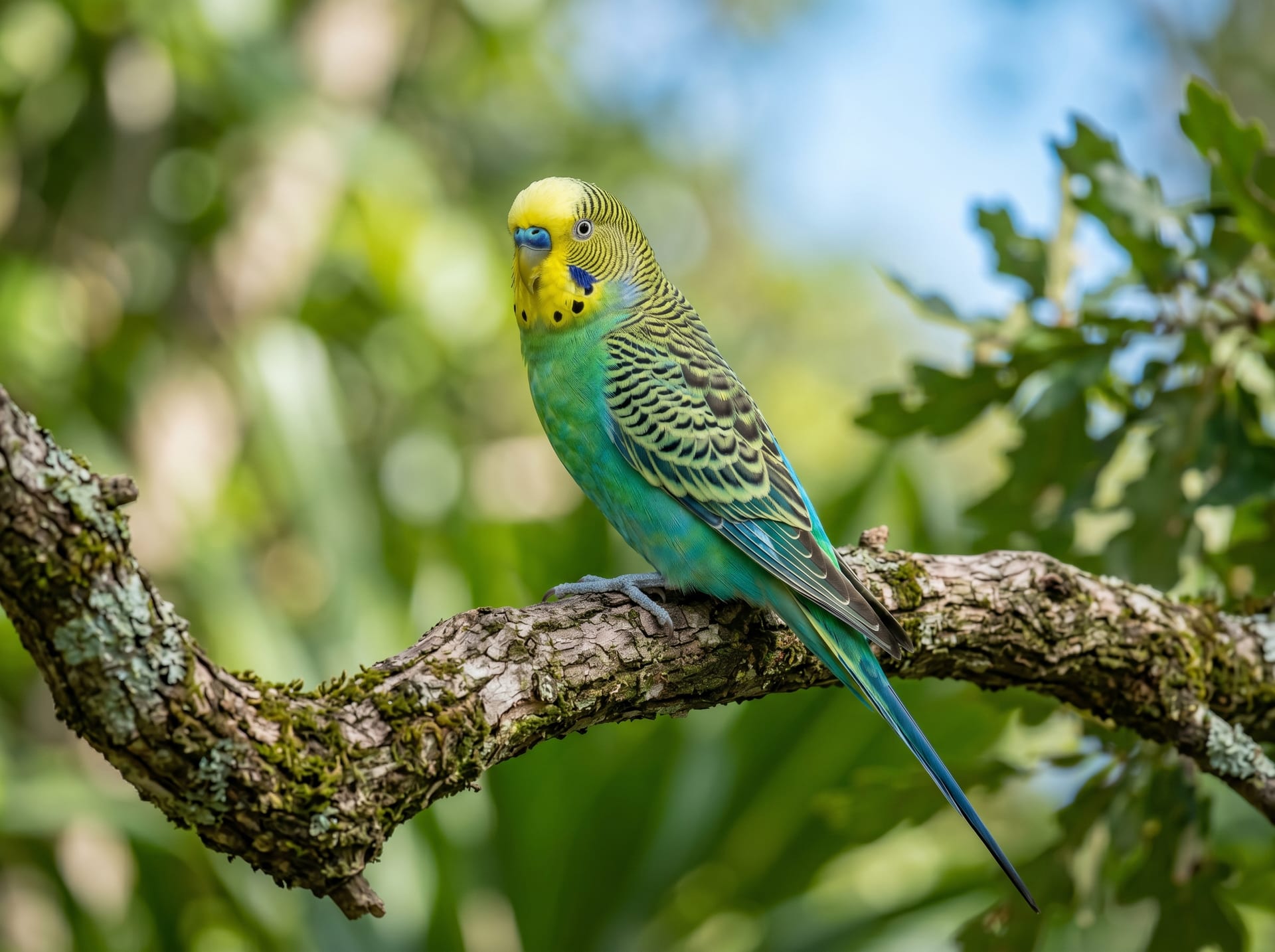
Budgerigar
1-2x annually
4-8 weeks
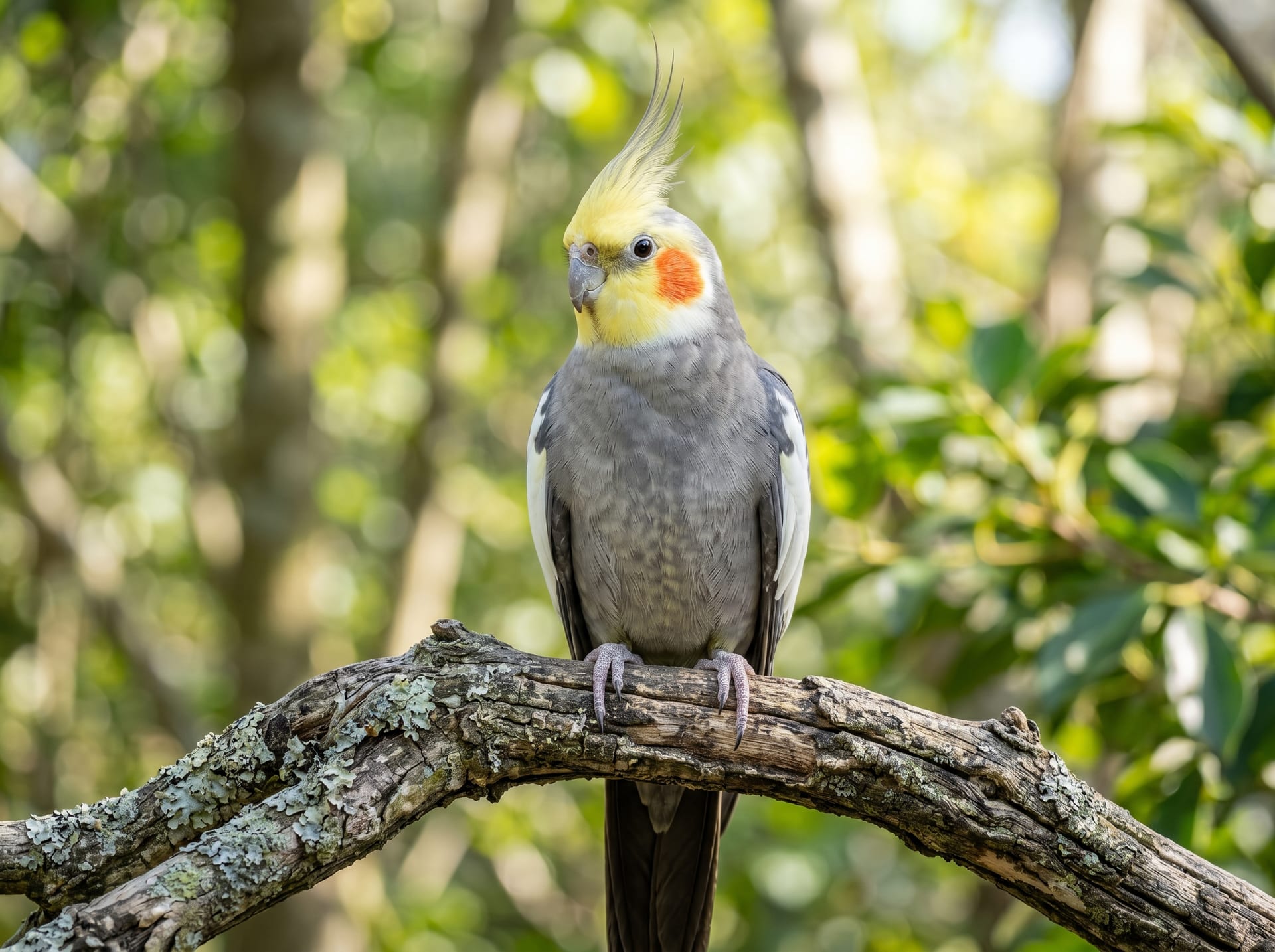
Cockatiel
2-3x annually
4-6 weeks
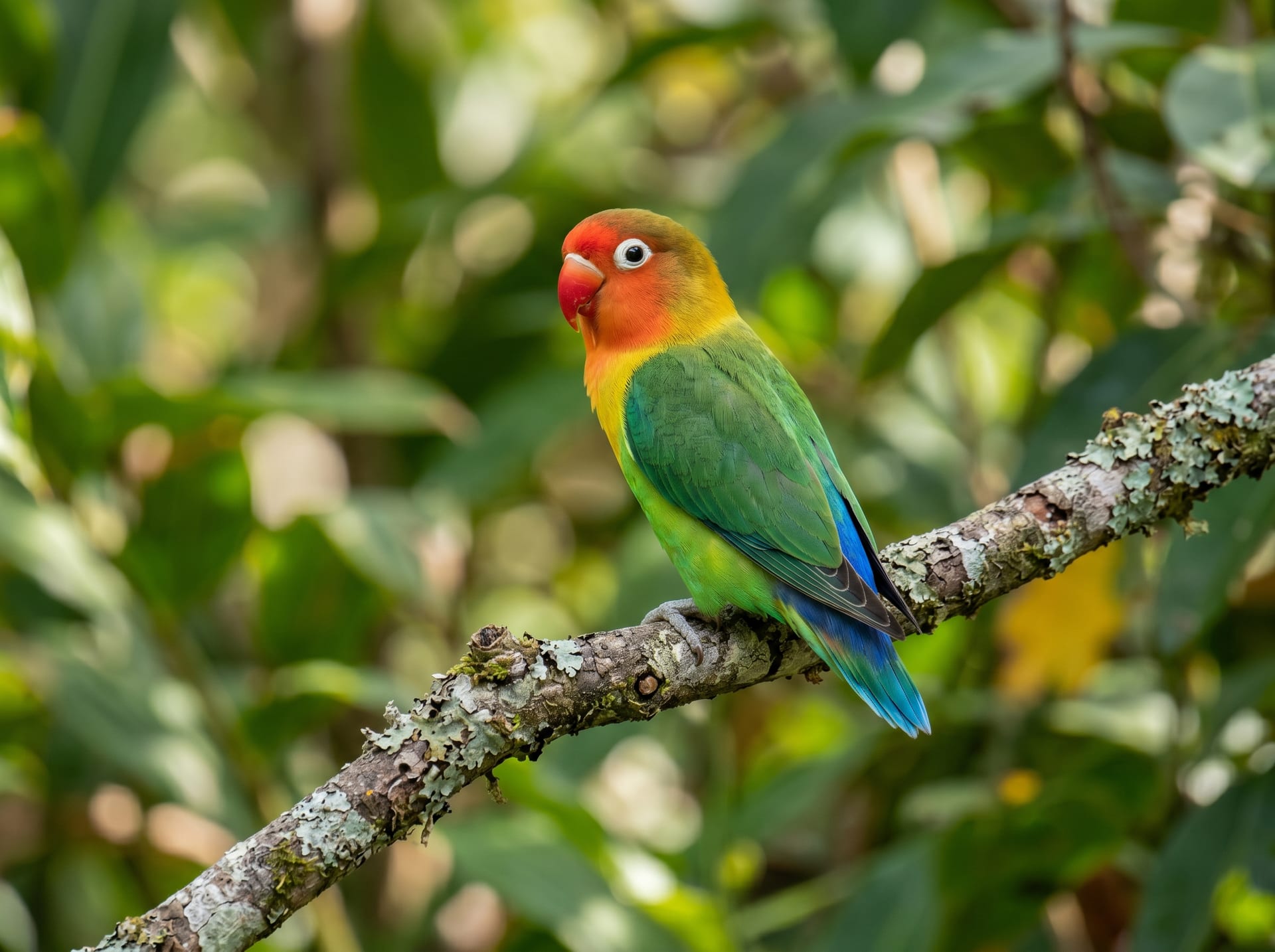
Peach-faced Lovebird
2x annually
4-8 weeks
Java Sparrow
1-2x annually
3-5 weeks
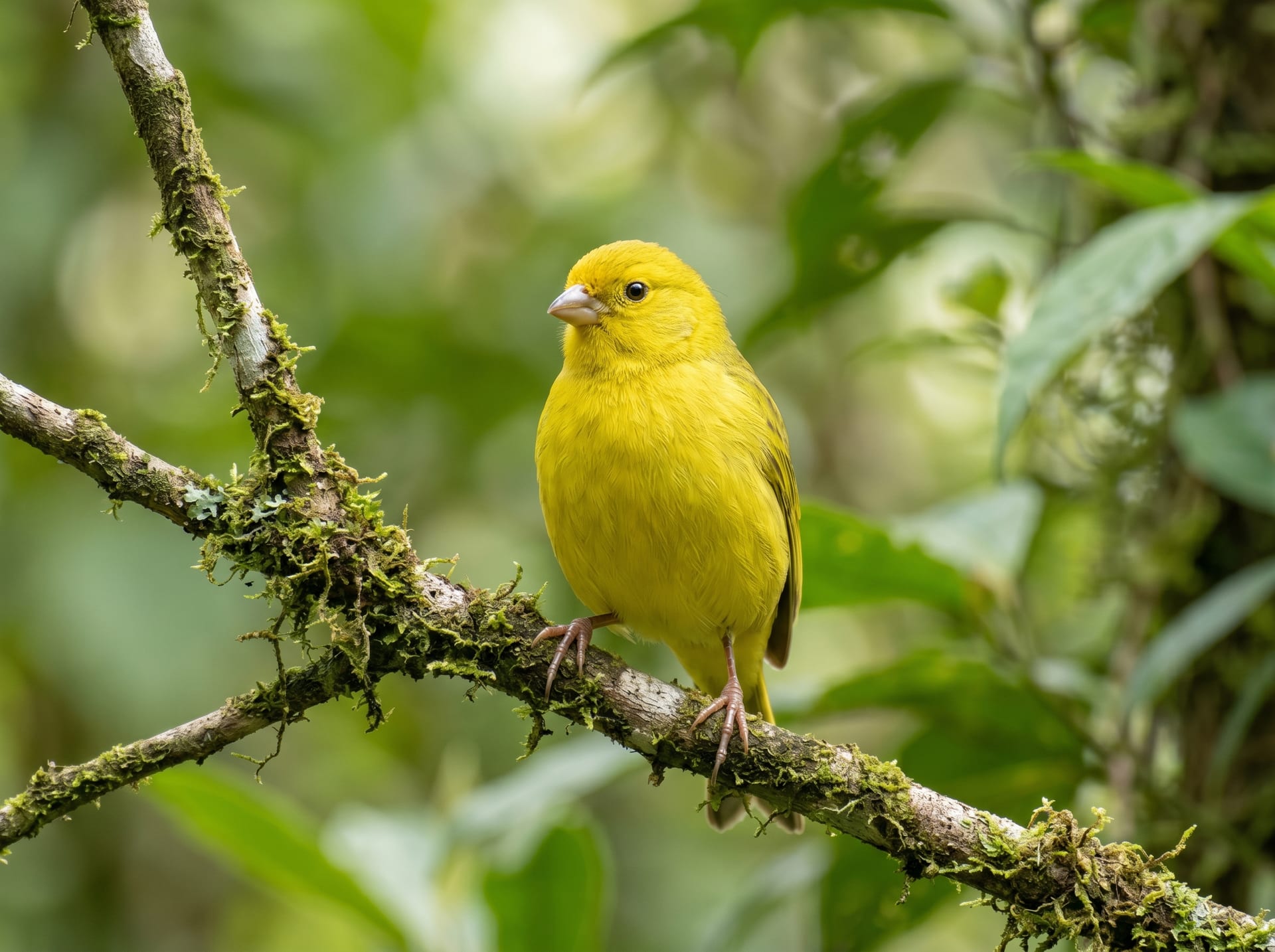
Canary
1x annually (summer-autumn)
6-12 weeks
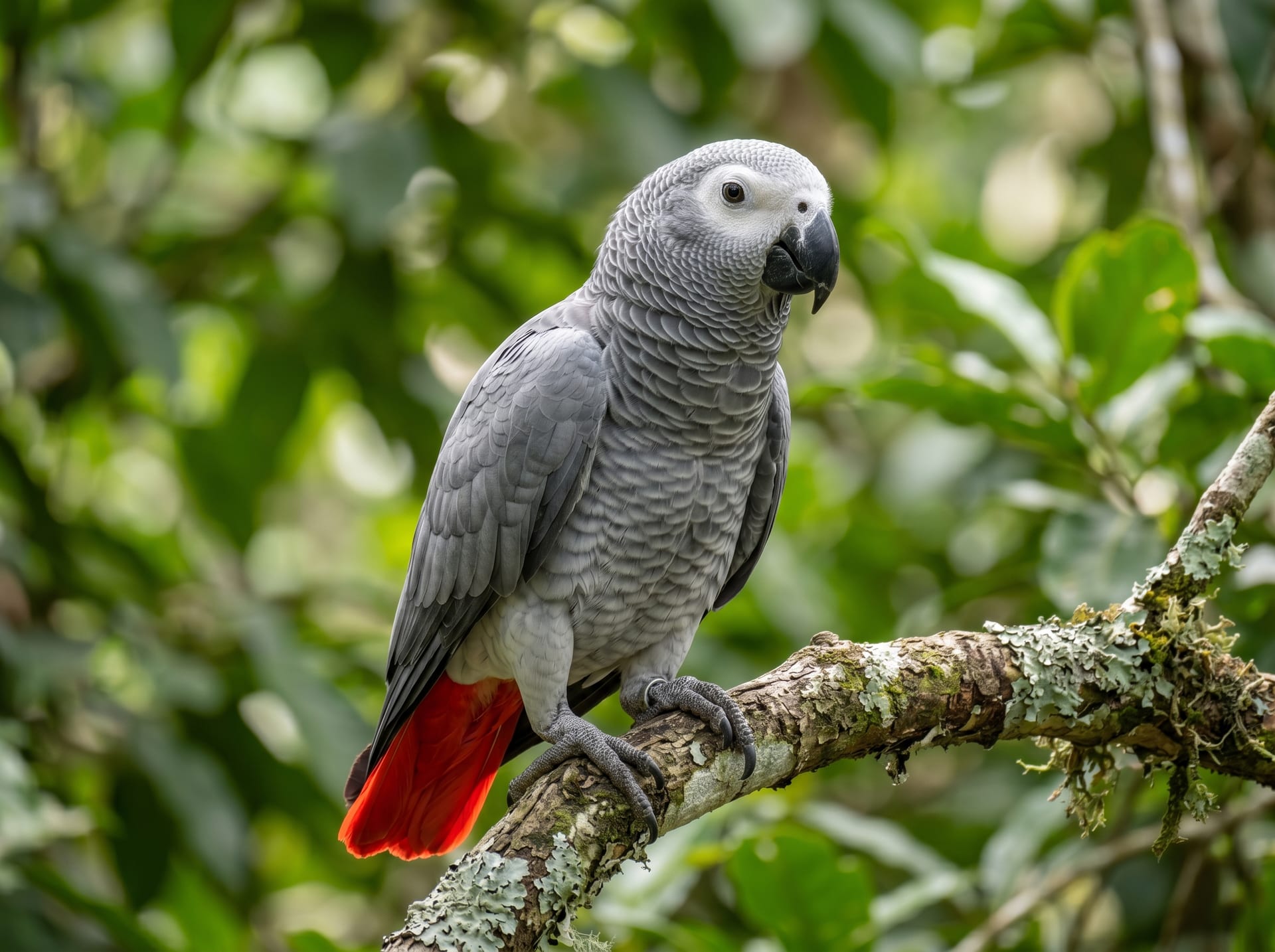
African Grey/Large Parrots
Continuous intermittent
Ongoing (no complete molt)
During molt, birds consume significant energy for new feather growth, causing reduced stamina and mood instability. If malnutrition, stress, and illness coincide during this period, delayed molting and feather quality degradation can occur.
Nutritional Management During Molting
During molt, birds require 20-30% more protein, amino acids, and vitamins than usual. Since the primary component of feathers is keratin protein, deficiency in amino acids (especially methionine, cysteine, and lysine) can cause:
Loss of feather luster and dryness
Stress bars (horizontal stripes on feathers, a sign of molting-related stress/malnutrition)
Slowed molting speed
Increased risk of French molt (abnormal molt in young birds)
Recommended Foods and Supplements During Molting
Nutrient
Recommended Food
Function
Protein & Amino Acids
Egg white (boiled), high-protein pellets
Building material for keratin synthesis
Vitamin A
Komatsuna (Japanese mustard greens), squash, bell peppers
Skin and feather health
Vitamin E
Malt extract, sunflower seeds (small amounts)
Oxidative stress prevention
Omega-3 Fatty Acids
Flaxseed oil (small amounts), chia seeds
Feather luster and skin inflammation reduction
Iodine & Minerals
Cuttlebone, mineral block
Metabolism promotion
Transitioning to molt-specific, nutrient-fortified pellets (Harrison's Lifetime Fine, Zupreem Natural, etc.) is also effective. However, sudden diet changes cause stress, so transition gradually over 1-2 weeks.
Bathing and Humidity Management for Beautiful Feathers
Bird feather condition is heavily influenced by humidity and bathing habits.
Bathing Methods and Frequency
There are three main bathing styles for birds:
1. Water Bath Dish
A shallow bird bath or small dish filled with water placed in the cage. Commonly seen in small parakeets and finches. Provide 15-25°C (59-77°F) water 2-4 times per week.
2. Mist Shower
Spray fine mist on the body using a spray bottle. Use a diffuser nozzle and apply evenly from head to entire body. Suitable for large parakeets, parrots, and individuals that dislike water baths.
3. Shower Bath (Bathing with Humans)
A method used for hand-tamed and accustomed large parakeets and parrots. Apply a lukewarm shower (32-35°C / 89-95°F) to the body at angles the bird prefers. Be cautious of electrocution risk and keep away from electrical appliances.
Post-Bathing Care
Dry naturally in a draft-free location
In winter, keep near a heater to prevent body temperature drop
Avoid leaving wet feathers in environments below 20°C (68°F) (risk of hypothermia and infection)
Do not use blow dryers on birds (risk of overheating, panic from noise, and some non-stick coatings release toxic fumes when heated)
Humidity Management in the Living Environment
Most parakeets and parrots are tropical/subtropical natives and prefer 50-60% relative humidity. Japanese winter indoor environments dry to 10-30%, making humidifier use essential.
When humidity is too low: Skin dryness, feather dryness, excessive powder (feather dust) secretion, delayed molting
When humidity is too high: Fungal and bacterial growth, increased respiratory disease risk
Maintaining 50-65% humidity is optimal for most species.
Handling Blood Feathers
New feathers growing during molt (blood feathers/pin feathers) have blood vessels at their base, visible as red to black quills. If a blood feather breaks or is damaged, bleeding occurs.
Handling Broken Blood Feathers
When a feather breaks partway through growth, bleeding often stops by plucking it from the root
When plucking, grasp the feather base (follicle position) with clean tweezers and pull firmly in the direction of feather growth
If unsure about the procedure or if bleeding is heavy, have a veterinarian handle it
Head blood feathers cannot be self-cared for, so companion birds or the owner must assist
Identifying and Addressing Feather Problems
Feather Plucking (Feather Picking)
Self-plucking or chewing of feathers. Mild plucking during molt is within normal range, but severe plucking resulting in baldness is problematic.
Solutions
- Environmental enrichment (toys, foraging play, increased out-of-cage time)
- Skin and blood tests by a veterinarian
- If parasites are confirmed, treat with antiparasitic medication
Delayed Molting
When feathers do not molt during the normal molting period.
Causes
- Malnutrition (especially protein and vitamin A)
- Chronic stress
- Hypothyroidism (often caused by iodine deficiency)
- Illness (PBFD, liver disease, etc.)
Solutions
- Diet improvement (high-protein pellets, diverse supplementary foods)
- Light cycle adjustment (use artificial light to maintain stable 12-hour light-dark cycles)
- Thyroid testing and hormone therapy by a veterinarian
Stress Bars (Feather Stripes)
Horizontal lines appear on feathers, making them more prone to breaking at those points. These marks record stress, malnutrition, or illness during the molting period.
If numerous stress bars are observed, a comprehensive review of the living environment, nutritional status, and health is necessary.
Conclusion
Bird feather condition is a barometer that directly reflects the daily care and environmental management of the owner. During molt, strengthen nutrition and support new feather growth through proper bathing and humidity management. Developing observational habits to detect problems early—such as broken blood feathers, feather plucking, and delayed molting—and addressing them before they worsen leads to long-term feather beauty and health maintenance.