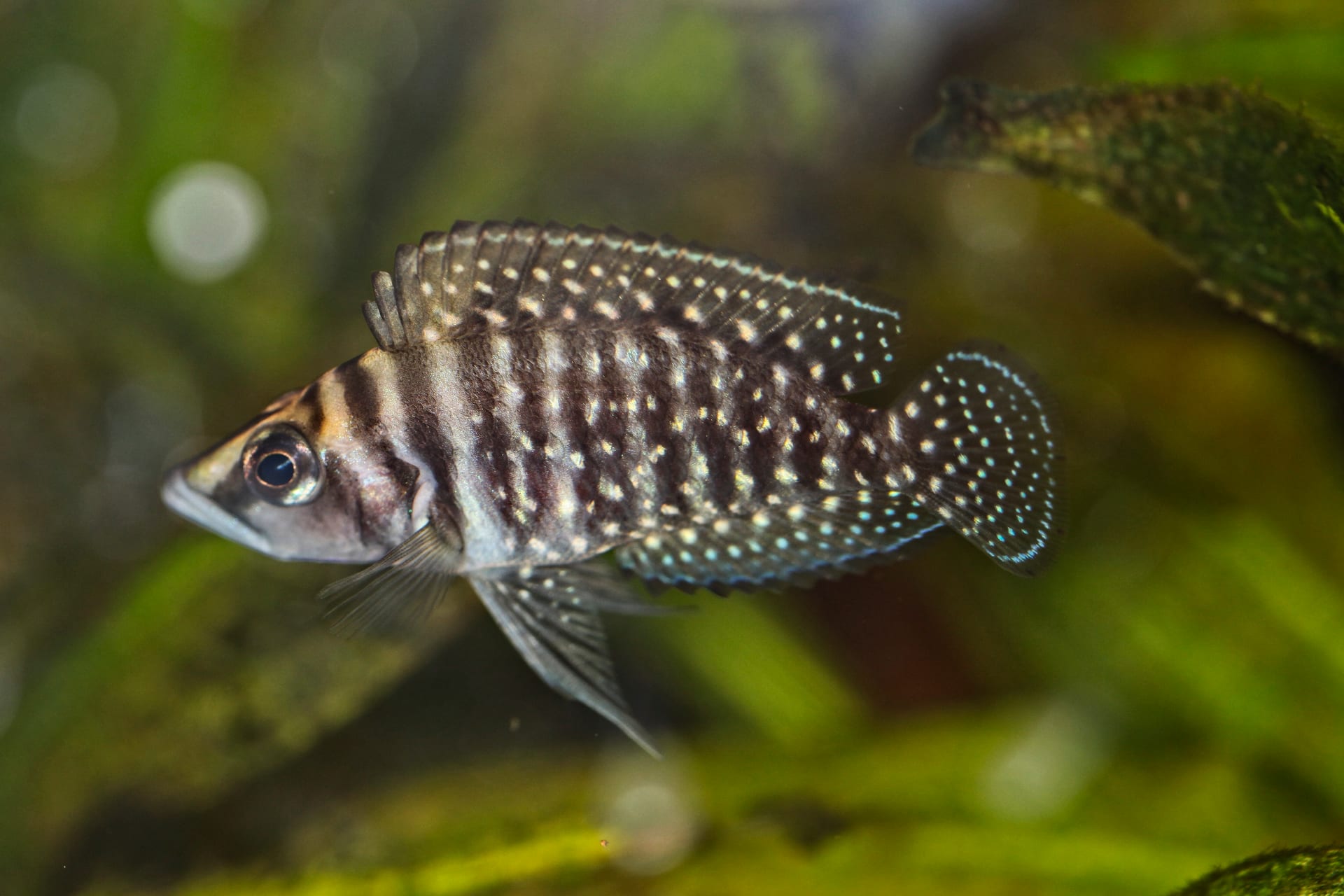
 © 5snake5 / CC0
扁頭短鯛
Altolamprologus calvus is a cichlid found only in the southwestern waters of Lake Tanganyika, instantly recognizable by its strikingly flattened, laterally compressed body. That slender shape lets it slip into narrow cracks between rocks, where it spends much of its time tucked away and out of sight. Calm and unhurried by nature, it does hold a sense of territory, and when a shrimp or other prey wanders past, it drifts almost lazily across the rockwork before striking in an instant, the hallmark of a patient ambush predator. Adults reach around 13 to 14 cm, and while keeping them well calls for some intermediate-level experience, their understated, wild presence in a rock-filled aquarium makes them a favorite among Lake Tanganyika cichlid keepers.
View 扁頭短鯛 encyclopedia →成交手續費 0%!2026年9月30日前註冊,前 2 筆成交免佣金!
繁殖者 招募中!
在 BreederDirect 上架,直接銷售給全國各地的客戶!
承諾的6項透明度保證
熱帶魚商品中,繁殖者會明確標示下列資訊。確保水質適性、性質、建議水槽尺寸的透明度。
- 產地標示
- 實物照片
- 水質標示
- 含建議水槽
- 性質標示
- 血統標示
查看全部301個品種
已註冊的繁殖者(搶先看)
關於扁頭短鯛
Altolamprologus calvus is a laterally compressed cichlid endemic to Lake Tanganyika that ambushes prey from rocky crevices. Explore its care essentials, adult size of 13-14cm, and key points to know before bringing one home.
迎接扁頭短鯛前需要了解的7件事
1Rockwork Is Essential
Calvus use their flattened bodies to squeeze into narrow rock crevices, so a rockwork-heavy layout with plenty of hiding spots is essential. Without enough shelter, they can stay stressed and rarely show their natural behavior.
2Mind Their Territorial Side
They're generally calm but do hold a sense of territory, so keeping them close to conspecifics or similarly shaped fish can lead to skirmishes. Give the tank some extra room and spread hiding spots across several areas.
3A Crustacean-Based Diet
In the wild they're ambush predators that feed mainly on shrimp and other crustaceans. They'll accept prepared foods, but sinking, shrimp-based pellets help match their natural diet.
4Prefers Hard, Alkaline Water
Being native to Lake Tanganyika, they prefer slightly alkaline, hard water. They're sensitive to sudden shifts in water chemistry, so match temperature and parameters carefully during water changes.
5Slow, Steady Growth
Adults reach about 13 to 14 cm, but they grow at a fairly unhurried pace. Give them time, and their true shape and coloring will come through gradually.
6Choose Tankmates Carefully
Since they're calm, ambush-style feeders, other Lake Tanganyika cichlids with a similarly even temperament make good tankmates. Fast, aggressive feeders can easily out-compete them at mealtime.
7Acclimate Slowly at Introduction
They're sensitive to water changes, so take time with drip acclimation when bringing one home. It's common for them to hide right after introduction, so give them space to settle in quietly.
扁頭短鯛的常見問題
- Q.Is Altolamprologus calvus suitable for beginners?
- A.It's considered a species better suited to intermediate keepers. Setting up a proper rockwork layout and maintaining stable water quality takes some care, so it helps to have prior tropical fish keeping experience first.
- Q.Can it be kept with other fish?
- A.It's calm by nature but does hold a sense of territory, so care is needed when pairing it with conspecifics or similarly shaped fish. Give the tank plenty of space and hiding spots, and monitor how tankmates get along.
- Q.What should I feed it?
- A.In the wild it feeds mainly on shrimp and other crustaceans. It will adapt to prepared foods, but adding sinking, shrimp-based feed helps match its natural diet.
- Q.How large does it grow?
- A.Adults reach around 13 to 14 cm. Growth is fairly slow, so it takes time to develop its full adult shape.
- Q.What water conditions does it need?
- A.Being native to Lake Tanganyika, it prefers slightly alkaline, hard water. It's sensitive to sudden changes, so water changes should be done gradually and carefully.
適合飼養扁頭短鯛的實用工具
在圖鑑中詳細了解扁頭短鯛
查看扁頭短鯛的圖鑑條目 →
收錄飼養難度、壽命、體長、食性等基礎資料。