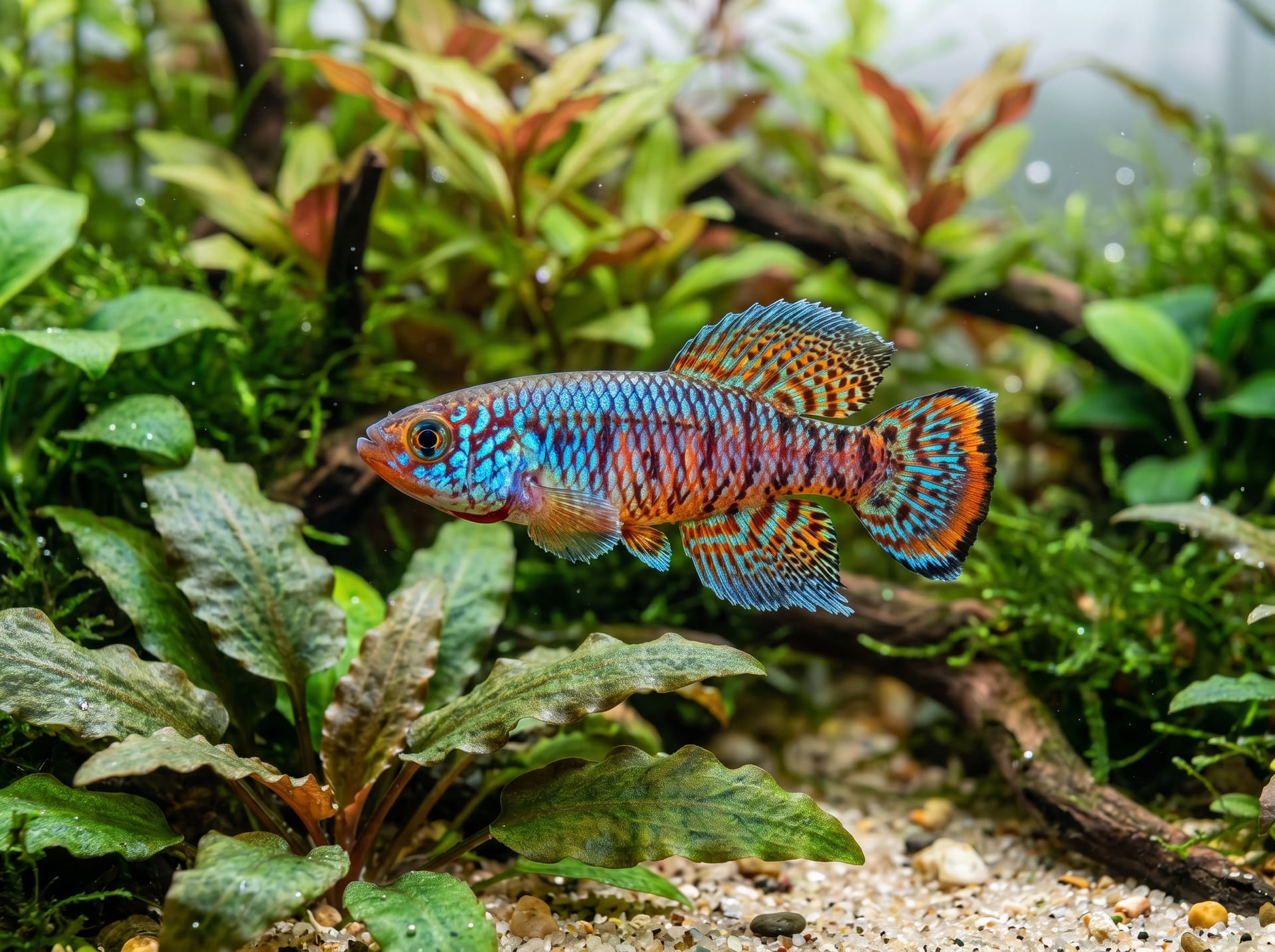
青鱂/卵生鱂魚
分佈於世界各地的小型觀賞魚。雄魚色彩非常鮮艷,宛如寶石。有1000多個品種,適合資深愛好者。壽命為1〜5年(因品種而異)。可投餵冷凍飼料、活餌及配合飼料。
View 青鱂/卵生鱂魚 encyclopedia →成交手續費 0%!2026年9月30日前註冊,前 2 筆成交免佣金!
繁殖者 招募中!
在 BreederDirect 上架,直接銷售給全國各地的客戶!
承諾的6項透明度保證
熱帶魚商品中,繁殖者會明確標示下列資訊。確保水質適性、性質、建議水槽尺寸的透明度。
- 產地標示
- 實物照片
- 水質標示
- 含建議水槽
- 性質標示
- 血統標示
查看全部27個品種
熱帶魚分類正在招募認證繁殖者
繁殖者正在陸續註冊,即將上架。設定上架通知,不錯過新商品。
「接收上架通知」需免費註冊會員即可設定。當有符合您儲存條件的新商品上架時,我們會以郵件和站內通知提醒您。
已註冊的繁殖者(搶先看)
青鱂/卵生鱂魚的基本資料
- 飼養難度
- 適合中級者
- 壽命
- 1~5年(因種類而異)
- 體型
- 3~8cm
- 飲食
- 冷凍餌料、活餌、配合飼料
- 水族箱
- 從20cm立方缸開始可行。適合成對飼養
- 水溫與水質
- 水質需求因種類而異,從軟水到硬水差異很大,但多數偏好中性至弱酸性。請確認所養種類原產地的條件並加以配合。
- 繁殖
- 年鯽具有乾燥卵休眠的獨特繁殖方式
- 壽命
- 年鯽少於1年。非年鯽為3~5年
- 餌料與餵食
- 以冷凍餌和活餌為主投餵,已適應的個體可併用配合飼料。
- 健康與注意事項
- 會跳躍,必須加蓋並注意縫隙處的跳出。飼養前先確認各種類的壽命和繁殖方法。
關於青鱂/卵生鱂魚
卵生青鱂是廣泛分佈於世界熱帶和亞熱帶的鳉形目小型魚類,在非洲、南美和亞洲分別進化出了獨特的種系。日本的青鱂(Oryzias latipes)也屬於這一類,但作為觀賞魚,"卵生青鱂"這個統稱主要指非洲產的Nothobranchius屬和南美產的Aplocheilus屬的魚類。體長因品種而異,約為2〜12cm,雄魚具有綠松石色、紅色、黃色等宛如寶石的色彩,其美麗一直吸引著世界各地的愛好者。適應於乾季乾涸水體的"年魚"具有極其獨特的生態特徵——卵以地下狀態潛伏,於次年雨季孵化,乾燥卵的郵寄和交換形成了一個國際性的愛好者社群。大多數品種性格相對溫和,但需要注意雄魚之間的領地爭奪。1000多個品種的壓倒性多樣性和在小水槽中也能飼養的緊湊特性是其魅力所在。
迎接青鱂/卵生鱂魚前需要了解的7件事
1水溫與水質管理
多數卵生青鱂喜歡22〜28℃的水溫,種類不同其適合的水質(軟水或硬水)也不同。引入前應研究原產地的環境,並調整水質,這是保持健康的基礎。急劇的水溫和水質變化會導致壓力和疾病,因此應少量多次地進行換水。
2壽命短的種類需要注意
卵生青鱂中有一個被稱為"年魚"的群體,在自然環境下,乾季時親魚死亡,卵則在土壤中乾燥並存活,傳遞到下一代。年魚的壽命約為1年,相當短,因此採集和保存卵成為飼養的一大樂趣。在獲得前應事先確認是否為年魚。
3雄魚的鬥爭性
許多種類中,雄魚會為了爭奪領地而激烈爭鬥,因此在同一水槽中飼養多條雄魚時,需要充足的空間和躲藏處。對於某些種類,建議採用1條雄魚配多條雌魚的配置。同時要謹慎選擇混養的魚類,避免與啃咬魚鰭的魚類混養。
4飼料種類與餵食方法
卵生青鱂喜好冷凍血蟲、豐年蟲等動物性飼料,以這些為主進行投餵對增進體色和促進繁殖都很有效。雖然用配合飼料也能飼養,但適當加入活餌或冷凍餌料往往能使它們的狀態更好。每天餵食2次,以它們3~5分鐘內能吃完的量為目安。
5繁殖和卵的管理
卵生青鱂中許多種會在水草或底砂上產卵。將產卵放在單獨容器中管理可以提高孵化率。某些種的卵需要採用獨特的方法:埋在泥炭土中進行乾燥保管,之後一段時間再加濕就能孵化。由於水溫和保管期限因種而異,購買時最好向養殖戶確認。
6魚缸大小和設備
小型品種可從30〜45公分魚缸開始飼養,但為了抑制雄魚的領地爭奪,更寬敞的缸體尺寸更為理想。由於許多品種跳躍能力強,必須準備蓋子。過濾器宜選用水流溫和的掛式或海綿過濾器。
7購入難度和成本預估
一般品種在家居中心或熱帶魚專門店相對容易購入,但稀有品種主要需要直接從飼養者購買。價格方面,常見品種通常為數百〜數千円,稀有品種可能超過1萬円。飼養設備(魚缸、過濾器、加熱器)的初期投資也應事先預估。
青鱂/卵生鱂魚的常見問題
- Q.青鱂和卵生青鱂是同一種魚嗎?
- A.雖然在廣義上屬於同一目(卵生鱂目),但在觀賞魚行業中,國產的青鱂(Oryzias latipes)和來自非洲、南美的「卵生鱂」通常被視為不同的群體。根據種類不同,飼養難度和水質要求也差異很大。
- Q.年魚的乾燥卵應該如何管理?
- A.採卵後的卵應該包裹在濕潤的泥炭苔中,放入拉鍊袋中,在20〜25℃的暗處保存數個月。經過規定的休眠期後,將卵浸泡在蒸餾水或軟水中即可開始孵化。
- Q.有推薦給初學者的品種嗎?
- A.國產青鱂和來自非洲的某些入門品種(如Fundulopanchax gardneri)相對較為健壯,易於飼養。建議先從容易獲取的普及品種開始飼養,待飼養技術成熟後再挑戰稀有品種。
- Q.可以在同一個魚缸中混養多個物種嗎?
- A.外觀相似的近緣物種之間存在雜交風險,因此原則上應按物種分別管理。體格差異大的組合還存在捕食危險。如果魚缸足夠寬敞,並配有豐富的水草和躲避處,某些情況下是可以混養的。
- Q.飼養所需的初期費用是多少?
- A.以30cm魚缸、過濾器、照明和加熱器等基本設備為例,費用大約在1~2萬日元左右。生體價格因物種而異,範圍從數百日元到數萬日元不等。年魚的情況下,有時可以便宜地獲得乾卵。維護費用通常每月數百~數千日元。
適合飼養青鱂/卵生鱂魚的實用工具
在圖鑑中詳細了解青鱂/卵生鱂魚
查看青鱂/卵生鱂魚的圖鑑條目 →
收錄飼養難度、壽命、體長、食性等基礎資料。