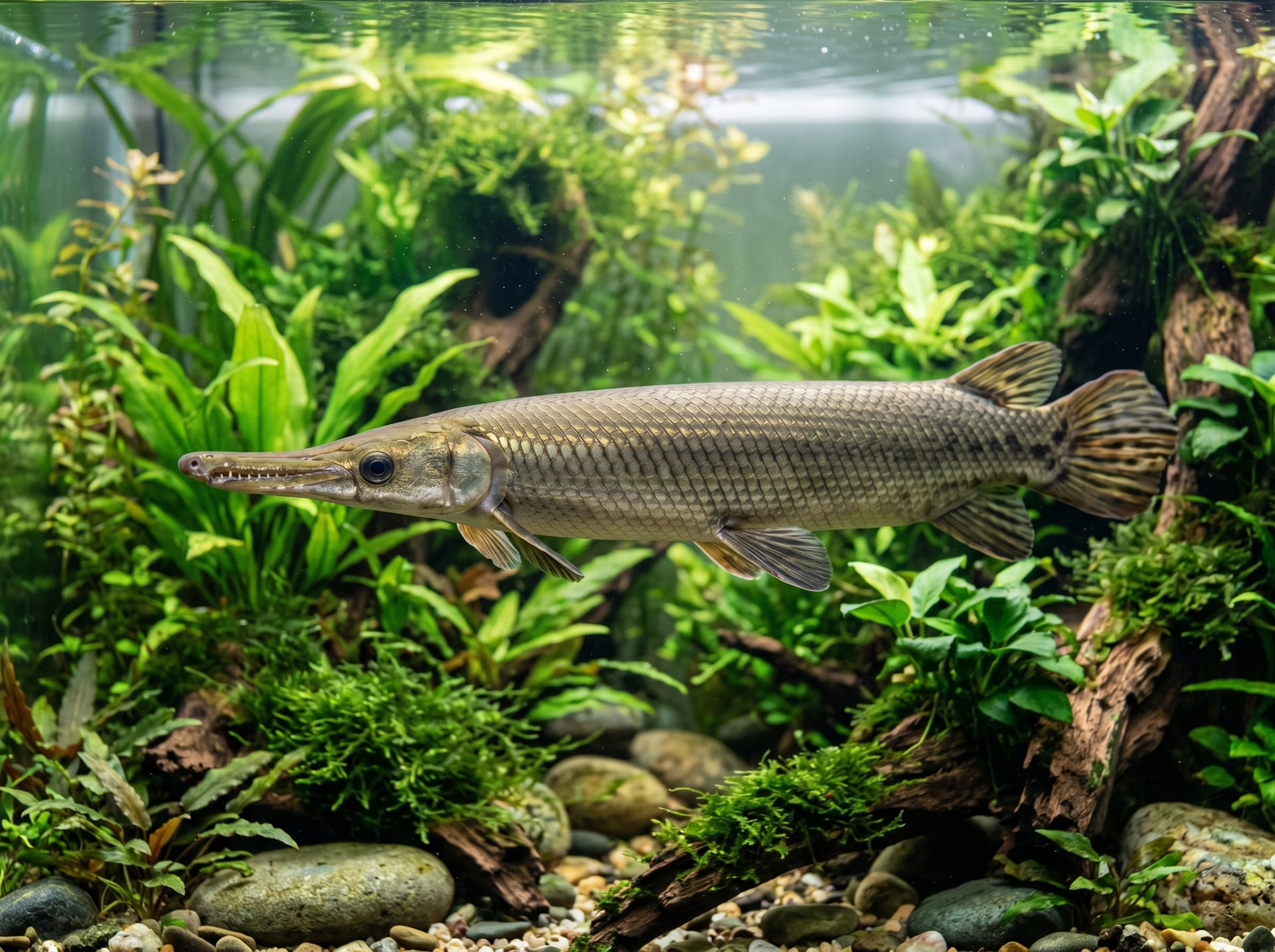
古代魚(雀魚/蝴蝶魚)
雀魚和蝴蝶魚是眾所周知的古代魚類,數億年來形態幾乎沒有變化,被稱為"活化石"。它們獨特而富有存在感的體型和神秘的氣質為魚缸帶來了壓倒性的衝擊力。雖然有些品種即使初學者也能飼養,但需要提前了解大型化和肉食性等特性。
View 古代魚(雀魚/蝴蝶魚) encyclopedia →成交手續費 0%!2026年9月30日前註冊,前 2 筆成交免佣金!
繁殖者 招募中!
在 BreederDirect 上架,直接銷售給全國各地的客戶!
承諾的6項透明度保證
熱帶魚商品中,繁殖者會明確標示下列資訊。確保水質適性、性質、建議水槽尺寸的透明度。
- 產地標示
- 實物照片
- 水質標示
- 含建議水槽
- 性質標示
- 血統標示
查看全部27個品種
熱帶魚分類正在招募認證繁殖者
繁殖者正在陸續註冊,即將上架。設定上架通知,不錯過新商品。
「接收上架通知」需免費註冊會員即可設定。當有符合您儲存條件的新商品上架時,我們會以郵件和站內通知提醒您。
已註冊的繁殖者(搶先看)
古代魚(雀魚/蝴蝶魚)的基本資料
- 飼養難度
- 適合中級者
- 飲食
- Carnivorous: live foods, frozen foods and pellets for large fish
關於古代魚(雀魚/蝴蝶魚)
雀魚原產於北美洲,距今約1億年以上未曾改變外形,被稱為"活化石"。它們具有細長的身體、獨特的喙狀嘴和魚鱗般堅硬的甲殼狀表皮的特徵,斑點雀魚、短吻鱷雀魚等多個品種在市場流通。而蝴蝶魚原產於非洲剛果河流域,以胸鰭如翅膀般展開在水面遊泳的獨特輪廓而引人矚目。這兩種魚都是肉食性的,一般單獨飼養或與大型魚混養。雀魚的體長因品種而異,短吻鱷雀魚有時會超過1m。飼養的魅力在於,在思考太古地球的同時,與獨一無二存在感的魚共同生活的特別體驗。
迎接古代魚(雀魚/蝴蝶魚)前需要了解的7件事
1為大型化做準備的魚缸選擇
某些種類的雀鰷體長可達1米以上,因此需要選擇與成魚體型相適應的大型水槽。即使是斑點雀鰷,也應該準備60~90公分以上的水槽作為基本目安,考慮到將來可能的升級需求,從購買時起就選擇相對較大的規格會更加放心。蝴蝶魚的最大體長約15公分,體型相對較小。
2肉食性及混養的注意事項
無論是雀鰷還是蝴蝶魚都具有強烈的肉食性,任何口徑內的魚類都可能被捕食。與同等體型或更大的魚混養在某些情況下是可能的,但應該避免與小型魚或稚魚混養。蝴蝶魚特別喜歡捕食水面附近浮動的昆蟲和小魚。
3投餵和開食的難度
野生捕獲的個體或剛進口的個體通常只接受活餌,對人工飼料的適應(開食)可能需要一段時間。雀鰷通常的做法是先投餵金魚或小魚,逐步過渡到冷凍飼料和人工飼料。蝴蝶魚也可能需要經過逐步適應才能接受浮動的乾飼料。
4水質和水溫管理基礎
雀魚相對而言對水質的適應能力較強,弱酸性到中性(pH6.5〜7.5)、水溫22〜28℃最為適宜。蝴蝶魚原產於非洲,喜歡高溫環境(26〜30℃)。兩者都對缺氧比較敏感,因此配置充足的增氧系統和過濾裝置是重要的。
5飼養成本參考
飼養大型雀魚需要初期投資,包括大型水箱、強勁的過濾器和加熱器等,初期費用可能達到數萬日元。如果使用活餌或冷凍餌料,飼料成本會很高,每月支出會逐步增加。相比之下,蝴蝶魚因為水箱規模較小,成本相對可以控制。
6需要注意逃脫和跳出
蝴蝶魚喜歡在水面附近活動,受驚時有從水面跳出的習性。因此需要準備一個牢固的蓋子,並防止任何細微的縫隙。雀魚在活躍游泳時也可能跳出水面,所以即使是大型水箱也需要採取同樣的防護措施。
7長期飼養和壽命的決心
雀鳝在適當的環境下可以活10〜20年以上,是壽命很長的魚。即使無法繼續飼養,隨意放生也絕對被禁止,需要有終身負責任地飼養的決心。蝴蝶魚也據說能活5〜10年左右,請在制定長期飼養計劃後再迎接它們。
古代魚(雀魚/蝴蝶魚)的常見問題
- Q.初學者也能飼養雀鳝嗎?
- A.斑點雀鳝等比較小型的種類,如果能準備足夠的水槽和設備,初學者也可以嘗試。但需要在充分理解其肉食性、會長成大型、長壽命等特性後再嘗試。
- Q.蝴蝶魚能與其他魚混養嗎?
- A.能放入口中的小魚會被捕食,不適合混養。如果魚體大小相近、性格溫和且不爭奪水面層,有時可以混養。混養時需要充足的空間和仔細觀察。
- Q.應該給魚鷹餵什麼?
- A.最初通常餵金魚或小魚等活餌,逐步過渡到冷凍魚或專用人工飼料。但出於營養均衡和衛生考慮,建議盡早轉換為人工飼料或冷凍餌料。
- Q.魚鷹和蝴蝶魚可以混養嗎?
- A.蝴蝶魚最大約15cm,成長後的魚鷹會捕食它們,風險很高,不建議混養。由於各自適應的水溫和水質不同,分別在不同水族箱中飼養是基本做法。
- Q.如果我無法繼續飼養怎麼辦?
- A.向河流或池塘放生會引起外來種問題,這在法律上被明確禁止,絕對不能這樣做。您可以諮詢願意收養的寵物店或愛好者組織,或者根據當地政府指定的方式進行處理。請在購入前充分考慮自己是否能夠承擔最後的責任。
適合飼養古代魚(雀魚/蝴蝶魚)的實用工具
在圖鑑中詳細了解古代魚(雀魚/蝴蝶魚)
查看古代魚(雀魚/蝴蝶魚)的圖鑑條目 →
收錄飼養難度、壽命、體長、食性等基礎資料。