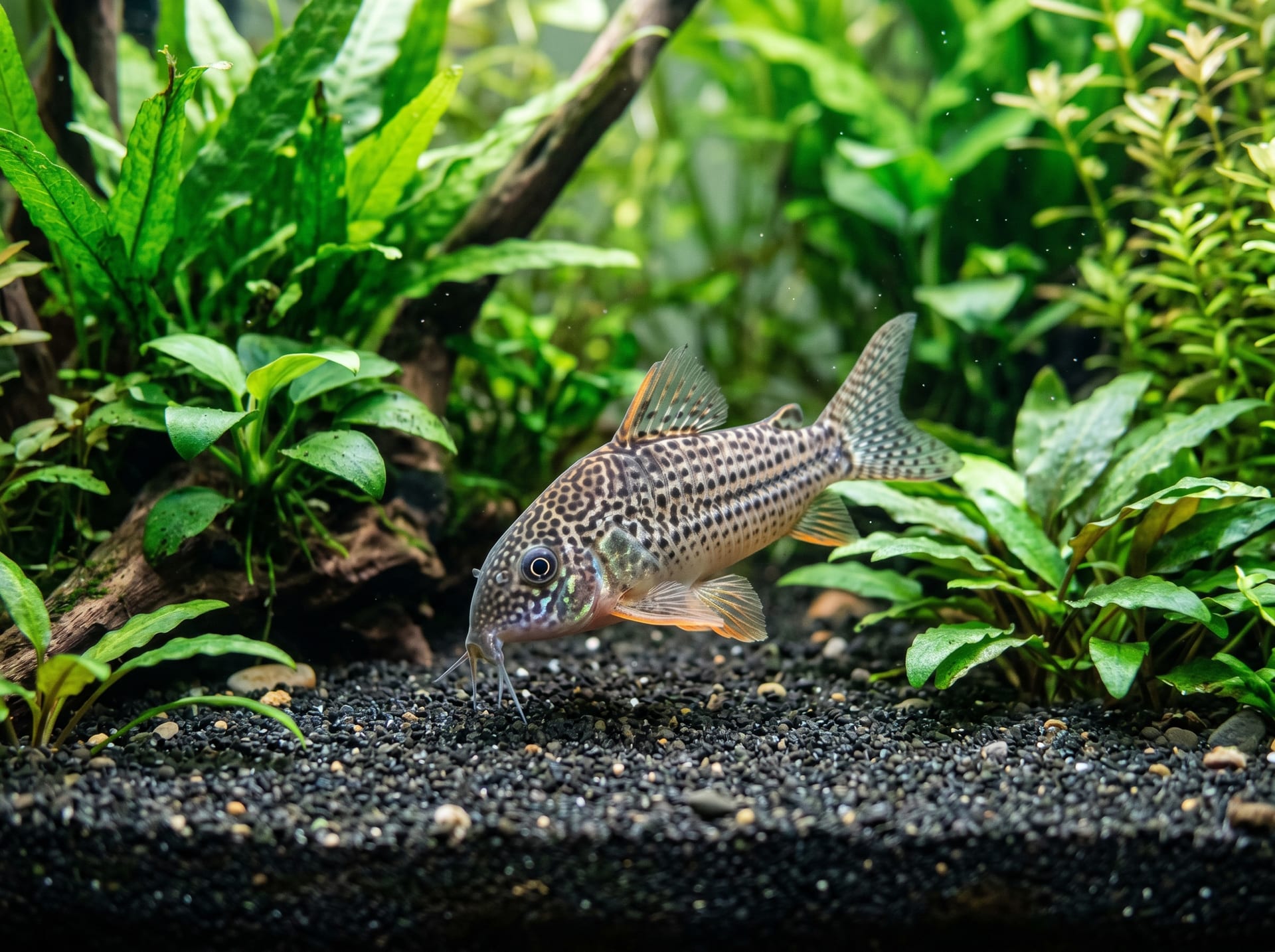
鼠魚
一條可愛的小型鯰魚,在底砂中蓬鬆地覓食。成群飼養時更加活躍。性格溫和,適合混養。收集愛好者眾多。壽命5〜10年。成體體長3〜8cm。沉性飼料片、冷凍紅蟲。
View 鼠魚 encyclopedia →成交手續費 0%!2026年9月30日前註冊,前 2 筆成交免佣金!
繁殖者 招募中!
在 BreederDirect 上架,直接銷售給全國各地的客戶!
承諾的6項透明度保證
熱帶魚商品中,繁殖者會明確標示下列資訊。確保水質適性、性質、建議水槽尺寸的透明度。
- 產地標示
- 實物照片
- 水質標示
- 含建議水槽
- 性質標示
- 血統標示
查看全部27個品種
熱帶魚分類正在招募認證繁殖者
繁殖者正在陸續註冊,即將上架。設定上架通知,不錯過新商品。
「接收上架通知」需免費註冊會員即可設定。當有符合您儲存條件的新商品上架時,我們會以郵件和站內通知提醒您。
已註冊的繁殖者(搶先看)
鼠魚的基本資料
- 飼養難度
- 適合新手
- 壽命
- 5~10年
- 體型
- 3~8公分
- 適宜溫度
- 22〜26℃
- 飲食
- 沉性錠劑、冷凍血蟲
- 容器與水槽
- 為了群養建議45cm以上的水族箱。底砂必須使用無稜角的細砂,尖銳的砂礫會損傷觸鬚。
- 水溫與水質
- 適合弱酸性至中性(pH6.0〜7.5)、水溫22〜26℃。壽命5〜10年。
- 混養與相容性
- 非常溫和且喜歡群居,同種5隻以上飼養會變得活躍。
- 餌料與餵食
- 在底部吃沉底片狀飼料和冷凍紅蟲。用觸鬚探索底砂尋找食物。
- 注意事項
- 許多種類對藥物敏感。藥浴時應減半用量
- 繁殖與產卵
- 以特殊的T字型產卵行為聞名,將卵黏附在玻璃面或水草葉片上。
關於鼠魚
鼠魚是一類主要分布於南美亞馬遜河流域的小型鯰魚,已知160多種,自19世紀以來科學記載不斷進展,至今仍有新種不斷被發現。體長因種而異,約3〜8cm,以骨板(盾鱗)覆蓋身體而非鱗片為特徵。口周有2對感覺鬚,用這些鬚在底砂中探尋食物,那種可愛的「蓬鬆」覓食姿態是其人氣的來源。性格極其溫和,雖有膽怯的一面,但喜歡群居,因此多條飼養是基本原則。也適合與脂鯉類混養,作為底層清潔工為水族箱的生態平衡做出貢獻。體質強健,抗病力相對較強,在適當的環境下可期待5〜10年的長期陪伴,從初學者到收集愛好者都廣泛支持的熱帶魚。
迎接鼠魚前需要了解的7件事
1群體飼養是基本
鼠魚具有較強的社會性,喜歡群體生活。據說單獨飼養時容易變得膽怯,容易受到壓力。將同種鼠魚以3~6匹或以上集中飼養,可以觀察到牠們活潑地游動的自然行為。
2底砂的選擇很重要
鼠魚有用口吻翻動底砂尋找食物的習性,因此帶有銳角的砂礫可能會傷害牠們的嘴部和胡鬚。選擇細粒且邊緣圓滑的河砂或水族土,既能防止胡鬚受損,又能促進牠們的自然採食行為。
3水質應穩定在弱酸性~中性
大多數鼠魚原產於亞馬遜河流域,偏好pH 6.0〜7.5、水溫22〜26℃的水質。由於對水質的急劇變化較為敏感,建議每次換水約占總水體的三分之一為目標,同時需要注意避免溫度急變和氯氣的影響。
4投餵沉底飼料
鼠魚主要活動於底層,因此水面漂浮的薄片飼料幾乎無法進食。將沉底型的錠狀飼料、冷凍血蟲或絲蚯蚓投到底部後,它們能有效攝食,營養平衡也更容易維持。
5謹慎選擇混養夥伴
溫和且不會攻擊其他魚類的鼠魚與許多中層和上層魚類相性好,但與大型肉食魚或領地意識強的魚類混養會存在壓力和被捕食的風險。將其與體型相近的溫和熱帶魚(如燈魚、倒吊魚等)搭配飼養最為理想。
6注意體表硬鱗
鼠魚的身體不是被普通鱗片覆蓋,而是被稱為骨板的硬甲殼狀組織覆蓋,這種結構為身體提供了防御保護功能。正因為這樣的結構特點,用網兜撈魚時魚鰭容易被掛傷,因此在移動魚隻時建議用較大的容器輕輕撈取。
7注意導入初期的白點病
新進的魚在陌生環境中容易免疫力下降,進而容易感染白點病(小瓜蟲病)。購買後建議在隔離水槽中觀察約2週,然後再移入主水槽,這樣可以有效降低對現有魚隻的感染風險。
鼠魚的常見問題
- Q.鼠魚可以只養1隻嗎?
- A.雖然技術上可以單獨飼養,但由於鼠魚天性喜歡群居,單獨飼養時魚兒會感到不安定,容易產生壓力。建議至少飼養3隻同種的鼠魚。
- Q.鼠魚適合在水草缸裡飼養嗎?
- A.鼠魚與水草缸相性良好,配合不易傷根的細粒砂使用,可以正常飼養。但由於牠們在底部活動頻繁,浮根水草容易被拔起。
- Q.可以和其他熱帶魚混養嗎?
- A.鼠魚性格溫和,適合與燈魚、孔雀魚、瑪麗魚等小型溫和品種混養。但應避免與能吞食相似體型食物的大型肉食魚,以及會騷擾鼠魚的好鬥魚類混養。
- Q.鼠魚在底部不動是病嗎?
- A.鼠魚本身動作緩慢,經常靜止不動,這是正常現象。但如果出現觸鬚腐爛、體色褪色、呼吸急促等情況,可能是水質惡化或疾病的信號。請同時觀察食慾和體態,綜合判斷。
- Q.鼠魚的壽命是多少?
- A.在適當的飼養環境中,牠們可以活5〜10年左右,也有長壽個體的報告。水質管理、適當的飼食和低壓力的環境是長壽的關鍵。
適合飼養鼠魚的實用工具
在圖鑑中詳細了解鼠魚
查看鼠魚的圖鑑條目 →
收錄飼養難度、壽命、體長、食性等基礎資料。