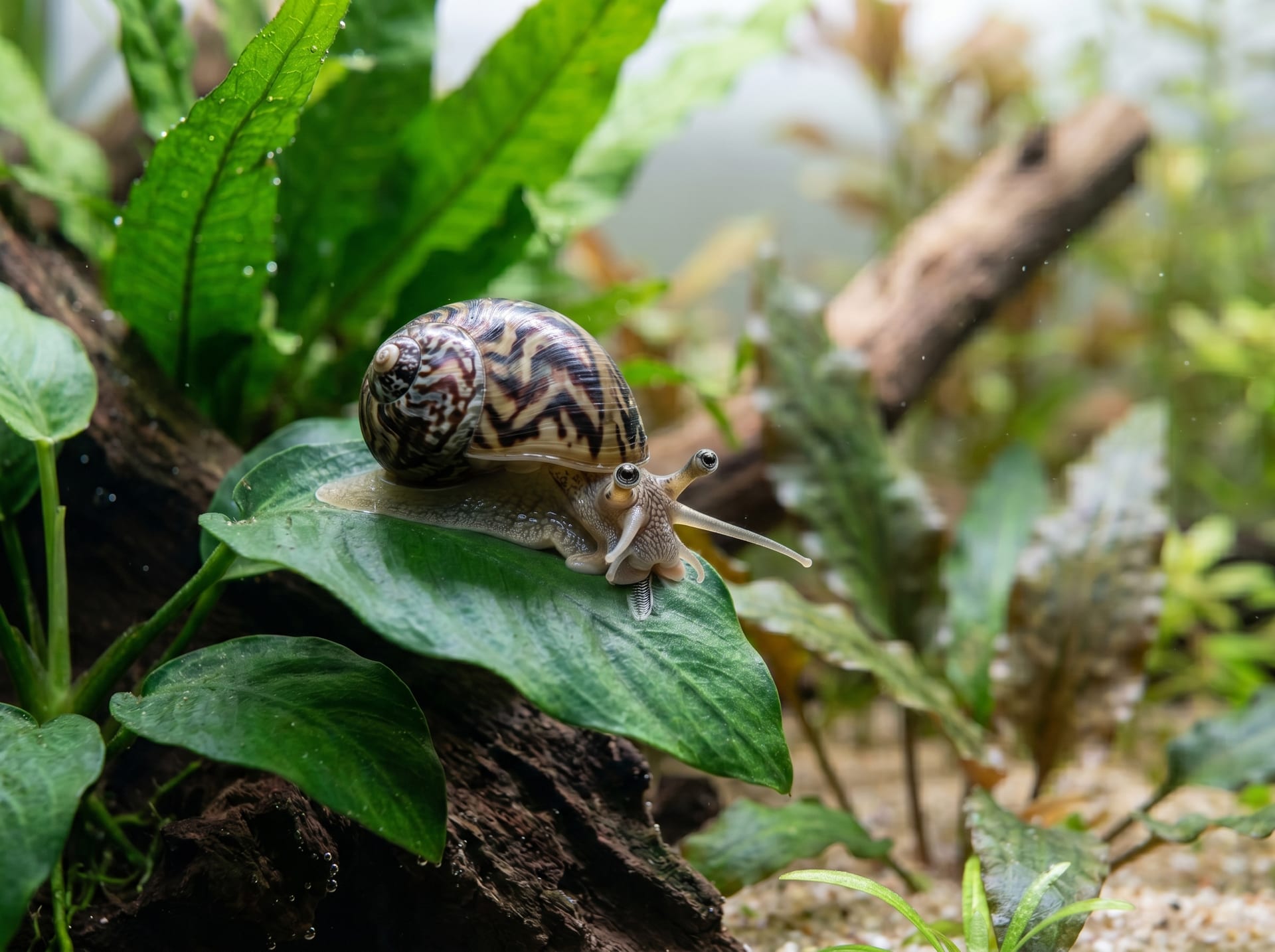
螺類
貝類和螺類是實用的魚缸清潔工,以吃藻類和食物殘渣著稱。不同種類的琉璃螺、石卷貝、小球螺等各具特色,觀察它們獨特的運動方式也很有趣。即使是初學者也相對容易飼養,也適合與熱帶魚混養。
View 螺類 encyclopedia →成交手續費 0%!2026年9月30日前註冊,前 2 筆成交免佣金!
繁殖者 招募中!
在 BreederDirect 上架,直接銷售給全國各地的客戶!
承諾的6項透明度保證
熱帶魚商品中,繁殖者會明確標示下列資訊。確保水質適性、性質、建議水槽尺寸的透明度。
- 產地標示
- 實物照片
- 水質標示
- 含建議水槽
- 性質標示
- 血統標示
查看全部27個品種
熱帶魚分類正在招募認證繁殖者
繁殖者正在陸續註冊,即將上架。設定上架通知,不錯過新商品。
「接收上架通知」需免費註冊會員即可設定。當有符合您儲存條件的新商品上架時,我們會以郵件和站內通知提醒您。
已註冊的繁殖者(搶先看)
螺類的基本資料
- 飼養難度
- 適合新手
- 壽命
- 1~2年
- 體型
- 2~3公分
- 適宜溫度
- 18〜28℃
- 飲食
- 苔藻、藻類(褐苔、綠苔、斑點狀藻)
- 清潔能力
- 能刮除玻璃面和岩石上的堅硬藻類
- 水質
- 偏好中性~弱鹼性,強酸性會導致殼體溶解
- 繁殖
- 產卵但在淡水中不孵化,不易過度繁殖
- 注意事項
- 翻轉後無法自行翻正會衰弱,應協助翻回
- 逃脫風險
- 會在水面爬行並可能逃脫,建議加蓋
關於螺類
貝類和螺類是古老的水族箱無脊椎動物,在自然界中棲息於河流、湖泊、河口地帶等各種水域。它們在20世紀中期之後廣泛普及到水族箱飼養,這是因為人們認識到了它們在清除藻類和處理殘餌方面的實用價值。外觀因種類而異很大,有鮮豔的紅色或藍色琉璃螺、有美麗條紋的黑眼螺,還有雖然外表不起眼但藻類清潔能力很強的石卷貝,以及日本本土的小球螺等,形狀、顏色、大小也各不相同。它們的性格總體溫和,不會攻擊其他生物。看著它們緩緩爬過魚缸,一點點刮去藻類的樣子具有獨特的治癒效果,觀察它們不會讓人感到厭煩。飼養它們的魅力首先在於它們是「幫助水族箱生態系統的存在」,用自然的方式幫助分解魚類無法完全管理的藻類和有機物。
迎接螺類前需要了解的7件事
1不同種類的角色不同
石紋螺清理玻璃面上的藻類,小田螺分解底床中的有機物,蘋果螺處理殘留飼料,不同種類各有所長。根據目的選擇合適的種類能提高水族箱管理的效率。
2注意繁殖速度
蘋果螺和田螺等在條件合適時會爆炸性繁殖,水族箱內瞬間就可能被螺覆蓋。應避免過量餵食,若個體數量激增,需要及時疏減。
3容易逃脫
螺會沿著水族箱壁面爬行向上,可能從蓋子縫隙中逃脫。一旦乾燥就會在短時間內死亡,因此必須蓋住水族箱或堵住縫隙。
4水質與pH值管理很重要
貝殼由鈣質組成,在酸性水質中會溶解變薄。請維持pH 7.0〜7.5左右的中性至弱鹼性水質,並根據需要用牡蠣殼等補充鈣質。
5銅具有很強的毒性
有些市售的魚藥和水草活性劑含有銅成分,對貝類非常有害。進行藥浴時,必須將貝類隔離,並務必確認所使用藥品的成分標籤。
6選擇混養的伴侶
阿維尼河豚和皇冠魚等喜歡捕食貝類,不適合混養。與蝦和小型脂鯉的相性良好,容易保持相互不干擾的平靜環境。
7死亡的貝類應及早移除
貝類死亡後,殼內腐爛加快,氨氣迅速增加,水質會急劇惡化。對於不活動的個體,輕輕戳一下看是否有反應,如果確認已經死亡,應立即移除。
螺類的常見問題
- Q.貝類數量太多應該怎麼處理?
- A.可以手動移除,或暫時引入吃螺類的河豚或某些鳎魚。同時,避免過度餵食有助於抑制繁殖。從根本上講,選擇繁殖率較低的種類(如石卷螺)是有效的預防方法。
- Q.石卷螺的殼變白的原因是什麼?
- A.貝殼泛白主要是由水質酸化和鈣質缺乏引起的。請檢查pH值和硬度,必要時可添加墨魚骨或牡蠣殼來補充鈣質。已經溶解的部分無法恢復,但通過適當的管理可以防止進一步惡化。
- Q.可以和熱帶魚一起飼養嗎?
- A.大多數熱帶魚可以無問題地混養,但應避免與具有食貝習性的魚種(如豌豆河豚、皇冠鰍等)混養。與霓虹脂鯉、孔雀魚、鼠魚等溫和的魚類相性良好。建議在引入前確認混養夥伴的食性。
- Q.螺類會吃水草嗎?
- A.大多數種類不會食害健康的水草,但可能會啃食枯萎的葉片和柔軟的水草(如苔蘚)。尤其是紅卵螺傾向於啃食柔軟的植物,因此需注意與嬌嫩水草的搭配。石卷貝和瑪麗螺對水草的影響相對較小。
- Q.螺類的壽命有多長?
- A.壽命長短因種類而異。石卷貝約為1~2年,角螺約為1~2年,神秘螺約為3~5年左右。透過適當的水質管理和營養補給,可以讓它們更加健康長壽。購買時如果已經是成體,剩餘壽命可能較短,因此確認其狀態很重要。
適合飼養螺類的實用工具
在圖鑑中詳細了解螺類
查看螺類的圖鑑條目 →
收錄飼養難度、壽命、體長、食性等基礎資料。