成交手續費 0%!2026年9月30日前註冊,前 2 筆成交免佣金!
繁殖者 招募中!
在 BreederDirect 上架,直接銷售給全國各地的客戶!
承諾的6項透明度保證
熱帶魚商品中,繁殖者會明確標示下列資訊。確保水質適性、性質、建議水槽尺寸的透明度。
- 產地標示
- 實物照片
- 水質標示
- 含建議水槽
- 性質標示
- 血統標示
查看全部27個品種
熱帶魚分類正在招募認證繁殖者
繁殖者正在陸續註冊,即將上架。設定上架通知,不錯過新商品。
「接收上架通知」需免費註冊會員即可設定。當有符合您儲存條件的新商品上架時,我們會以郵件和站內通知提醒您。
已註冊的繁殖者(搶先看)
異型魚的基本資料
- 飼養難度
- 適合新手
- 壽命
- 10~15年
- 體型
- 5~50公分(因種類而異)
- 適宜溫度
- 24〜28℃
- 飲食
- 錠劑飼料、沉木、蔬菜
- 水槽
- 根據種類調整尺寸。小型種從45公分開始
- 水流與擺放
- 許多種類偏好較強的水流,充足供氧也很重要。佈置沉木和岩石,提供可吸附的表面和躲藏處。
- 沉木
- 消化所需。應常時放置
- 水溫與水質
- 水溫保持在24~28℃。食量大、容易汙染水質,過濾能力應留有餘裕並定期換水。
- 餌料與餵食
- 以植物性沉性飼料為主食,也可投餵櫛瓜等蔬菜。多數種類為夜行性,關燈後投餵更易進食。
- 注意事項
- 帆鰭異型等會超過50公分。選擇適當種類很重要
關於異型魚
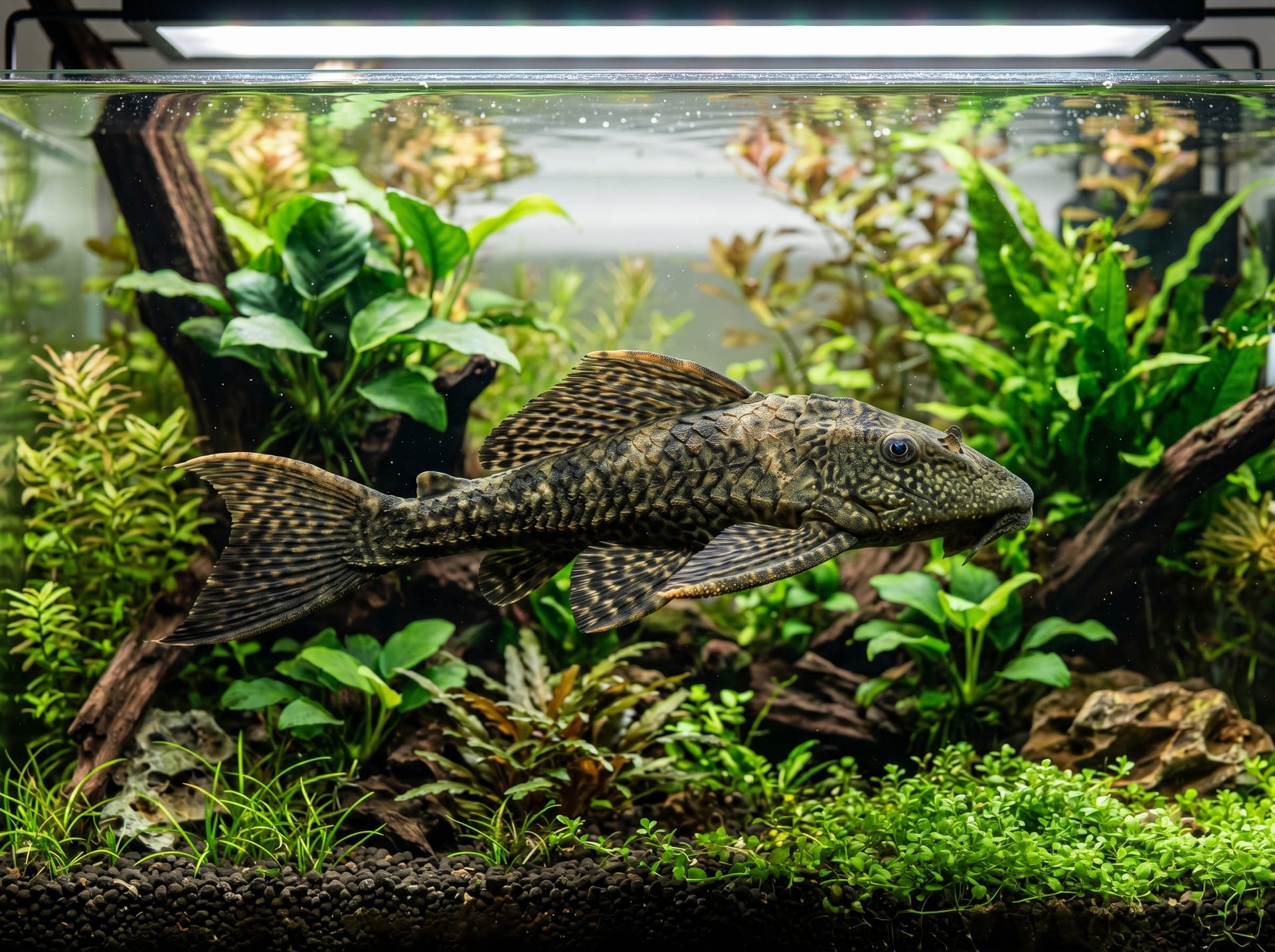
異形魚是鲶形目洛裡卡科魚類的總稱,主要分佈在南美洲亞馬遜河流域。其名源自當地語言,最大的特徵是吸盤狀的口部和覆蓋全身如鎧甲般的骨板。在自然界中,它們附著在水流湍急的河川岩石或沉木上,通過刮食表面的藻類和有機物維生,這一習性在水族箱中也保持不變。官方認定的種類已超過100種,加上未命名的種類,總數可達數百種。成體體型從5厘米左右的迷你灌木異形魚到60厘米以上的大型種類各不相同。性格溫和、外形獨特,在混養水族箱中也很受歡迎,以L編號管理的稀有種在收藏家中備受推崇。飼養的關鍵是準備沉木、躲藏場所和強勁的過濾系統,只要環境合適,這是一種強健而易於長期穩定飼養的魚類。
迎接異型魚前需要了解的7件事
1種類間尺寸差異巨大
異形魚成體尺寸差異巨大,從成體僅需5厘米左右空間的小型種(如虎紋異形魚等)到能長到60厘米以上的大型種類(如普通異形魚等)各不相同。購買前務必確認成魚的最終尺寸,根據將來所需的水槽大小來選擇。能在小型水槽中飼養的種類非常有限。
2如何選擇水缸大小
小型品種可以在60cm水缸中飼養,但像普通異型這樣的大型品種,最終可能需要120cm以上的水缸。由於異型魚主要活動在缸底,寬度和深度比高度更為重要。考慮到它們將來的體型,提供充足的活動空間是實現長期健康飼養的關鍵。
3夜行性,白天會躲藏
異型魚是夜行性的,白天大部分時間躲在流木或岩石後面。流木不僅能為它們提供隱蔽處,異型魚啃食流木時還能幫助消化,因此建議在造景中加入足夠的流木。隱蔽處不足會導致魚兒因壓力而食欲不振。
4除了苔蘚,還需要其他飼料
關於「清道夫只吃藻類,不需要餵食」的認識是錯誤的,僅靠水族箱內的藻類營養不足。應該定期給予清道夫專用的沉水性片狀飼料、西葫蘆和菠菜等蔬菜以及冷凍紅蟲。在關燈後餵食可以讓夜行性的清道夫安心進食。
5水質和氧氣管理很重要
清道夫體型越大,排泄物越多,越容易污染水質,因此必須使用過濾能力強的過濾器。特別是大型品種,需要確保充足的水流和氧氣供應。水溫25~28℃左右,pH值6.5~7.5的弱酸性至中性環境適合大多數品種生活。
6同種間的領地爭奪
如果在同一水族箱中飼養多條同種或近緣種的清道夫,它們可能會因領地爭奪而激烈爭鬥。特別是成熟的雄性個體需要特別注意,如果沒有足夠的躲避處和寬敞的底部面積,較弱的個體會被追趕。與不同種的混養相對較為和平。
7費用與長期飼養的準備
稀有種和帝王斑馬異型鼠魚等高級品種的價格可能在數萬日圓以上,購買成本跨度非常大。此外,大型種類的個體可以活10年以上,而水槽更換、電費和飼料費等運營成本也會長期持續。飼養前請充分考慮長期成本和飼養環境。
異型魚的常見問題
- Q.普通異型鼠魚可以在小水槽裡飼養嗎?
- A.普通異型鼠魚成長後會達到40~50公分,屬於大型種,因此長期飼養需要120公分以上的水槽。如果想在小水槽中飼養,請選擇即使成魚也只有10~15公分左右的刷毛異型鼠魚或虎紋異型鼠魚等小型種。
- Q.異型鼠魚真的能清除水槽裡的藻類嗎?
- A.有些種類雖然會積極進食褐藻或綠藻,但其清藻能力存在個體差異和種間差異,完全清除藻類並不現實。清藻應僅作為輔助手段,結合光照時間管理和定期換水才是最實際的做法。
- Q.可以和其他魚類混養嗎?
- A.基本上性格溫和,可以與大多數熱帶魚混養。但大型個體有時會用吸盤吸附行動遲緩的魚的鰭,造成傷害。與孔雀魚、金魚等體表光滑且游動緩慢的魚類混養時需要特別注意。
- Q.異型魚的壽命有多長?
- A.在適當的飼養環境下,小型種類可活5~10年,大型種類可活15~20年以上。由於牠們是長壽的魚類,因此在飼養前制定長期的飼養計畫是很重要的。
- Q.異型整天躲著是異常嗎?
- A.由於異型是夜行性魚類,在白天躲在沉木或岩石後面是完全正常的行為。在夜間觀察時,它們通常會活躍地四處活動。只要它們有食慾,體表沒有異常,白天的躲避行為就不是問題。
適合飼養異型魚的實用工具
在圖鑑中詳細了解異型魚
查看異型魚的圖鑑條目 →
收錄飼養難度、壽命、體長、食性等基礎資料。